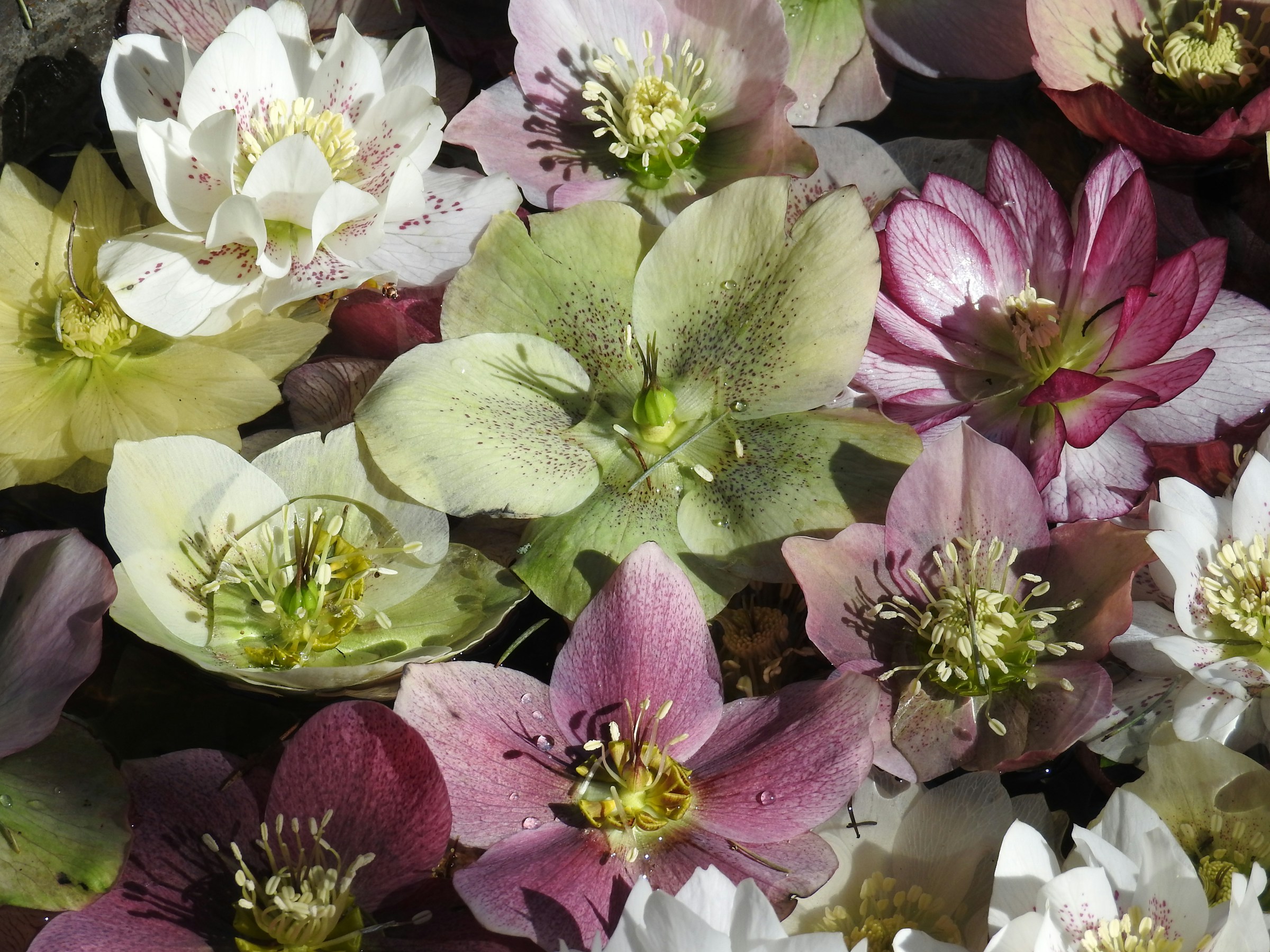

Hellebores: The Winter Perennial That Earns Its Keep
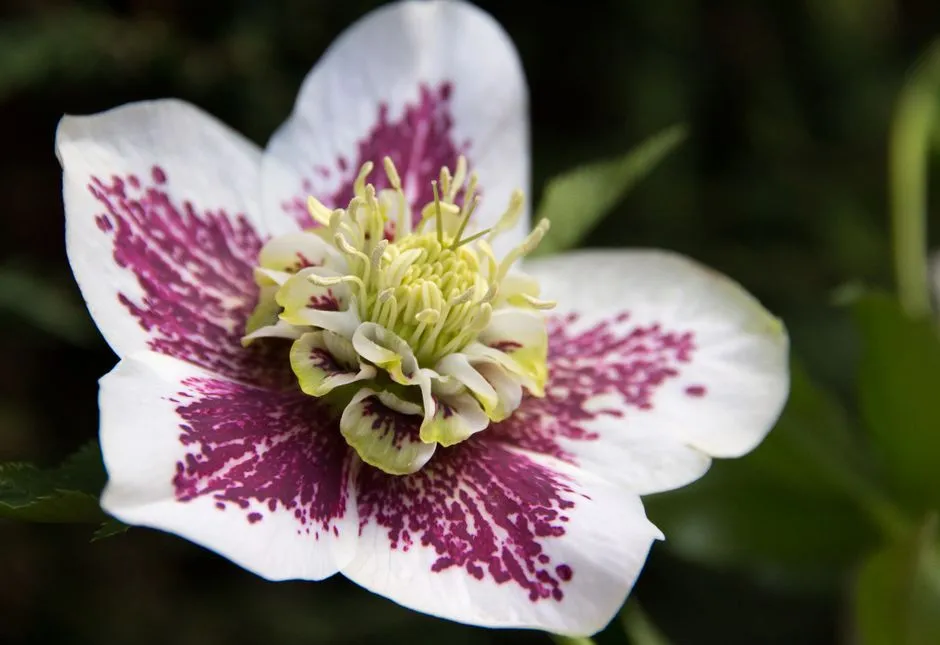
Hellebore is one of the most favored winter flowers, offering cup-shaped blooms in a wide range of colors and patterns. The attractive, deeply lobed foliage remains evergreen in most growing zones, giving the plant multi-seasonal appeal.
Hellebores are revered by seasoned gardeners for their long bloom time, reliability, evergreen foliage, and tolerance of a wide variety of light and soil conditions. They’re also genuinely unfussy once established, which explains why they appear in so many professionally designed gardens.
This tough evergreen perennial does best sited in partial shade, since deep shade will reduce blooming. Planting near or under deciduous shrubs is effective, or in spots that will be shaded by taller perennials later in the season.
Witch Hazel: Winter Bloom with Dramatic Presence
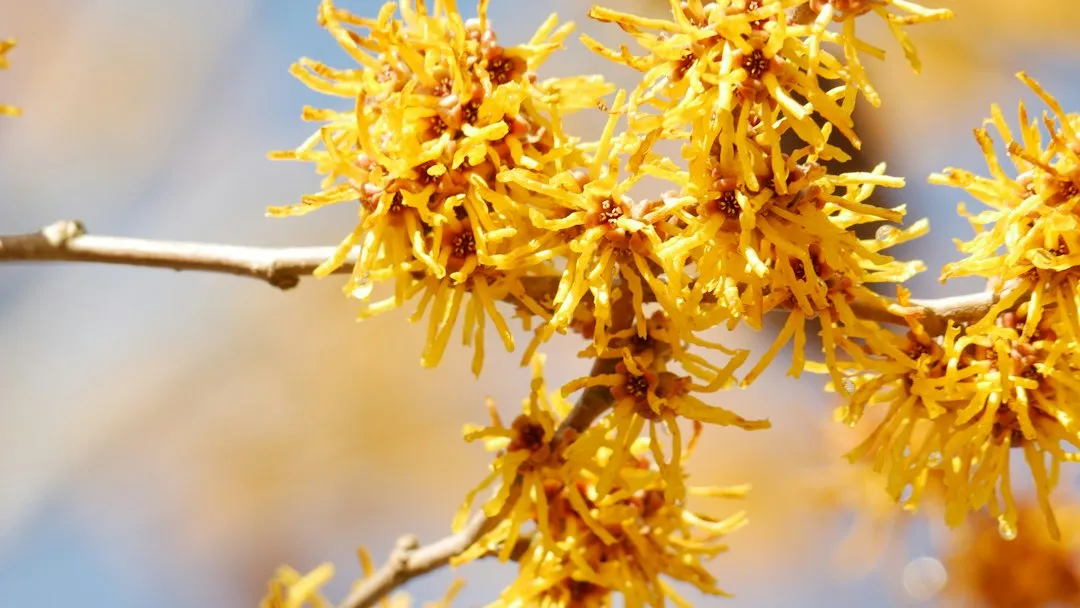
Witch hazel is one of the best winter-blooming plants, thriving in most growing zones. Some varieties are fragrant, with flowers occurring in shades of red, orange, gold, or yellow.
For gardeners looking for a plant with dramatic winter flair, witch hazel is an excellent choice. Its spidery flowers burst into bloom in mid-winter, offering vibrant color at a time when most plants are dormant.
The long-lasting ribbon-like blooms are carried on smooth gray, elegant branches and come in various colors, from glowing copper and deep fuchsia to pale lemon. Designers often place it where low afternoon winter light can shine directly through the delicate petals, giving the whole shrub a luminous quality that few other plants can match.
Sarcococca (Sweet Box): The Small Shrub with an Outsized Scent
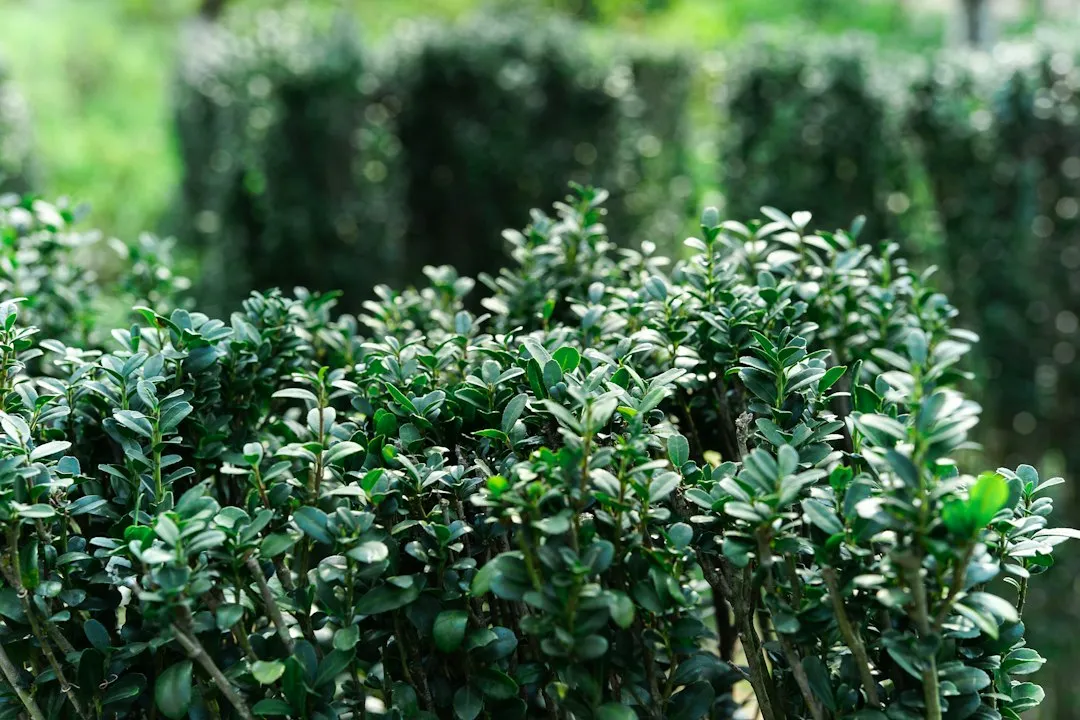
For winter fragrance, few plants rival the intensely scented flowers of sweet box. This broadleaf evergreen shrub produces clusters of white ribbon-like flowers from mid-winter to early spring, which are followed by shiny red or black berries.
Glossy dark green foliage remains attractive year-round. Plant this carefree shrub near a home entrance where its intoxicating sweet scent can be most enjoyed. It works well in foundation plantings or as hedging, and it is tolerant of dry shade.
Sarcococca confusa is happy in both acidic and alkaline soils and will also thrive in drought conditions once mature. Reaching up to three feet by five feet over ten years, it is ideal for growing as a low hedge or along a driveway or entranceway. It is best suited to US Hardiness zones 7b to 10b.
Cornus (Dogwood): Stems That Glow in Low Winter Light
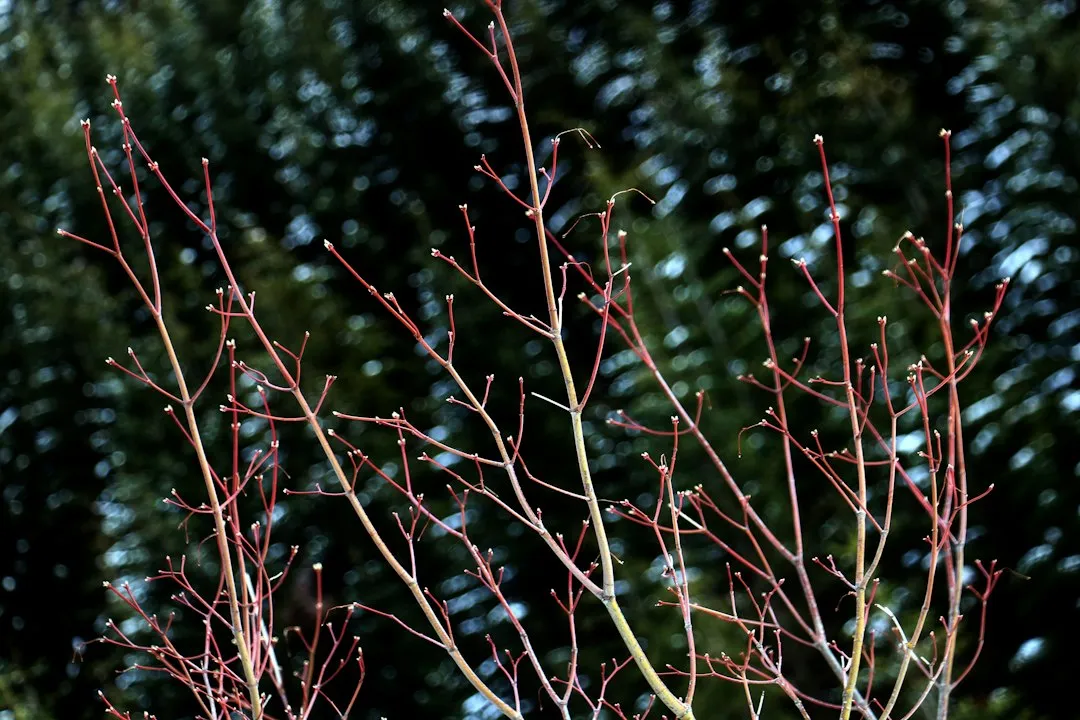
Colourful stems provide both architecture and vibrancy to the garden in winter. Having shed their summer foliage, these plants often look strikingly different in winter, bringing fabulous seasonality to planting schemes.
Red twig dogwoods have multi-seasonal interest, but it’s in winter that this deciduous shrub really shines. The stems intensify in color as temperatures drop, and a group of them planted together can look almost electric on a gray winter morning.
Colored-twig dogwoods (Cornus sericea) are a fantastic choice for winter color. The variety ‘Midwinter Fire’ offers sunset-colored stems with a dwarf growth habit, while ‘Elegantissima’ produces blood-red stems in winter, and ‘Hedgerows Gold’ lights up the garden with yellow stems.
Ornamental Grasses: Movement When Everything Else Is Still

One easy structural element to add to a winter garden is ornamental grasses. In summer they add a sweeping background to other plants, but in winter their cream-colored stalks and frothy seed heads remind the onlooker of fountains rising into the cold air.
Even when dried, grasses add lovely movement and structure to the winter garden. They can be left standing through winter for texture and habitat, and mixing tall varieties like switchgrass with shorter ones like little bluestem creates layered interest.
Grasses like feather reed grass, fountain grass, and blue fescue offer reliable winter structure and catch frost beautifully, creating shimmering morning interest. This is the kind of quiet detail that photographs well and reads even better in person.
Evergreen Conifers: The Dependable Backbone

The backbone of winter interest, evergreens provide structure, color, and fullness when everything else has gone dormant. Use them to frame views, define spaces, or serve as a backdrop for more colorful winter plants.
Trees like White Pine, Black Hills Spruce, Norway Spruce, and Balsam Fir provide vertical interest and a lush, textured backdrop throughout the cold season. Dwarf forms are equally valuable for smaller gardens where scale matters.
Some conifers have a narrow columnar structure that makes them suitable for tight side yards and other small spaces. Soft-textured foliage holds its rich green coloring year-round and resists winter burn. Plant them in a row as privacy screening, or use them to divide garden rooms.
Mahonia: Architectural Foliage with Winter Flowers
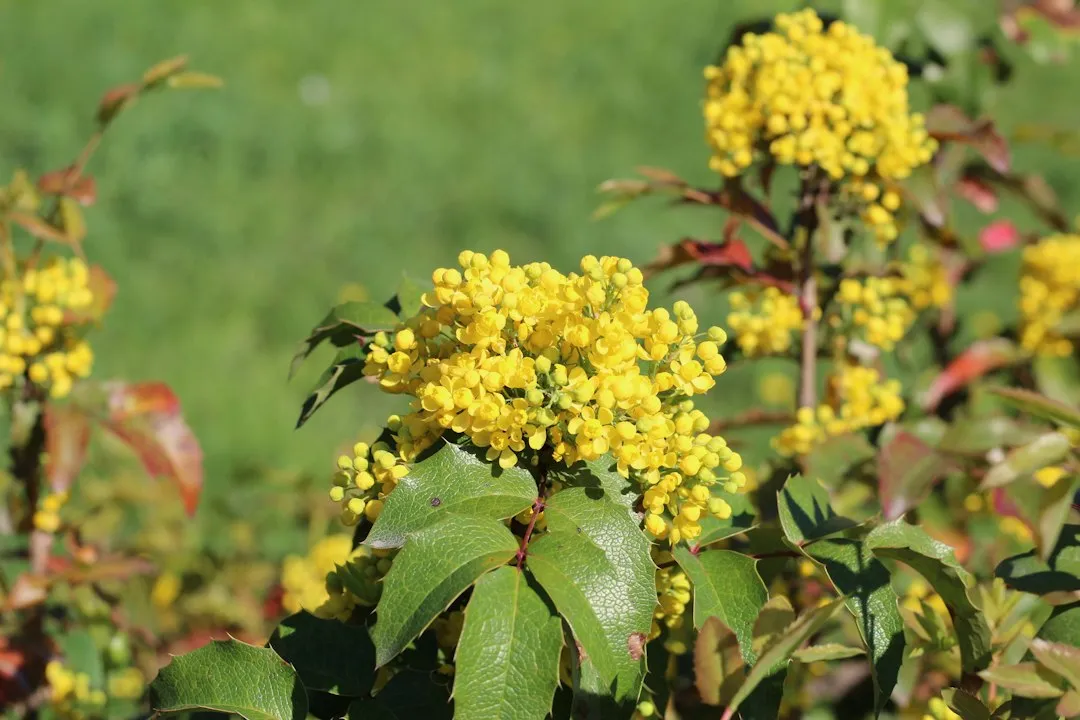
Mahonias such as the cultivars ‘Charity,’ ‘Winter Sun,’ and ‘Marvel’ are late-winter bloomers that perform well in shade and woodland borders. Compact types are ideal for grouping and layering within a planting scheme.
Winter-flowering shrubs like Mahonia bloom in late winter while also attracting pollinators, making them genuinely useful plants rather than just decorative ones. The bold, pinnate leaves hold their form through frost and give the garden a structure that designers describe as almost tropical in character.
The Royal Horticultural Society lists Mahonia x media ‘Winter Sun’ as one of its top five plants for winter interest, alongside plants such as Helleborus niger, Sarcococca hookerana, and Coronilla valentina. That’s strong endorsement from one of the most authoritative horticultural bodies in the world.
Holly and Berry-Producing Shrubs: Color That Serves Wildlife Too
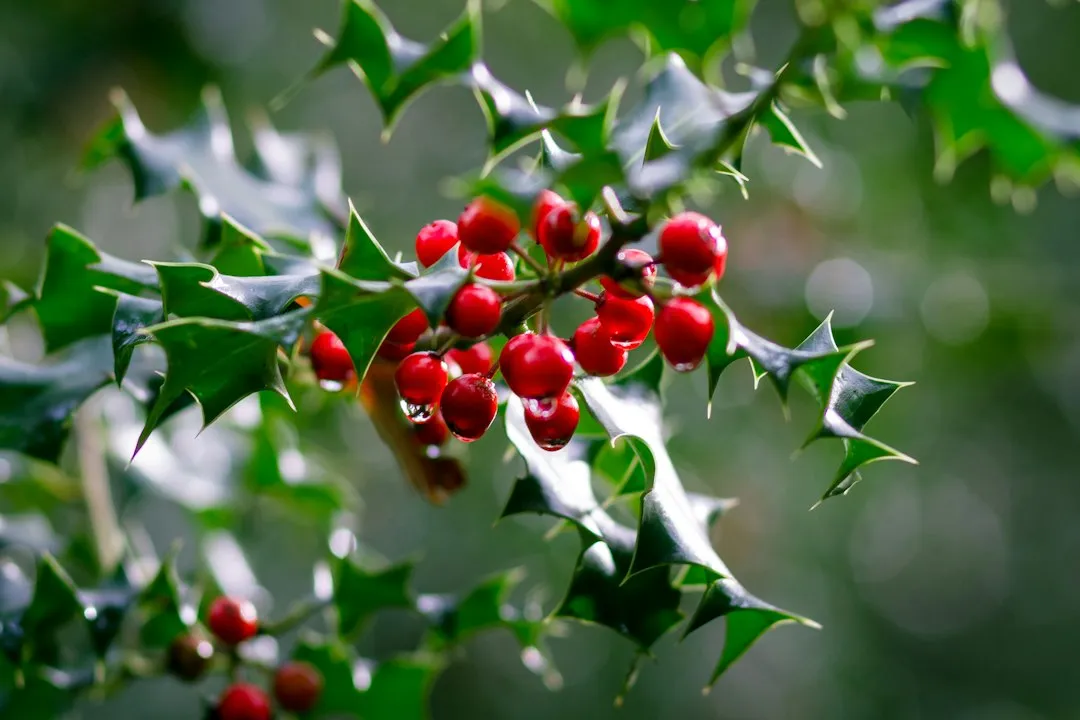
Most of the winter garden’s brighter colors come from the berries of plants. Hollies, barberry, firethorn, and other winter-fruiting plants add unexpected splashes of red and orange to a winter garden design.
Holly, with its glossy leaves and bright red berries, is an iconic winter plant that adds a festive touch to the garden. It’s one of those plants that looks almost too perfect, yet requires very little in the way of maintenance once established in the right spot.
The bright berries of berry-producing shrubs pop against the subdued hues of winter, attracting birds while enhancing the garden’s overall beauty. That dual purpose is something designers value: a plant that earns its place both visually and ecologically.
Snowdrops: Small Scale, Big Impact
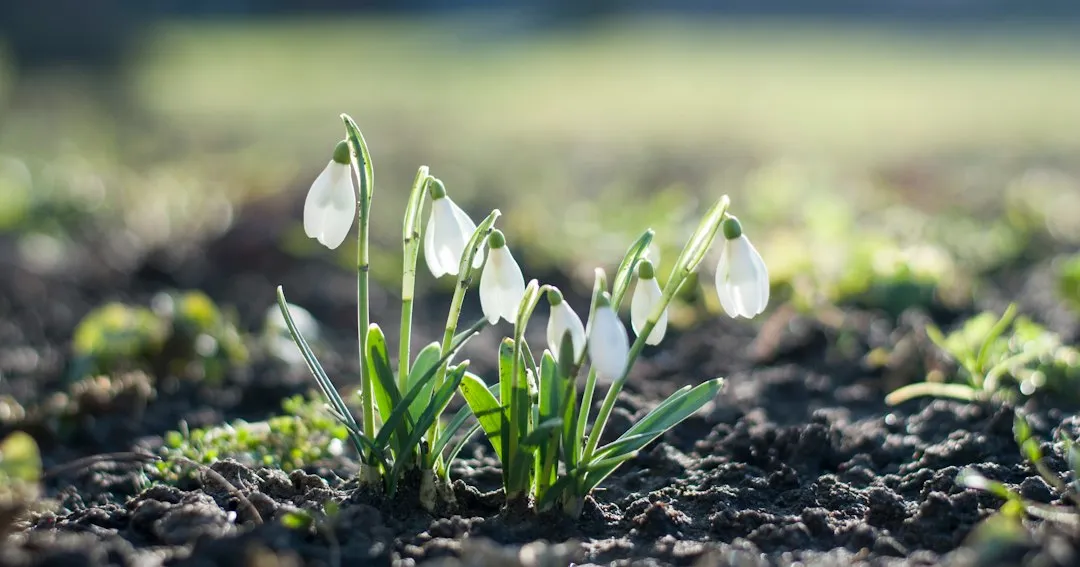
Snowdrops are an obvious choice for adding winter cheer at ground level. One of the very first flowers of the new year, these tough little plants bloom right on schedule no matter the weather. They are best seen en masse, and it’s worth planting as many as time and budget will allow.
Snowdrops reward patience. They tend to spread naturally over years, forming drifts beneath deciduous trees where little else will grow. For a woodland-style garden, there is almost nothing better at that lower layer of planting.
As a hellebore collection grows, tucking in minor bulbs of early snowdrop, grape hyacinth, and species crocus beneath them creates a layered planting that peaks across the coldest weeks of the year. It’s the kind of combination that looks considered without requiring constant attention.
Paperbark Maple and Birch: Winter Beauty Written in Bark

Paperbark maple is an ornamental shade tree with an elegant spreading canopy and peeling cinnamon-red bark that creates strong winter interest in the landscape. Use this small deciduous tree as a focal point in a mixed border or winter garden.
The peeling bark and polished stems of birch trees bring beauty to the garden at any time of year, but are never more apparent than during winter. Whether grown as a specimen tree in a lawn or planted in groups, they are a delight during winter months.
While many plants go dormant in winter, plants with brightly colored twigs, buds, berries, dazzling winter flowers, and dried seed pods continue to hold interest through cold and snow. Trees with exceptional bark, like paperbark maple and silver birch, prove that you don’t always need flowers to make a winter garden feel alive.
A Garden Worth Looking At in January
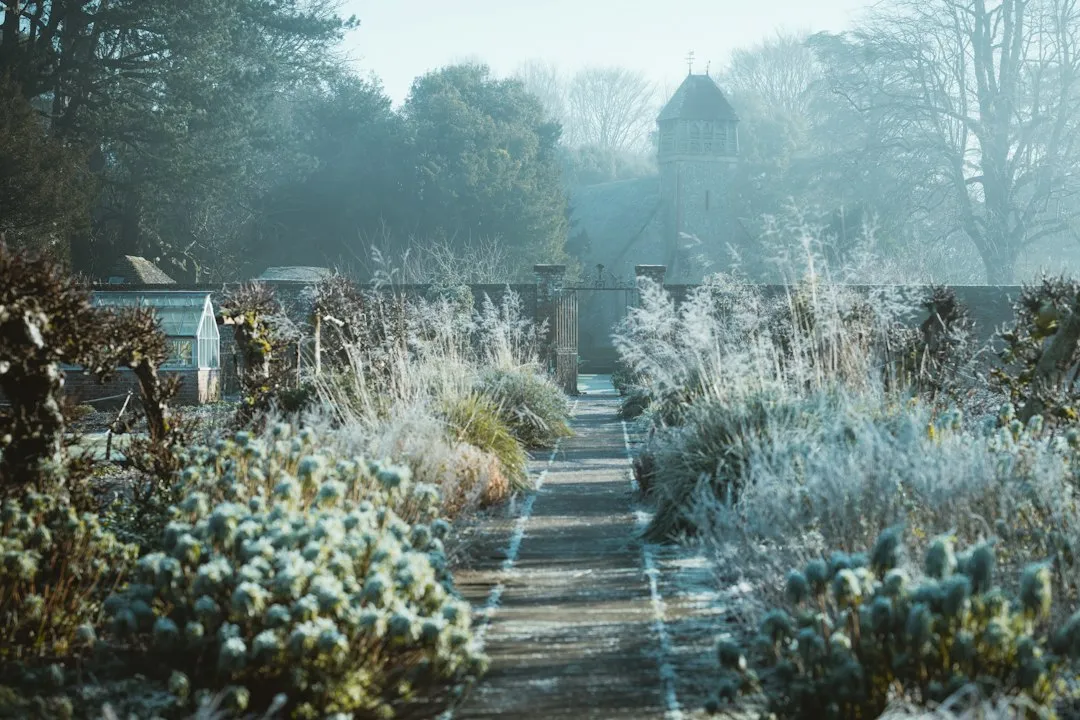
The designers who plan the most admired winter gardens tend to think in layers. They start with structure – a conifer, a birch, a bold shrub – then work their way down to the detail level of snowdrops and fragrant sweet box. The result is a garden that rewards a slow walk through it even on the coldest mornings.
By combining evergreens, colorful stems, textured forms, and plants that retain their leaves through winter, a landscape can remain dynamic and visually engaging all season long. Thoughtful placement ensures that each plant’s winter personality shines, creating a garden that’s as enjoyable in January as it is in July.
Winter gardening isn’t about fighting the season. It’s about choosing plants that understand it.
AI Disclaimer: This article was created with the assistance of AI tools and reviewed by a human editor.