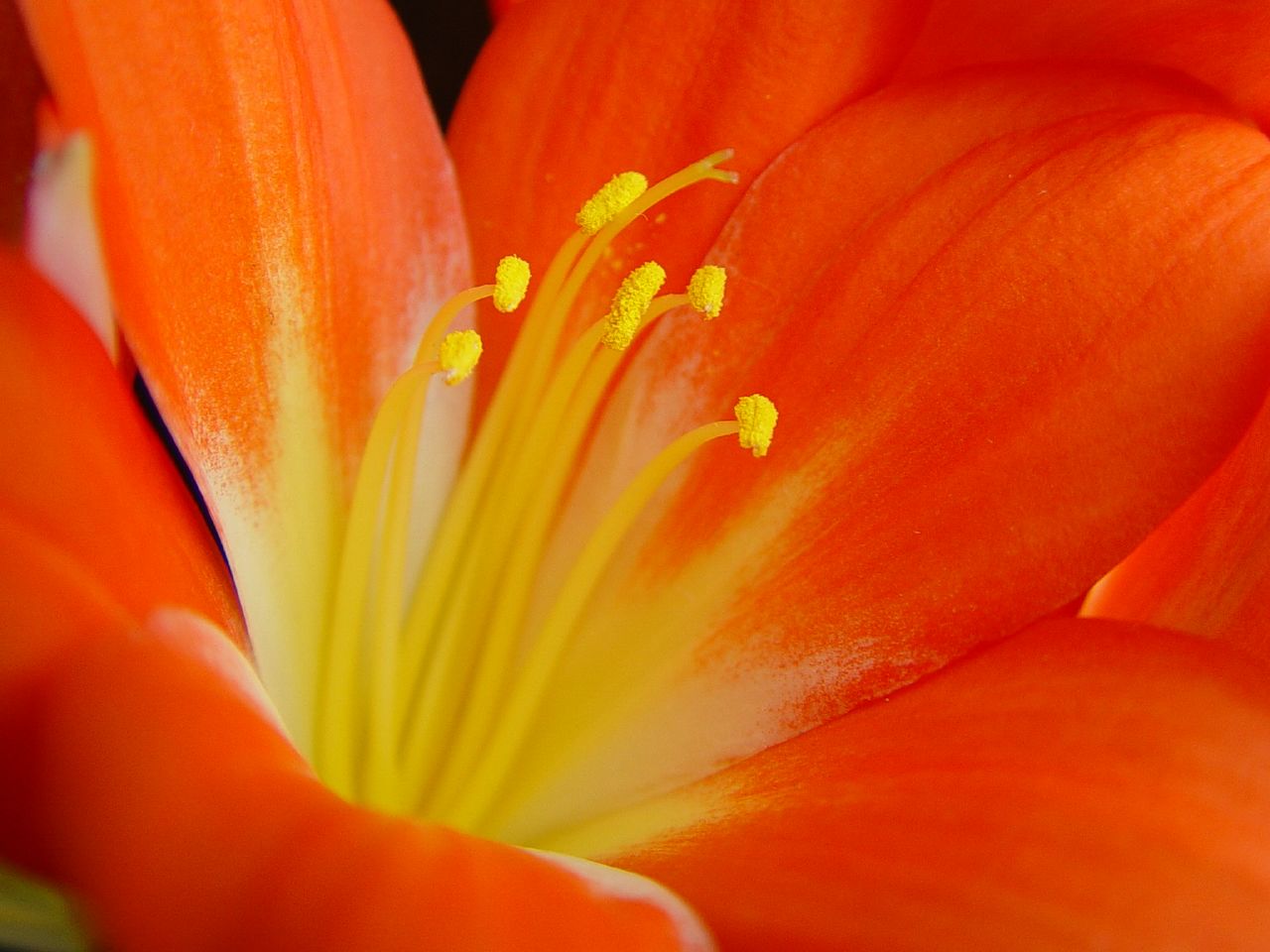

Some houseplants are forgiving. Give them reasonable light, reasonable water, and they’ll generally cooperate. Clivia is not quite like that. It’s tough in many ways, genuinely drought tolerant and tolerant of shade, but when it comes to flowering, it has one firm, non-negotiable requirement: a period of cold and dryness in winter. Miss that window, and you get a perfectly healthy, beautifully leafed plant with no flowers at all.
The reason runs deeper than simple preference. It’s written into the plant’s biology, shaped by the specific landscape it comes from. Understanding why that cool rest matters so much makes it far easier to give your Clivia exactly what it needs.
A Plant Born from Seasonal Extremes
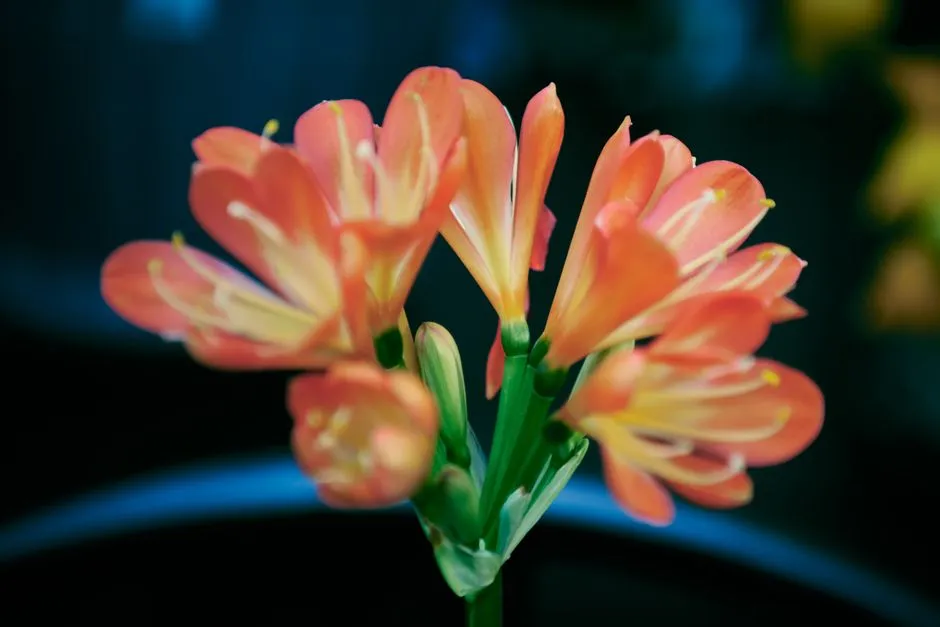
Clivia miniata is a member of the Amaryllidaceae family, native to damp woodlands in southern Africa, where it grows in habitats ranging from subtropical coastal forests to ravines in high-altitude forests, thriving in dappled shade in well-drained, humus-rich soil. That origin matters enormously. Clivias come from Natal, South Africa, where in winter there is no rain and temperatures hover just above freezing.
Clivia miniata is native to subtropical South Africa where it is largely found in low light, woodland settings and experiences seasonal dryness. Over countless generations, this plant adapted to that rhythm of wet and dry, warm and cold. Clivias in their natural setting are exposed to temperatures ranging from almost freezing to 90 degrees, and in the low temperature period they undergo dormancy and wake up when the temperature is conducive to growing, like in spring and summer.
Flower Buds Form During Rest, Not During Growth
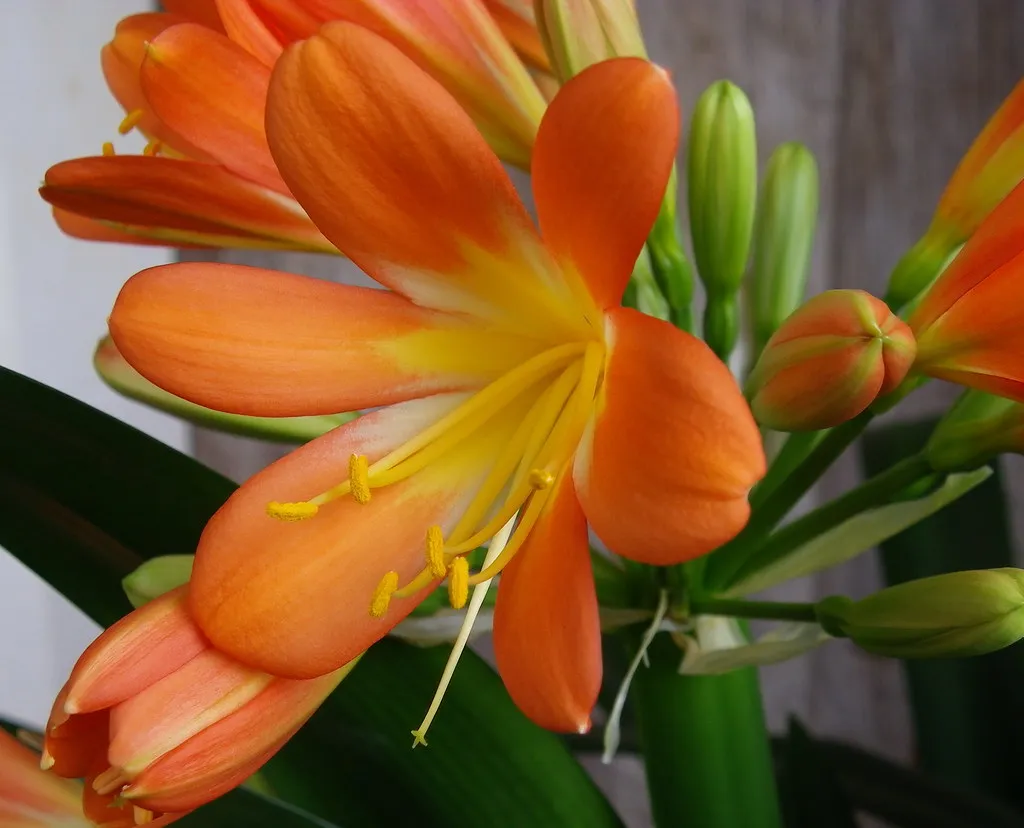
Clivias grow actively in warmer months, storing energy in their fleshy roots and leaves, and then enter a dormant winter rest. Flower buds are initiated during this rest, not during the leafy growth stage. This is a crucial distinction that many growers miss. The visible summer growth is really the plant building reserves, not preparing to flower directly.
As an evergreen perennial, Clivia miniata follows an annual cycle rather than dying back completely: active vegetative growth and root development occur in spring and summer, supported by regular water and fertilizer, followed by a critical cool, dry autumn and early-winter dormancy period that triggers flower bud formation within the rhizome. Without a resting period to reset their flowering cycle, the plant will stay evergreen but won’t bud the following year.
The Exact Temperature Window That Triggers Blooming
To flower well, Clivia should be placed in a cool area during fall’s natural temperature drop, such as in a cool porch or near a cool windowsill that does not freeze. It should experience cool resting-period temperatures below 50°F and above 35°F for six to eight weeks at some point in the period of October through January as a signal to begin setting new flower buds.
Beginning in late fall, a cool rest of 50 to 55°F (10 to 13°C) is needed for 6 to 8 weeks for Clivia to re-bloom. True Clivia success hinges on honoring three non-negotiable biological triggers: photoperiod cues from shorter days, a temperature drop to 50 to 55°F at night, and soil desiccation. All three together form the complete signal the plant needs.
Why Dryness Is Just as Important as Cold
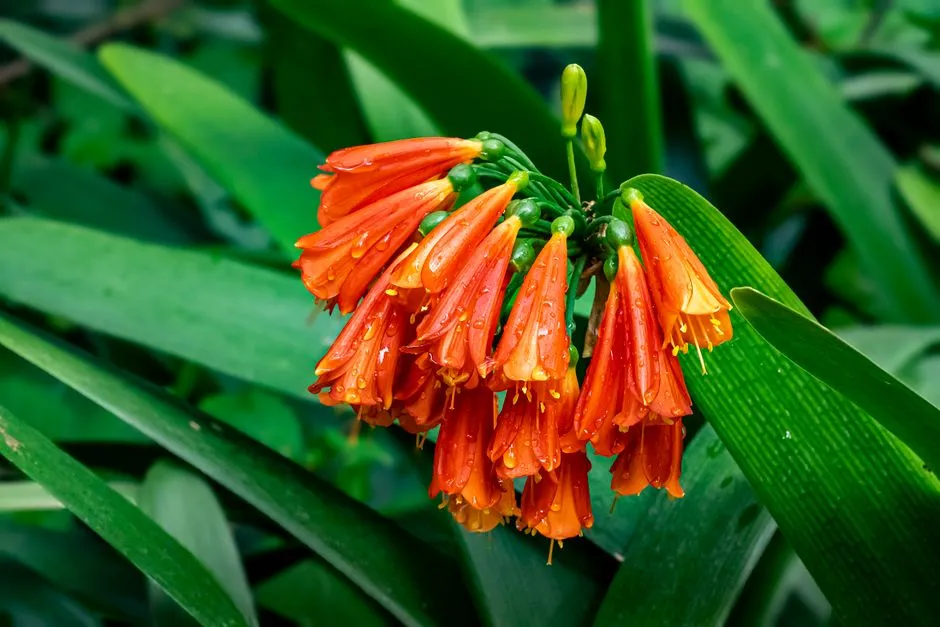
It helps to keep the plant nearly dry during the six to eight week, cool, bud-forming rest period, allowing the plant to go dry until the leaves start to droop. This simulates the seasonal dryness of its native habitat. The two stressors, cold and drought, work together. One without the other is often not enough to fully trigger bud initiation.
Since clivias are drought tolerant, they can go for several weeks without water; in fact, they need a dry, cold period to initiate flowering. Gradually reduce watering in the fall and keep the plant nearly dry during a six to eight week, cool, bud-forming rest period, allowing the plant to go dry until the leaves start to droop. A little wilting during this stage is normal and not a sign of distress.
What Happens When the Cool Period Is Skipped
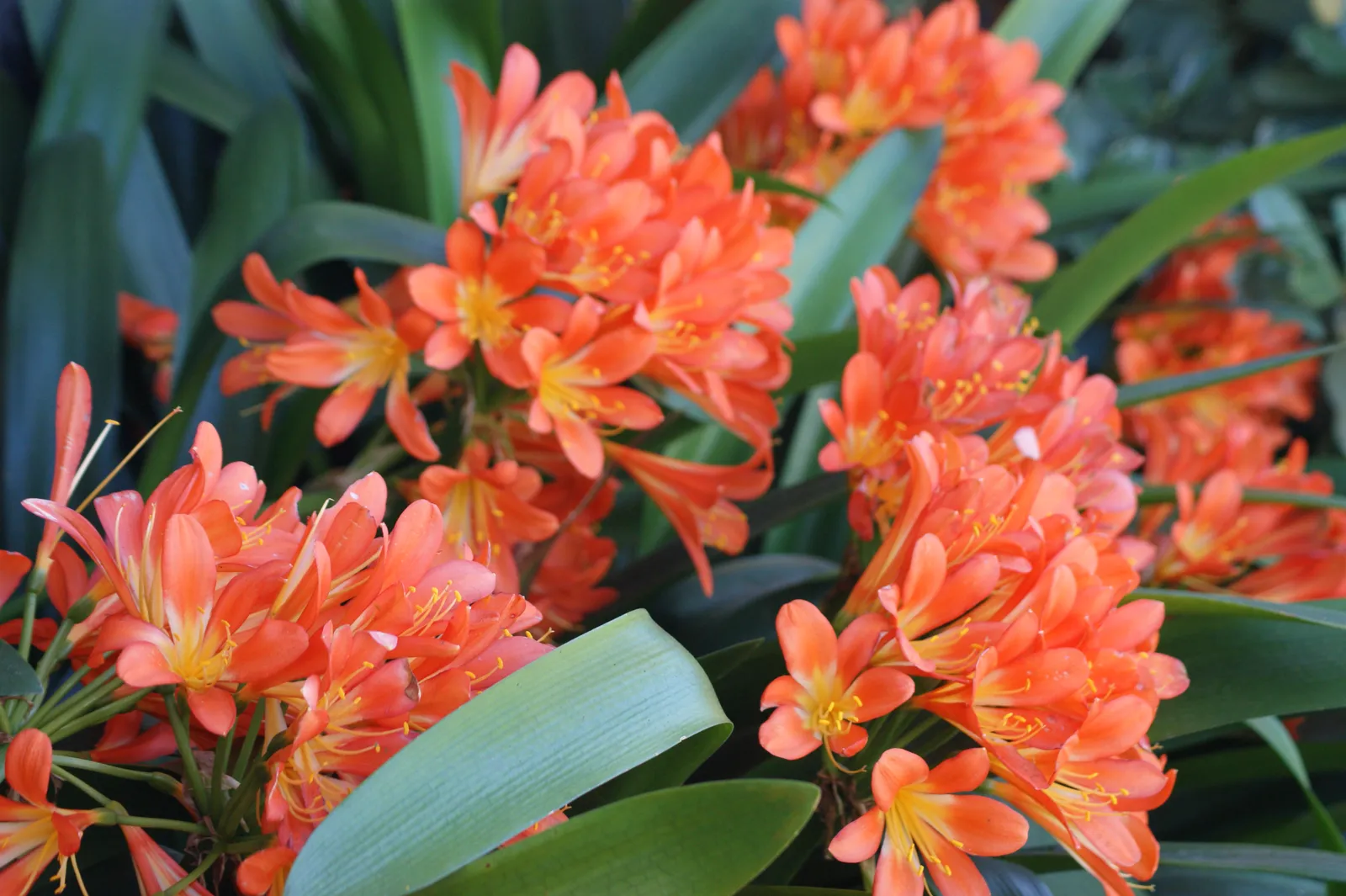
Without a cool, dry winter rest and balanced nutrition in spring and summer, the plant will produce leaves but no flower spikes. That’s the most common complaint among Clivia owners: lush, beautiful foliage year after year with no sign of a bloom. The plant is happy, it just hasn’t received the biological cue it needs.
If not given a cool treatment, flowers may be prematurely produced, causing flower stalks not to rise above the foliage; warm temperatures at this time will also shorten flower life. Where plants flower on short stalks and the blooms are hidden by foliage, the cause is likely to be an insufficient cool period over the winter. So even a partial rest can result in blooms that appear but disappoint, appearing stunted between the leaves rather than rising proudly above them.
How Long the Rest Period Actually Needs to Be
It is critical that during the dormancy window the plants are chilled at temperatures between 35 and 55 degrees Fahrenheit for a minimum of 5 weeks to initiate bloom. If this cold treatment is not provided, the plants may not bloom until late summer. Some sources indicate even longer windows produce better results.
To get them to flower indoors, stop watering and keep the plant in a bright, cool spot, below 50°F (10°C) for at least 40 days and up to 90 days. A shorter cool period could result in delayed flowering. The safe approach is to aim for the full six to eight week window and not cut it short just because the plant looks ready.
Bringing Clivia Back Out of Dormancy
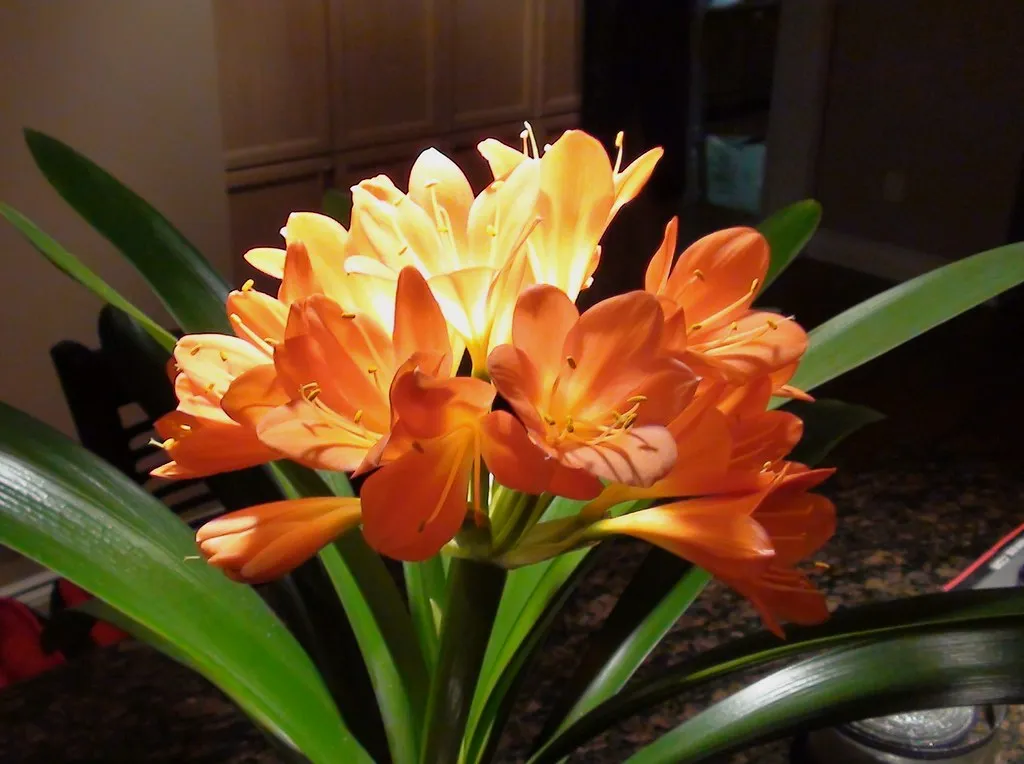
After it has rested, put your Clivia in a warmer spot, resume watering, and it will flower in about 60 days. The transition back to warmth should be gradual rather than abrupt. To bring the plants out of dormancy, begin watering and gradually raise the temperature to 60 degrees Fahrenheit; flower buds should begin to show about two weeks after the temperature is raised.
Fertilizing should cease entirely during the autumn and winter dormancy period, as feeding during rest can interfere with the cold-and-dry signal the plant needs to set flower buds, and should resume only once new growth or a flower stalk appears in late winter. Patience here really pays off. The plant knows what it’s doing once the correct sequence has been followed.
The Role of Light Before and After Dormancy
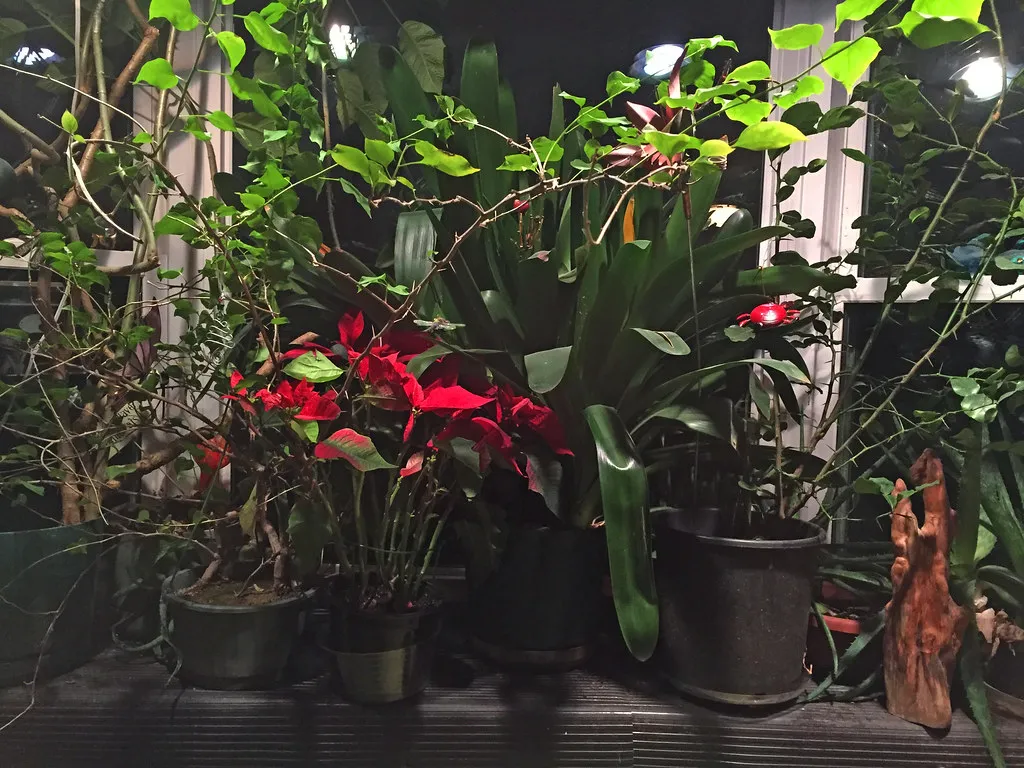
Failure to flower is most often a result of low light or missing the plant’s resting period of cool temperatures and limited water. Light tends to get overlooked in the conversation about Clivia blooming, but it’s part of the package. Clivia miniata will bloom dependably if you can provide a cool rest in late autumn and plenty of bright light in late winter and early spring.
Keep a Clivia plant out of direct sunlight to prevent sunburn, and out of an extremely dark area. Bright, indirect light is the sweet spot, particularly as buds are forming. A non-blooming Clivia is usually due to excess nitrogen, insufficient winter rest, or low light. These three causes cover the vast majority of cases.
When to Expect Flowers and How Long They Last
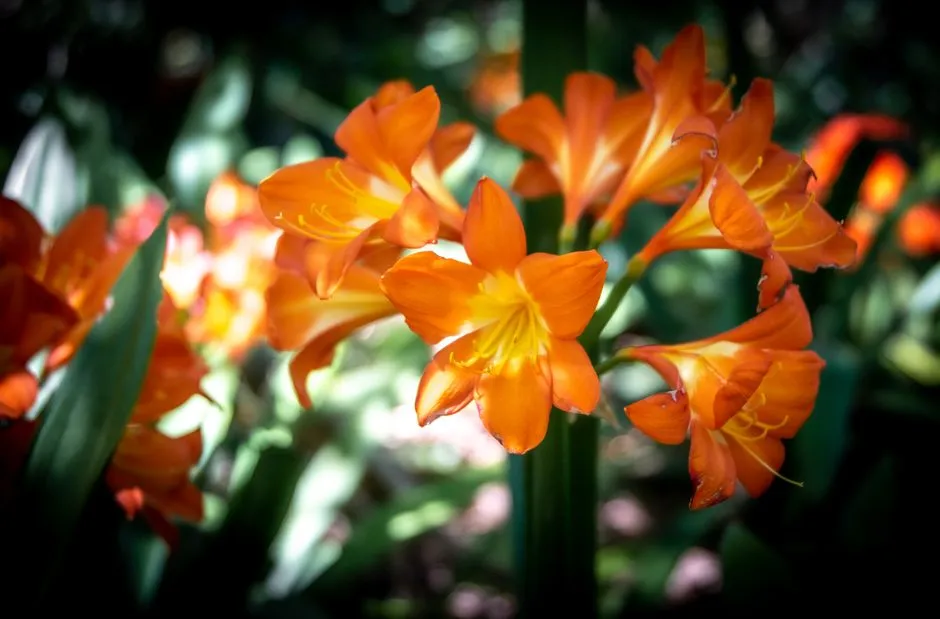
Clivia miniata typically blooms in late winter through mid-spring, roughly February to April in the Northern Hemisphere, or August to October in its native Southern Hemisphere range, with each bloom cycle lasting several weeks per flower stalk and individual flower umbels remaining attractive for two to four weeks. That’s a meaningful display for a plant that asks so little of you most of the year.
Blooming frequency is once annually under proper care, though a stressed or interrupted dormancy can cause skipped years. If the temperatures and rest are adequate, the Clivia will bloom more profusely the following season. Over time, a well-managed plant with reliable winter dormancy becomes a more and more spectacular bloomer.
Age, Pot Conditions, and Other Factors That Affect Blooming
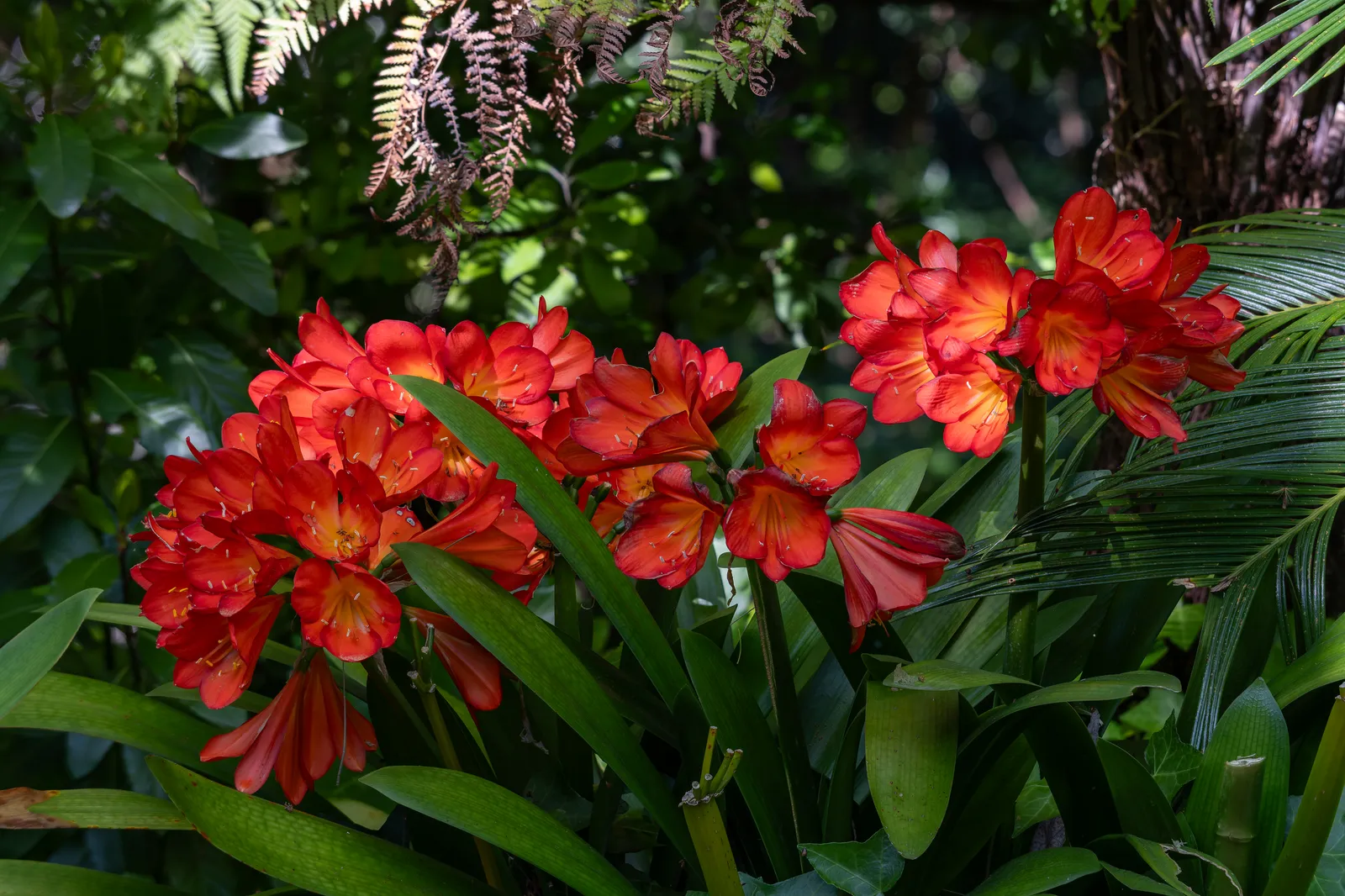
Clivia miniata plants need to be 3 years old or more before they will bloom. This catches many newer growers off guard. A young plant given perfect dormancy conditions still won’t flower until it has matured enough, which can take several years from seed. Under household culture it may take five to seven years to get Clivia flowers to bloom from seeds.
Although Clivia is one of those rare plants that actually blooms best if slightly pot-bound, its roots are perennial, and the plant resents root disturbance, which usually displays as a skipped flowering cycle. Common dormancy mistakes include placing Clivias near furnace vents because it’s too warm, misting during dormancy which invites fungal growth, or misinterpreting leaf yellowing as distress, when in fact older leaves often senesce during dormancy. Small details like these can quietly undermine an otherwise well-timed rest period.
The Takeaway
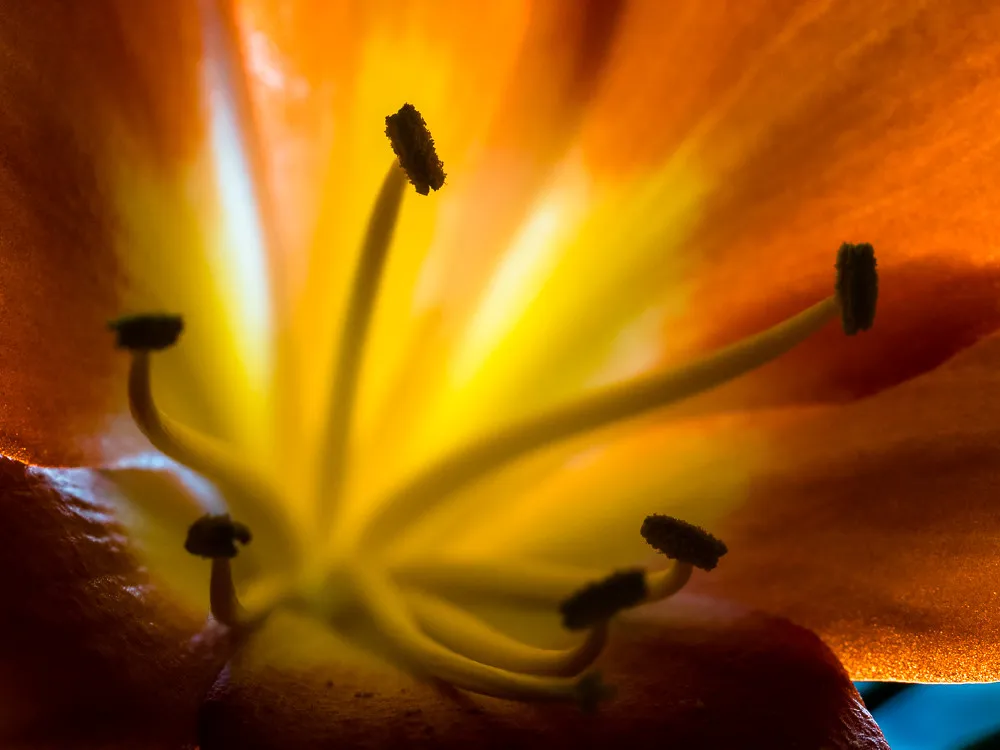
Clivia is often described as tough, and that’s true in many respects. It tolerates neglect, dim light, and dry spells without complaint. What it won’t tolerate is having its seasonal rhythm ignored. The cool winter rest isn’t a gardening trick or an optional extra; it’s the biological event the plant has been building toward all summer.
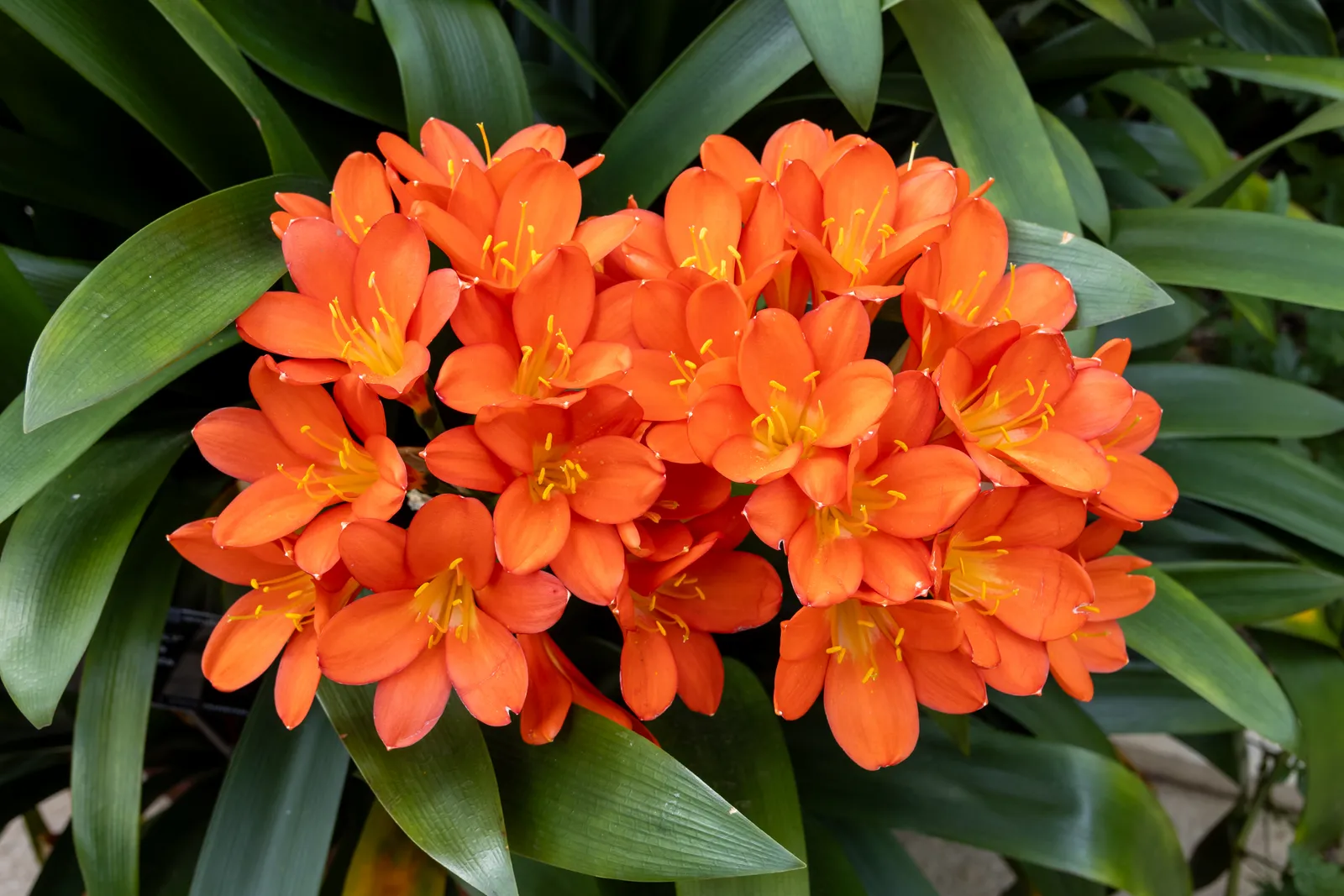
Give it that window of cold and dryness each year, and the reward is one of the most satisfying blooms a houseplant can offer, vivid clusters of orange or red rising cleanly above the foliage in late winter when almost nothing else is flowering. That timing feels almost like a gift, and it is, in a way, something the plant has been quietly preparing to give you all along.
AI Disclaimer: This article was created with the assistance of AI tools and reviewed by a human editor.