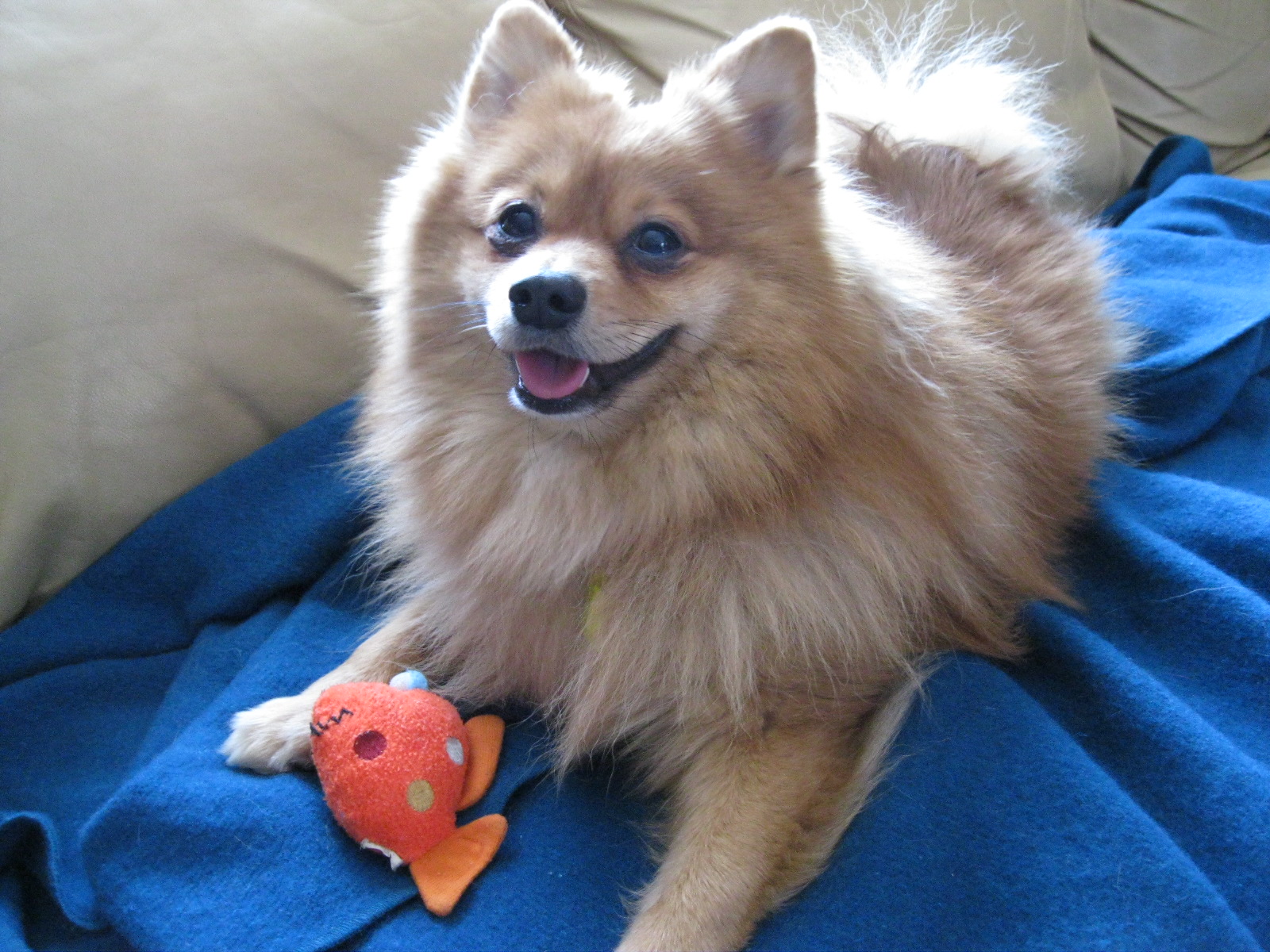

It All Starts With Ancient Instinct

Scientific researchers have examined why dogs preferred certain toys over others and have concluded that it can all be traced back to our dogs’ wolf ancestry. That’s a long lineage to carry into the living room, but it shows up in behavior every single day.
Dogs descend from predators, and even a lapdog keeps parts of the predatory sequence: orient, stalk, chase, grab-bite, kill bite, dissect, and consume. Domestication softened many of these behaviors, but it didn’t erase them. Breeding has exaggerated or muted different stages in different breeds, but the grab-and-bite stage is common to most dogs.
The Squeak Sounds Like Prey
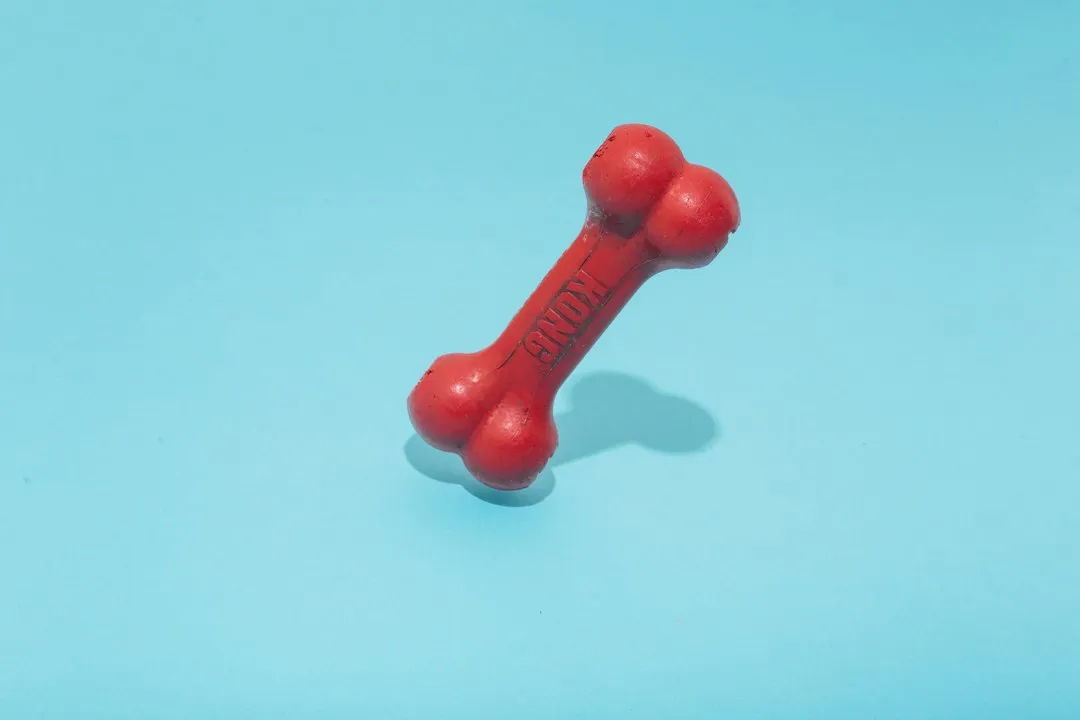
In general, squeaky toys resemble the high-pitched noises that a wounded or injured prey animal would make. That connection, though it may seem distant from a cozy suburban home, is wired deeply into canine perception.
A squeaky toy’s sound closely mimics the high-pitched squeals of small prey animals, triggering a dog’s innate predatory instincts. This sound would signal a successful capture in the wild, encouraging the dog to continue hunting. The squeak of a toy activates this hardwired response, providing a simulated hunting experience that satisfies their natural urges.
Small prey animals often squeal when caught, and a dog’s ears are tuned to pick up exactly those sounds. The squeaks also vary with how hard and where the dog bites, which keeps the toy unpredictable, much like struggling prey.
The Dopamine Loop That Keeps Dogs Coming Back

The repetitive nature of the squeak and the dog’s ability to control it by biting the toy activate their brain’s reward system. Each squeak releases a burst of dopamine, a neurotransmitter associated with pleasure and reward. This chemical reward motivates the dog to continue interacting with the toy, reinforcing the behaviour and creating a positive feedback loop.
Because the noise is intermittent and requires effort to produce, it creates a variable reinforcement schedule. The dog doesn’t know exactly when the squeak will happen or how loud it will be, so it keeps biting. It’s a mechanism that behavioral scientists recognize across many species.
The Toy Feels Alive to Them
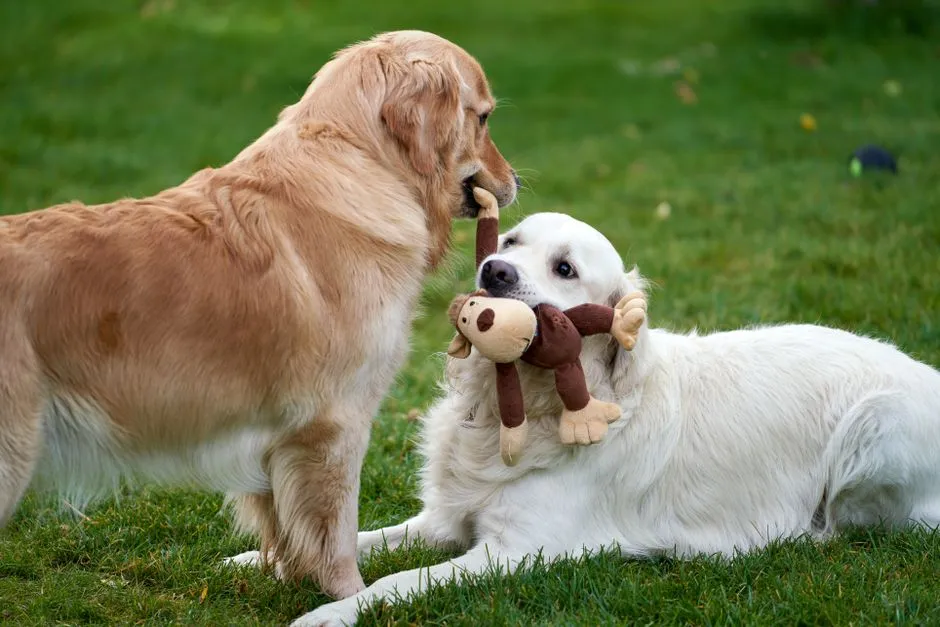
Reactive sound gives squeaky toys the illusion of agency. In contrast to silent toys, squeaky toys respond immediately, creating the impression that the object is reacting or communicating. That responsiveness is a big part of why dogs stay engaged far longer with squeaky toys than with static objects.
Dogs know that their squeaky toys aren’t alive because they hear no heartbeat or breathing. However, a squeaky toy can remind them of the cry made by an injured prey animal. It’s not delusion on the dog’s part. It’s more like a deeply familiar auditory cue triggering a deeply familiar behavior.
Breed Plays a Bigger Role Than Most People Realize
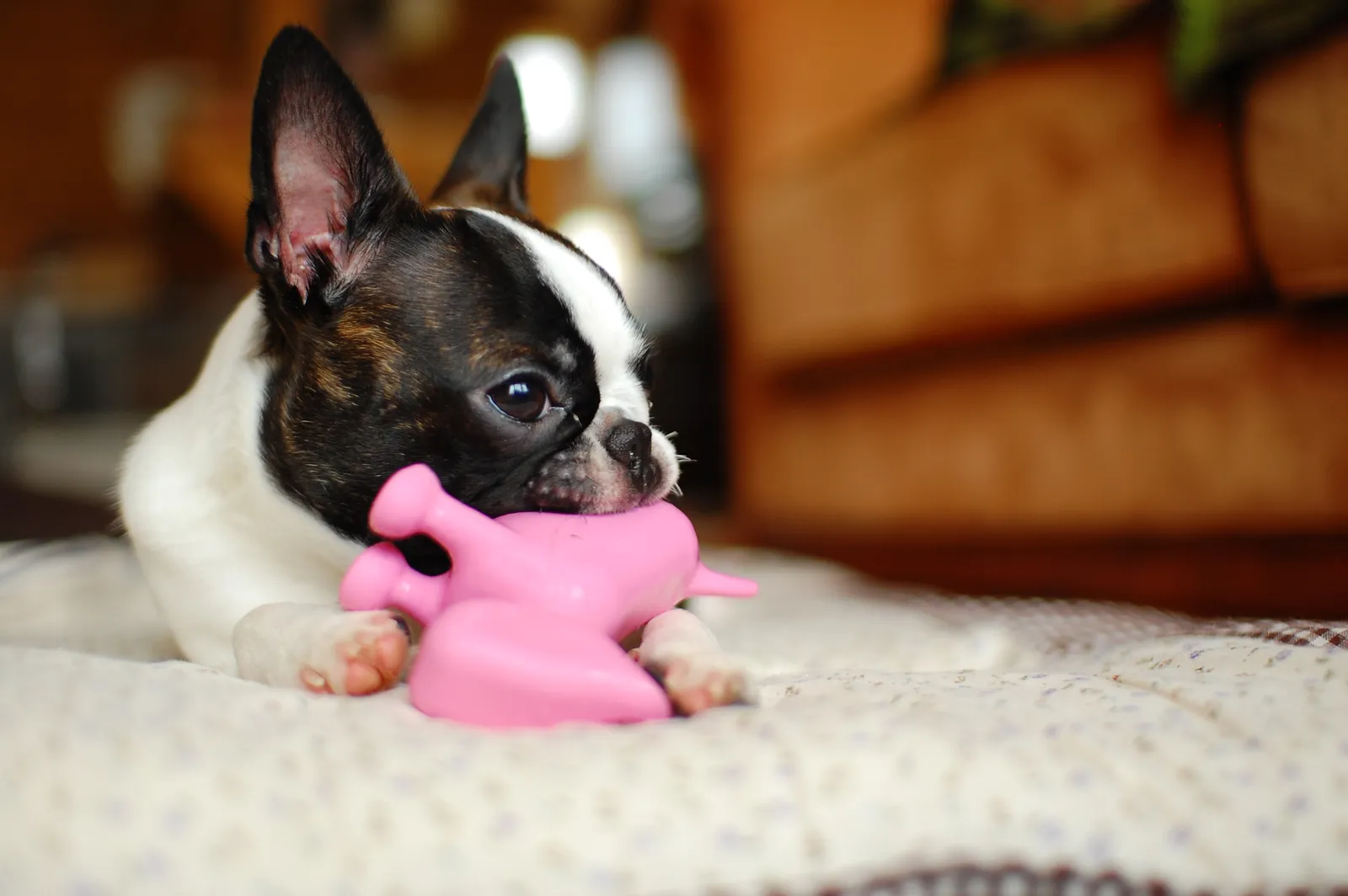
Squeaky toys let dogs practice the predatory sequence: stalking, chasing, catching, and “killing.” Breed influences interaction considerably, as terriers shake toys violently, having been bred for rodent killing, while retrievers carry squeakers gently, having been bred for bird retrieving.
This instinctual drive is particularly pronounced in breeds with strong hunting backgrounds, but it’s a universal trait among dogs to varying degrees. Even a breed with no hunting heritage at all can still fall completely in love with a squeaky carrot. That’s not a hard-and-fast rule, as some breeds, regardless of their ancestral past, may still love squeaky toys.
It’s Also a Social Signal
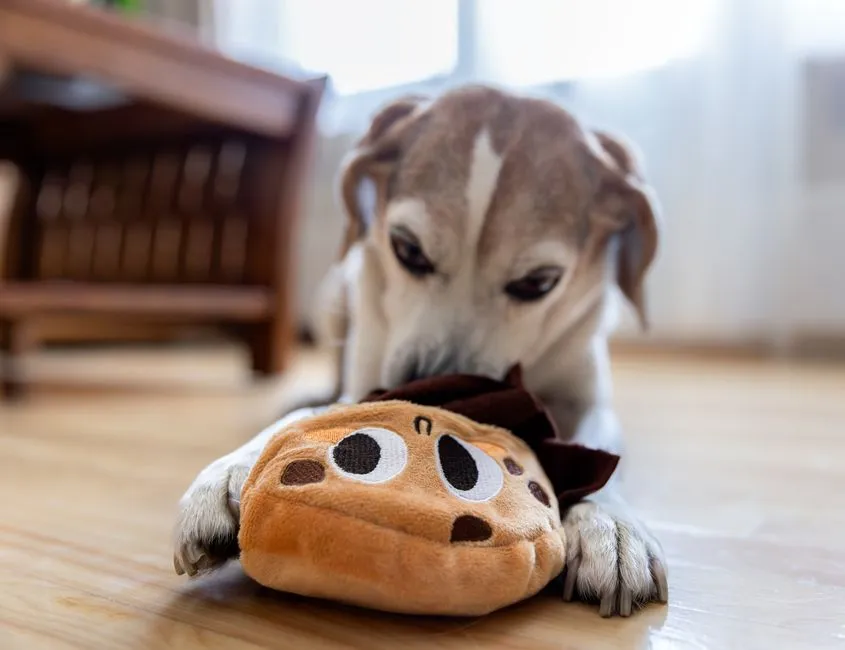
Dogs quickly learn that squeaky sounds draw human attention. Eye contact, laughter, verbal cues, or attempts to take the toy all function as secondary reinforcers layered on top of the toy’s intrinsic reward. Over time, the toy becomes a reliable tool for getting your attention.
Your dog may come to learn that the squeaky toy provokes a reaction in humans, too. Next time your dog drags a squeaky toy toward you, they might be attempting to catch your attention. It’s less about manipulation and more about a dog communicating in the clearest way it knows how.
When owners engage with the squeaky toy, it releases dopamine and oxytocin, which cements the bond between dog and owner. Play, it turns out, is bonding.
It’s Also Just Satisfying to Chew

Some people believe that dogs love squeaky toys because it makes their mouths feel good. Squeaky toys not only satisfy dogs’ desire to chew, but also make their mouth feel better by massaging the gums and scraping the teeth. The sensory reward isn’t only auditory.
Research suggests dogs are drawn to toys that make noise or are easy to chew, as noted in a study by Pullen et al. in 2010. Soft materials that compress easily under a bite are inherently more satisfying than rigid ones. The squeak is often a bonus on top of an already physically rewarding experience.
The Mental Challenge It Provides
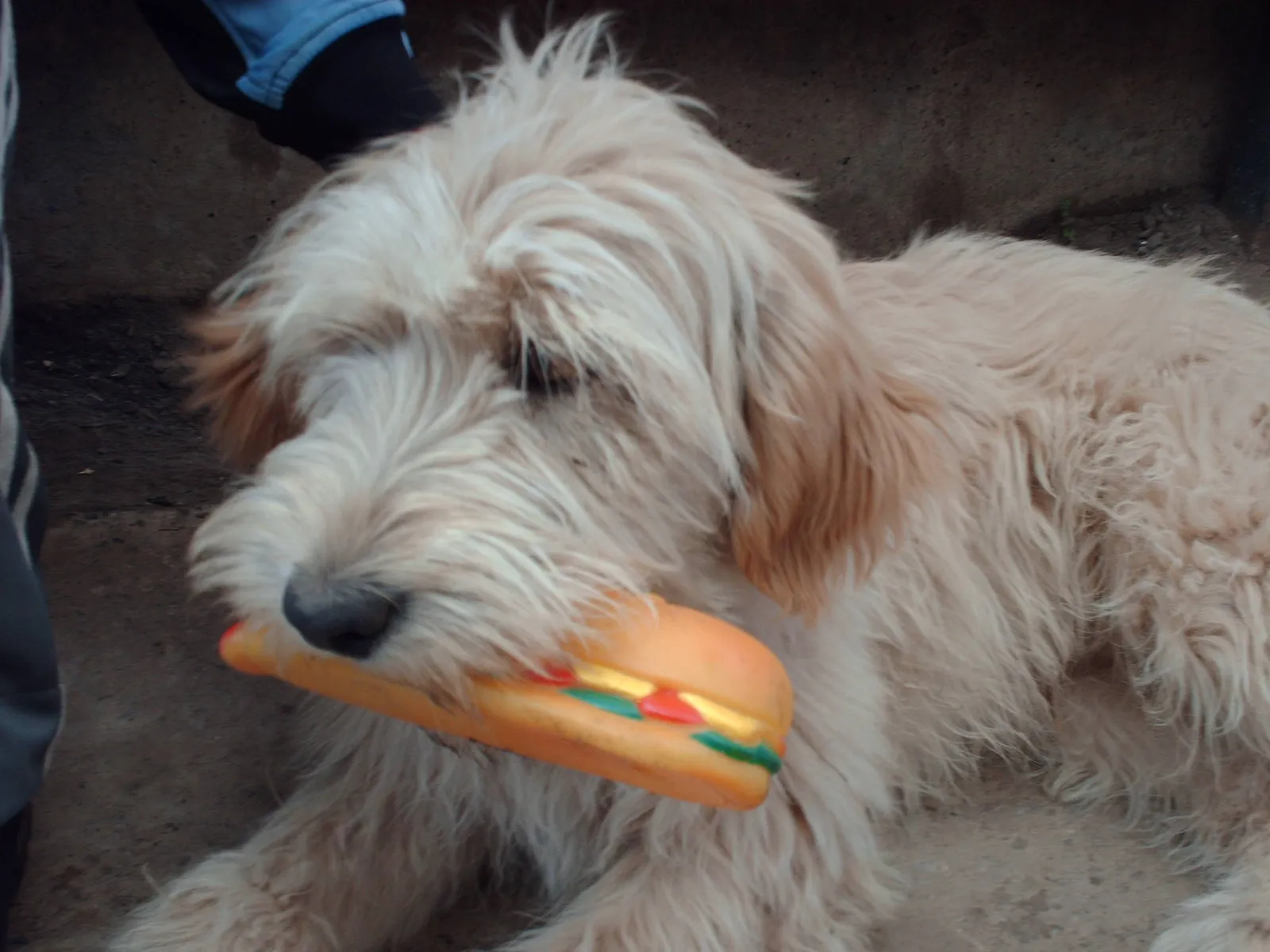
Squeaky toys present fascinating puzzles for canine minds to solve. Dogs must figure out how to manipulate the toy to produce the desired sound, developing spatial awareness and cause-and-effect understanding. That cognitive engagement is a genuine form of mental exercise.
Unlike treats or praise, squeaky toys allow dogs to control the outcome themselves, which creates a sense of agency. This trial-and-error behavior strengthens cognitive engagement and turns play into an active problem-solving exercise rather than passive chewing. For high-energy or intelligent breeds especially, that distinction matters.
What Happens When Dogs Try to “Kill” the Squeaker

If left unsupervised with a squeaky toy, some dogs won’t stop biting and playing with the toy until they “kill” the squeaker, and the sound finally stops. This isn’t aggression. It’s instinct following its natural conclusion.
Ripping a squeaker from a toy can be seen as part of a dog’s natural predatory sequence. Once the sound stops, the “prey” is effectively defeated. The behavior is normal play, not a sign of cruelty or aggression, and play lets dogs rehearse hunting instincts in a safe, harmless way.
Not Every Dog Is Obsessed, and That’s Normal Too

Prey drive varies a great deal, so some dogs simply find the sound uninteresting. There are also dogs who find the noise startling rather than thrilling. Roughly one in three dogs may find the sound stressful, which is critical information for vets and owners to keep in mind.
Dogs with naturally high arousal levels or strong chase instincts often respond more intensely to squeaky toys. A more laid-back or noise-sensitive dog may genuinely prefer something quieter, and there’s nothing wrong with that. Matching the toy to the individual dog matters more than following a trend.
The Safety Side That Often Gets Overlooked

Aggressive chewers can destroy squeaky toys and swallow the squeaker or other parts. That small plastic or rubber mechanism inside is a genuine choking risk if it’s extracted during unsupervised play.
Squeaky toys help prevent boredom, and studies show that dogs who have access to engaging toys are less likely to develop destructive behaviors. The key is balancing enrichment with appropriate supervision. While playing with a favorite squeaky toy can offer enrichment for your dog, they should always be supervised.
The Takeaway
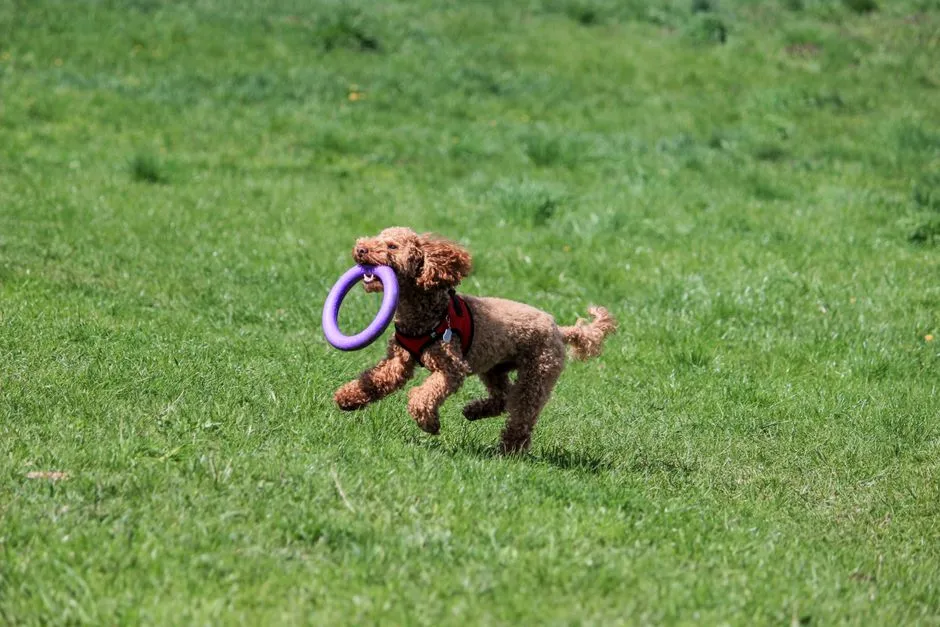
A squeaky toy is a small object with an outsized impact on a dog’s inner world. It connects them to something ancient, gives their brain a chemical reward, offers a social signal, and provides a genuine mental workout all at once.
It all comes down to instinct, brain chemistry, and the pure joy of making things happen. Those squeaks trigger a dog’s predatory drive, provide instant feedback, and release feel-good chemicals in their brain. That’s a lot of work for something that costs a few dollars at the pet store.
Understanding what’s actually happening when your dog lights up over a squeaky toy makes the whole thing feel less random and more like a window into who they really are. Worth remembering next time you’re woken up at seven in the morning by that unmistakable sound.
AI Disclaimer: This article was created with the assistance of AI tools and reviewed by a human editor.