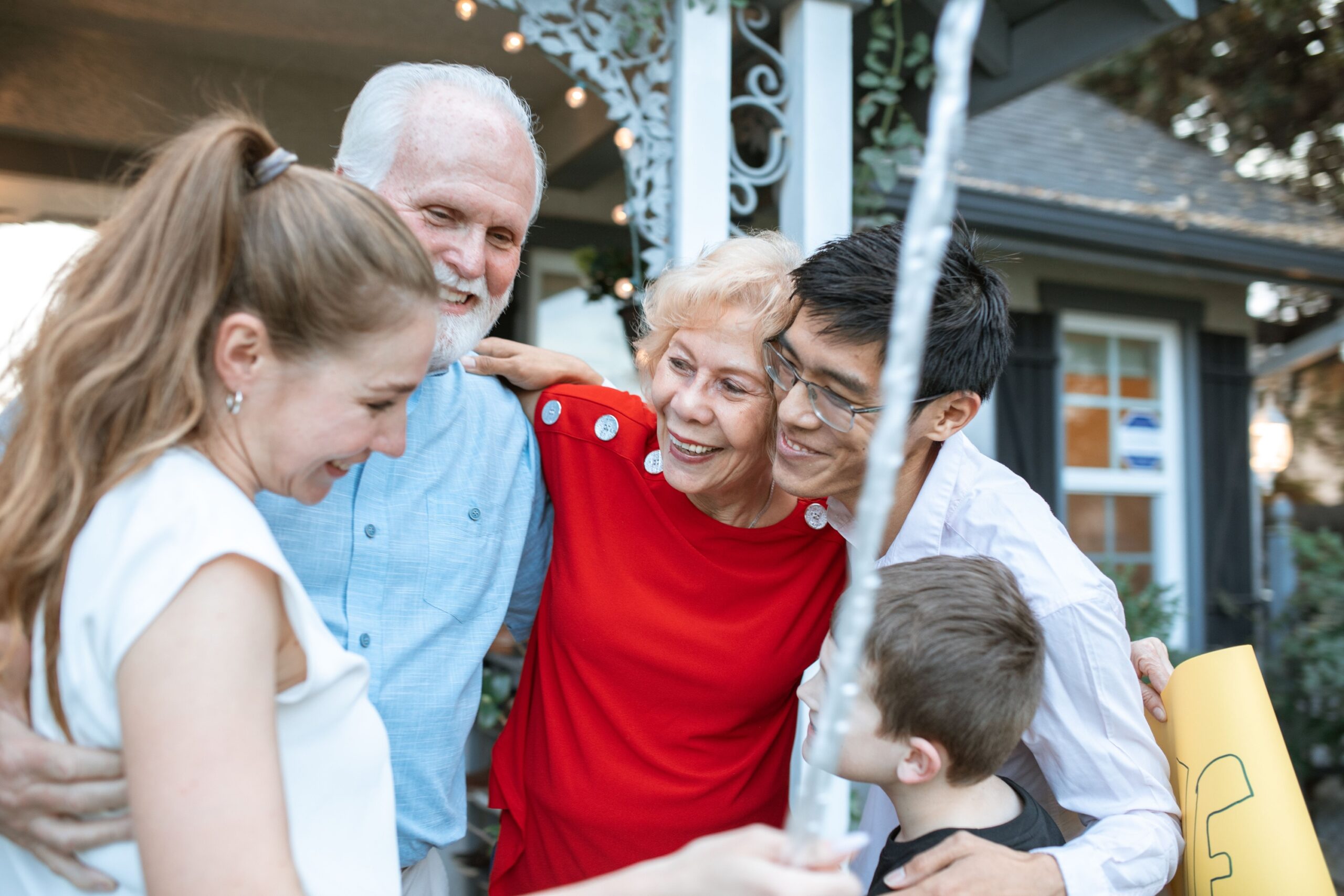

Holiday dinners carry a particular kind of weight. The table is set, the food is warm, and the house is full of people – yet for many grandparents, the room can feel surprisingly empty. It’s not about the number of chairs. It’s about whether the people in them are truly present with one another.
This experience is more common than most families realize. The gap between a festive gathering and a genuinely inclusive one is often invisible to the younger generations sitting across the table, even when it’s deeply felt by the older ones. Understanding why this happens is the first step toward doing something about it.
The Numbers Tell a Quiet Story
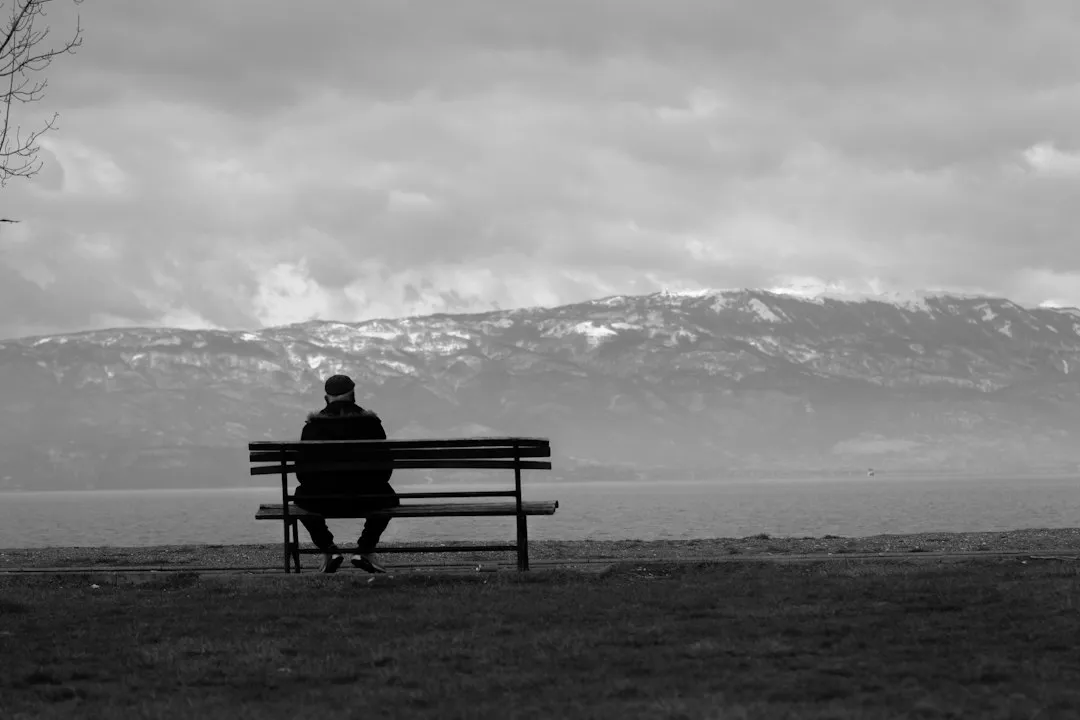
The latest data show that in 2024, roughly one in three older adults felt lonely some of the time or often in the past year, about the same rate seen back in 2018. That number doesn’t vanish at the holidays. If anything, it gets louder. Studies indicate that at least thirty percent of seniors will experience loneliness around the holiday season.
According to the National Institute on Aging, about forty-three percent of adults over sixty regularly experience loneliness, an emotional state that becomes particularly profound during the holidays when typical celebrations and travel plans can unintentionally leave seniors behind. These aren’t edge cases or isolated situations. This is a widespread, measurable reality.
Feeling Distant from Grandchildren
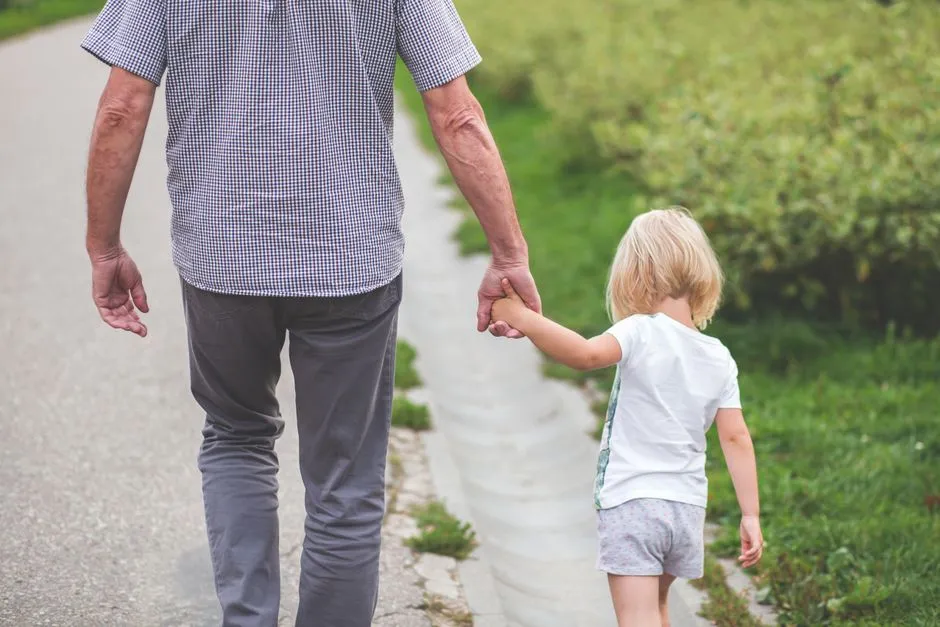
A survey of ten thousand grandparents found that more than half said they felt distant from their grandchildren, and a further thirty-nine percent reported this leaves them with feelings of loneliness. Holiday dinners, ironically, can make this feeling worse rather than better.
When the whole family is finally in one room and a grandparent still feels disconnected from their grandchildren, it hits differently than an ordinary Tuesday. Much of the pain of feeling excluded comes from the gap between what grandparents expected and what grandparenting actually is. Expectations meet reality at the dinner table, and the contrast can sting.
Conversations That Simply Move Too Fast
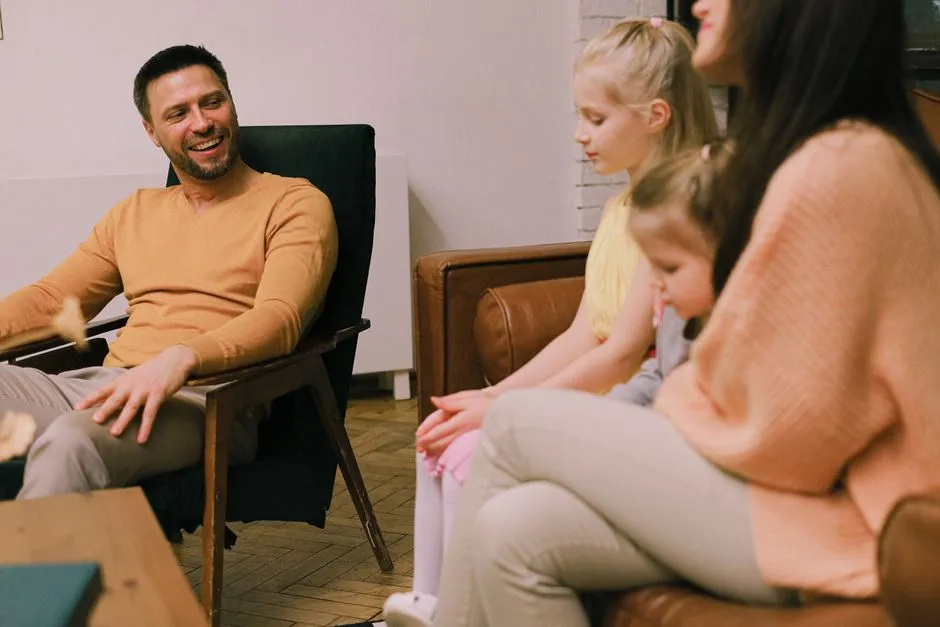
Something quietly painful happens when the older adults who helped establish family traditions stop being part of them. It happens in moments: people talk around them, talk over them, move faster than they can respond, or assume they’re no longer interested in certain conversations or decisions.
This isn’t always deliberate. Younger family members are often just caught up in their own threads of conversation, distracted by phones, or managing children of their own. Some elders respond by simply shrinking back. That quiet withdrawal is easy to miss when a room is noisy and busy.
Physical Limitations That Go Unnoticed
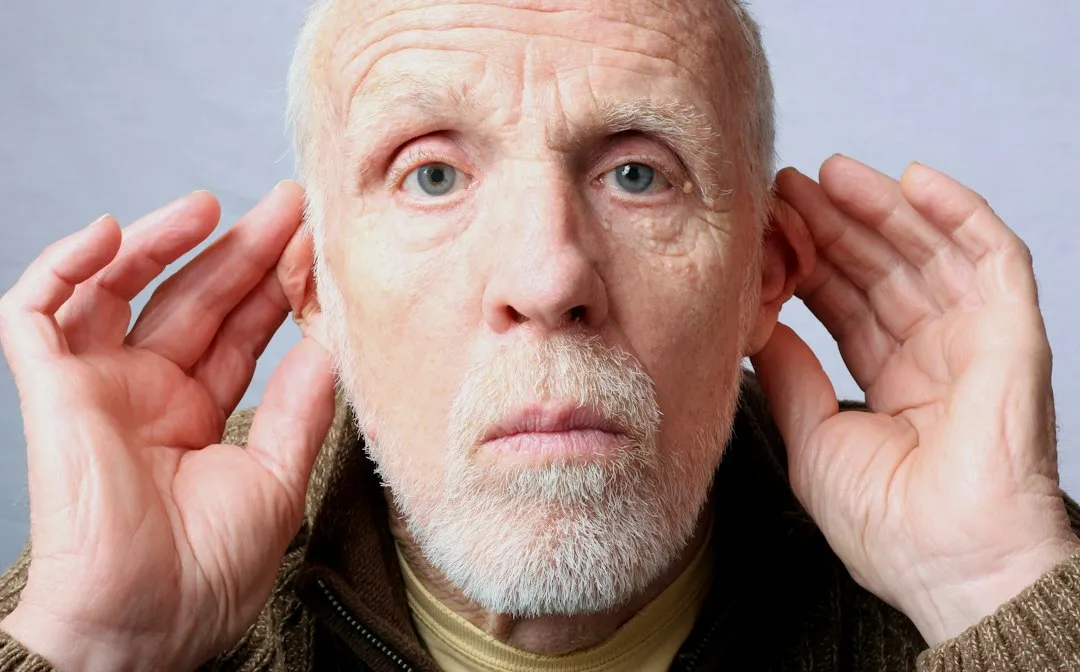
Age-related functional difficulties may discourage older adults from participating in social activities. Hearing loss and memory impairment can make it difficult to hear and track conversations, making participation in group social activities daunting, and older adults who no longer drive or have mobility limitations may be unable to travel to holiday gatherings at all.
A crowded dinner table with multiple conversations happening at once can be genuinely overwhelming for someone with moderate hearing loss. What looks like disengagement from the outside is often a quiet, exhausting effort just to follow along. Families rarely account for this without prompting.
The Loss of the Hosting Role
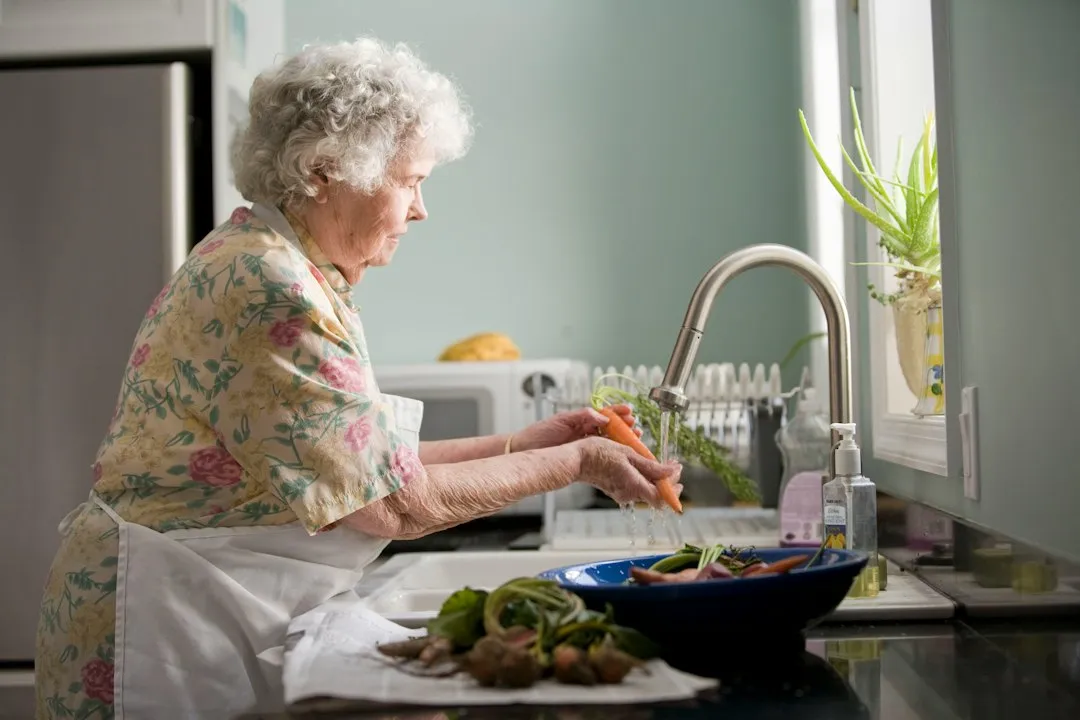
For generations, many grandparents were the ones who organized, cooked, and presided over holiday meals. That role carried meaning well beyond logistics. When the hosting passes to adult children, as it naturally does, grandparents can feel like guests in a tradition they once anchored.
Considering how to purposefully engage older loved ones as active contributors rather than merely as attendees matters. Whether through baking, decorating, preparing a dish, or wrapping gifts, shifting someone’s role from passive to active can make a meaningful difference. Without that deliberate effort, grandparents often end up sitting and watching rather than participating.
Grief and the Ghost of Holidays Past

Grief and loss can lead to feelings of isolation even in people with strong social support networks. For many grandparents, the holiday table is also a reminder of who is no longer there: a spouse, siblings, or lifelong friends whose absence grows more noticeable each year.
Widowed, divorced, or childless individuals may feel the pain of loneliness more acutely during the holidays. A grandparent who lost their partner in the past year is sitting at that table carrying grief that the rest of the family may not know how to acknowledge, or may awkwardly avoid altogether.
Living Far Away Makes It Worse
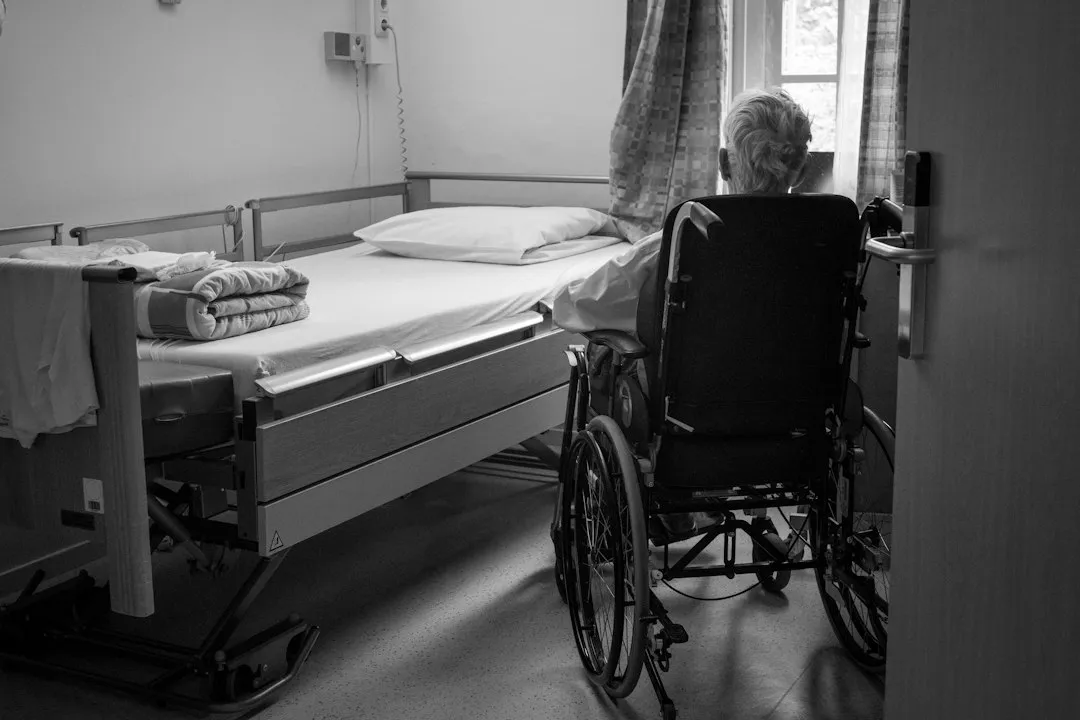
The holiday season can be especially difficult for seniors who may feel isolated due to living far from family, losing loved ones, or being homebound with chronic health conditions. When families are geographically scattered, holiday gatherings become rare, and the pressure on each visit to be meaningful is high.
The holidays many envision, with family dinners, laughter, and multi-generational fun, can be hard to match for elders who live apart from family or have experienced recent losses. According to the American Bar Association, at least one in four older adults lives alone, which increases their risk of isolation. Distance isn’t just physical. It accumulates emotionally over months between visits.
The Health Cost Nobody Talks About at the Table
According to a 2023 advisory from the U.S. Surgeon General’s office, experiencing a lack of social connection carries a significant risk to health and longevity. Loneliness and social isolation can increase the risk for premature death as much as smoking up to fifteen cigarettes a day.
A 2024 study published in JAMA Network Open revealed that increased isolation was associated with an increased risk of mortality, disability, and dementia. These are not minor concerns. When a grandparent feels chronically left out of family life, the consequences extend far beyond hurt feelings.
The Shrinking Social Circle
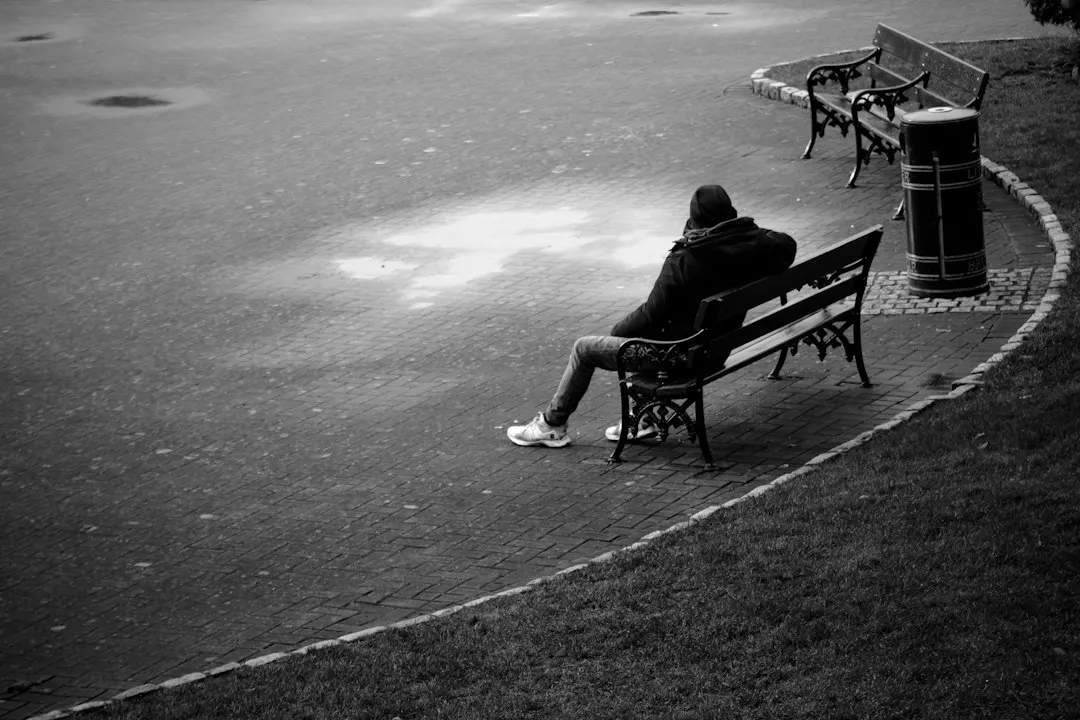
According to AARP’s 2025 survey using the UCLA Loneliness Scale, forty percent of adults aged forty-five and older were classified as lonely, up from thirty-five percent in both 2010 and 2018. That upward trend reflects a broader erosion of community connection among older adults, not just within families.
Among adults sixty and older, community participation has dropped significantly: the share who volunteered in the past year fell from forty-seven percent in 2010 to thirty-three percent in 2025, and those attending religious services monthly dropped from fifty percent to thirty-seven percent. As those outside anchors weaken, family gatherings become even more important to older adults, raising the stakes when those moments fall short.
What Families Can Actually Do
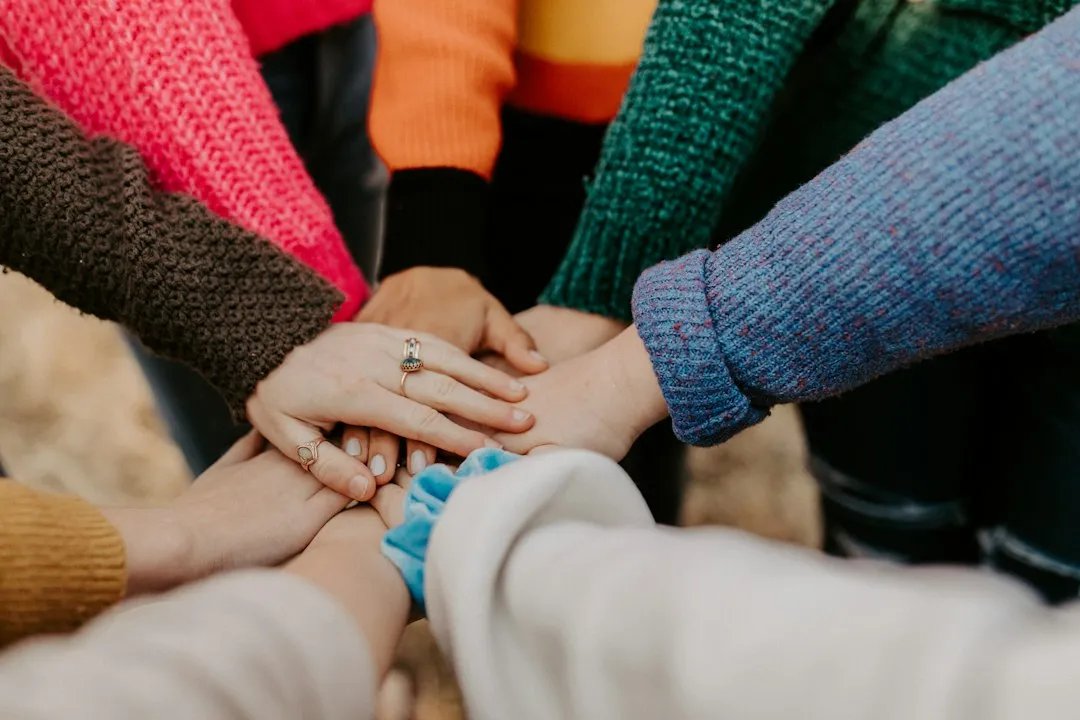
Inclusion doesn’t require a complete redesign of how a family gathers. Often it’s smaller than that: asking a grandparent to share a specific memory, involving them in a task before the meal, or simply making sure someone is sitting beside them who is genuinely engaged in conversation.
One in three older adults report lacking meaningful interaction regularly, and this feeling is magnified when they’re not included in holiday events. Meaningful interaction doesn’t have to be long or formal. A real conversation, unhurried and attentive, is often enough to shift the emotional tone of an entire evening for an older guest.
A Closing Thought
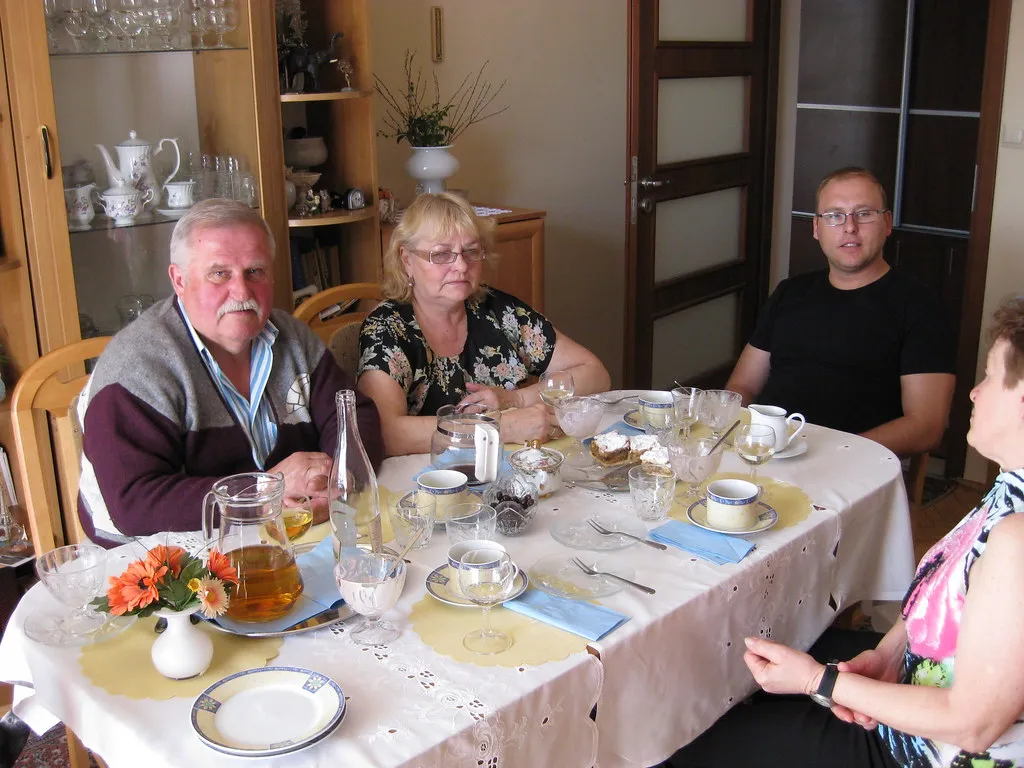
The problem isn’t that families stop caring about their grandparents. Most don’t. The problem is that care and inclusion aren’t the same thing. A grandparent can be loved, fed, and physically present at a table and still feel invisible.
The stories elders carry are family history delivered in real time, not something anyone can look up later. The celebration is always richer when the people who helped build the family are fully part of the joy. That’s worth remembering before the next holiday season arrives, not after it’s over.
AI Disclaimer: This article was created with the assistance of AI tools and reviewed by a human editor.