

The Taste Bud Biology Behind the Shift
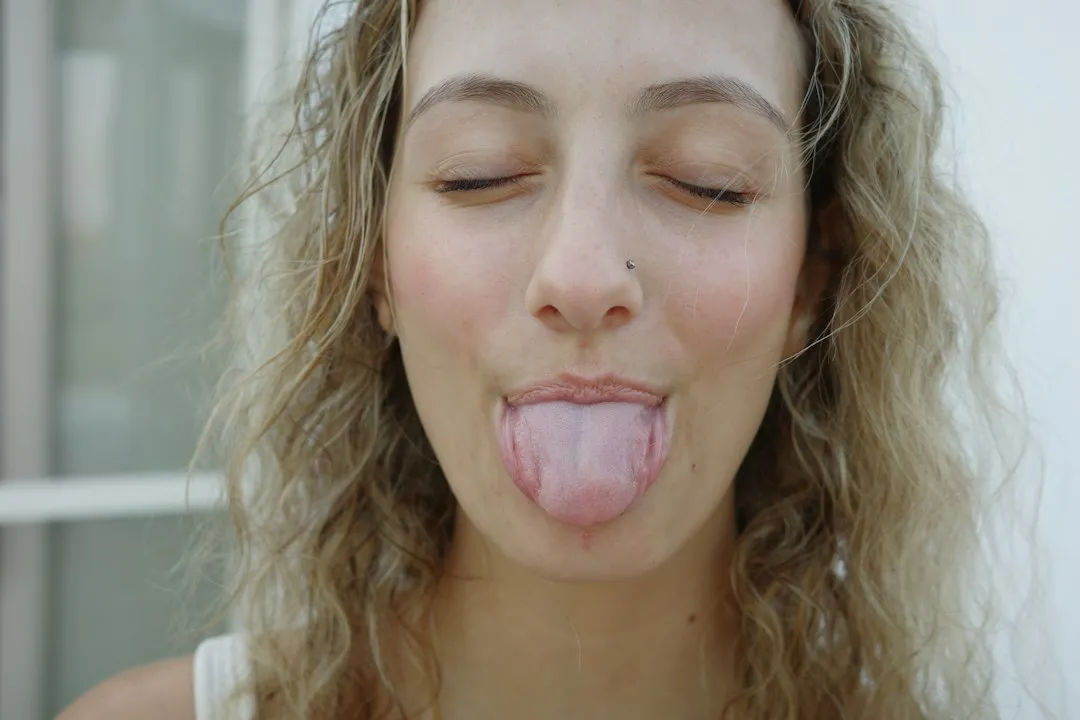
The number of taste buds decreases as you age, and each remaining taste bud also begins to shrink. In younger adults, taste buds replace themselves roughly every two weeks, housed inside tiny bumps called papillae that are constantly regenerating. That regeneration slows down significantly with age. In fact, some taste buds may not regenerate at all.
Sensitivity to the five basic tastes often declines after age 60. The structural changes on the tongue compound this problem. Reduced salivary function and atrophy of tongue papillae, resulting in a smoother appearance of the dorsal tongue associated with aging, may affect the perception of salty taste in older adults.
Which Flavors Fade the Fastest
Not every taste declines at the same rate. A 2024 meta-analysis in Frontiers in Oral Health compared taste thresholds between younger and older adults and found that sweet, salty, and umami perception all declined significantly, with older adults needing noticeably higher concentrations of sugar or salt to detect those flavors at all.
A systematic review confirmed a decline in taste perception in elderly individuals compared to adults for sweet, salty, and umami flavors. Sour and bitter, interestingly, tend to hold up better. The most significant increase in taste recognition thresholds among older adults is for sour and bitter flavors, while the ability to perceive salty, sweet, and umami tastes tends to decline with age.
The Salt Threshold Problem
Increasing age is associated significantly with declining salt taste sensitivity. This isn’t a gradual, barely noticeable slide. Research has found that the gap between how older and younger people perceive saltiness can be substantial. One researcher found that the magnitude of salt perception decline varied from roughly three-fold to more than twenty-fold, depending on the type of sodium salt used.
Older adults do not take longer to recognize a salty taste, but their perception of taste intensity slowly increases and yet remains lower than that of young adults. In practical terms, a meal that tastes adequately seasoned to a 30-year-old can taste entirely bland to someone at 75. A recent study confirmed that to counteract the decline in their ability to taste salt, older adults frequently boost their consumption of salty food.
Why Older Adults Reach for the Salt Shaker
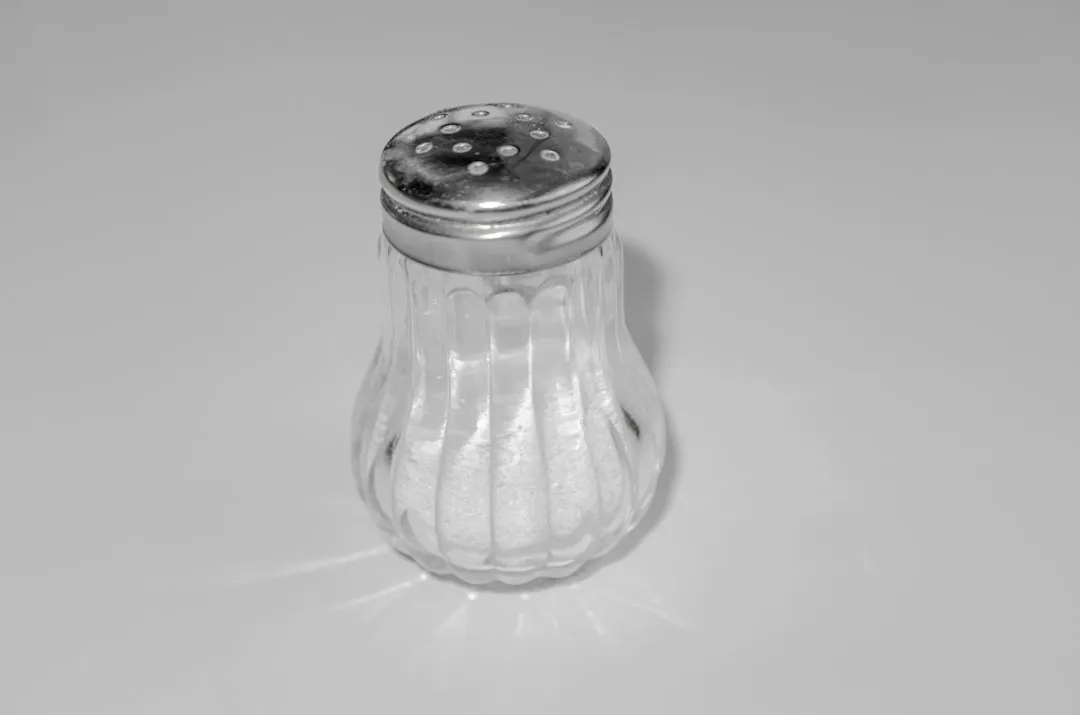
Changes in chemosensory perception may result in maladaptive food behavior, such as the addition of more salt to achieve the same taste intensity. A decline in taste sensitivity from aging leads people with a higher salt threshold to frequently add more salt to their food.
Older adults do not take longer to recognize a salty taste, but their perception of taste intensity remains lower than that of young adults, suggesting that older adults should be aware of the tendency to add more salt to their food to compensate for their low perceptions of salty taste. It becomes a reflex, not a conscious choice. The food tastes wrong, so they fix it the only way that seems to work.
Smell Loss: The Hidden Driver
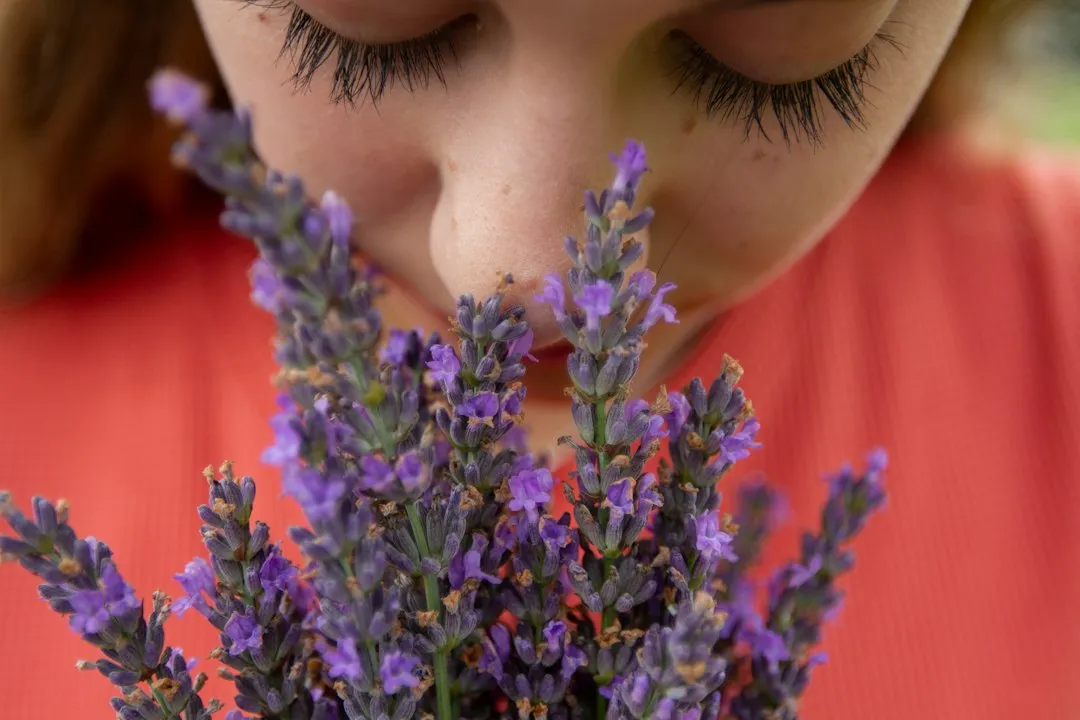
As we age, the nerves in our nose lose sensitivity, leading to a diminished ability to smell. If you can’t smell your food or it smells different than it used to, it will also taste different. This is a point that often gets overlooked. Much of what we experience as “flavor” is actually smell, processed simultaneously with taste signals in the brain.
More than three-fourths of people over 80 have major difficulty identifying and perceiving odor, and the losses can be dramatic. When smell goes, perceived flavor intensity drops sharply, leaving people more dependent on the basic tastes that remain, most notably saltiness. Taste does fade with age, but smell loss and medications play a bigger role than taste buds alone.
Medications That Make It Worse
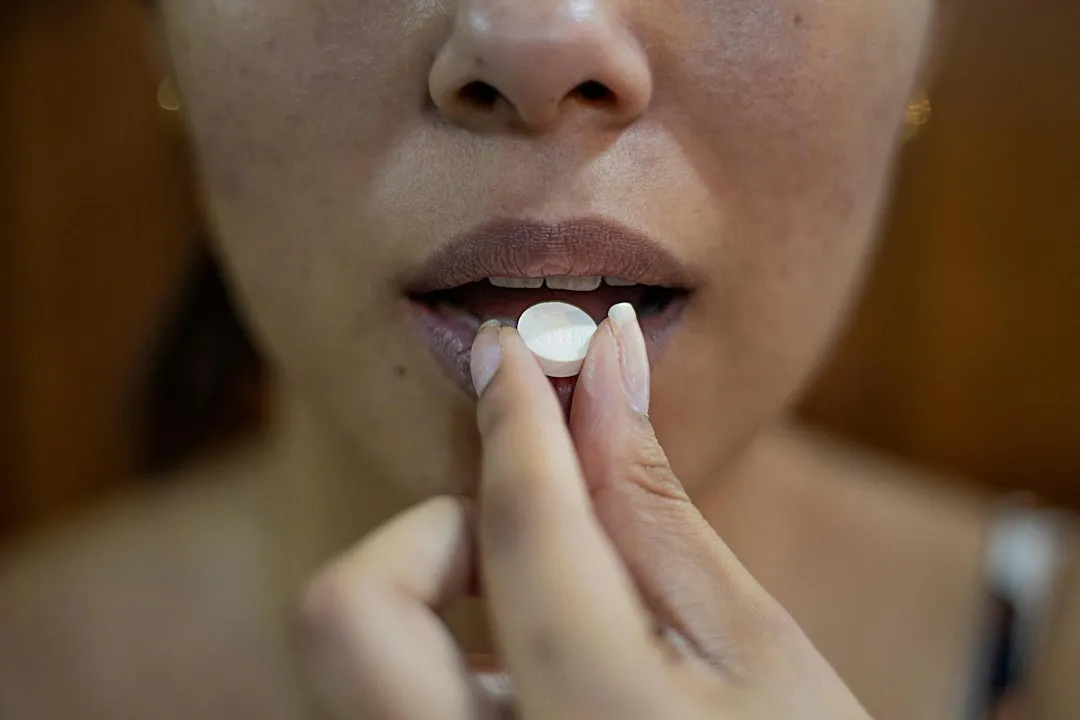
More than 250 medications are known to affect taste or smell, and older adults tend to take more of them. This is a significant compounding factor that is easy to underestimate. Blood pressure medications, also called ACE inhibitors, can change taste sensitivity and leave a metallic, bitter, or sweet taste in the mouth, while antidepressants and antihistamines can dry out the mouth and make it harder for flavors to reach the taste buds.
Anticholinergic medications deserve special mention because they reduce saliva production. Saliva is essential for dissolving food molecules and carrying them to taste receptors, so a dry mouth doesn’t just feel uncomfortable; it directly blunts your ability to taste. For older adults managing multiple conditions simultaneously, this medication-driven taste disruption can be more pronounced than the biological aging process itself.
The Role of Saliva in Taste Perception

Taste decline and taste loss are strongly related to reduced saliva because decreased saliva impairs the arrival of tastants to the taste pores and microvilli of taste buds, and also impairs taste receptors through a decrease in organic components contained in saliva.
The mouth produces less saliva as you age, which can cause dry mouth and affect your sense of taste. Chronic dry mouth, which affects a large proportion of older adults, directly reduces taste perception. It’s a cycle that’s difficult to break without addressing both the dryness and its underlying causes.
The Salt and Blood Pressure Risk
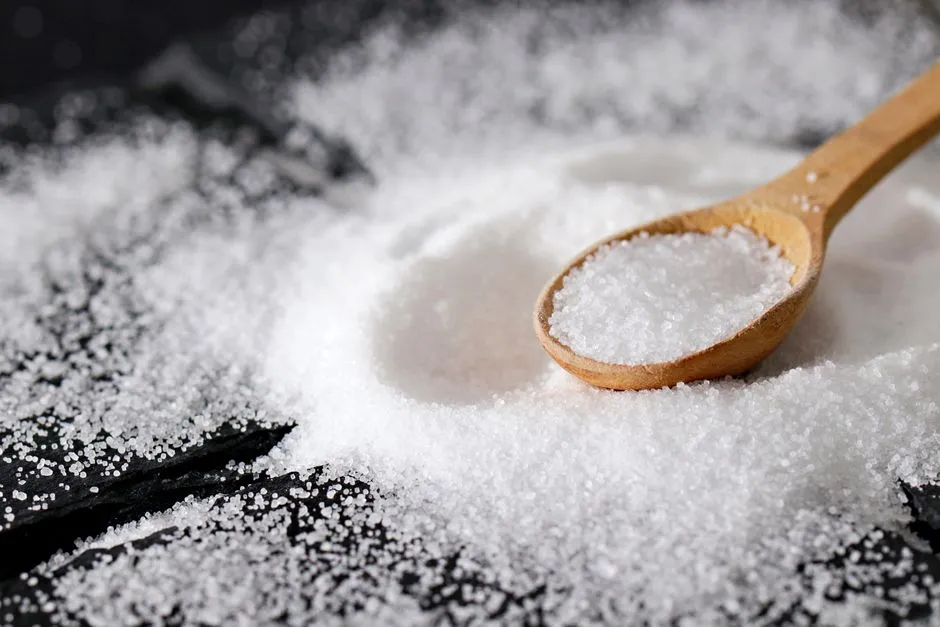
Loss of salt perception can cause hypertensive patients to inadvertently eat too much salt. Compared to younger people, some older adults taking medications required as much as twelve times the amount of salt in order to taste it, making them at greater risk for stroke and high blood pressure.
Losing your sense of taste can have a significant impact on health, contributing to problems like high blood pressure and diabetes, and when eating is no longer enjoyable it can lead to weight loss and malnutrition, particularly in the elderly. The act of oversalting, which feels like a reasonable fix to a bland meal, quietly raises cardiovascular risk over months and years.
Taste Loss, Nutrition, and Mortality Risk
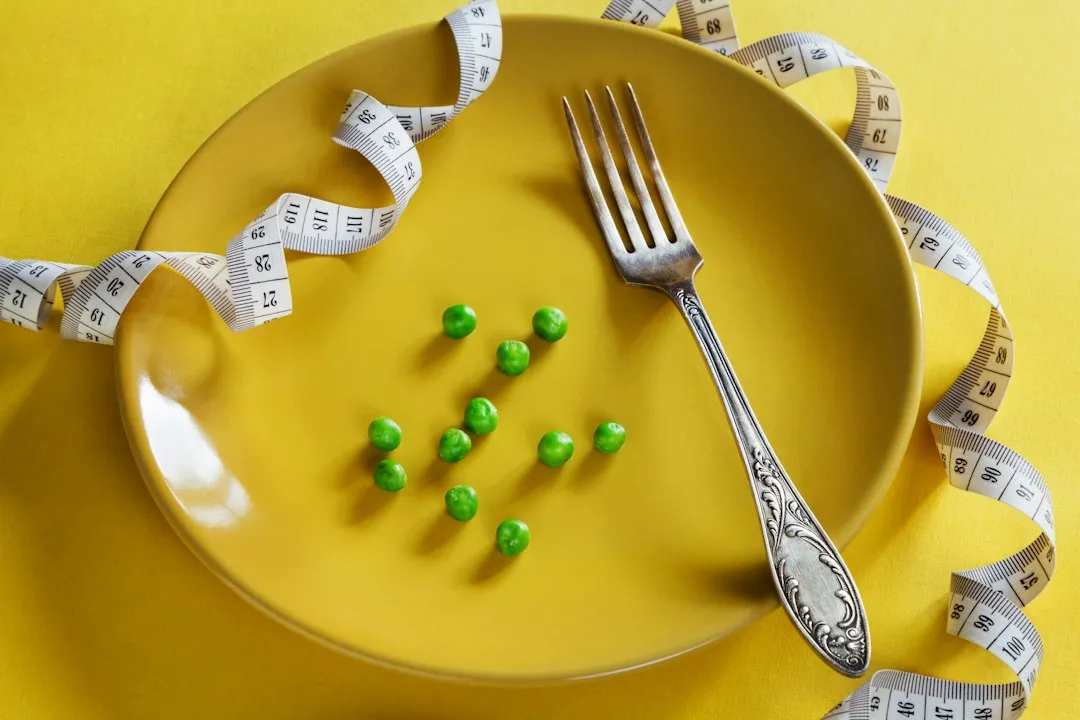
In a cohort study of over 7,000 US adults aged 40 and older, subjective perception of taste loss from early adulthood to mid to late adulthood was associated with a 47% higher risk of all-cause mortality. That finding is striking. Taste loss is far more than a quality-of-life inconvenience.
People with dulled taste tend to eat less, skip meals, or gravitate toward heavily sweetened or salted options that feel like they have some flavor, and over time this leads to lower calorie intake, unintentional weight loss, and imbalanced diets. Zinc deficiency, which can result from poor intake, doesn’t just dull taste further; it can also suppress appetite, slow wound healing, and weaken the immune system, creating a cycle where taste loss leads to reduced food intake, which deepens the nutritional deficit, which worsens taste loss further.
What Can Actually Help
Taste decline in older adults can lead to consequences for nutrition, and in a super-aging society, improving taste decline and maintaining taste sensation are crucial for the wellbeing of older adults. There are practical approaches worth discussing with a doctor or dietitian. Reviewing medications for taste-related side effects is a reasonable first step, since switching to a different medicine, if the current one is affecting taste and smell, is worth discussing with a provider.
Certain medicines, such as antibiotics, antihistamines, and those for high blood pressure, depression, and bladder-control issues, can cause dry mouth, which alters the taste of food and can make it hard to swallow. Beyond medication review, using herbs, citrus, and umami-rich ingredients can enhance flavor perception without relying on added salt. Addressing and managing the decline in taste perception among older adults can be essential for promoting healthy eating habits and enhancing their quality of life.
The Bigger Picture
The habit of reaching for the salt shaker isn’t carelessness. It’s a physiological response to a real sensory deficit, shaped by aging biology, medication effects, and a quieter loss of smell that most people don’t even register as connected. Understanding the chain of events makes it easier to address the problem with some compassion rather than just restriction.
The inverse association between age and perceived taste intensity, along with the additional influence of sex and genetic factors, gives rise to large inter-individual differences in taste perception that should be taken into account for applications in precision nutrition for healthy aging. No single approach fits everyone. What matters is that taste changes in older adults are recognized as a medical reality, not a habit to criticize, and addressed accordingly before they compound into something harder to reverse.
AI Disclaimer: This article was created with the assistance of AI tools and reviewed by a human editor.