
The One Mistake That Causes Most Injuries
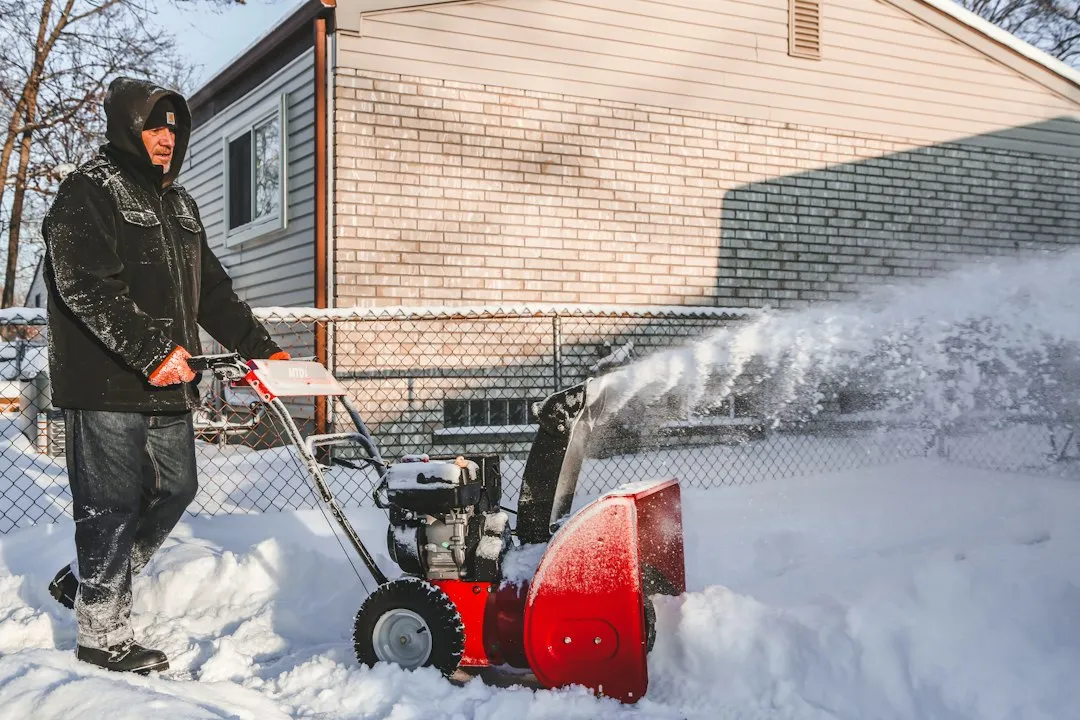
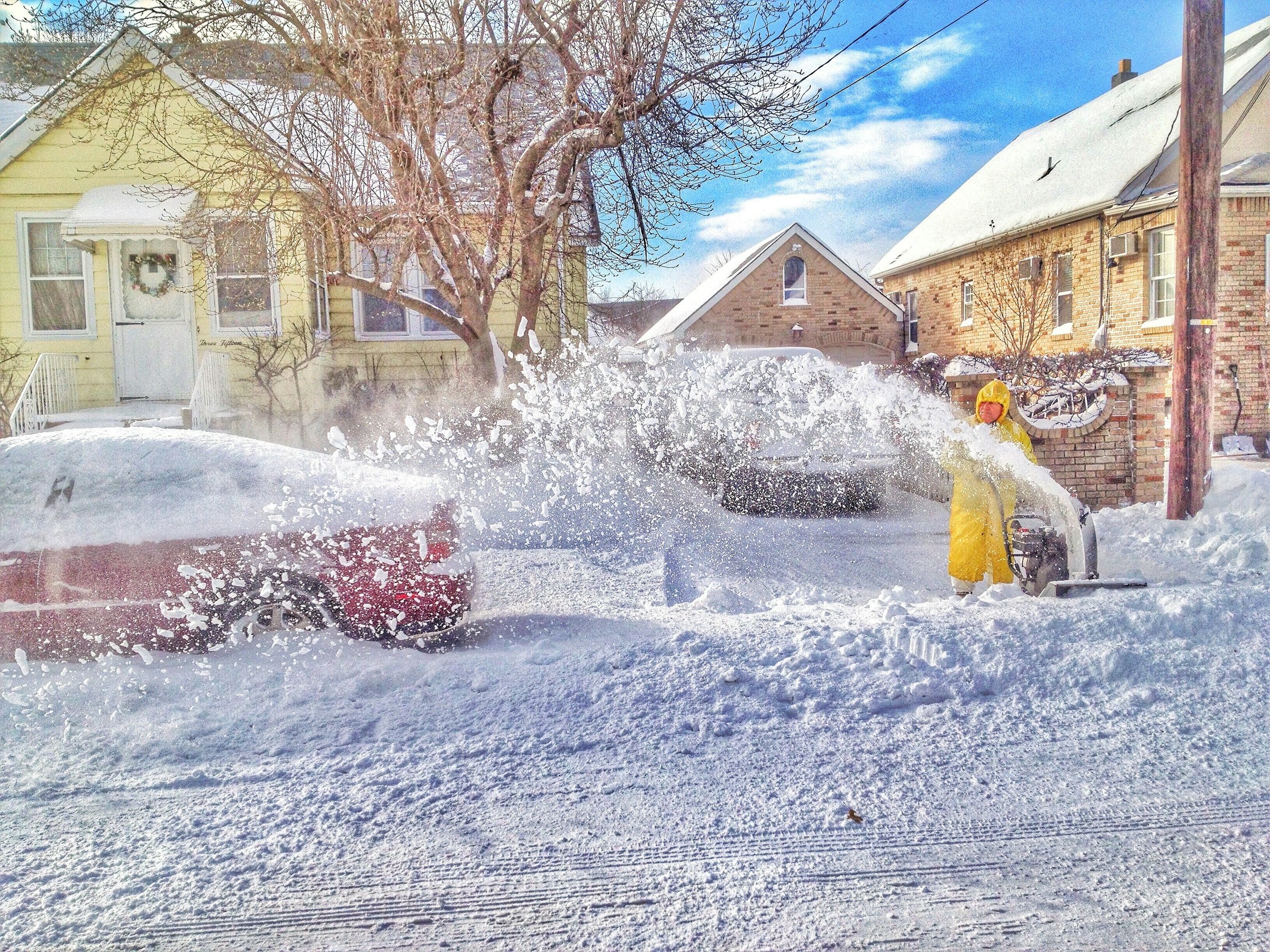
The single most dangerous thing a snow blower operator can do is reach into the discharge chute with their bare hand. The CPSC is explicit: do NOT try to clear snow from the discharge chute of a snow blower with your hands, because this is when most snow blower injuries happen.
Research published on the mechanism of injury confirms that placing the hand into the chute accounts for nearly forty-five percent of all snow blower hand injuries. Slips and falls, medical events, and other causes trail far behind. The clog-clearing reflex is, by a wide margin, the leading culprit.
How Big Is the Problem, Really?
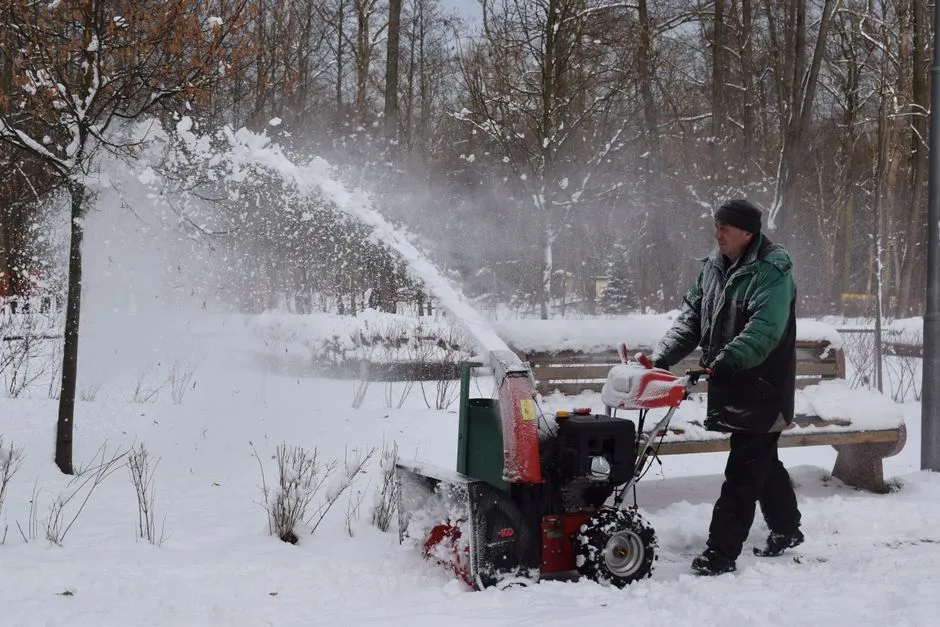
According to the CPSC, in one recent year there were over 4,700 snow blower-related injuries treated in the ER, with thirty-six percent of those injuries to the wrist, hand, or finger. That’s well over a thousand hand injuries from a single winter season alone.
According to one study, an estimated 91,451 people sought emergency room treatment for snow blower-related injuries from 2003 through 2018. These aren’t minor scrapes. The injuries documented in that period include fractures, deep lacerations, and amputations that permanently changed people’s lives.
Why the Auger Is So Dangerous Even When Off
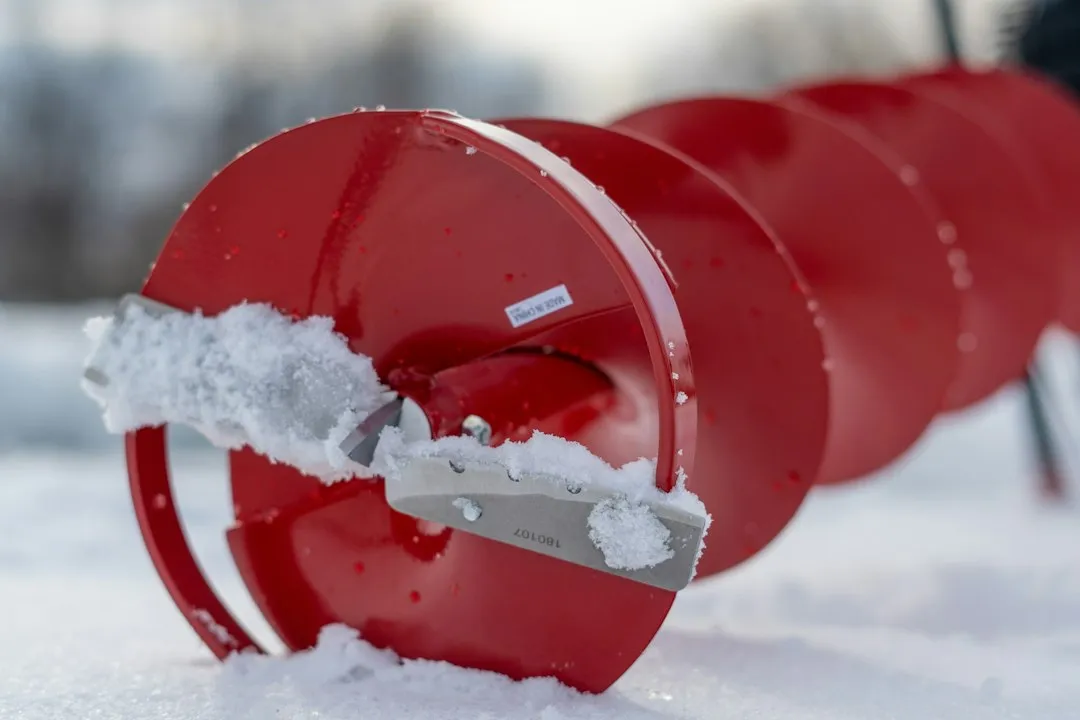
If the snow blower becomes stuck due to an abundance of snow accumulating in the machine, the blade may store up rotational force and rotate briefly once the obstruction of snow is cleared, thereby increasing the risk of injury. Most people have no idea this is happening.
Even after a machine is turned off, the momentum of the auger or residual torque within the auger alone can result in injury. A clogged auger will still have some residual energy in it that can trap and cut your hand, which is why you should always use a clearing tool, a stick, or a broom handle to remove the jam from the snow blower chute and auger.
The Severity of These Injuries
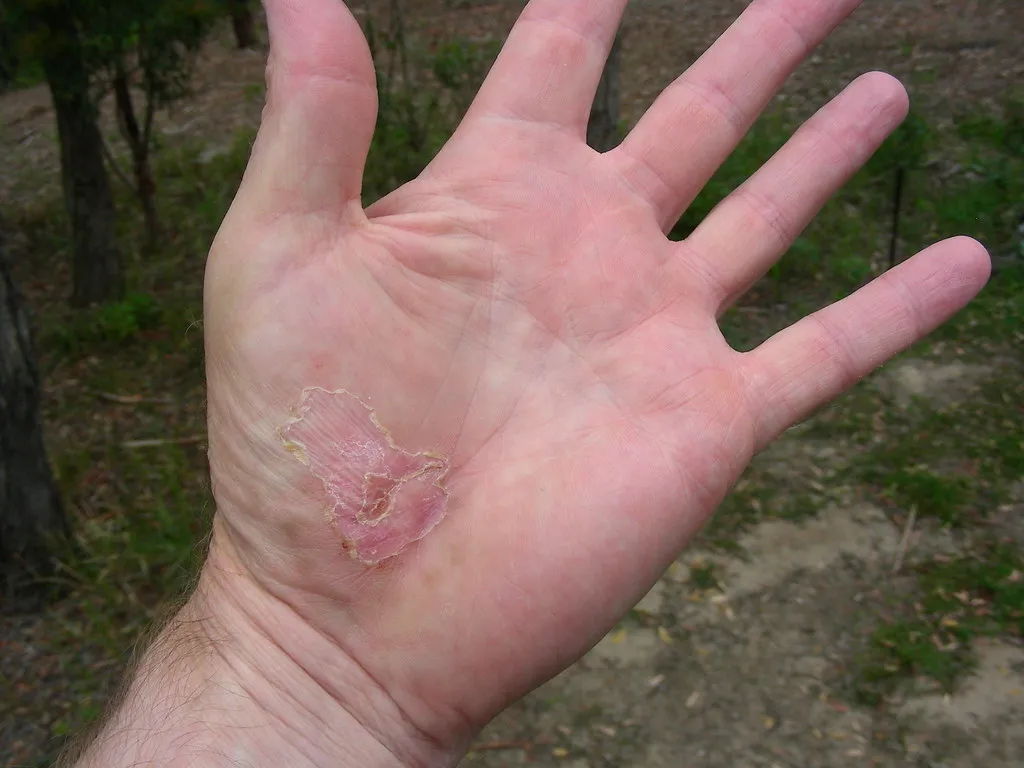
Amputations, fractures, and avulsions account for almost seventy percent of all hand injuries associated with unclogging snow blowers, which signifies that problems associated with unclogging snow blowers continue to represent a serious hazard among users.
More than ninety-nine percent of the amputations resulting from snowblower accidents involved the fingers. Among the injury types documented in research, the most common include fractures, lacerations, sprains, and amputations. These are not injuries people bounce back from quickly, if at all.
Who Is Most at Risk
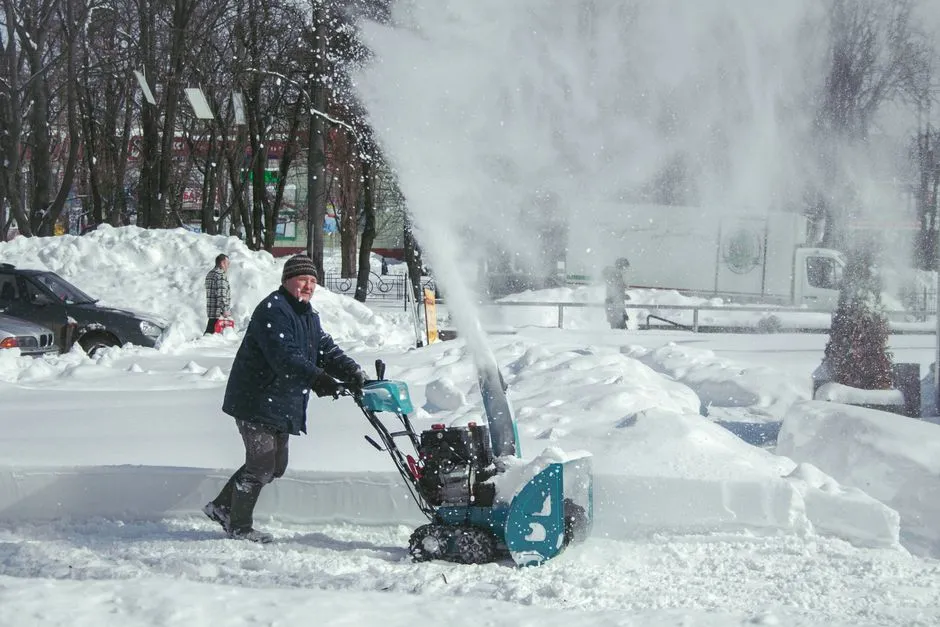
More than ninety percent of ER patients treated for snowblower injuries are men, with an average age of 51. That demographic detail is worth pausing on. It’s not beginners who are getting hurt most often.
Snow blower injuries to the hand are not necessarily caused by operator inexperience or lack of awareness; in fact, experienced operators are more likely to be injured. Familiarity breeds a kind of complacency, and that complacency is exactly what the machine punishes.
Wet and Heavy Snow Makes Everything Worse
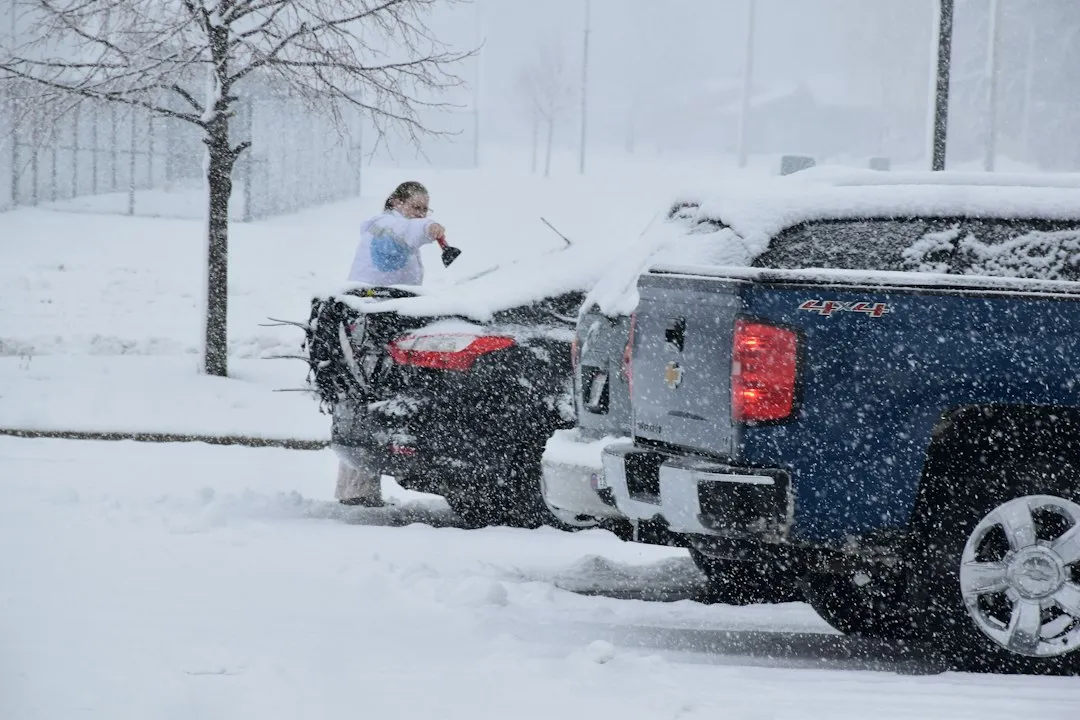
Snow blowers are most likely to clog when the snowfall is wet and heavy. That’s also the kind of snow that tends to fall later in winter storms, when people are tired and rushing to finish the job. Fatigue and wet snow are a bad combination.
Each year, thousands of people suffer serious injuries to their hands, fingers, and backs due to the improper handling of snowblowers, and injuries typically occur when the snow is heavy, wet, or has accumulated several inches. One practical workaround is to clear your driveway in passes during a storm rather than waiting until it’s over, which reduces how much wet, compacted snow the machine has to process at once.
The Hidden Danger in the Discharge Chute
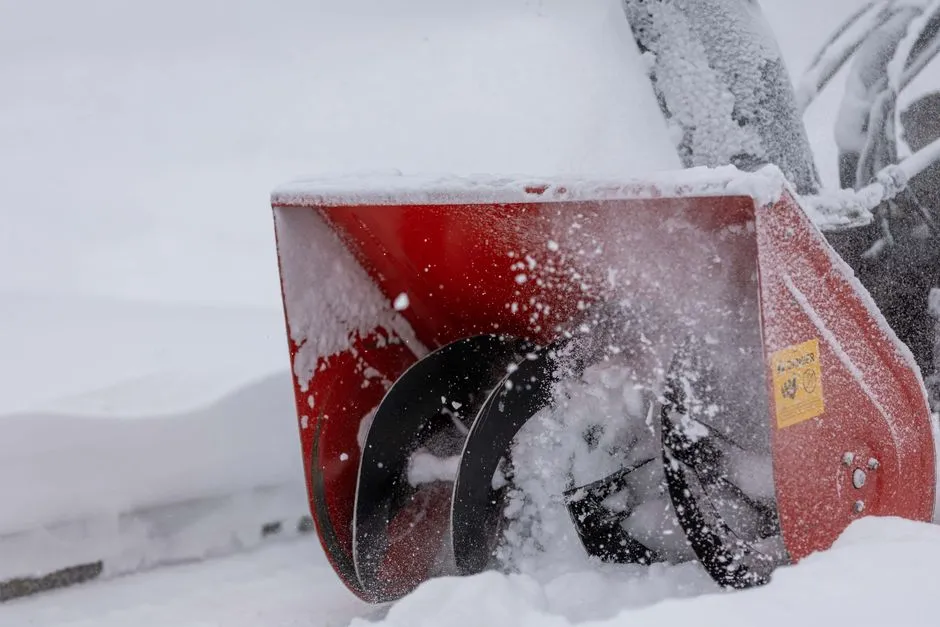
One study found that although individuals were aware not to place a body part in the auger of the snowblower, many were not aware that the discharge chute where the snow is thrown may also have sharp impeller blades that can cause injury. This is a critical gap in public awareness.
On a single-stage snow blower, the auger pulls snow into the machine and directs it out of a discharge chute. On a two-stage snow blower, the auger pulls snow into the machine and feeds it into a high-speed impeller, which in turn directs it out of a discharge chute. Both designs carry live blade risk in the chute, not just at the front of the machine.
Safety Features Haven’t Solved the Problem
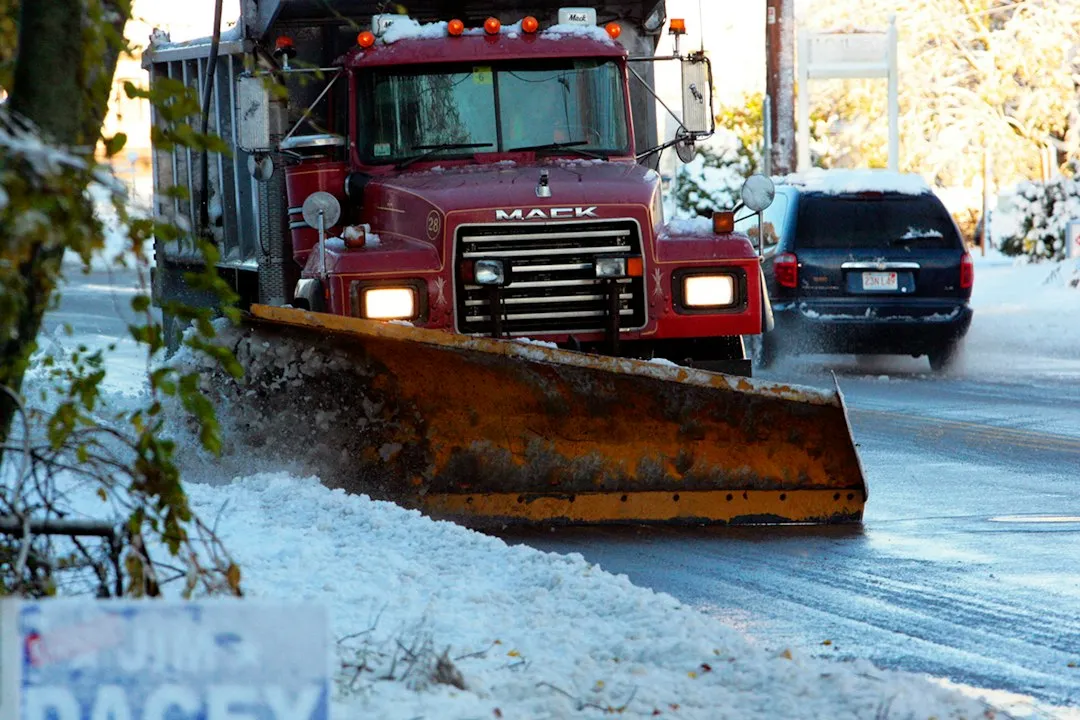
The incidence of snow blower injuries increased from 2001 to 2016, and unlike with other power tools, Consumer Product Safety Commission-mandated guidelines for safer operation and improvements in equipment have not been successful in producing a decrease in the incidence of snow blower injuries to the upper extremity.
Since 1975, a voluntary safety standard set by the American National Standards Institute and Outdoor Power Equipment Institute was implemented that included an operator presence safety control designed to stop the auger blade from moving whenever it was released by the operator. Even so, injuries have continued to climb. The technology helps, but human behavior remains the weak link.
What the CPSC and Surgeons Say You Should Do
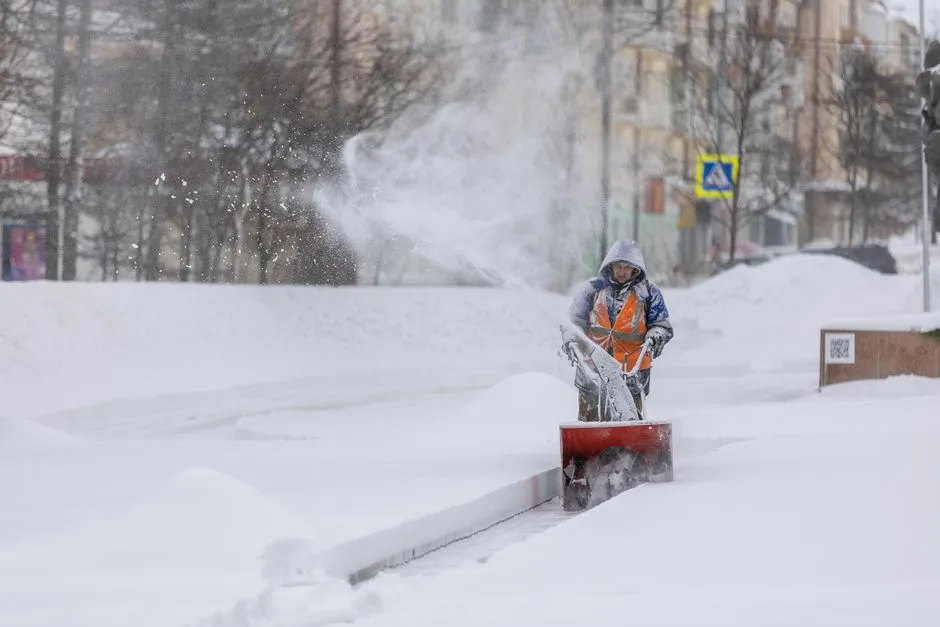
The CPSC recommends stopping the engine and using a long stick to unclog wet snow and debris from the machine, and never using your hands to unclog a snow thrower. Waiting at least five seconds after shutting the machine off to allow impeller blades to stop rotating is also advised before getting anywhere near the chute.
In an effort to improve safety, many manufacturers now include a plastic tool to be used to clear jams, often mounted directly to the snow blower. If yours has one, use it every time. If yours doesn’t, a wooden broom handle works just as well and costs almost nothing.
Children and Bystanders Face Unique Risks
Children under 15 years old should never be allowed to operate a snow blower. Injuries to young children associated with snow blowers run the gamut from finger injuries to lacerations, and in the worst case, strangulations when a child’s clothing gets caught.
A child who runs or falls near a snow blower in operation runs a risk of getting hurt or killed. Keeping children indoors entirely while the machine is running is the only truly safe approach, not just out of reach but out of the area altogether.
Carbon Monoxide: The Other Snow Blower Killer

Hand injuries get most of the attention, but there’s another risk that operators tend to underestimate. Never leave a gas-powered snow blower running in an enclosed area, because the exhaust contains poisonous carbon monoxide, which can kill in minutes.
The CPSC reports 19 deaths since 1992 from using snow blowers, and five deaths were caused by carbon monoxide poisoning because someone left the engine running in an enclosed area. Starting the machine in the garage for even a minute or two is enough to create dangerous concentrations of the gas. Always move the machine outside before starting it.
The Takeaway
Snow blower injuries are almost entirely preventable, and yet the numbers haven’t budged in any meaningful way for decades. The machine hasn’t gotten safer because the behavior hasn’t changed.
The fix is straightforward. Shut the engine off. Wait for all moving parts to fully stop. Use a stick. Every year thousands of people suffer injuries to their fingers and hands because of a lack of knowledge and poor concentration while working, but these serious injuries can be easily prevented with inexpensive safety gear and simple precautions. The auger doesn’t care how experienced you are or how quickly you need to get back inside. Respect that fact, and every winter becomes a much safer one.
AI Disclaimer: This article was created with the assistance of AI tools and reviewed by a human editor.