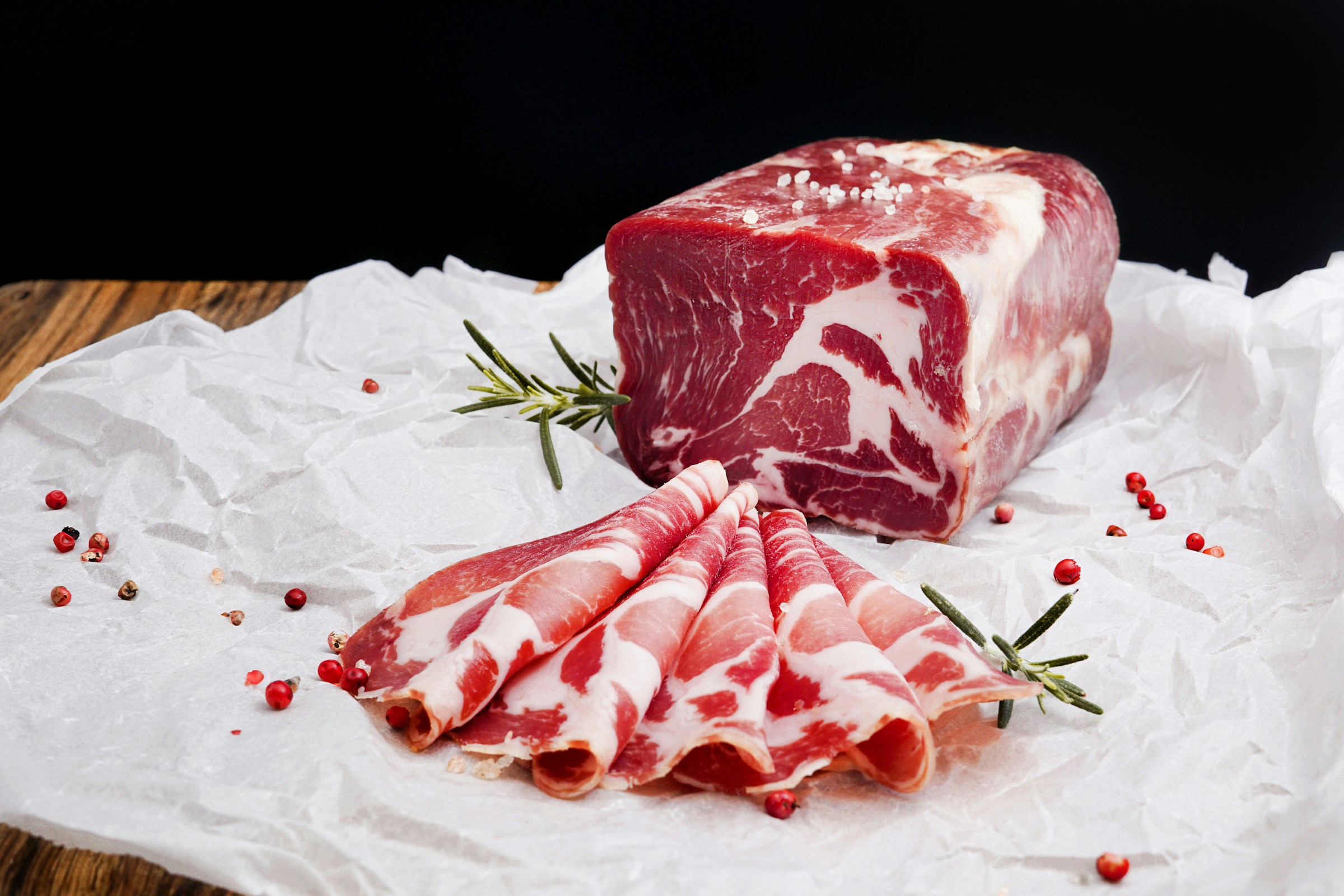

The Two Categories Every Ham Falls Into
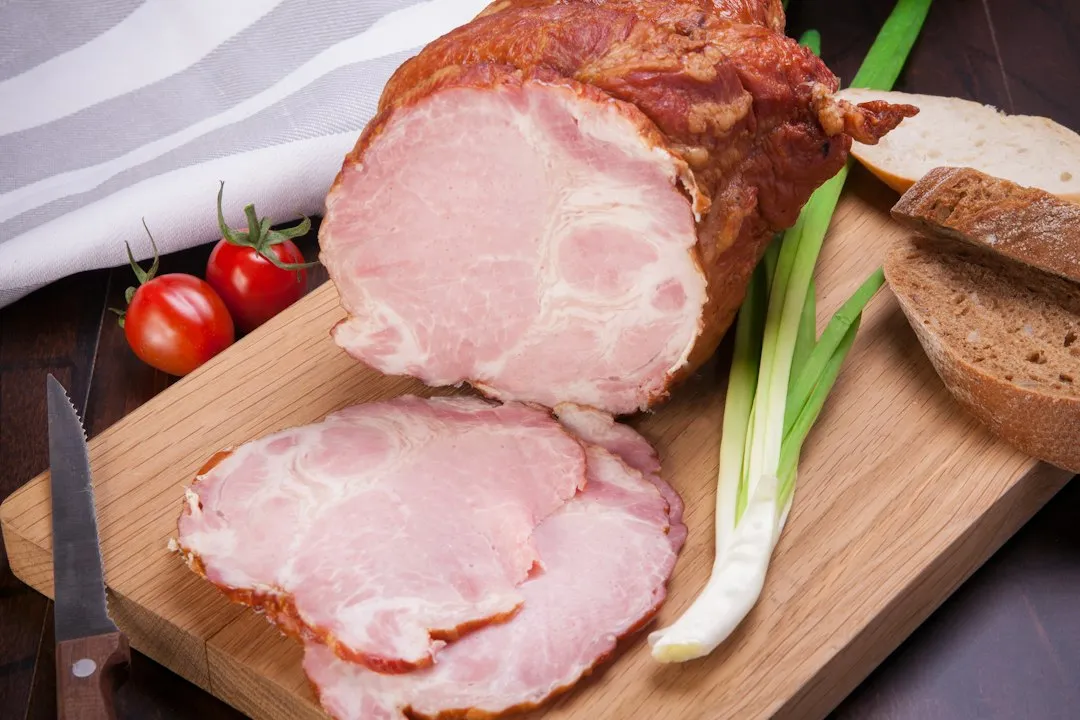
There are two fundamental types of hams: fully cooked and those that need cooking. Everything else you read on a ham package is secondary to that distinction. One type is safe to eat cold right out of the wrapper; the other must be cooked in your kitchen before anyone takes a bite.
Hams are either ready-to-eat or require cooking before eating. Ready-to-eat hams will say “Fully Cooked” on the packaging. That phrase, or something close to it, is the single most important detail on the entire label. Everything else about temperature targets and oven times flows from that one point.
What “Fully Cooked” Actually Means on the Label
“Fully Cooked or Cooked” means the ham needs no further cooking because it was fully cooked at the establishment where it was produced and packaged. Fully cooked is synonymous with cooked. This isn’t a suggestion or a marketing phrase. It’s a federally regulated label term with a specific legal meaning.
Fully cooked hams go through heat treatment at the plant until the meat reaches a safe internal temperature. Labels use terms such as “fully cooked,” “ready-to-eat,” or both. When you see any of those phrases, you’re holding a product that has already been safely cooked before it ever reached the store shelf.
What “Cook Before Eating” Means and Why It Matters
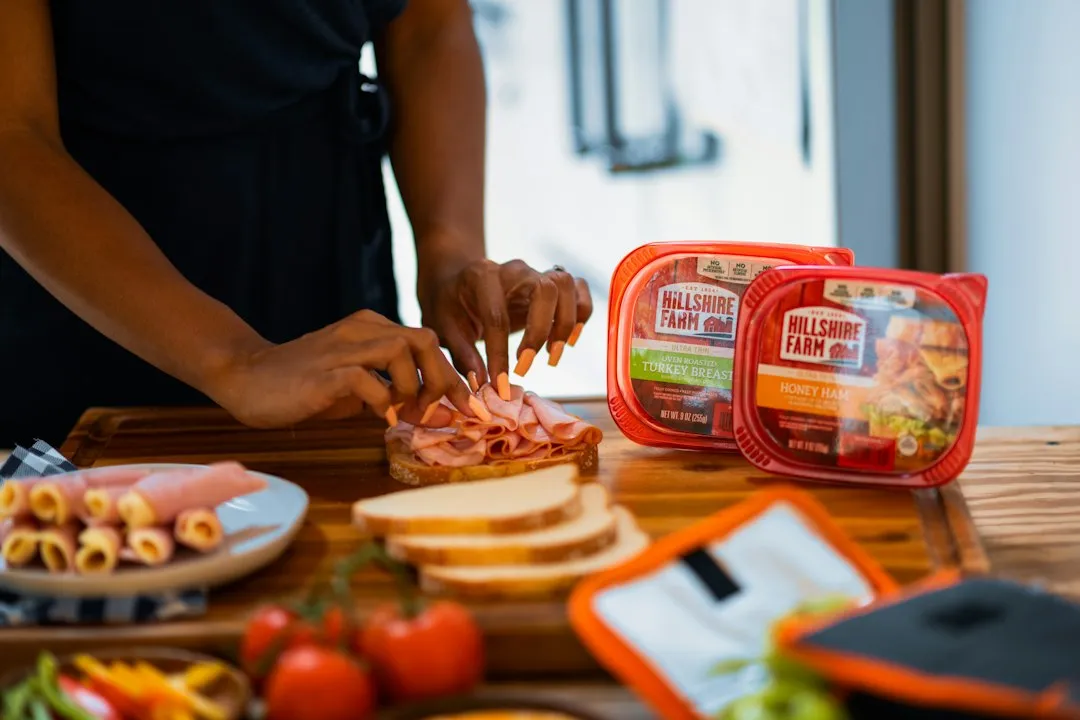
“Cook Before Eating” means the ham needs cooking or further cooking. It is not cooked in the plant or heat treated in the plant and should be cooked to a safe minimum internal temperature. This is the label detail that catches people off guard, because the ham may look pink, smell smoky, and feel firm, yet still be raw inside.
Some hams may look like they are ready-to-eat, but they are not and must be cooked thoroughly before eating. Hams that must be cooked will bear cooking instructions and safe handling instructions. Hams that are not ready to eat, but have the appearance of ready-to-eat products, will bear a prominent statement on the principal display panel indicating the product needs cooking, e.g., “cook thoroughly.”
The Safe Handling Panel Is a Clue in Itself
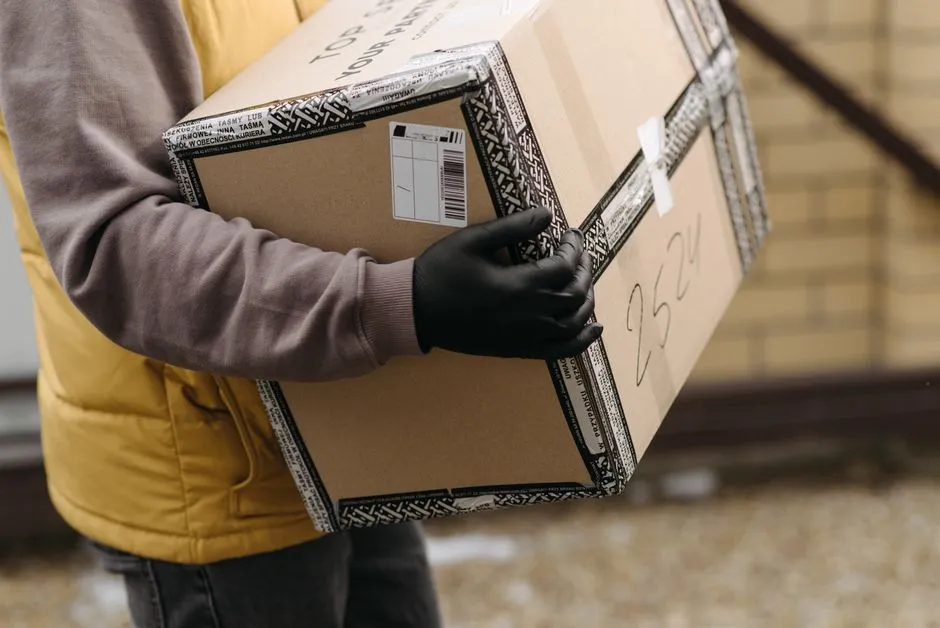
Hams that must be cooked will have cooking instructions and safe handling instructions right on the label, and they must be cooked. If you flip the package over and find a prominent “Safe Handling Instructions” panel with raw meat warnings, that’s a strong signal you’re holding something that needs actual cooking, not just reheating.
Cook-before-eating hams are required to include cooking instructions. Those instructions aren’t there for decoration. They’re a regulatory requirement specifically because the product needs to reach a safe temperature in your home oven before it’s edible. A fully cooked ham, by contrast, typically includes reheating suggestions rather than mandatory cooking directions.
The Internal Temperature Targets Are Different for Each Type
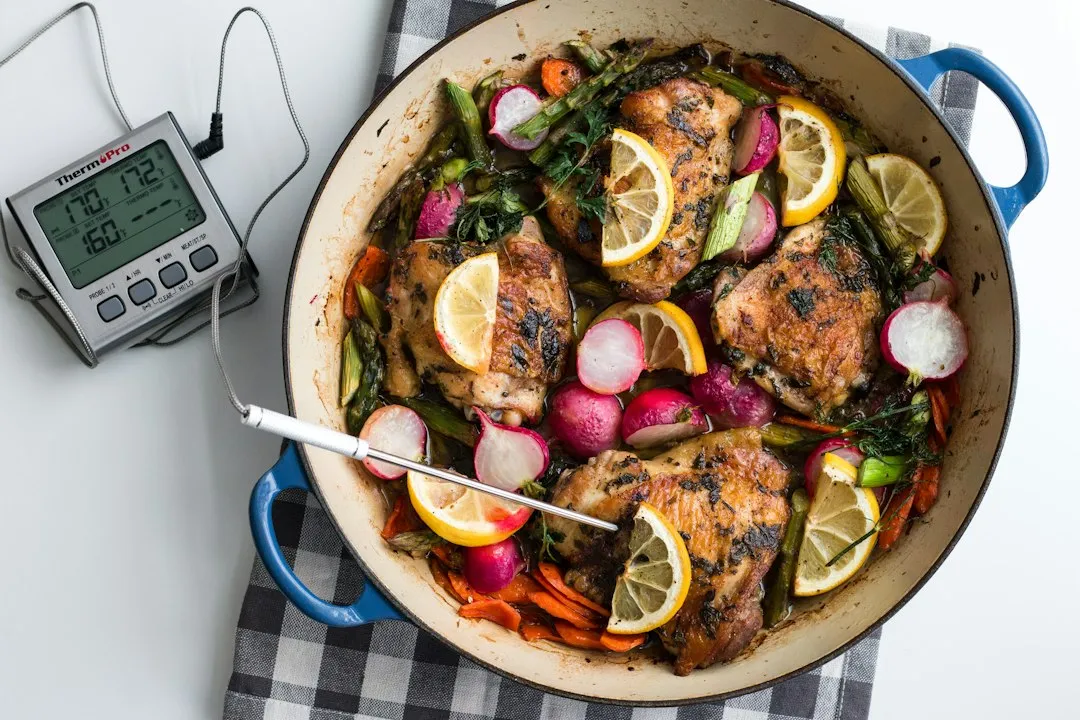
Fully cooked hams can be reheated or safely eaten cold without additional cooking. If reheating, follow manufacturer’s instructions and use a food thermometer to ensure it has reached a safe minimum internal temperature of 140 degrees F. Raw fresh and uncooked hams must reach a safe minimal internal temperature of 145 degrees F with a three-minute rest.
That five-degree gap between 140°F and 145°F may not sound like much, but it represents a completely different cooking goal. Most supermarket hams are cured and fully cooked. You are reheating, not cooking. Anything marked “cook before eating” is raw or partially cooked, and it needs to reach a safe internal temperature. A digital thermometer is the tool that matters: heat fully cooked ham to about 140°F, and raw ham to 145°F with a short rest before carving.
Why Cured and Smoked Doesn’t Automatically Mean Cooked
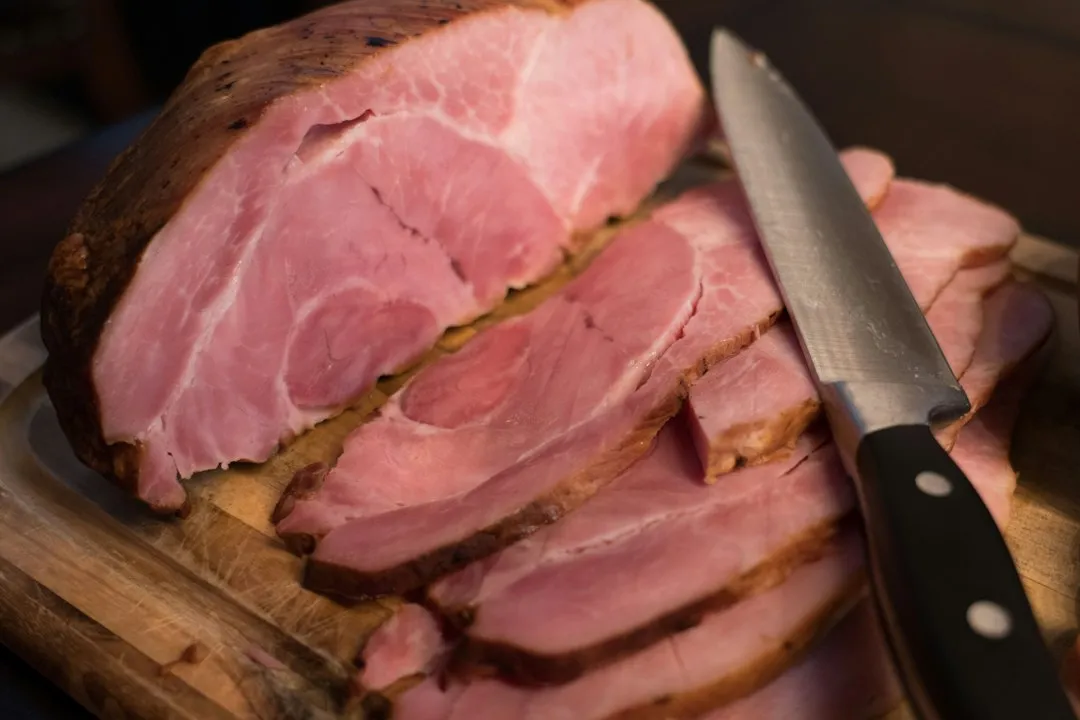
Ham can mean raw fresh pork, cured but uncooked ham, cured and smoked ham, fully cooked ham, country ham, or a dry-cured product like prosciutto. The smoking process gives ham that deep color and familiar aroma, but smoking alone doesn’t always bring meat to a temperature that makes it safe to eat without further cooking.
A ham labeled “Cook Before Eating / Uncooked” means the ham has been cured or smoked but NOT heated to a safe temperature. This is the source of most holiday ham confusion. The cure and the smoke flavor are there. The heat treatment that qualifies it as “fully cooked” by federal standards simply wasn’t applied at the plant.
How Color Can Fool You
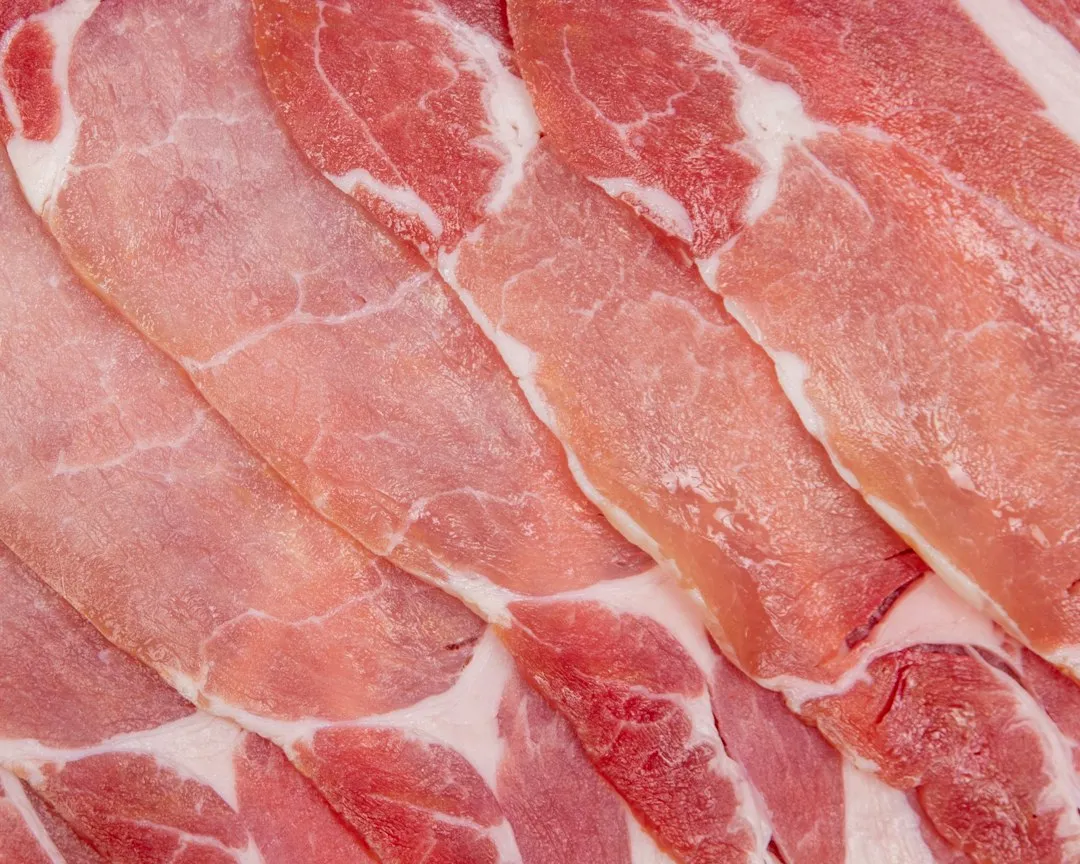
The usual color for cured ham is deep rose or pink; fresh ham, which is not cured, has the pale pink or beige color of a fresh pork roast; country hams and prosciutto, which are dry cured, range from pink to a mahogany color. Color is the result of curing agents and the type of processing, not evidence that the meat has been cooked to a safe temperature.
Nitrate and nitrite contribute to the characteristic cured flavor and reddish-pink color of cured pork. So when a “cook before eating” ham looks identical to a fully cooked one at the store, that’s entirely normal. Both have been cured. Only one has been fully heat treated. The label is the only reliable way to know which is which.
Spiral-Sliced Hams and What Their Labels Say
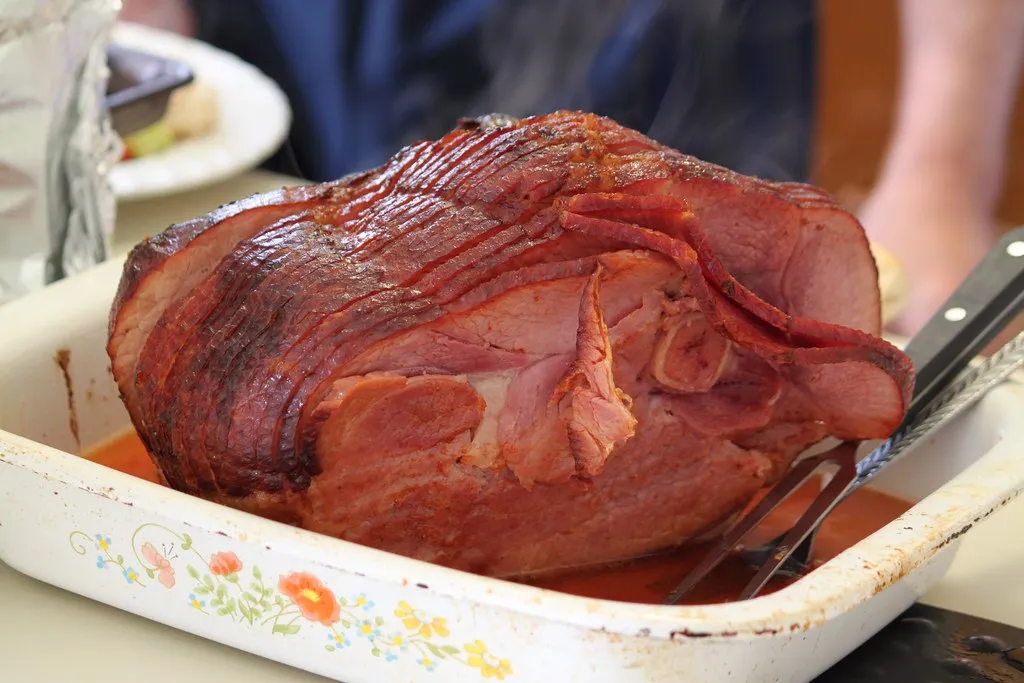
A spiral ham purchased from a grocery store or butcher is almost always already fully cooked. This is typically indicated by a “fully cooked” or “ready-to-eat” label on the packaging. The spiral slicing method was developed specifically as a convenience product, designed for a ham that only needs to be warmed, not cooked from scratch.
Spiral-cut cooked hams are also safe to eat cold. To reheat a spiral-sliced ham in a conventional oven, cover the entire ham or portion with heavy aluminum foil and heat at 325°F for about 10 minutes per pound. Still, even with spiral hams, the USDA advises confirming the label before you assume anything, since labeling remains the definitive authority on cooking status.
Country Ham Plays by Different Rules
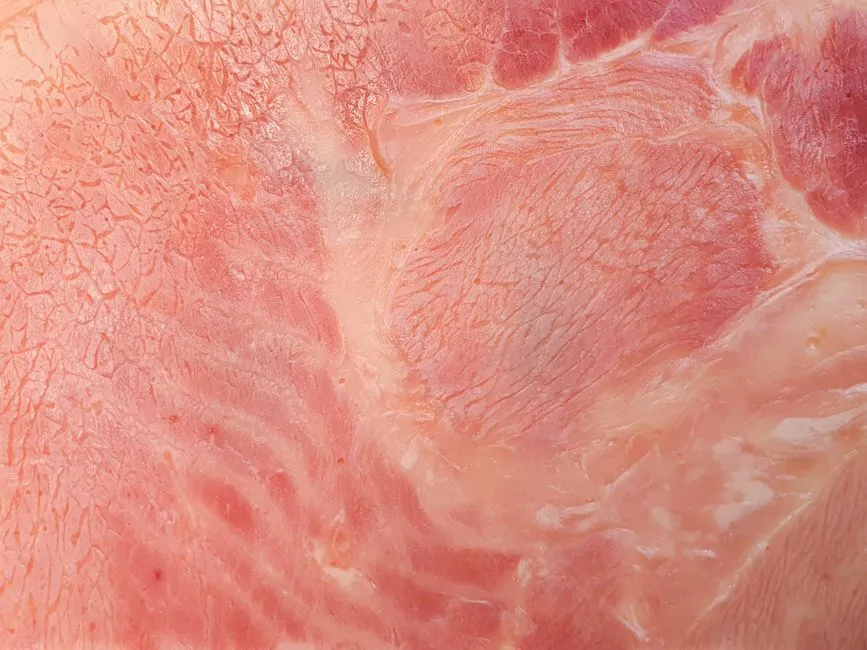
Country ham is dry-cured, aged, intensely salty, and must be soaked and cooked before eating. Country ham is a genuinely different product from the wet-cured city ham most people bring home for the holidays. Its deep color and intense curing can make it look ready to eat, but it typically isn’t.
Since dry curing draws out moisture, it reduces ham weight by at least 18%, usually 20 to 25%; this results in a more concentrated ham flavor. These uncooked hams are safe stored at room temperature because they contain so little water, bacteria can’t multiply in them. That said, being shelf-stable and being fully cooked are not the same thing. Country ham still needs to be properly cooked before it’s served as a holiday centerpiece.
What to Do If You’re Still Not Sure
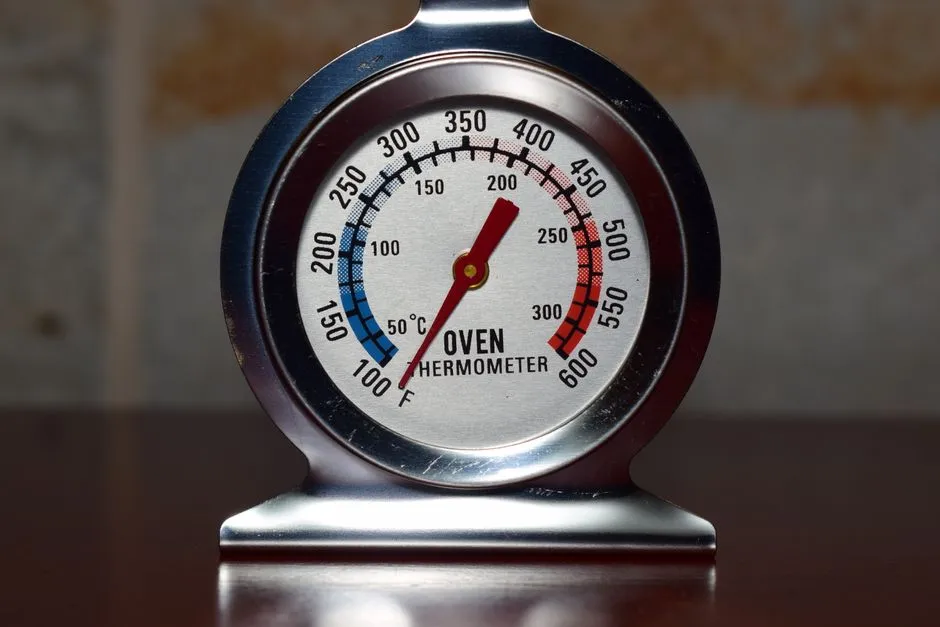
The simplest way to determine if your ham is fully cooked is by checking the packaging label. Many commercial hams will indicate if they are “fully cooked” or “ready to eat.” If the packaging is gone or the label is unclear, the safest course is to treat the ham as uncooked and bring it to the appropriate internal temperature using a food thermometer.
To confidently tell a cooked from an uncooked ham, the label is legally required to give you the correct information. If the label is missing, inspect the ham’s appearance: a cooked ham is firm and uniformly pink, while a raw one is softer and paler. When in doubt, the USDA Meat and Poultry Hotline at 1-888-MPHotline remains a reliable resource for real-time guidance during the holiday season.
The Takeaway
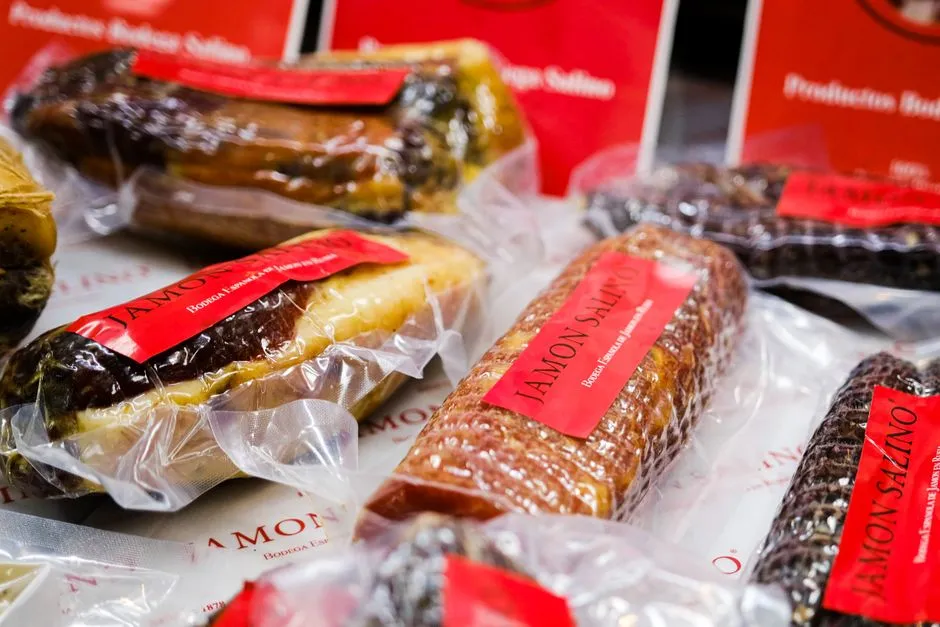
Three words on a ham label carry all the weight: “fully cooked” means warm and serve, “cook before eating” means treat it like raw pork. Everything else, the color, the smoke ring, the glaze packet, the spiral slicing, is secondary to those phrases.
Reading the label takes less time than preheating your oven. It’s the one step that actually tells you what you’re working with, and it’s the detail that food safety agencies consistently point to as the most reliable guide a home cook has. This holiday season, flip the package over before you flip on the oven.
AI Disclaimer: This article was created with the assistance of AI tools and reviewed by a human editor.