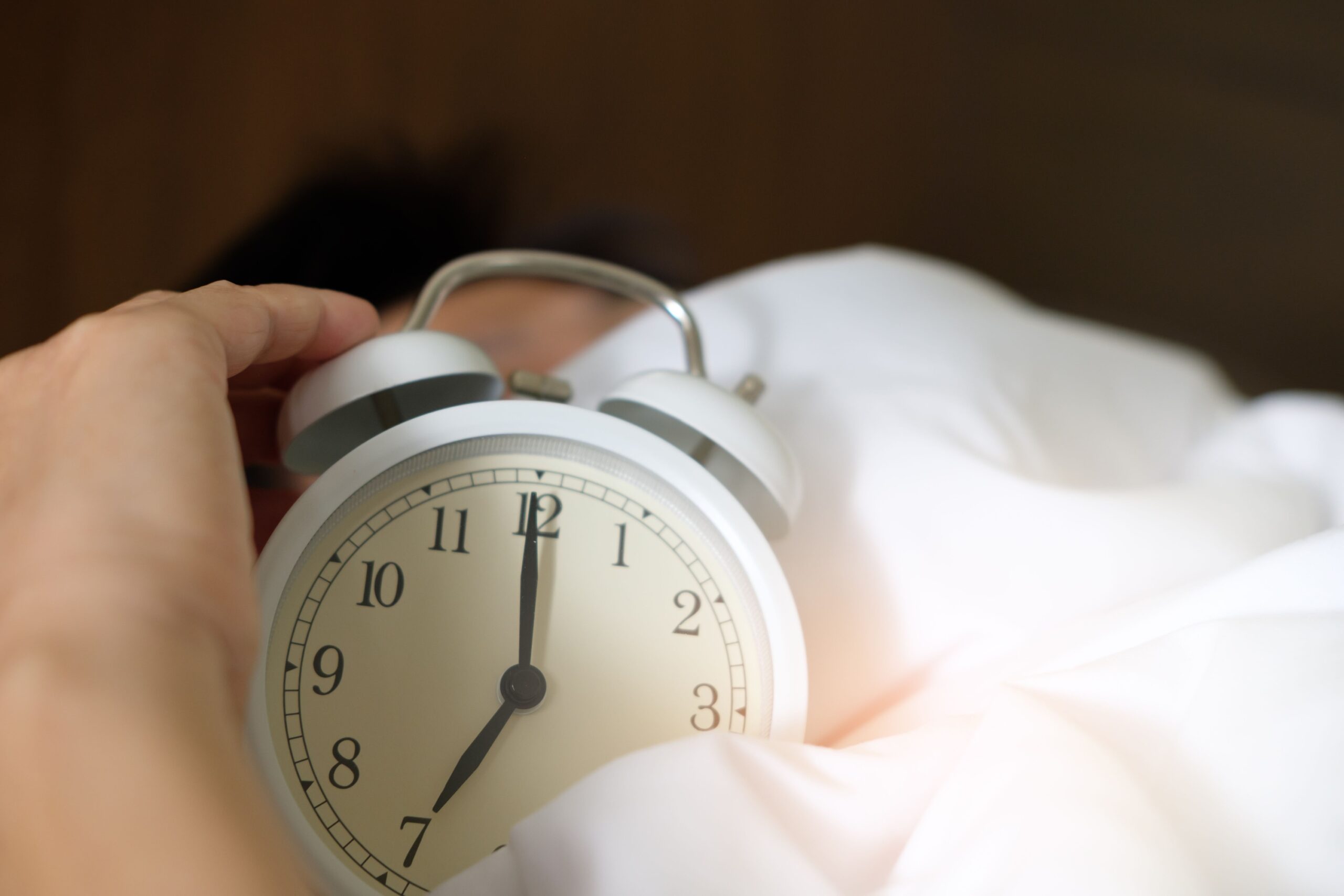

Just How Common Is the Snooze Button Habit?
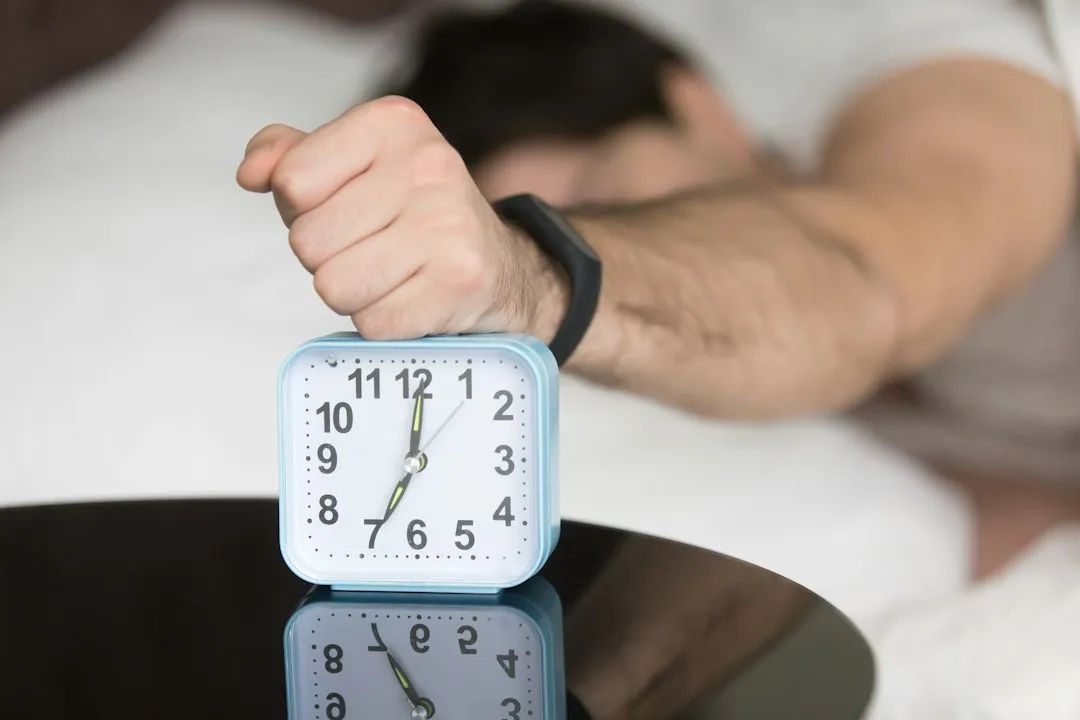
A 2025 study analyzing sleep data from more than 21,000 people across the world found that the snooze button was pressed in close to 56% of the three million nights studied. That is not a niche habit. That is the majority of mornings for a majority of people.
Additionally, 45% of study subjects hit the snooze button on more than 80% of mornings. That’s a deeply entrenched pattern, not an occasional indulgence. The study, published in Scientific Reports, also found that snooze habits varied by the day of the week, with people being much more likely to use snooze alarms during the work week, particularly Monday through Friday, and less likely to snooze on weekends.
What Happens Inside Your Brain When You Hit Snooze
Sleep inertia is a transitional state characterized by reduced arousal and impaired cognitive and behavioral performance immediately upon awakening. When you hit snooze, you’re essentially asking your brain to start that transition over and over again, without ever completing it cleanly.
Using a snooze alarm prolongs sleep inertia compared to a single alarm, possibly because snooze alarms induce repeated forced awakenings. The groggy, foggy feeling you experience after multiple alarms may not be sleepiness at all. It may be a direct product of that repeated interruption cycle.
The REM Sleep Problem

Research has found that frequent short awakenings toward the end of a night’s sleep may disrupt late REM sleep, which is considered restorative. Morning hours are when REM sleep is most concentrated, which is precisely when most people are hitting the snooze button.
When you hit snooze, that REM sleep gets interrupted, and the short bursts of sleep that follow tend to be very light and less restorative. So even if those extra minutes feel like sleep, the brain isn’t getting much of value from them. You’re trading deep rest for light dozing at exactly the wrong moment.
The Sleep Fragmentation Factor
Only a few studies have investigated the health impact of snooze alarms and reported that this practice is associated with short and poor-quality sleep and feelings of drowsiness upon waking. The mechanism behind this is worth paying attention to.
Users with misaligned sleep may experience more fragmented sleep, and thus, greater reliance upon the snooze alarm. This can create a self-reinforcing cycle. Poor sleep leads to more snoozing, and more snoozing further fragments sleep, making each morning harder than the last. People who snoozed regularly also tended to have more irregular sleep schedules, which can further affect sleep quality and daytime energy levels.
How Much Sleep Are Heavy Snooze Users Actually Losing?
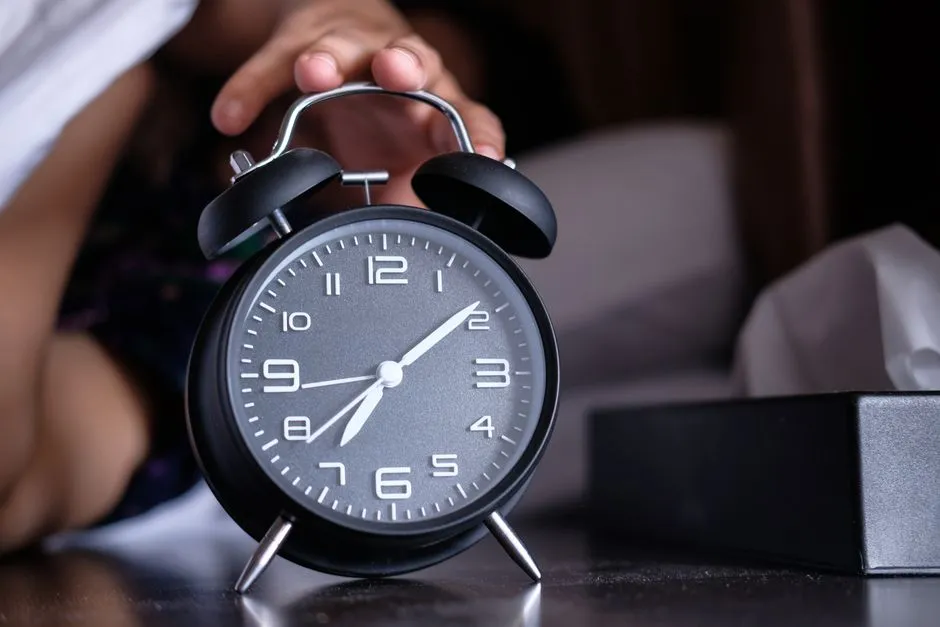
According to research published in Scientific Reports in 2025, habitual snooze button users effectively lose six hours of quality sleep every month. Six hours is roughly one full night of rest. Spread across a year, that becomes a meaningful, cumulative deficit.
Research observes that use of the snooze alarm is common and averages 11 minutes per sleep session. Eleven minutes sounds trivial in isolation. Multiplied across hundreds of mornings, it adds up to something far less trivial, and the quality of that fragmented time is the bigger issue, not just the quantity.
What Sleep Doctors and Researchers Say About It
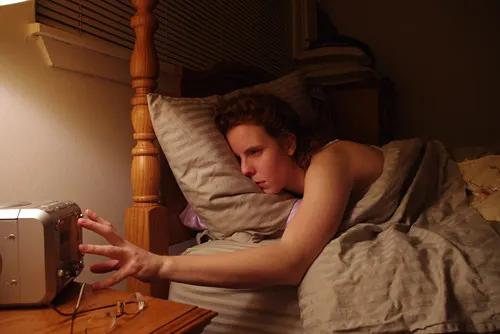
Sleep experts have typically advised against hitting the snooze button, as it was thought to be harmful to sleep health. They have cautioned that the snooze button is counterproductive because you’re waking yourself up when you could be continuing quality, restorative sleep.
Heavier snooze alarm use may be part of the phenotype of poor sleep health. Given that snooze alarm use is discouraged by experts due to the sleep fragmentation it causes, messages that discourage snooze alarm in favor of setting the latest possible alarm may be a viable strategy for public health communication efforts to promote sleep.
The Case That Isn’t Entirely One-Sided
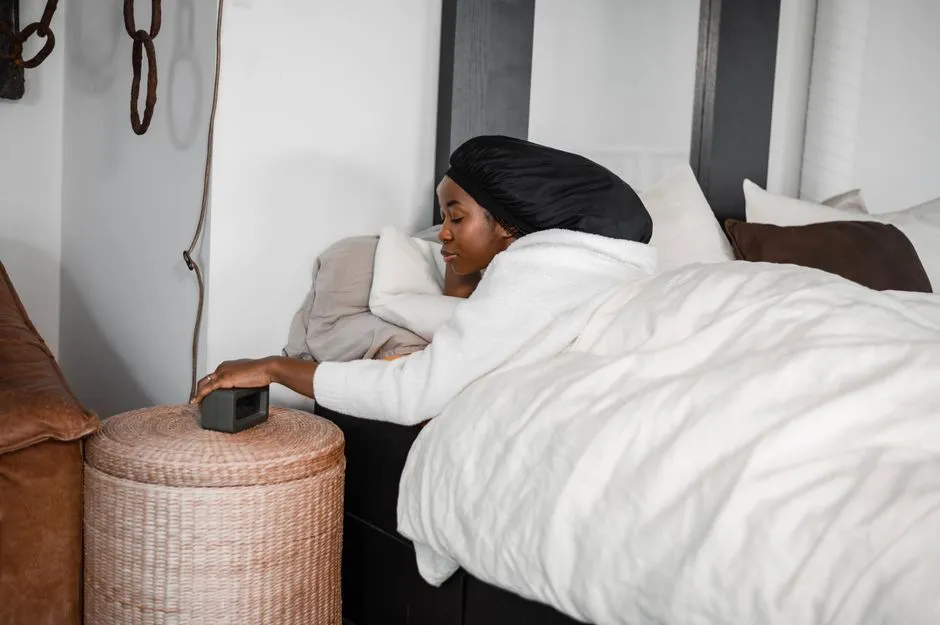
To be fair, the research isn’t completely uniform in condemning the snooze button. A study performed at Stockholm University showed that snoozing up to 30 minutes each morning didn’t have any negative cognitive effects on their sample, which was made up of serial snoozers who don’t have any sleep disorders and typically get the recommended seven or eight hours of sleep per night.
Researchers found that, shortly after waking, people who had snoozed for 30 minutes performed better on arithmetic equations and memory exercises than people who got up after only one alarm, perhaps because they experienced less sleep inertia. Still, it’s important to note that this study doesn’t necessarily mean the snooze button is a positive thing for everyone. The participant pool was small and notably healthy.
Who Is Most Likely to Rely on Snooze
A relatively small 2024 study featuring more than 1,700 participants found snoozing to be common among younger adults and individuals considered “late chronotypes,” which are people who tend to fall asleep and wake later than others. For these individuals, early alarms conflict with their biological clock, making the urge to snooze much stronger than a simple lack of willpower.
Women utilize snooze alarms slightly more frequently than men, and longer sleep sessions were characterized by more snooze alarm use than healthy sleep duration and short sleep sessions of six hours or less. Some experts also believe that hitting the snooze button may indicate a general lack of sleep or possibly an underlying sleep disorder, such as obstructive sleep apnea or chronic insomnia. If you find yourself unable to get up after a full night’s rest, it may be worth discussing with a doctor.
What Cortisol Has to Do with It

Cortisol falls to its lowest point around midnight, climbs through the second half of the night and peaks 30 to 45 minutes after waking, a surge called the cortisol awakening response. This natural hormonal process is designed to help the body transition from sleep to wakefulness on its own terms.
If a person was allowed to snooze during the 30 minutes of cortisol increase and get up at its peak, they may feel less sleepy and have better executive functioning when they actually get out of bed. That’s an interesting nuance, but it only applies when timing is precise, which is rarely the case in a real morning routine. When cortisol rises prematurely, it can suppress melatonin production, making it difficult to maintain sleep even when the body should still be tired.
What Actually Works Better Than Snoozing
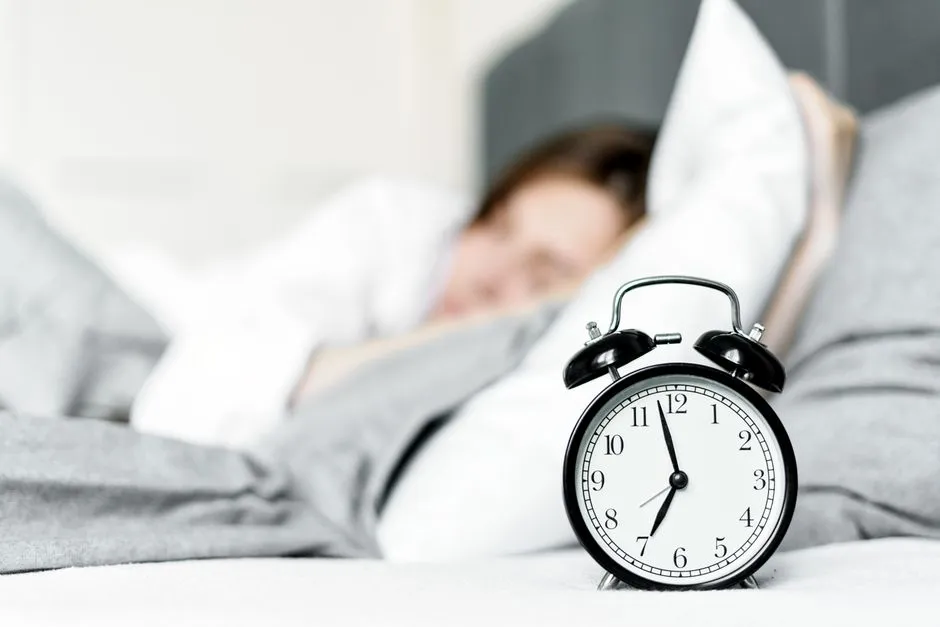
Public health messages encouraging individuals to set their alarm for the latest possible wake time, rather than relying on the snooze button, could be a viable strategy to promote better sleep habits. It sounds obvious, yet most people do the opposite: they set an early alarm specifically to allow themselves the ritual of hitting snooze.
If you’re sleep-deprived, snoozing can worsen fatigue by interrupting fragmented sleep. Instead of relying on the snooze button, improving sleep duration and consistency is more effective for reducing grogginess and boosting energy throughout the day. It might be tough at first, but sticking to a consistent wake-up time and avoiding the snooze button could lead to better sleep and more energy in the long run.
The Takeaway
The snooze button isn’t a villain in every bedroom. For well-rested, healthy individuals who snooze briefly, the evidence suggests relatively little harm. For everyone else, and that’s a substantial portion of the population, the habit is quietly undermining the quality of the sleep they’re already getting.
The most practical shift isn’t about willpower. It’s about honesty: if you’re setting an alarm 30 minutes earlier than you need to because you plan to snooze, your body would genuinely prefer the later alarm and an uninterrupted wake-up. Sleep doctors have been saying it for years, and now large-scale data backs them up. The best alarm is the one you only need to hear once.
AI Disclaimer: This article was created with the assistance of AI tools and reviewed by a human editor.