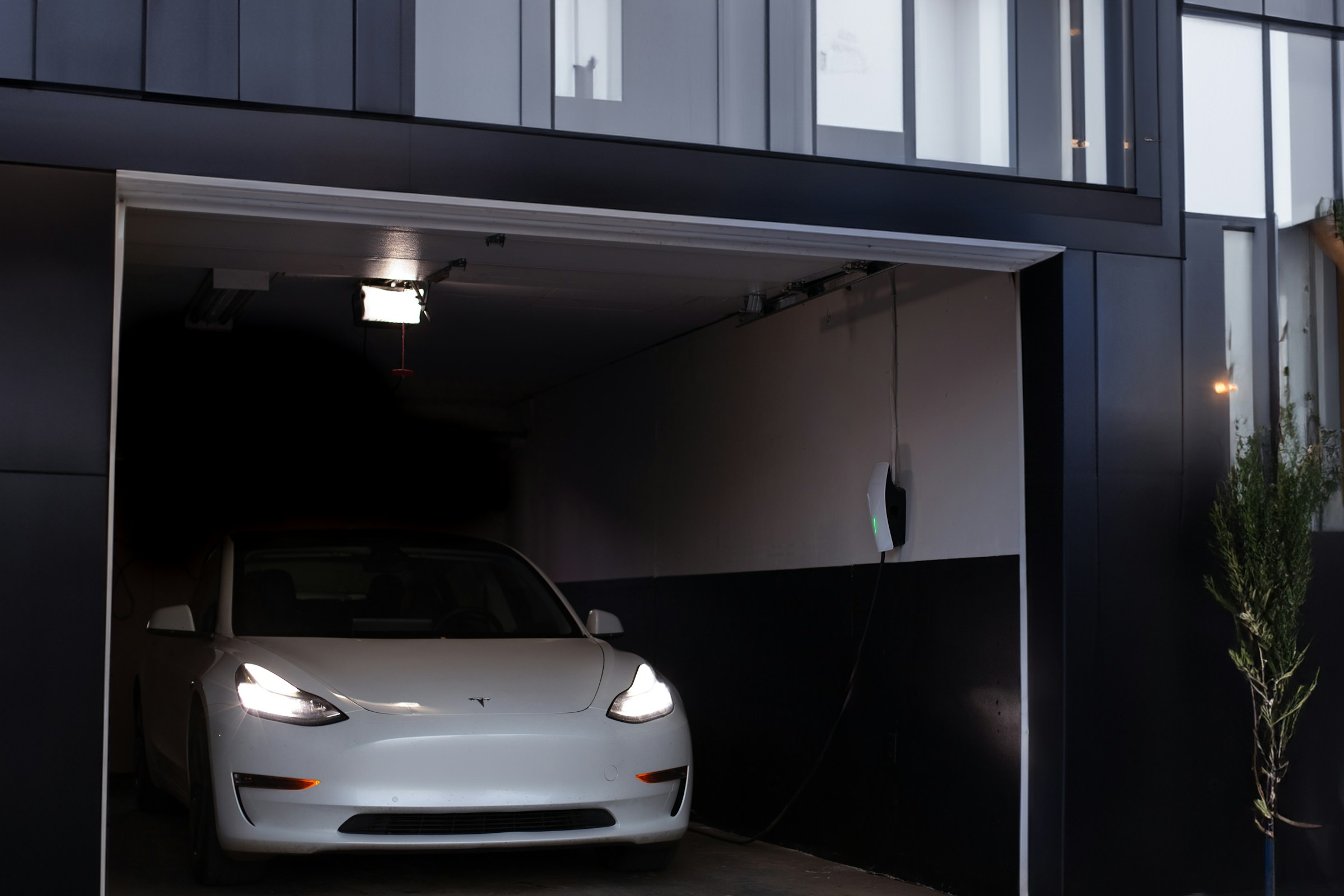

The Garage Door Is the Largest Moving Opening in Your Home
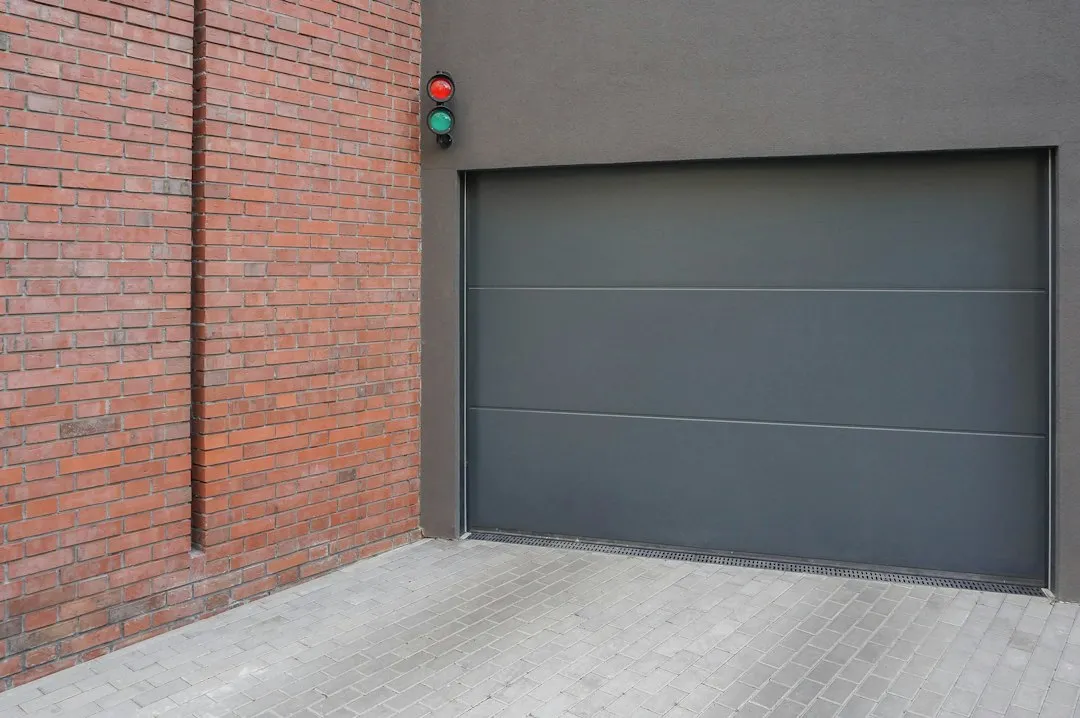
Because the garage door is the largest moving part of your home, it’s often the biggest source of energy loss. Think about that for a moment. Windows get double-glazed. Entry doors get weather-sealed. The garage door, which can span eight feet tall and sixteen feet wide, often gets nothing.
A non-insulated garage door allows cold air to flow in easily and heat to escape, creating an energy imbalance that affects your entire home. The effect is compounded when the door connects directly to a living space such as a kitchen, bedroom hallway, or laundry room.
Attached Garages Create a Direct Pathway for Heat Loss

An attached garage shares at least one wall and a ceiling with your home’s conditioned space. That means outside air that sneaks into the garage through unsealed gaps and cracks flows right into your home, forcing your HVAC system to work harder than it needs to.
In northern climates, the temperature inside an uninsulated attached residential garage can drop to freezing in winter. During summer months, temperatures inside an uninsulated attached garage can reach uncomfortable levels. Extreme temperatures are a direct source of energy loss and discomfort to adjacent residences due to heat transfer between the garage and those rooms.
How Much Heat Are We Actually Talking About?
According to the U.S. Department of Energy, heat loss through an uninsulated garage door can account for up to roughly a fifth of a home’s total heating energy consumption during winter months. That is a significant share of your heating budget quietly disappearing through one large, moving panel.
Studies by the Department of Energy estimate that an uninsulated attached garage can increase total home heating costs by ten to twenty percent, depending on the garage’s size relative to the home and the quality of the shared wall’s insulation. For a household spending thousands annually on energy, that gap is not trivial.
The Habit of Leaving the Door Open Makes Everything Worse

Leaving the garage door open, especially in extreme weather, lets conditioned air escape and invites outdoor air in. Limiting the amount of time your garage door stays open is one of the most practical ways to maintain interior temperature stability.
If the garage is opened constantly, the payback from any insulation upgrade stretches out considerably. Heat that escapes while the door stands open dwarfs anything the insulation saves. Even a casual habit of leaving the door up for fifteen or twenty minutes while working outside can offset the benefit of a well-insulated door.
Worn Weatherstripping Is Just as Damaging as No Insulation
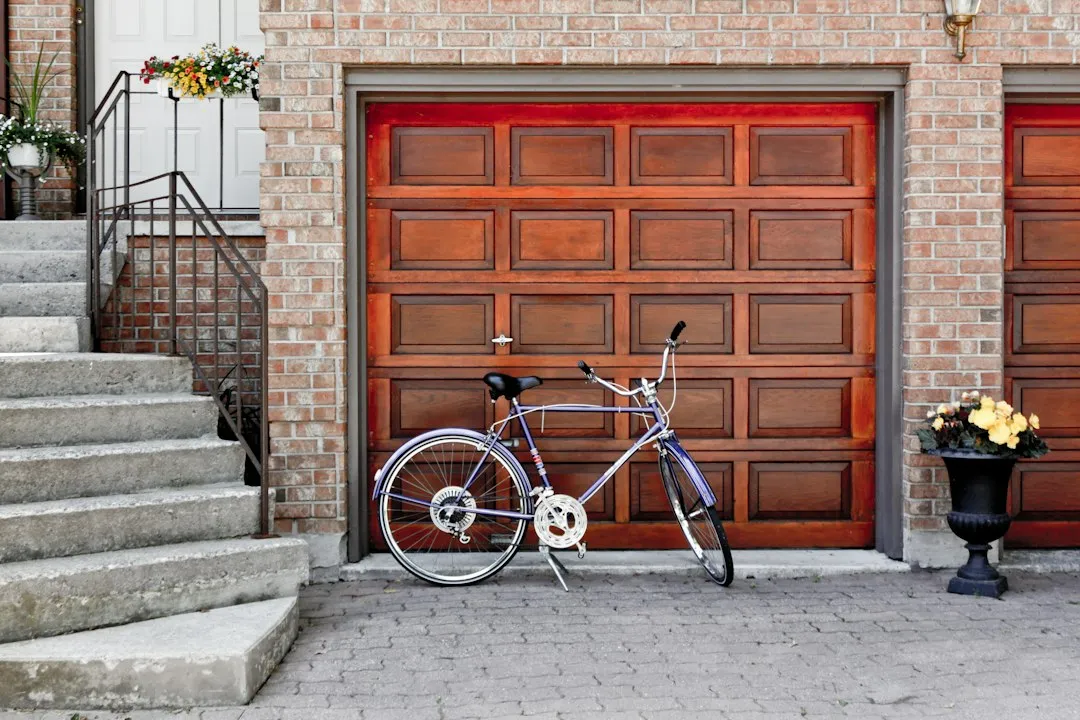
Even a high R-value insulated door loses its energy advantage if the seals around the frame are worn, cracked, or missing. Garage door weatherstripping and air leakage around the door edges are among the most common and overlooked sources of energy loss in attached garages.
Over time, the garage door bottom seals and side seals on a door deteriorate, creating gaps that let in outside air, dust, moisture, and even pests. Poor weatherstripping is often a bigger culprit for heat loss than the insulation material itself. Replacing it is also far cheaper than replacing the door.
The Department of Energy estimates that air leaks through doors, windows, and gaps account for roughly a quarter to two-fifths of heating and cooling energy waste in residential homes. Garage door perimeter gaps are a quiet contributor to that total.
Understanding R-Value: Why Your Door’s Rating Matters
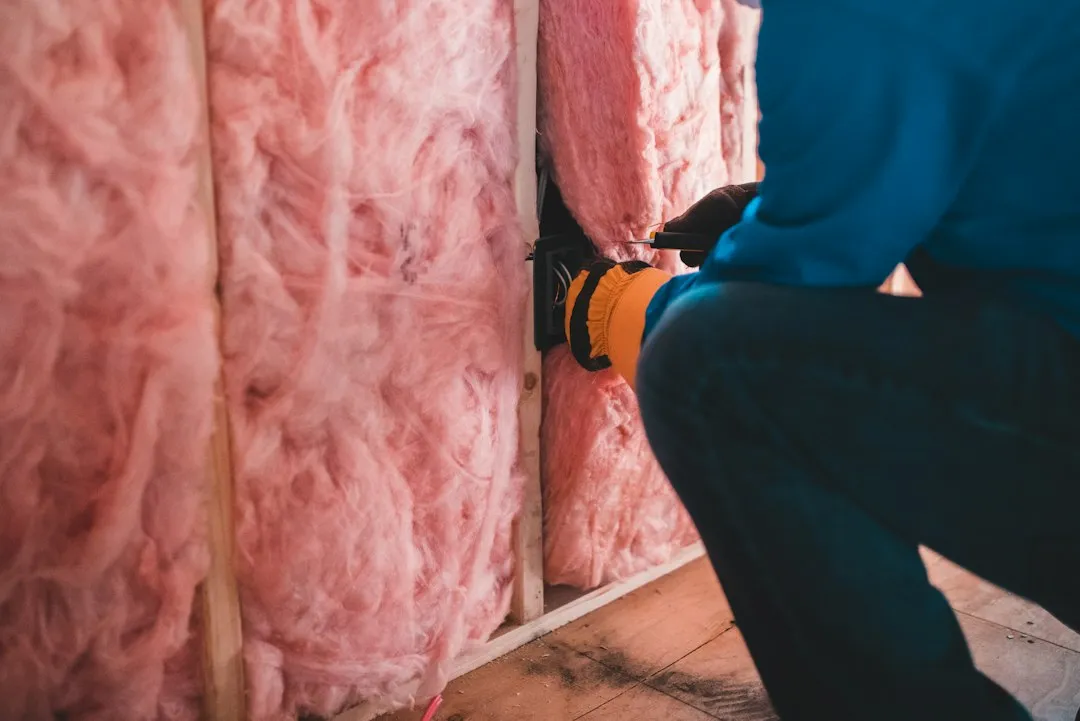
Garage door insulation is measured by R-value, which indicates thermal resistance. The higher the R-value, the better the door is at preventing heat transfer. Most homeowners have no idea what their current door’s rating is, or that it might be effectively zero.
When evaluating efficiency, the door’s R-value is the primary measure. Standard non-insulated doors typically have an R-value of zero to two, while quality insulated options range from R-8 to R-18. That is a dramatic range, and the difference shows up directly on heating bills.
With a high-quality insulated door, you can reduce garage heat loss by fifty to seventy percent. Combined with proper sealing, that figure can climb even higher.
The HVAC System Pays the Price
If your garage shares a wall with living spaces such as a kitchen, bedroom, or hallway, a poorly insulated door can lead to drafts, making your HVAC system work harder to maintain a consistent indoor temperature. The furnace or heat pump simply compensates for what the garage is allowing to slip away.
Attached garages create a direct pathway for heat loss and cold air infiltration into your living spaces, driving up energy costs throughout the year. When your garage door lacks proper insulation and air sealing, your HVAC system works overtime. That extra workload shortens equipment lifespan and adds to maintenance costs over time.
What a Fix Actually Costs – and What It Saves

Replacing weatherstripping costs roughly thirty to eighty dollars and removes drafts that insulation alone cannot stop. A new insulated steel door, fully installed, typically runs between eight hundred and fifteen hundred dollars, with a payback period of five to ten years.
Homes with energy-efficient garage doors can save an average of one hundred to five hundred dollars annually on energy costs, depending on climate and usage. According to the EPA’s ENERGY STAR program, homes featuring high-performance garage doors experience an average reduction of roughly twelve percent in annual heating and cooling costs.
According to the Insulation Institute, sealing air leaks in a garage-connected home can reduce heating and cooling costs by ten to twenty percent. For the average energy bill, that translates to meaningful annual savings, making a full seal replacement one of the fastest-payback home improvement projects available.
The Shared Wall Problem Nobody Talks About
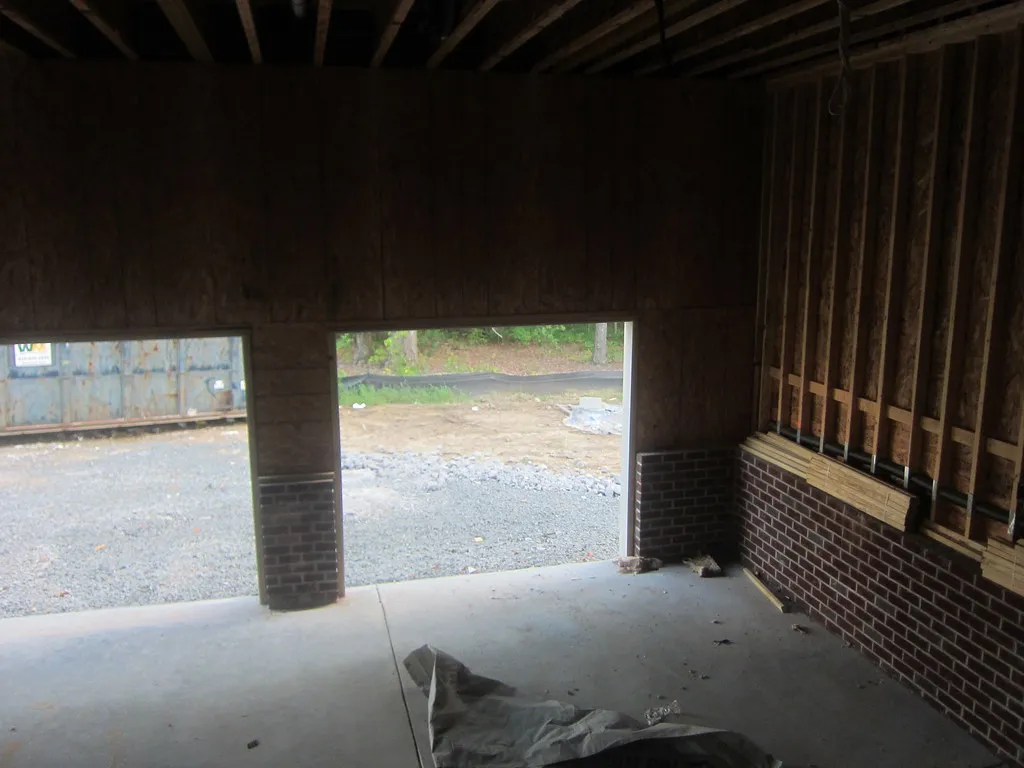
Structures neighbouring the home, such as attached garages, can enable heat loss if they’re not properly insulated and sealed. Warm air can escape from the living spaces of the home into these unheated adjoining areas. The garage acts less like a buffer and more like an open drain for conditioned air.
The temperature differential across the shared wall between the garage and the living space can exceed eighty degrees, creating enormous ongoing heat loss. Insulating the garage door reduces heat transfer between the garage and the outdoors, which in turn reduces the thermal load on the shared wall between the garage and the living space.
Simple Habits and Upgrades That Actually Help

For optimal results, combining proper insulation with weatherstripping and door seals creates a complete thermal barrier. No single fix solves the problem entirely. The door panel, the perimeter seal, the bottom seal, and how long the door sits open all matter together.
For non-insulated doors, a garage door insulation kit costing between forty and eighty dollars adds meaningful insulation to the door panels in just a few hours. It’s a low-commitment starting point for homeowners who aren’t ready to replace the door. By replacing weatherstripping and reducing energy loss around doors, homeowners can lower heating and cooling bills by five to twenty percent annually.
The Department of Energy estimates that garage door insulation can reduce total home heating costs by five to fifteen percent for homes with attached garages, depending on the garage’s size, the quality of the shared wall insulation, and local climate conditions. That range is worth knowing before any upgrade decision is made.
The Takeaway
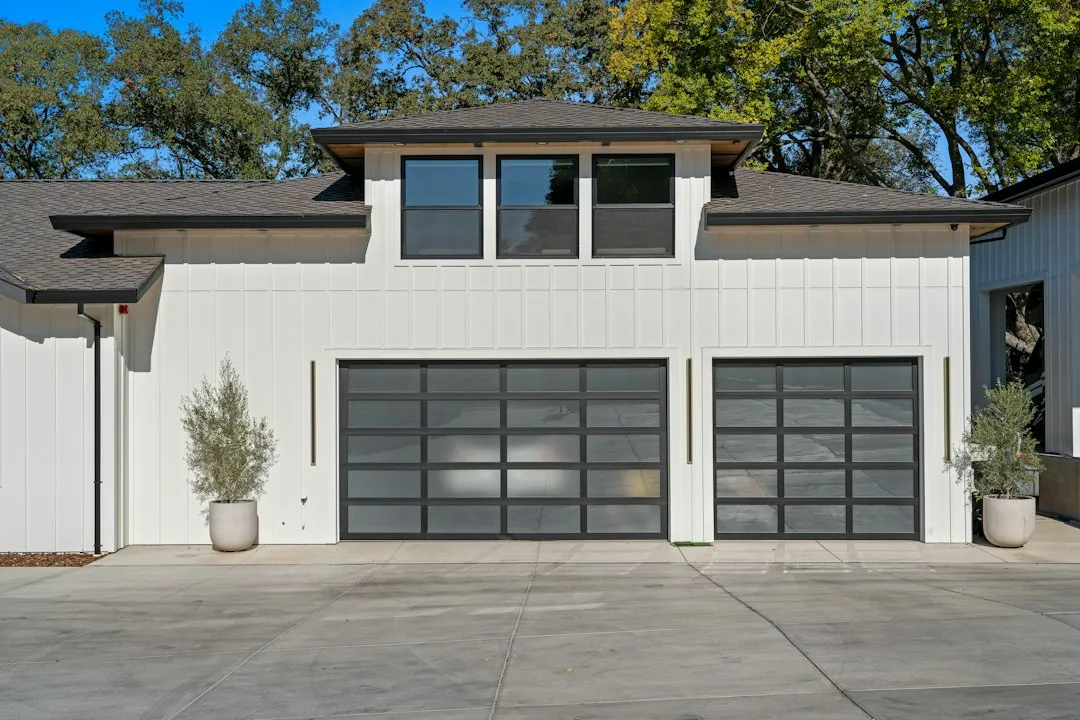
The garage door habit that costs homeowners the most isn’t dramatic. It’s the everyday routine of treating the garage as a separate, inconsequential space. Leaving the door up longer than needed, ignoring a crumbling bottom seal, or keeping a bare steel door with no insulation rating are all small choices that silently compound into large heating losses over a season.
The evidence from the U.S. Department of Energy and industry research consistently points to the same conclusion: the garage is not energy neutral, especially when it’s attached to the home. Fixing the seal costs less than a dinner out. Fixing the habit costs nothing at all. Both are worth starting with before looking at anything more expensive.
AI Disclaimer: This article was created with the assistance of AI tools and reviewed by a human editor.