
It Starts in Puppyhood

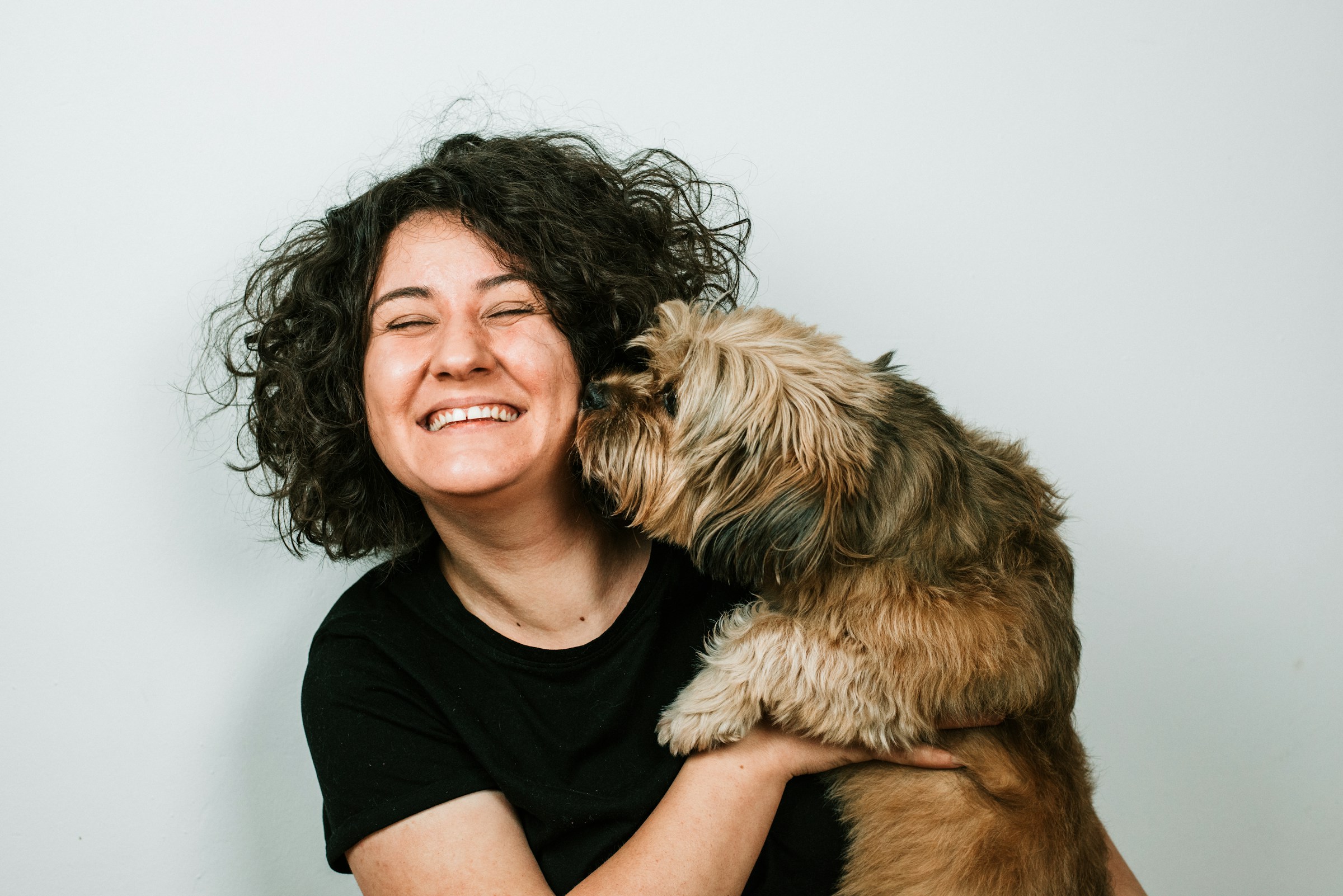
The nose nudge isn’t something dogs develop out of nowhere. Nuzzling behavior originates from instinctual survival habits learned from mother dogs during puppyhood. From their very first days of life, newborn puppies use their snouts to root around, find the nipple, and compete for nourishment.
Dog behavior expert Viviane Arzoumanian has noted that puppies use their noses and paws to get onto a nipple to nurse and to push other puppies out of the way, and this early behavior is rooted in survival, helping them access food and stay clean. Those early physical habits don’t disappear as a dog grows up. A dog’s sense of smell is an important part of their rooting around with their noses to find what they need, and these are instinctual survival behaviors that continue to be part of a dog’s repertoire of communication and information gathering behaviors.
The Most Common Reason: Wanting Your Attention
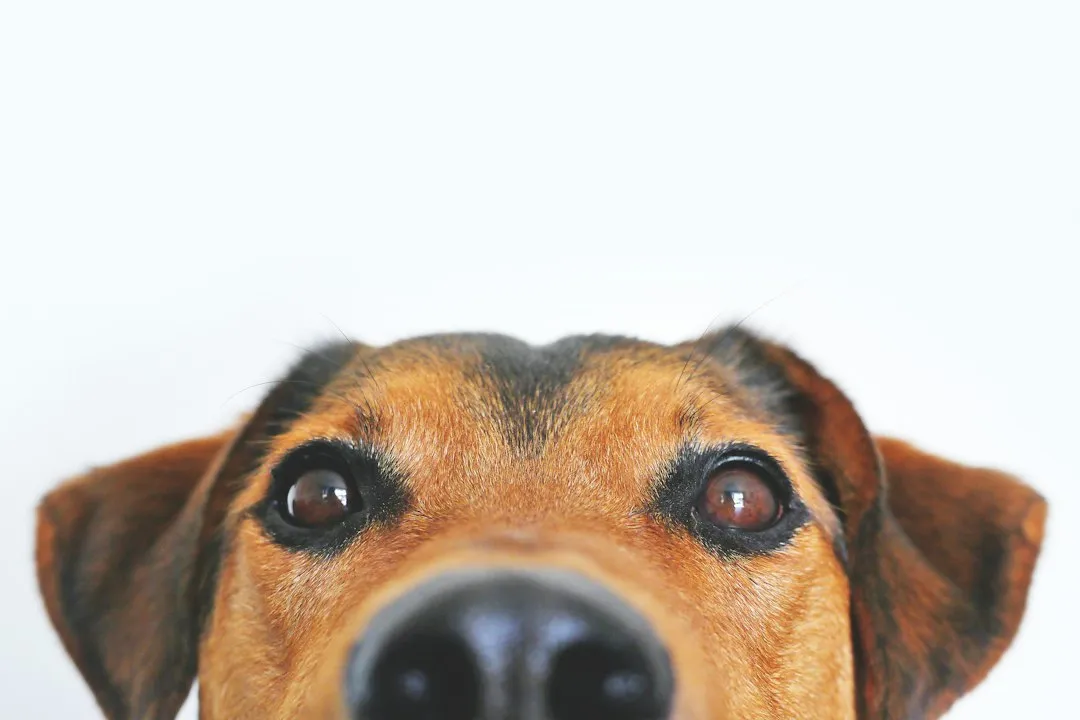
The main reason a dog will push its nose into a person’s arm or leg is to get their attention, several canine behavior experts say. It’s the canine equivalent of a tap on the shoulder. Direct, efficient, and hard to ignore.
Lots of dogs use their noses to push at our hands or arms because they may be asking for a range of things, from affection, to dinner, to play, or to go for a walk, and sometimes it takes some trial and error on the part of humans to figure out what the dog wants. Context is everything. Think of the nudge as the headline and the rest of your dog’s body language as the full story: a happy nudge near the toy basket probably means play, a worried nudge during thunder or travel may mean reassurance is needed, and a nudge near bedtime might mean routine, comfort, or one final round of attention before lights out.
A Learned Loop: How Reinforcement Keeps It Going
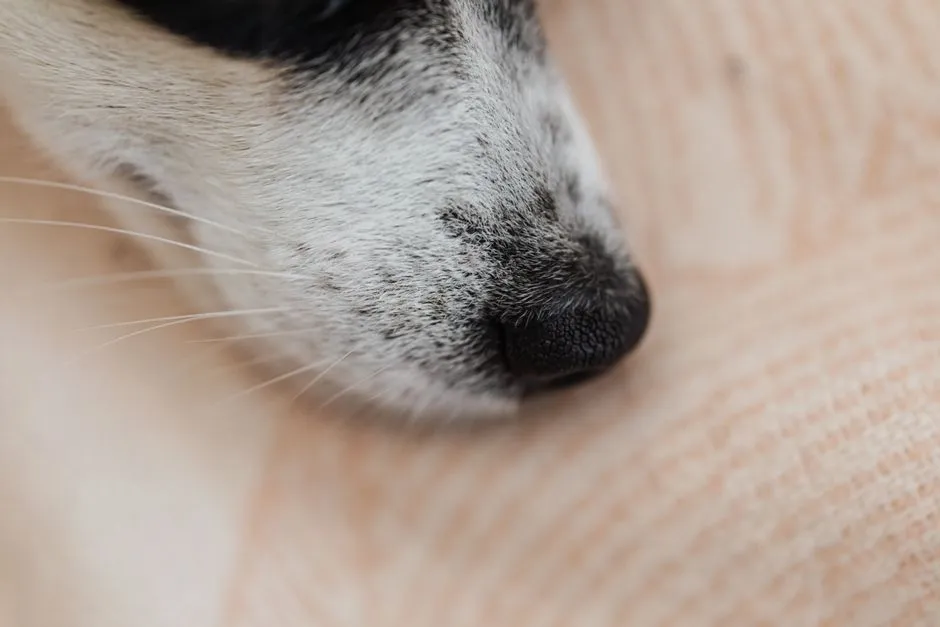
Nose nudging often starts as a random, exploratory behavior and becomes intentional once a dog realizes it reliably produces food, play, a door opening, or simply your undivided attention. Once the pattern is established, dogs repeat it because it works.
If your dog comes up and touches you with their nose and you pet them so they will stop, they will quickly learn that petting is your response to being hit with their nose, and the behavior becomes cyclical and constantly reinforces itself each time you have that response. If your dog nuzzles you and gets attention, pets, or soothing words in return, they quickly learn that this behavior works. It’s a feedback loop both parties quietly agree to, usually without realizing it.
A Sign of Affection and Emotional Bonding
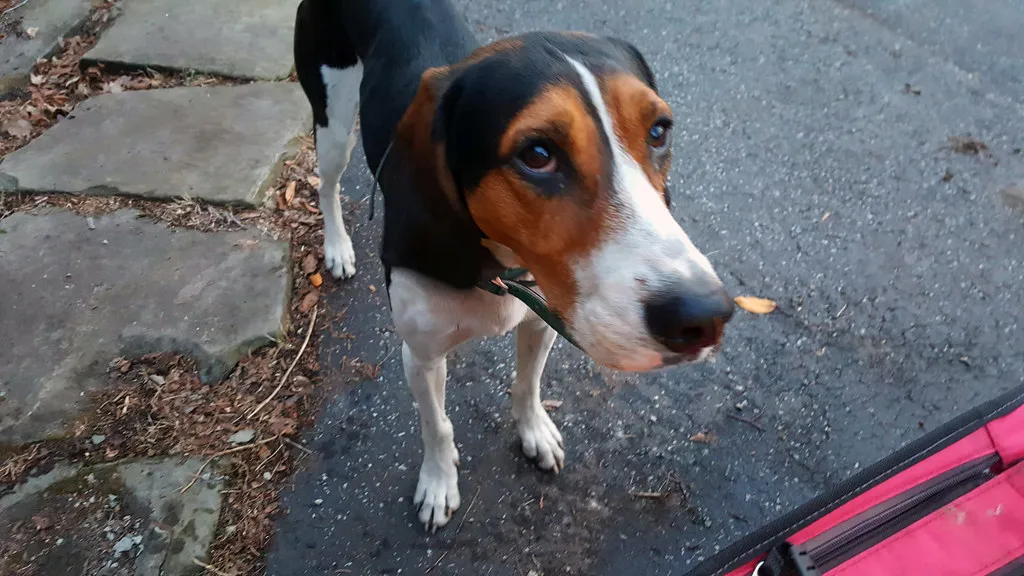
A dog isn’t just asking for attention when they nudge their owner with their nose. Experts say this gesture can also be a sign of affection. When the nudge is soft and unhurried, it often carries a deeper message than simple demand.
The behavior could simply be a way for your pet to show his love for you. Dogs also have scent glands in their noses, so when the animal nudges you, it leaves its mark on you, and it’s a way to strengthen your bond. You’ll know your dog is expressing affection if the nose nudge is accompanied by a soulful stare, or leads to more full-body contact. These are small but telling details.
The Herding Instinct in Disguise
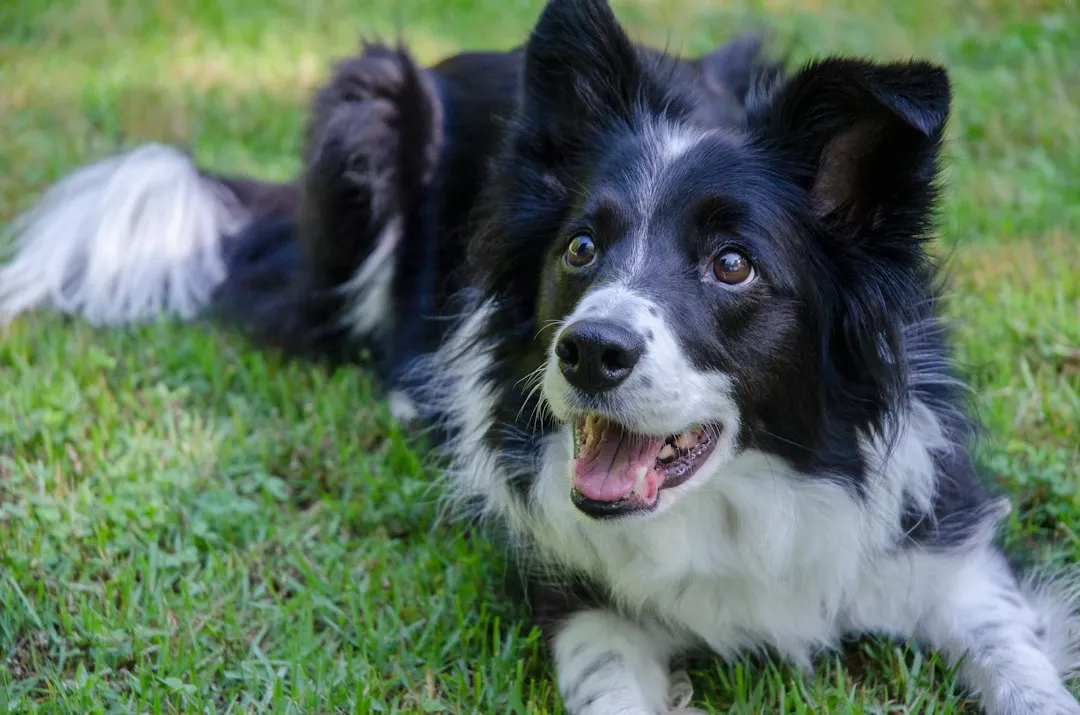
Herding dogs may instinctively use their noses to nudge their owner or another dog in one direction or another, as they might encourage a sheep to move. This is less about asking for attention and more about an ancient, wired-in working drive.
You might notice your herding dog pressing their nose into the back of your knee while you walk, or nudging children toward a particular room. It’s hardwired behavior left over from generations of selective breeding. This nature will surface even in a setting where the dog is surrounded by its human family, and nose nudging is used by the herding canine to guide its people, especially kids. Breeds like Border Collies, Australian Shepherds, and Corgis are particularly prone to this behavior.
Sniffing You Out: The Sensory Role of the Nose Nudge
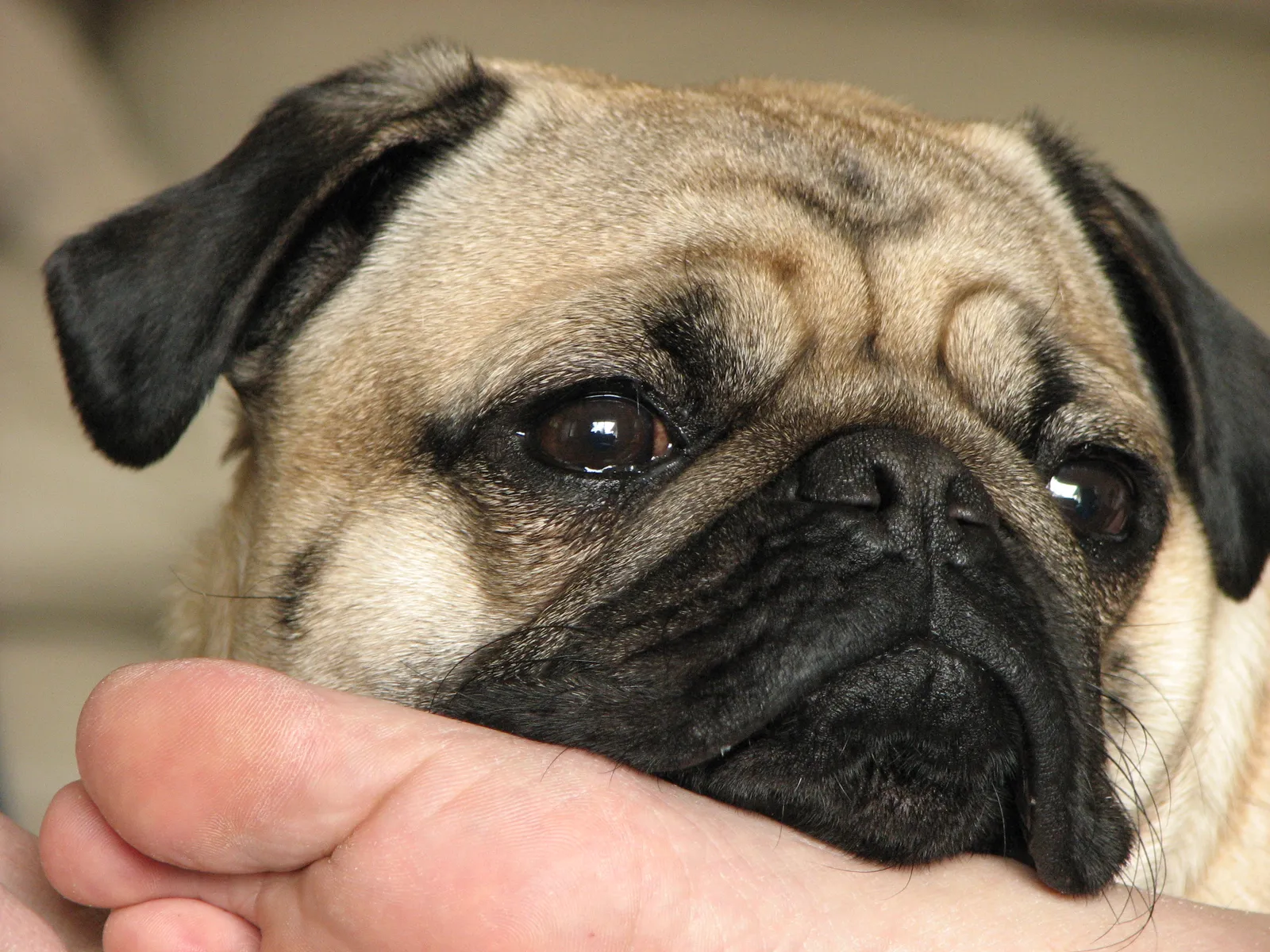
A dog’s nose contains up to 300 million scent receptors, compared to roughly 6 million in a human nose. When your dog presses that nose against your hand, they’re gathering far more information than you might think.
By bumping your hand with their nose, your dog is saying “Hi, I’m happy to see you!” and it also gives them a chance to smell you and see where you’ve been. While humans are more inclined to assess the world visually, canines use an extraordinary combination of both sight and smell to process information. The nudge, in this sense, is also a quick scan.
Responding to Your Emotions
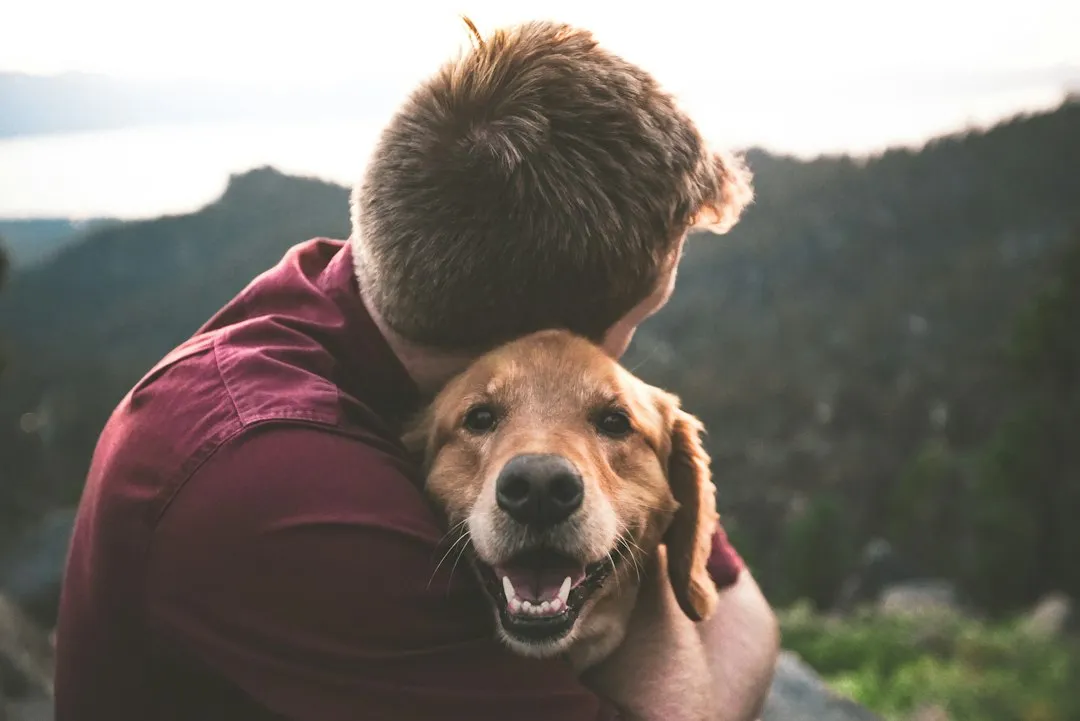
A dog may nuzzle when it senses that something is amiss, offering comfort in times of stress or emotional turmoil. For example, if a dog notices its owner feeling down or anxious, the pup may nudge them to offer reassurance and bring their attention back to a more comforting state.
Research has shown that domestic dogs know the difference between happy noise and sad noise and often respond to crying with submissive behaviors. One study published in the Journal of Learning and Behavior showed that dogs would try and do something to fix it when their owners are sad. When we’re stressed or anxious, our bodies release hormones like cortisol and adrenaline, which dogs can smell. In one experiment, dogs detected chemical changes in human breath and sweat with over 90 percent accuracy. The nose nudge, in these moments, is your dog’s way of checking in.
Submission, Dominance, and Social Signals
Not every nose nudge carries the same social weight. The meaning shifts depending on how it’s delivered and what the dog’s overall body language is doing at the same time.
When dogs press their noses to the mouths and noses of other dogs, it is a way of being submissive and letting them know that the other dog is the senior. It’s a way of dogs to say “Hey, let’s be friends,” and a submissive dog may nudge its owner for the same reason. On the other end of the spectrum, when a dominant dog nose nudges another dog, this is a show of dominance, and this dynamic also applies in dog-human interaction whereby if your dog is a dominant type, they could be nudging you to show dominance over you. According to Cesar’s Way, nudging motivated by dominance happens frequently and is often accompanied by other behaviors such as barking, obstructing your path, and mounting.
When the Nudging Signals Anxiety or Stress
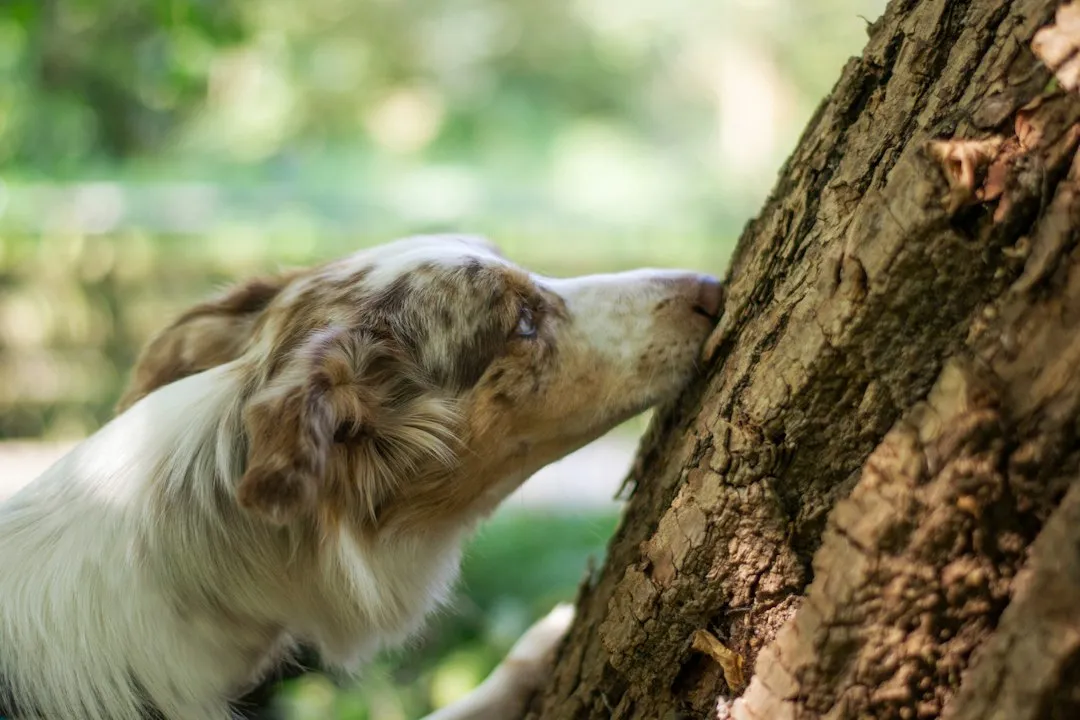
While most nuzzles are signs of affection or a simple request for attention, excessive nuzzling can sometimes indicate a problem, such as anxiety or discomfort. If your dog’s nuzzling becomes persistent and is accompanied by signs of distress, it may be worth consulting a vet or animal behaviorist to address any underlying issues.
Excessive nuzzling or unusual nose conditions may indicate health issues or anxiety, requiring professional attention. There’s an important distinction between a dog pressing their nose against you and a dog pressing their head against walls, furniture, or other hard surfaces. Normal nose nudging is directed at you, happens in social contexts, and your dog is alert and responsive while doing it. That last point is a useful rule of thumb for concerned owners.
Training, Nose Targeting, and When to Redirect
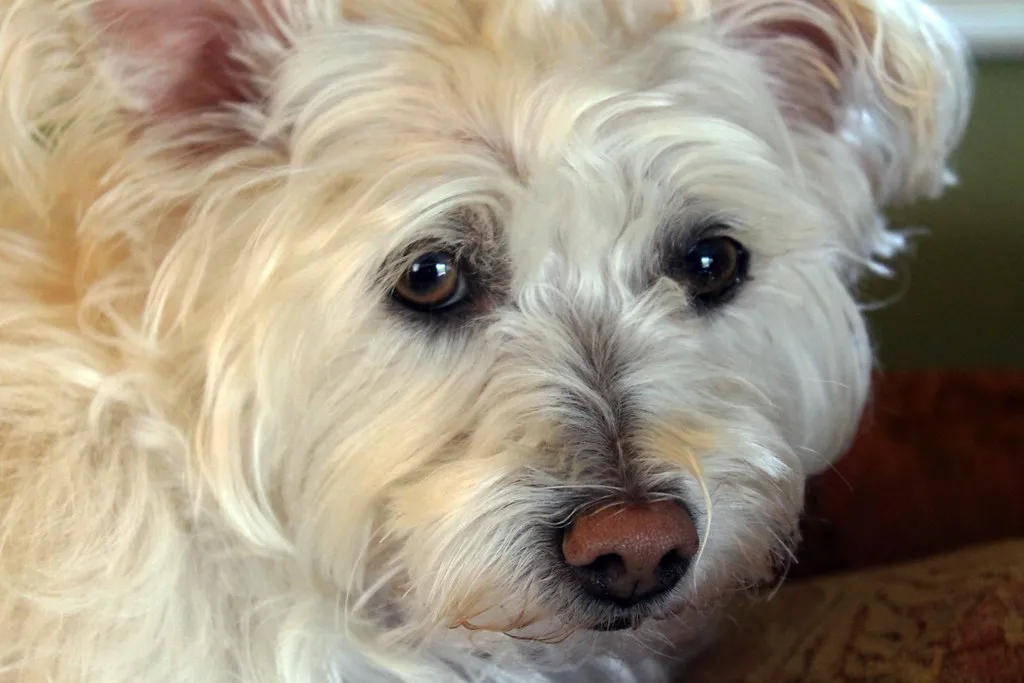
According to the American Kennel Club, one popular training strategy known as “touch,” or “nose targeting,” involves encouraging a dog to nudge their owner’s hand with its nose. Trainers use this technique to build focus, redirect attention, and move dogs through obstacle courses or crowded environments.
When nudging becomes excessive or disruptive, gentle redirection works better than punishment. Behavior experts say the best way to discourage nose nudges is to simply ignore them, rather than petting the dog or even reprimanding them for the gesture. This avoids reinforcing the dog’s behavior. Ignoring begging, nose prodding, or even occasional barks at you will work quickly to adjust and correct the behaviors. Patience and consistency matter far more than volume or firmness.
The Takeaway
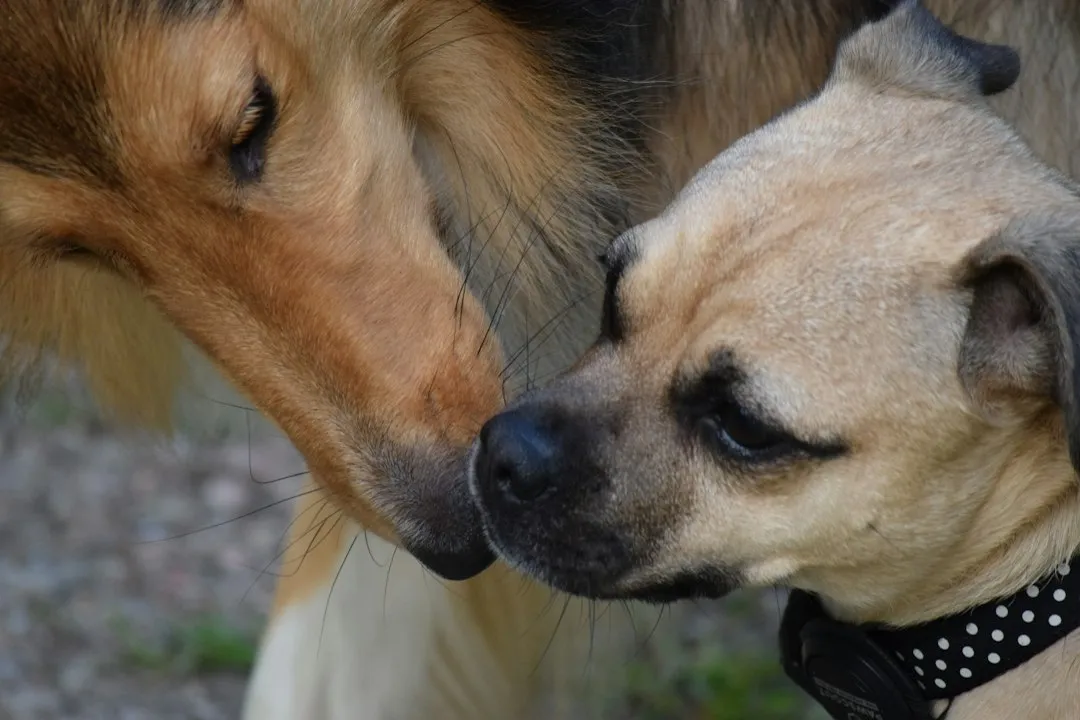
A cold nose against your hand is rarely a mystery once you know what to look for. That soft, intentional nuzzle is not random. It is a powerful form of communication rooted in instinct, affection, and emotional connection. The meaning shifts with context, breed, and body language, but the intent is almost always the same: your dog is trying to reach you.
Pay attention to the whole picture, not just the nudge itself. A calm dog in a familiar setting is likely asking for closeness. A persistent, agitated nudge in a stressful situation tells a different story. We have lots of data that demonstrates dogs can read the emotions of familiar humans, and show empathy and soothing behavior to people when they can. That little push on your hand, as ordinary as it seems, is one of the clearest windows into how deeply your dog is paying attention to you.
AI Disclaimer: This article was created with the assistance of AI tools and reviewed by a human editor.