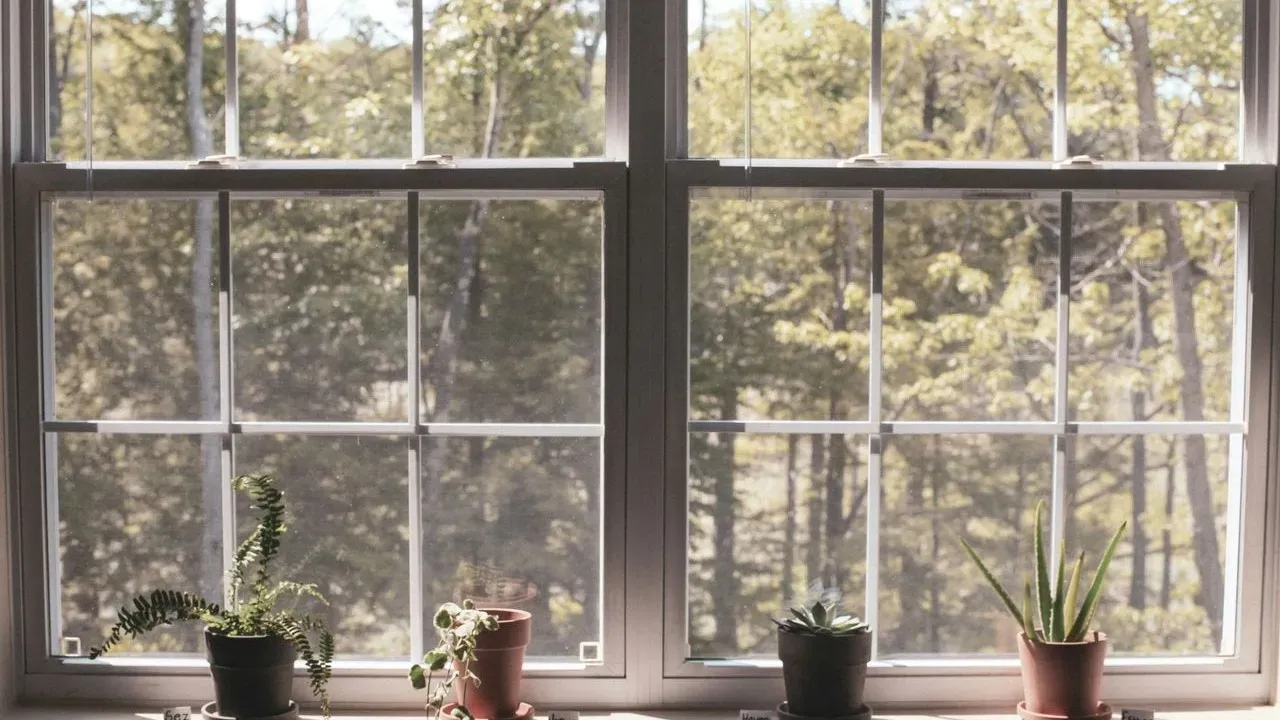

Many homeowners turn to window tinting for better temperature control and UV defense, yet questions often arise about whether the films limit the light that indoor plants require. The answer depends less on tinting itself and more on the specific film’s visible light transmission rating and the needs of each plant. Tropical species adapted to filtered conditions frequently continue to grow well, while plants that demand intense brightness may need extra attention or relocation.
How Plants Use Light for Growth
All green houseplants rely on light to drive photosynthesis, the process that turns energy into the sugars supporting stems, leaves, and roots. The amount and quality of visible light matter far more than whether the source passes through treated or untreated glass. Many popular indoor varieties, including peace lilies, pothos, and philodendrons, evolved under forest canopies where they receive dappled rather than direct sun. Succulents and cacti, by contrast, typically need stronger exposure to avoid weak, stretched stems. A film that allows sufficient visible light can support healthy growth even when it blocks other parts of the solar spectrum. Conditions also vary with window direction, season, and nearby trees or buildings, so the same tint performs differently from one room to the next.
Visible Light Transmission and Film Options
Window films are rated by the percentage of visible light they let through, known as VLT. Higher ratings preserve a brighter interior, while lower ones create more shaded conditions. Clear or nearly invisible films now offer strong UV rejection, often above 90 percent, without noticeably darkening a room. These products protect furnishings from fading while leaving most of the light plants use intact. Solar-control films add heat reduction, which can prevent scorching near west-facing windows during summer. Homeowners should review technical data on both VLT and heat rejection before installation, especially when plants occupy the space. Discussing specific rooms and plant types with the installer helps match the film to actual growing conditions.
Plants That Perform Well and Those That Need Brighter Spots
Several reliable houseplants tolerate moderate light levels behind properly chosen films. Peace lilies produce their white blooms best in bright indirect light yet survive lower levels. ZZ plants store water in thick leaves and rhizomes, allowing them to endure reduced light and infrequent watering. Snake plants and cast iron plants likewise handle filtered conditions with minimal fuss. Pothos trails attractively in hanging baskets when given steady, moderate exposure. Other varieties fare less well when light drops sharply. Most cacti and succulents stretch or weaken without strong illumination. Indoor citrus trees and bird of paradise plants also require abundant light to flower and fruit. Fiddle leaf figs prefer consistent brightness to maintain compact growth. Placing these species near the brightest available windows or selecting a high-VLT film reduces the risk of problems.
Simple Adjustments That Support Healthy Growth
Position plants as close as practical to the windows that receive the most natural light during the day. Rotate pots every week or two so all sides receive even exposure and growth stays balanced. Dust on leaves or glass reduces available light, so regular cleaning helps. Lower light often means slower growth and reduced water use, so check soil moisture before watering rather than following a fixed schedule. When natural light remains insufficient, supplemental LED grow lights provide targeted help for seedlings or sun-loving varieties. These small steps allow many indoor gardens to thrive behind tinted windows without major changes to plant selection or care routines.
AI Disclaimer: This article was created with the assistance of AI tools and reviewed by a human editor.