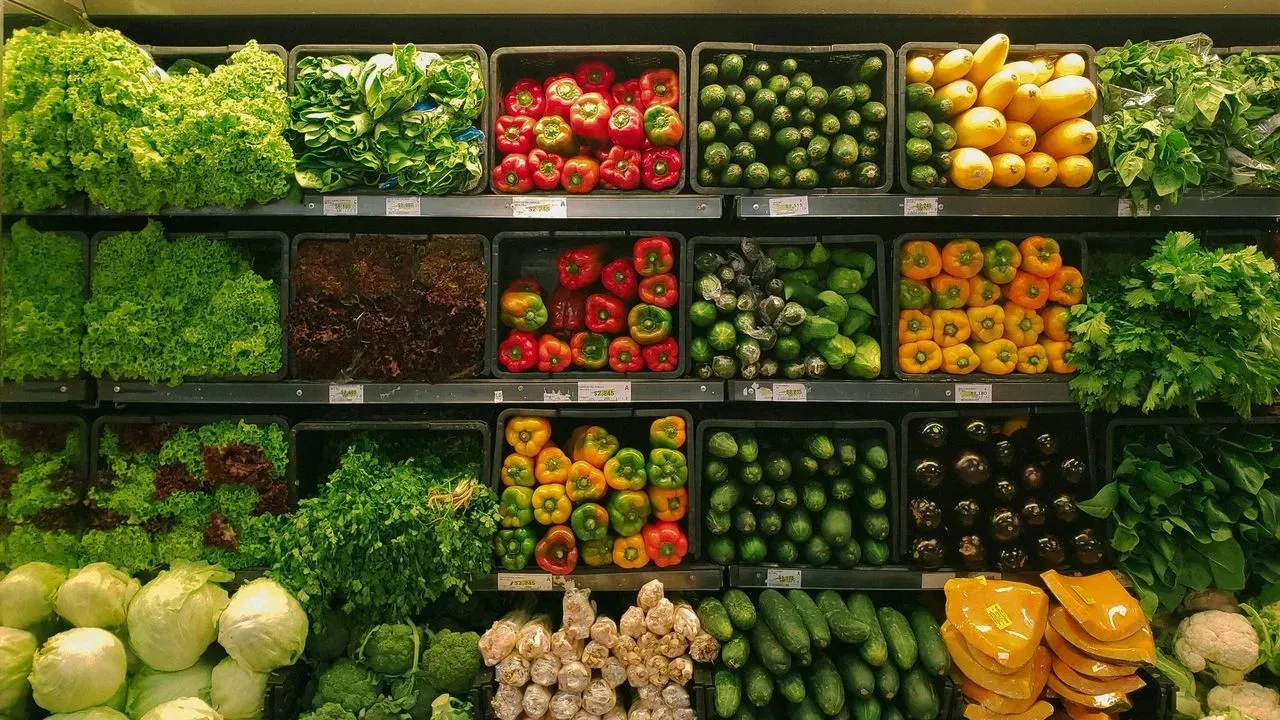

Retailers now rely on sophisticated software to adjust what shoppers pay for everyday items, and the shift has prompted one major chain to issue an unusual public pledge. Walmart recently told customers it would not use personal data or timing to set higher prices on the same goods. The move highlights a broader change in how stores calculate costs at the shelf and the checkout counter. ([1])
Electronic Labels Replace Paper Tags
Many supermarkets have begun installing small digital screens on shelves that allow central computers to update prices instantly. The technology removes the need for staff to walk aisles with stacks of new stickers. It also reduces the chance that the price shown on the shelf differs from the amount charged at the register.
Company leaders describe the change as a way to free employees for customer service instead of routine maintenance. The same systems can respond quickly to supply shifts or competitor moves without waiting for printed materials. Yet the ease of adjustment raises separate questions about how those new numbers are chosen.
Variable Pricing Tests Surface
Recent checks by consumer groups found that identical products sometimes appeared at different prices on the same app at the same moment. Shoppers using Instacart at one Washington, D.C., location saw an 18-ounce box of corn flakes listed at $2.99, $3.49, or $3.69 depending on the account viewing the page. The company later said the differences came from random experiments rather than individual profiles.
Those tests ended after the findings became public. They still illustrated how prices can diverge without the customer seeing the full picture. When only one number appears on a personal screen, differences remain invisible and therefore hard to question.
Corporate Promises Draw a Line
Walmart chief executive John Furner stated that the retailer prices the product, not the person. He added that customer income, shopping history, or urgency would not affect the cost, and that the company’s AI assistant would not use shared details to raise prices or hide lower options. The statement came as the chain expanded its electronic shelf labels.
Such assurances address concerns that data collected through apps and loyalty programs could be turned against shoppers. They also acknowledge that the tools now available make fine-grained pricing technically possible. A public commitment from one large player does not bind every competitor, however.
Transparency Remains the Core Issue
Traditional paper tags offered a simple, visible number that stayed the same for every customer until an employee changed it. Digital systems can alter that number more often and with less visible effort. The result is a transaction in which one side holds detailed information about the other while the rules stay partly hidden.
Shoppers already accept several steps to receive discounts, from creating accounts to clipping digital coupons. Those steps give stores richer data on preferences. The same data could, in theory, support pricing that reflects how much a buyer appears willing or able to pay. The distinction between recognizing a regular customer and treating that customer as a captive audience matters to many households.
| Aspect | Traditional Approach | Algorithmic Approach |
|---|---|---|
| Price visibility | Same tag for all shoppers | Can vary by account or test group |
| Update speed | Manual sticker changes | Instant central updates |
| Data use | Limited to basic inventory | Draws on browsing and purchase history |
The supermarket aisle has never been an airline booking screen, yet the tools now in place invite similar vigilance. Clear statements from retailers help set expectations, but lasting trust will depend on whether shoppers continue to see the same straightforward number regardless of who reaches for the box.
AI Disclaimer: This article was created with the assistance of AI tools and reviewed by a human editor.