

What Restless Legs Syndrome Actually Is

Restless legs syndrome, also known as Willis-Ekbom disease, is a neurological sensorimotor disorder characterized by an uncontrollable urge to move the legs, typically occurring during rest or inactivity, particularly in the evening or at night. The sensations are usually described as crawling, pulling, or deeply uncomfortable rather than painful in the traditional sense. Moving provides temporary relief, but the moment you stop, the feeling returns.
RLS can significantly disrupt sleep and is frequently associated with periodic limb movement disorder, characterized by involuntary muscle contractions during sleep, further impairing sleep quality. People with the condition often don’t realize they have a recognized disorder at all. Many assume their restless nights are simply a quirk of their body.
How Common Is This Condition

A 2024 systematic review estimated global prevalence at roughly 7 percent of adults, and it runs consistently higher in women than in men. That figure places it among the more common neurological complaints in general medicine. The prevalence of RLS in the general population is estimated at between 2 and 15 percent, with variation depending on how strictly it is defined and which population is studied.
RLS is much more common in western countries. Studies in the United States and Canada put prevalence at around 10 to 15 percent, while European estimates sit somewhat lower at around 5 percent. Age plays a role too, with prevalence climbing steadily across midlife and into older adulthood.
The Iron Connection: Why It Matters

Iron is essential for dopamine synthesis, and a lack of iron has been associated with the manifestation of RLS symptoms. The brain relies on iron as a building block for the enzyme that produces dopamine, the chemical that regulates movement signals in the nervous system. When that supply runs short, the dopamine pathway becomes unreliable.
The link between iron and RLS has long been recognized. RLS symptoms often improve with iron supplementation and worsen with iron loss, yet many patients have normal peripheral iron levels, suggesting that the issue lies in iron regulation within the brain. This is a nuance that still catches many people and some clinicians off guard.
Brain Iron vs. Blood Iron: A Critical Distinction
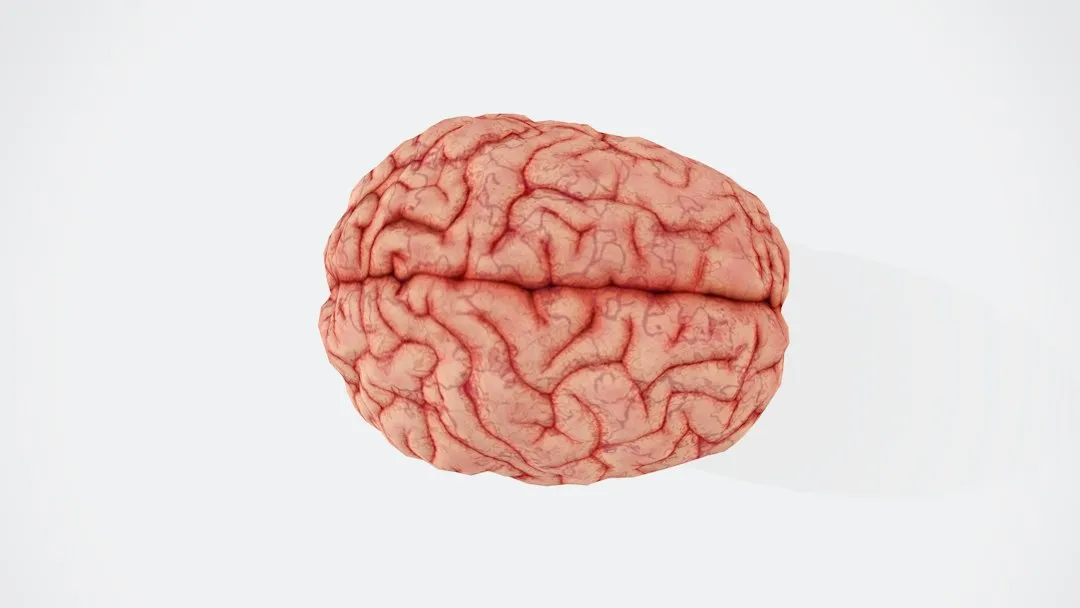
Research indicates that RLS may arise from brain iron deficiency even when systemic iron levels appear normal. This means a standard blood test that comes back looking fine can be genuinely misleading for someone with RLS. The brain and the bloodstream don’t always tell the same story.
MRI research consistently shows reduced iron in the substantia nigra and other dopamine-related brain regions in RLS patients, even when serum ferritin appears normal. This discrepancy likely arises because serum iron is an imperfect proxy for central nervous system iron status, the latter being more critical to RLS pathophysiology. It’s a subtle but important gap in how we typically think about iron deficiency.
The Ferritin Number Worth Knowing

The threshold doctors act on is a ferritin level at or below 75 ng/mL, or a transferrin saturation under 20 percent. Ferritin is the protein that stores iron and releases it when the body needs it. Most standard laboratory reports flag a ferritin result as “low” only at values far below that RLS-specific threshold.
Many conventional labs report 12 to 15 as “normal,” a threshold designed to detect anemia, not to support adequate brain dopamine function. You can have normal blood counts and still have the low iron stores that drive symptoms, which is why a ferritin test matters specifically. Asking for that test by name is often the first step toward getting useful information.
How Much Higher Is the Risk With Iron Deficiency Anemia
The prevalence of RLS is five to six times higher in patients with iron deficiency anemia, and multiple open-label trials have confirmed that iron supplementation can alleviate symptoms. Among people who specifically have iron deficiency anemia, the numbers are striking. The prevalence of clinically significant RLS in that group is nearly nine times higher than in the general population.
People with iron deficiency anemia who also have RLS reported poorer quality of sleep, decreased sleep time, increased tiredness, and decreased energy during the day compared to those with iron deficiency anemia without RLS. The compound effect on daily functioning is real and considerable. It’s not just a nighttime problem; it follows people through their waking hours too.
Who Is Most Vulnerable
The most common causes of RLS are heredity and iron deficiency. Beyond genetics, certain groups face a noticeably higher risk. Systemic iron stores are lower due to growth and expansion of red cell mass, often in the setting of a diet low in iron and exacerbated by blood loss in women after the onset of menstruation. Pregnant women, older adults, and people with chronic kidney disease round out the higher-risk groups.
RLS is highly prevalent among chronic kidney disease patients, especially those on dialysis, and shows a strong association with iron deficiency. Iron deficiency states may also trigger RLS in as many as a quarter to nearly a third of people with iron deficiency overall. That’s a wide population potentially walking around with a treatable cause of their nightly discomfort.
How Treatment Has Shifted in 2025

The 2025 RLS guidelines represent a major shift in treatment strategy. The focus has moved away from dopamine agonists, which were historically first-line therapy, toward iron supplementation and gabapentinoid medications. This is a meaningful change, because dopamine agonists carried a real risk of a phenomenon called augmentation, where symptoms actually worsen over time with continued use.
Iron therapy, either oral or intravenous, is now advised when ferritin levels are below 75 ng/mL, with the target being above 100 ng/mL. These recommendations differ from standard guidelines for the general population. The shift signals a broader recognition that RLS is fundamentally an iron-and-brain problem, not simply a movement disorder to be managed with medication alone.
Oral vs. Intravenous Iron: What Research Shows

Both intravenous and oral iron have been associated with a marked improvement in RLS symptoms, with no statistically significant difference between treatment groups in a 2024 randomized double-blind pilot study. That’s useful for patients and clinicians deciding which approach fits a given situation. Oral iron remains the simpler starting point for most people.
A double-masked trial showed that oral iron therapy provided symptomatic relief for RLS patients with low to normal serum ferritin levels. Ferrous sulfate at 325 mg daily or ferrous fumarate at 200 mg twice a day is recommended for those with ferritin below 75 ng/mL, ideally taken with vitamin C to enhance absorption. Intravenous iron becomes the preferred route when oral supplementation isn’t absorbed well or hasn’t produced results after an adequate trial.
What a Normal Test Result Might Still Be Missing

More than 40 percent of patients with RLS who do not meet criteria for anemia nevertheless have iron indices within the therapeutic threshold for supplementation, defined as ferritin concentrations below 100 ng/mL, transferrin saturation below 20 percent, or both. This means a large proportion of people with RLS look, on paper, like they don’t have a significant iron problem. The condition is quietly underdiagnosed for exactly this reason.
Functional iron deficiency, even with normal ferritin, may underlie persistent symptoms. A ferritin result that is “normal” on a general laboratory report may still be relevant to RLS. Ferritin must be interpreted alongside transferrin saturation and the clinical setting. Getting the full picture requires a specific conversation with a clinician who is familiar with these RLS-specific thresholds.
The Takeaway

Restless legs at night are easy to dismiss as a stress response or a sign of aging. The research increasingly suggests that for a substantial portion of people, the more useful question is: how is your iron? The brain’s need for iron to produce dopamine is not optional, and the threshold the body needs to support that function is considerably higher than the threshold used to diagnose anemia.
If nighttime leg restlessness is disrupting your sleep and no clear cause has been identified, asking specifically for a ferritin and transferrin saturation test is a reasonable next step. A result that looks fine by general lab standards may still fall short of what the brain needs. That gap, small on a lab printout, can make a significant difference to the quality of a night’s rest.
AI Disclaimer: This article was created with the assistance of AI tools and reviewed by a human editor.