
1. Creaking, Popping, or Groaning Sounds from Above
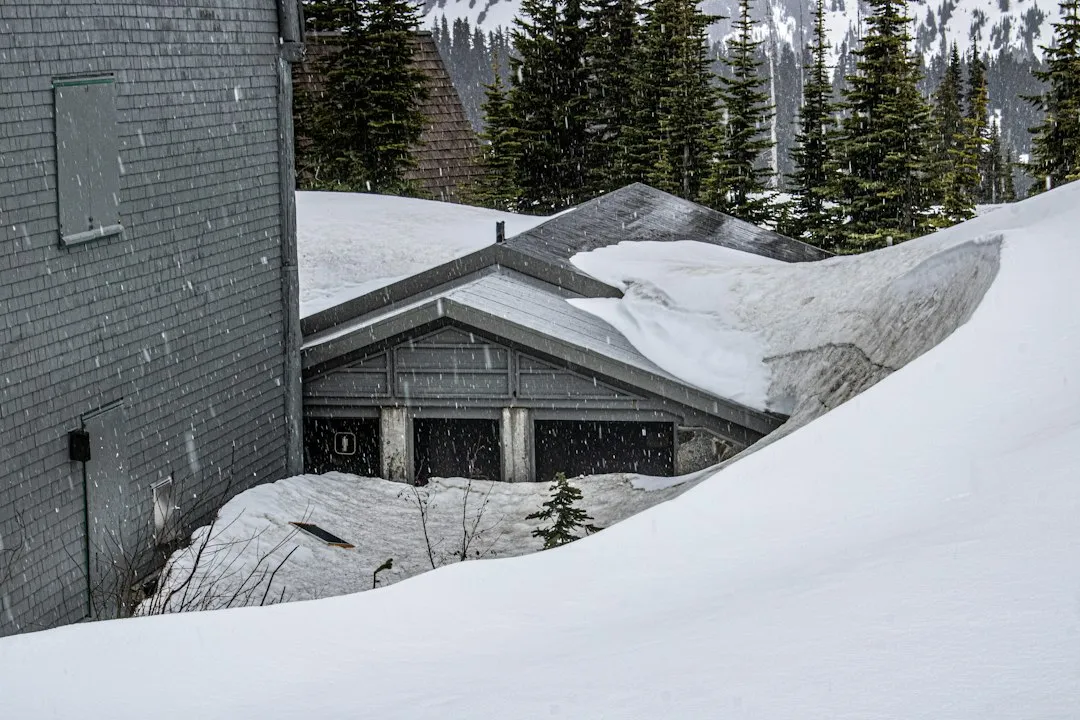
Unusual creaking or groaning sounds from the structure signal that the roof is struggling with snow load capacity beyond safe limits. These aren’t the normal settling sounds most homes make. They tend to be louder, more persistent, and noticeable from multiple rooms at once.
If you hear your roof popping or groaning under snow load, get your family out of the house and call a professional immediately. That’s not an overreaction. By the time a roof becomes audibly distressed, structural damage may already be underway.
2. Visible Sagging or Bowing in the Roofline
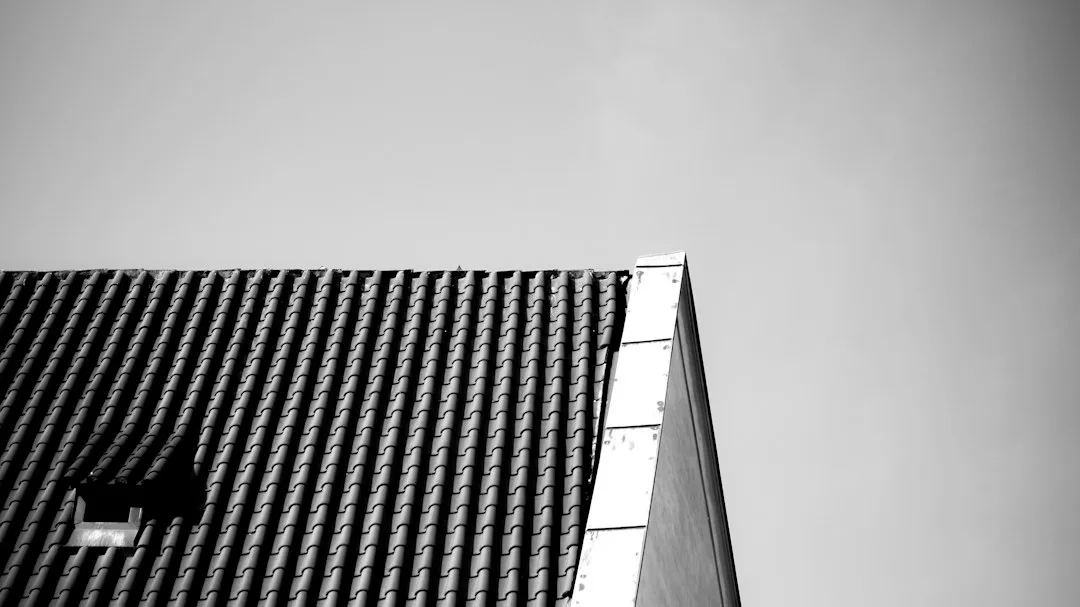
If your roofline appears to bow, sag, or dip in areas where it used to run straight, that’s a serious structural warning sign. It typically means the roof decking beneath the shingles has absorbed moisture and weakened, or that it’s bearing more load than it was designed to handle.
Sagging or bowing visible in a garage, porch, carport, or other lighter-framed structure attached to or near the house are frequently the first to show stress because they’re often built to a lighter load than the main house. Don’t dismiss a drooping porch roof as a minor cosmetic issue. It may be your earliest warning.
3. Doors and Windows That Suddenly Stick
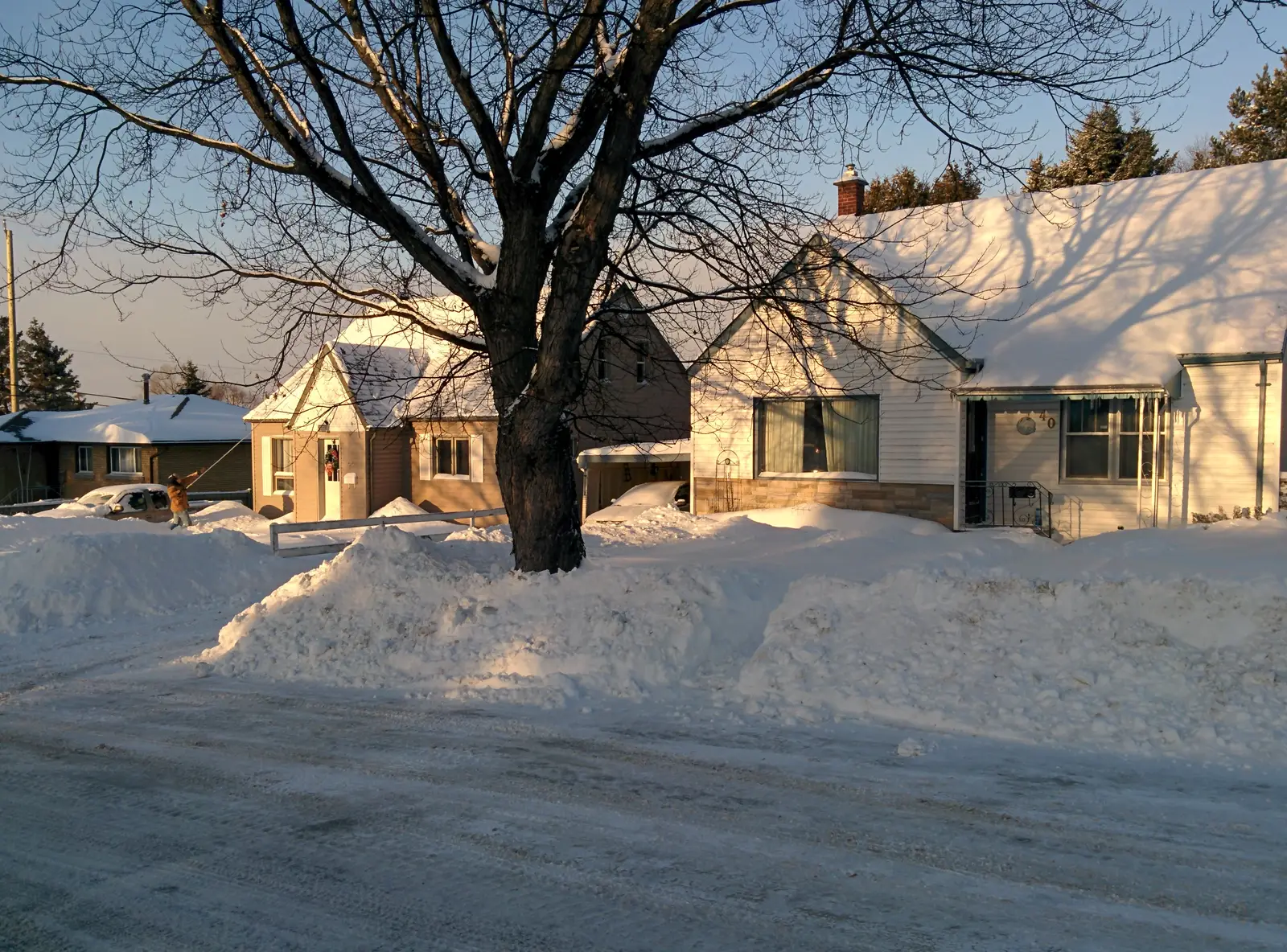
When doors suddenly stick, won’t close properly, or gaps appear around frames, the building frame may be deflecting under snow load pressure. This is one of the most reliable early indicators because door frames are sensitive to even subtle shifts in the structure above them.
If multiple doors begin sticking simultaneously during a heavy snow period, this is an early warning sign that the structure is under significant stress. A single sticky door in winter is often just humidity. Multiple sticky doors during peak snowfall is something else entirely.
4. New Cracks in Walls or Ceilings
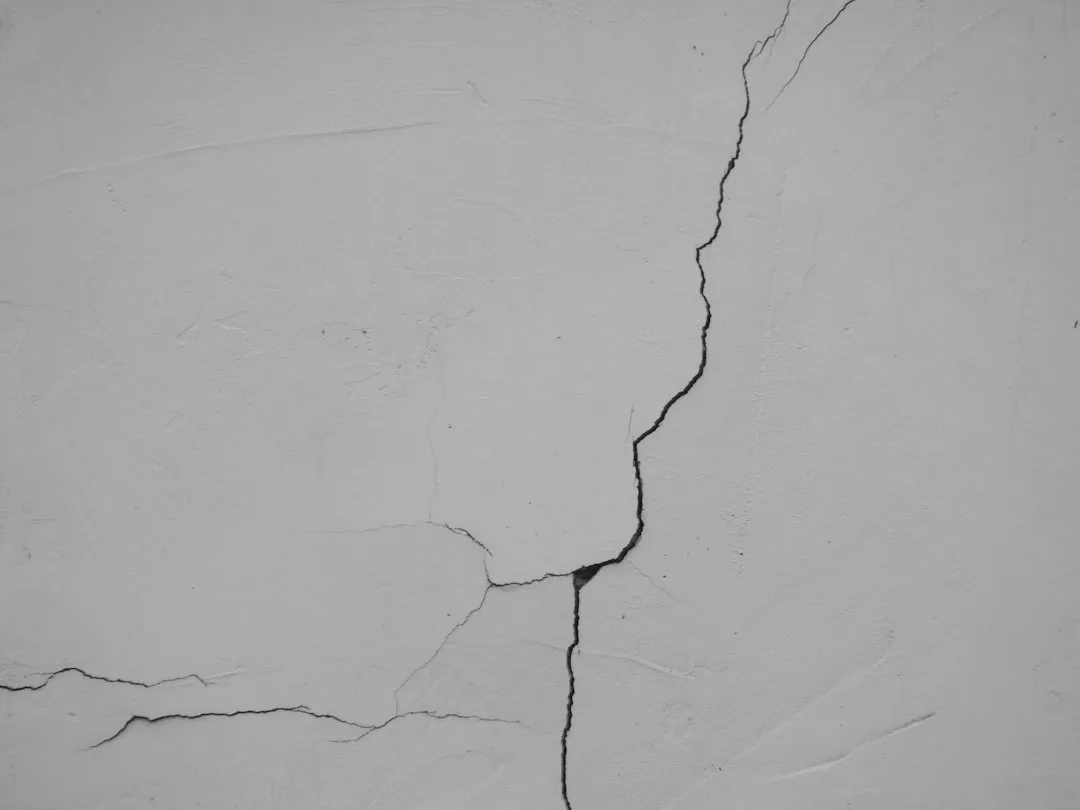
Warning signs of dangerous snow load include new cracks appearing in drywall or plaster, especially near the ceiling, and bowing or cracked rafters visible from the attic. These cracks often run diagonally from corners and are easily mistaken for normal seasonal settling.
Cracks in load-bearing walls running downward from the ceiling, often diagonally, are a sign of critical snow load levels that require immediate intervention. Photograph any new cracks you find and share them with a structural inspector. Their trajectory and location matter.
5. Snow Depth Exceeding Safe Thresholds
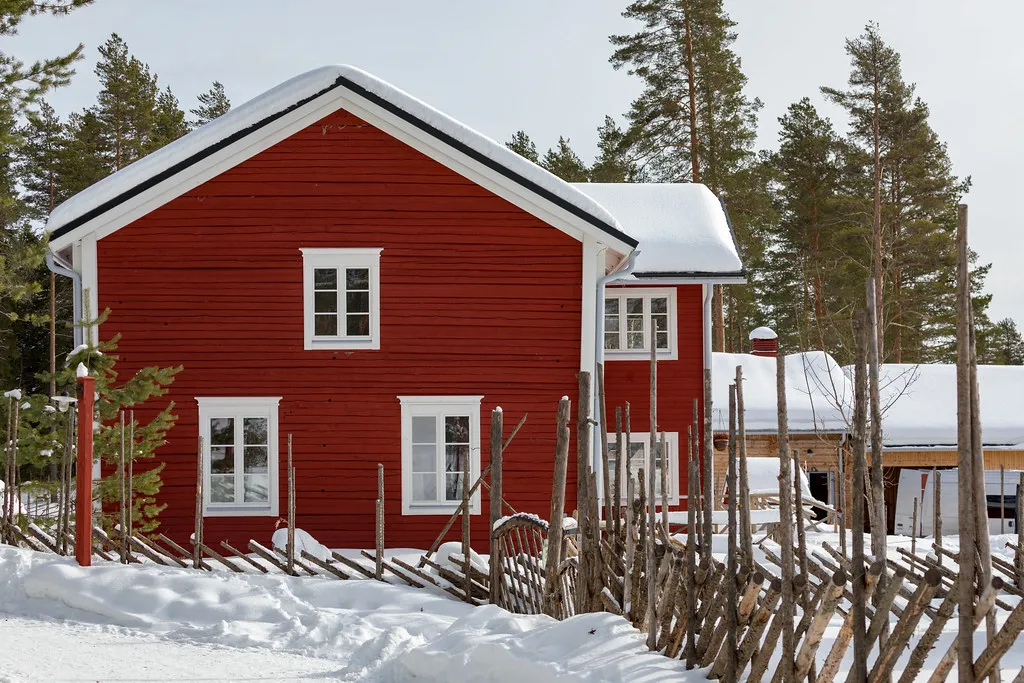
Twelve inches of dry snow equals roughly five pounds per square foot, while twelve inches of wet, compacted snow can reach up to twenty pounds per square foot. A roof holding two feet of heavy, wet snow could mean forty to fifty pounds per square foot, approaching the design limit for many homes.
Most residential roofs are rated for twenty to thirty pounds per square foot of live load. Fresh snow weighs approximately five pounds per square foot, packed snow fifteen to thirty, and ice approximately fifty-seven pounds per square foot, according to the National Weather Service. Wet snow topped with a layer of ice is one of the most dangerous combinations a residential roof can face.
Situations requiring immediate professional intervention include accumulation depths exceeding twelve inches of wet snow or twenty-four inches of dry snow, and when homeowners cannot safely access affected areas from ground level using appropriate removal equipment.
6. Ice Dams Forming at the Roof’s Edge
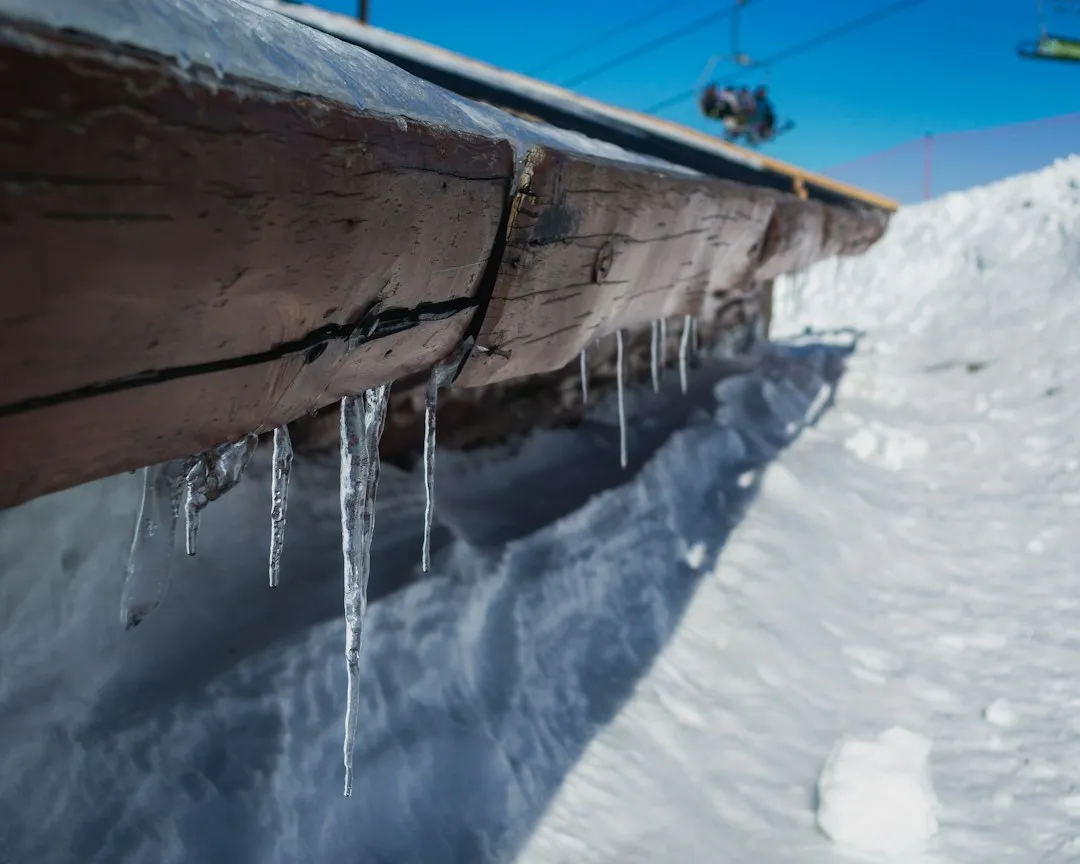
Ice dams form when warm air from the attic causes snow on the roof to melt. That meltwater runs down toward the eaves, where the roof surface is colder, and refreezes into a growing ridge of ice that traps subsequent meltwater on the roof surface above it.
A visible ridge of ice along the eaves is one of the clearest signs of an ice dam. The bigger concern is ice that repeatedly forms in the same areas after snow melts. Icicles combined with a ridge of ice behind the roof edge are a stronger warning sign because water may be collecting instead of draining freely.
Ice dams have been known to cause ten thousand dollars or more in damage in a single winter. That figure becomes even more sobering when you factor in mold remediation, which is often a downstream consequence of moisture infiltration.
7. Water Stains on Ceilings and Upper Walls
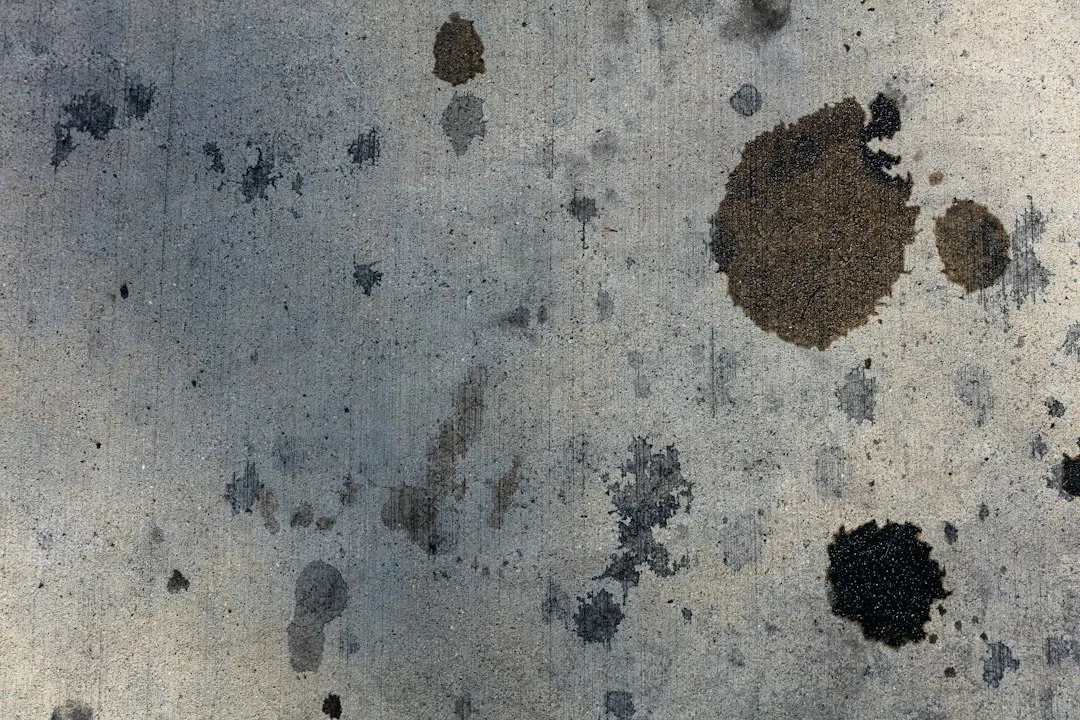
Brown spots, bubbling paint, or faint rings near exterior walls, skylights, or upstairs ceilings can indicate moisture intrusion. Ice dams can push water in strange directions, so leaks do not always show up directly below the problem area.
The visible stain may not sit directly below the entry point, so inspection should trace moisture uphill through the attic rather than assuming the roofing defect is directly above the wet ceiling. This is why staining near an interior wall can actually point to a problem at the roofline several feet away.
8. Uneven Snow Melt Patterns on the Roof
An uneven snow pattern across your roof is often the first outdoor clue that something’s wrong. If you notice bare patches alongside snow-covered ones, it’s likely due to uneven heat escaping from the attic. A well-insulated attic keeps the entire roof surface at a relatively uniform temperature, so visible patchiness suggests insulation gaps or ventilation problems.
Professionals look for signs of heat transfer such as thin or uneven insulation, gaps around plumbing stacks or chimneys, and unsealed attic hatches. These areas allow warm air to escape and contribute directly to the formation of ice dams. Spotting this pattern early gives you the chance to address the root cause before it escalates.
9. Damp Insulation or Frost in the Attic
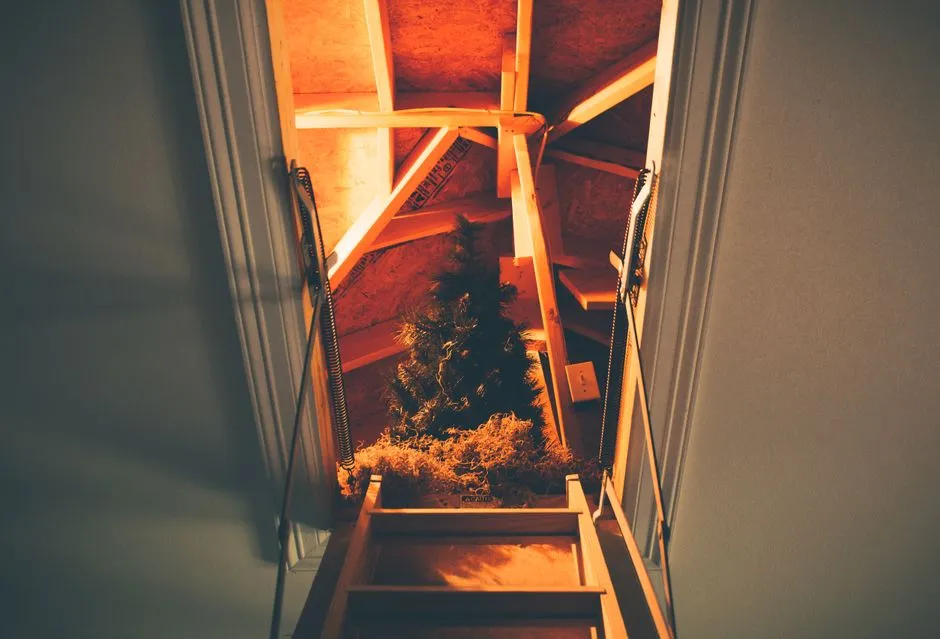
If you can safely check your attic, look for damp insulation, frost on nails, or a musty smell. Moisture in the attic can worsen ice dam conditions and can also lead to mold and wood damage. Frost on nail heads or roof sheathing is a specific indicator that warm, humid interior air is reaching the cold attic space.
A musty, damp odor in the attic is an early warning that moisture is present but hidden. Over time, moisture reduces the insulation’s efficiency and increases the attic temperature enough to trigger snowmelt on the roof, feeding the ice dam cycle from within. It can be a self-reinforcing problem if left unaddressed.
10. Sagging or Pulling Gutters
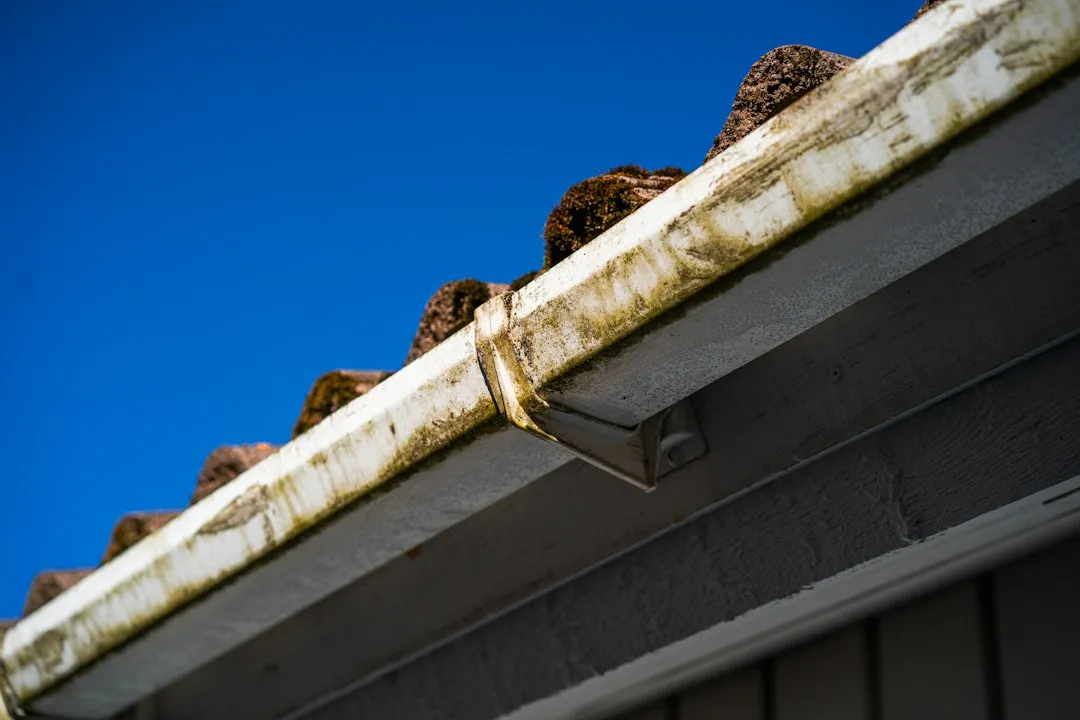
Ice dams often form around gutters, adding excessive weight. Sagging or detached gutters can signal ice accumulation. When the gutter system starts separating from the fascia board, it means the ice load on those gutters has become significant enough to overcome the mounting hardware.
Ice buildup at the edge of your roof puts enormous, sustained strain on your gutters. Ice dams typically form along roof edges, overhangs, and gutters. Inspectors pay close attention to these areas for signs of previous ice damage, such as lifted shingles, sagging gutters, or water stains along the eaves. Once the gutter separates, it can no longer channel meltwater away from the foundation, creating a second set of problems below.
The Stakes Are Real and the Evidence Is Clear

Government officials in Anchorage took the unprecedented step of warning more than one thousand commercial property owners that their roofs could be at risk of collapse because of record-breaking snow loads during the 2023–2024 winter. Over seventy percent of residents surveyed by the University of Alaska Anchorage expressed concern about heavy snow load on their homes. That level of public worry reflects something real.
There’s no universal number to check your roof against. Capacity is set by local building code and your roof’s specific age and design. The practical approach is to watch for warning signs such as sagging, new cracks, sticking doors, and unusual sounds, rather than trying to estimate a weight limit, and to get a professional structural assessment if you see any of them.
None of these signs require expertise to notice. They only require attention. Staying observant during winter storms, particularly in the twenty-four hours after heavy accumulation, gives you the best possible chance of catching a problem while it’s still correctable. A professional roof inspection after a severe snow season is a small investment against a very large potential loss.
AI Disclaimer: This article was created with the assistance of AI tools and reviewed by a human editor.