
Most people have been behind the wheel long enough to know that left turns feel different. You’re crossing oncoming traffic, reading multiple signals, judging gaps, watching for pedestrians, and making split-second decisions – all at once. For younger drivers, that complexity becomes routine. For older drivers, it stays genuinely hard.
The research is consistent and striking. Crash data, naturalistic driving studies, and traffic safety reports all point to the same conclusion: the unprotected left turn is one of the most dangerous maneuvers an older driver will make. Understanding why matters, not just for policymakers, but for families navigating one of the most sensitive conversations in aging.
The Numbers Tell a Clear Story

Drivers aged 75 and older have by far the highest national left-turn fatal crash involvement rate, at 12.77 per 100,000. That figure stands well above every other age group when data from 2020 through 2024 is examined. It isn’t close.
In urban intersections in Minnesota and Illinois, left-turn collisions represented roughly 60.7% of collisions for drivers aged 75 and older, compared with just 28% for drivers aged 30 to 74. That’s not a small gap – it’s a more than twofold difference, pointing to something structural about how age and left turns interact.
Compared with younger drivers, senior drivers are more likely to be involved in angle crashes, overtaking or merging crashes, and especially intersection crashes. Among passenger vehicle drivers involved in fatal crashes in 2024, multiple-vehicle crashes at intersections accounted for 43% of crashes for drivers 80 and older, compared with 24% for drivers ages 16 to 59.
Vision Decline Makes the Turn Genuinely Harder
Research shows that both static and dynamic visual acuity deteriorate with age, though dynamic visual acuity deteriorates more rapidly. Dynamic acuity is exactly what you need during a left turn – tracking a moving vehicle approaching from the left while you inch forward into the intersection.
A study on older drivers with cataracts found that drivers with deficits in visual acuity and contrast sensitivity were significantly more likely to report difficulty with many driving maneuvers. For left turns specifically, drivers with worse than 20/50 acuity had a nearly tenfold reported increase in left-turn difficulty. That’s a striking number for what many people think of as a simple daily action.
Vision deterioration impairs elderly drivers’ ability to see other vehicles in all directions. Cognitive challenges mean they often can’t make decisions fast enough – especially about whether and when to make a left turn ahead of vehicles approaching from the right.
Slower Reaction Times Change the Calculus of Every Gap
A left turn across oncoming traffic requires judging whether a gap between approaching cars is large enough to complete the maneuver safely. That judgment depends heavily on reaction speed. Compared to younger participants, older drivers experience significantly slower reaction times, have more collisions, drive slower, and exhibit greater performance inconsistency.
Research strongly suggests that a decline in processing speed is the fundamental mechanism mediating most cognitive changes that occur with age. In practical terms, by the time an older driver has fully processed an approaching vehicle’s speed and distance, the usable gap may already be closing.
Left turns are clearly the most challenging maneuver for older drivers since they experience difficulty in judging time to collision and acceptable gap lengths. This isn’t about confidence or attention – it’s about the raw speed at which the brain processes dynamic information.
Cognitive Decline Quietly Reshapes Driving Behavior
Research investigating the relationship between cognitive status and the likelihood of making left turns found that greater cognitive impairment was significantly associated with reduced odds of a driver making a left turn. Conversely, a lower frequency of left turns was also associated with greater cognitive decline. It works both ways – decline leads to avoidance, and avoidance can be a signal of decline.
Left-turn avoidance may serve as a behavioral marker of early cognitive decline. A study from the Longitudinal Research on Aging Drivers project showed that the monthly ratio of right turns to left turns was among the most predictive features in classifying drivers with mild cognitive impairment or dementia.
Age-related changes such as slower reaction time, impaired vision, and cognitive decline still put older drivers at risk of crashes, and when such crashes happen, older drivers are more likely to be killed or seriously injured than younger drivers.
Failure to Yield Is the Most Common Critical Error
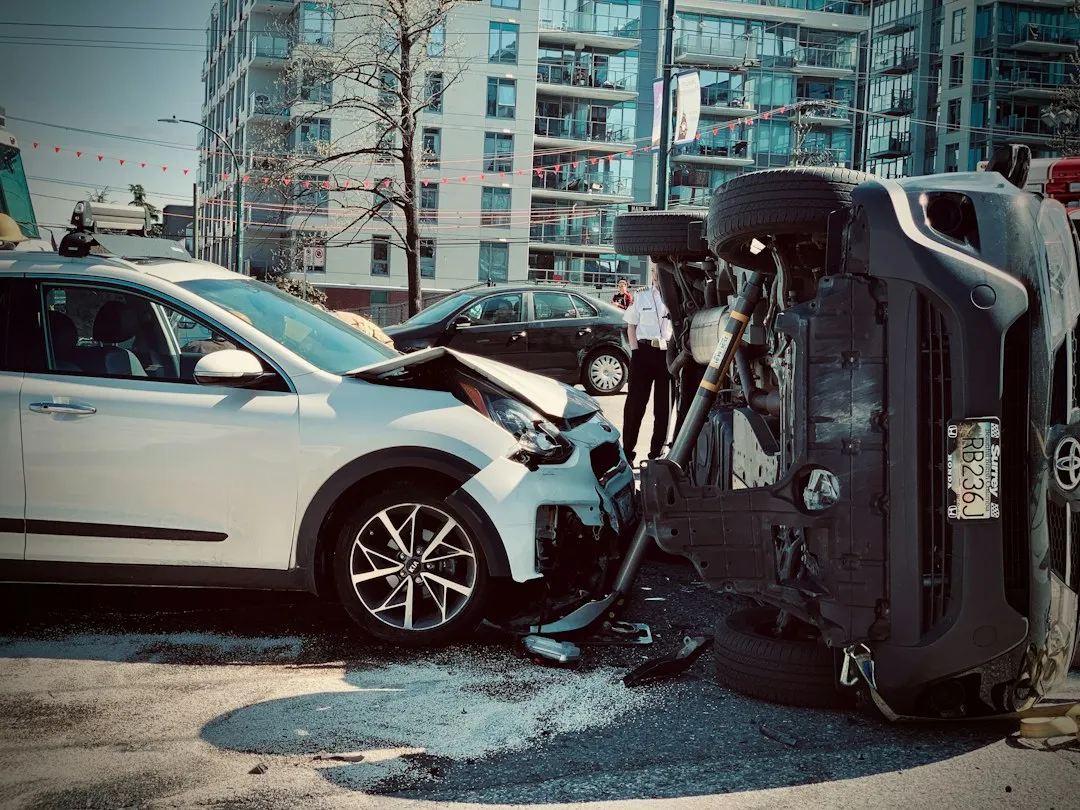
Crashes where drivers failed to yield the right-of-way increased with age and occurred mostly at stop sign-controlled intersections, generally when drivers were turning left. Drivers aged 80 and older predominantly failed to see or detect the other vehicle at all. These aren’t judgment calls gone wrong – they are failures of perception.
Failure to yield the right of way to other vehicles led to more than half of the intersection crashes for which drivers 80 or older were responsible. This compared with about one-third of the intersection crashes for 70 to 79 year olds and about a quarter for drivers aged 35 to 54. The pattern scales cleanly with age.
Research suggests that senior drivers are overrepresented in crashes at non-signalized intersections more so than in crashes at signalized intersections, and that it was the senior driver who was making the turning maneuver and was more likely to have failed to yield or to have disregarded traffic signals.
Sensory, Physical, and Cognitive Challenges All Converge at Once
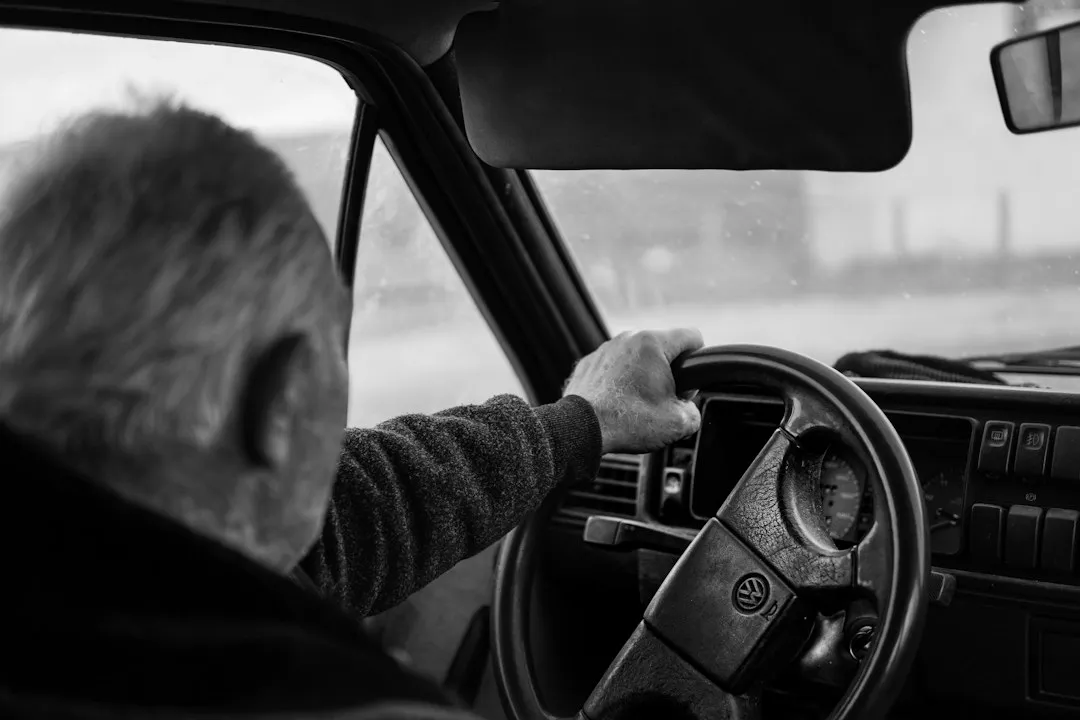
What makes the left turn uniquely punishing for older drivers is that it doesn’t test one ability at a time. It tests all of them simultaneously. Intersections appear to be hazardous to older drivers, particularly during left turns, due to one or more of the following: sensory, perceptual, cognitive, physical, and general driving knowledge deficiencies.
Safety problems for the older driver are directly tied to the aging process, including changes in vision, hearing, medication, cognition, and physical condition – all of which contribute to driving errors. During a left turn, those changes converge in a single moment of decision.
Research consistently shows that older adults experience age-related declines in attentional control, visual processing, and cognitive flexibility, all of which are essential for safe driving, especially when engaging in multitasking or responding to unexpected hazards. A left turn is, by definition, a multitasking event.
Older Drivers Are a Growing Share of the Road
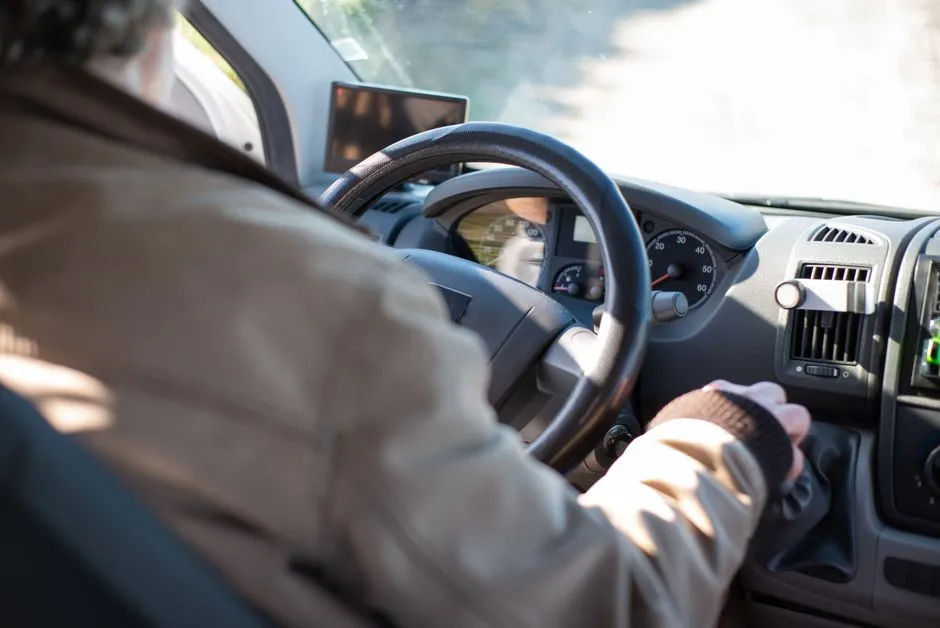
This isn’t a niche concern. The scale of the population involved makes it a genuine public safety issue. The number of licensed drivers aged 70 and older more than doubled between 1997 and 2024. More older drivers on the road means more exposure to exactly the kinds of situations where risk is concentrated.
Drivers aged 65 and older accounted for roughly one in four of all licensed drivers in 2024, a significant jump from about one in five in 2015. That share is still growing. Car crash deaths involving older drivers increased by 1.5% in 2024, from 9,587 in 2023 to 9,727.
According to the American Medical Association, mature drivers have a higher risk of traffic fatalities not only because they tend to be involved in more motor vehicle crashes per mile driven than middle-aged drivers, but also because they are more physically fragile than their younger counterparts. Both sides of that equation – crash frequency and injury severity – point in the same direction.
The Crash Pattern Differs Even Within Older Age Groups

It’s worth noting that “older driver” isn’t a single category. Drivers aged 65 and older can be divided into meaningful subgroups – those aged 65 to 74, 75 to 84, and 85 and older – and driving errors contributing to crashes increase with age, especially in the 75 to 84 age group.
Older drivers may face age-related challenges in performing specific driving behaviors such as turning and changing lanes, and these challenges differ across age groups within older adults. The 85-plus group and the 75-to-84 group face meaningfully different risk profiles, not just a single slope of decline.
Factors leading to intersection crashes vary with age, even between two age groups of older drivers. This matters for how interventions and conversations with aging drivers are approached. Blanket warnings are less useful than age-specific understanding.
Infrastructure Changes Can Make a Measurable Difference
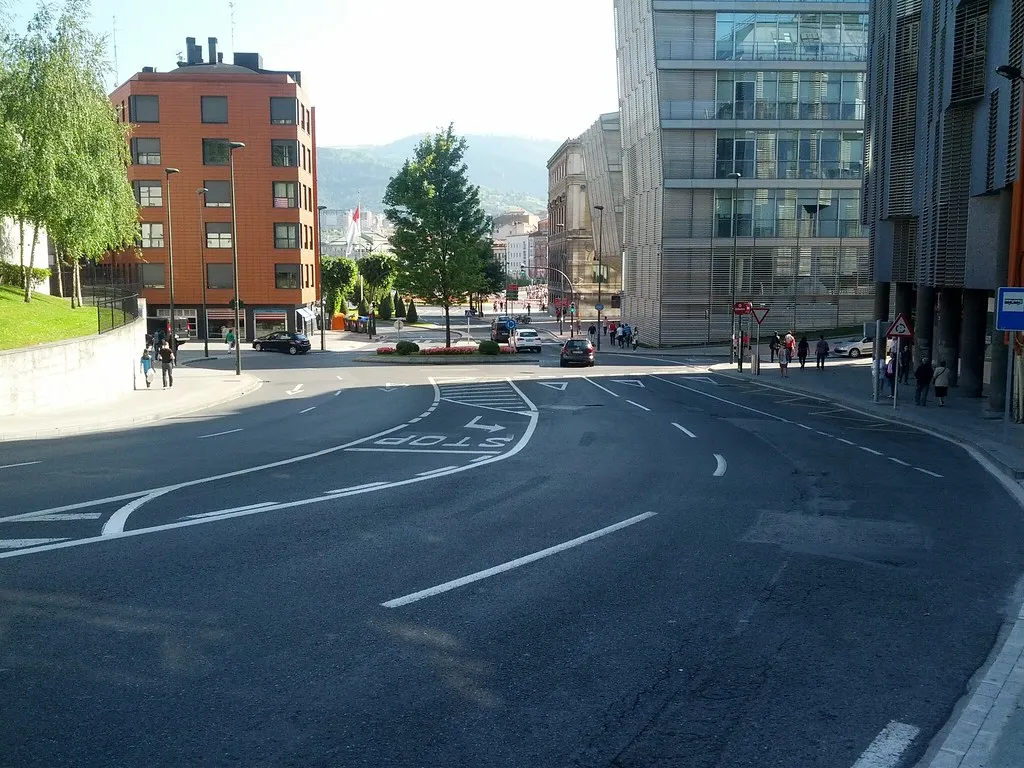
Intersections are a particular problem for older drivers, and countermeasures may include adding left-turn lanes and left-turn traffic signals. One study found that low-cost modifications to intersections – such as making traffic signals more visible or adding a dedicated left-turn lane – resulted in a 13% greater reduction in injury crashes per licensed driver aged 65 and older compared with drivers ages 25 to 64.
Roundabouts and protected left turn lanes at signalized intersections may help to reduce failure-to-yield crashes at intersections, especially among older drivers. These are practical, proven tools – not futuristic fixes. Many communities already have the ability to implement them.
In at least one intersection study, the presence of passengers was found to have a protective influence: passengers in the vehicle of the senior driver reduced their odds of being involved in a left-turn crash and a gap-acceptance crash. That’s an underappreciated finding with real-world implications for families.
Self-Regulation: When Older Drivers Know to Avoid the Turn
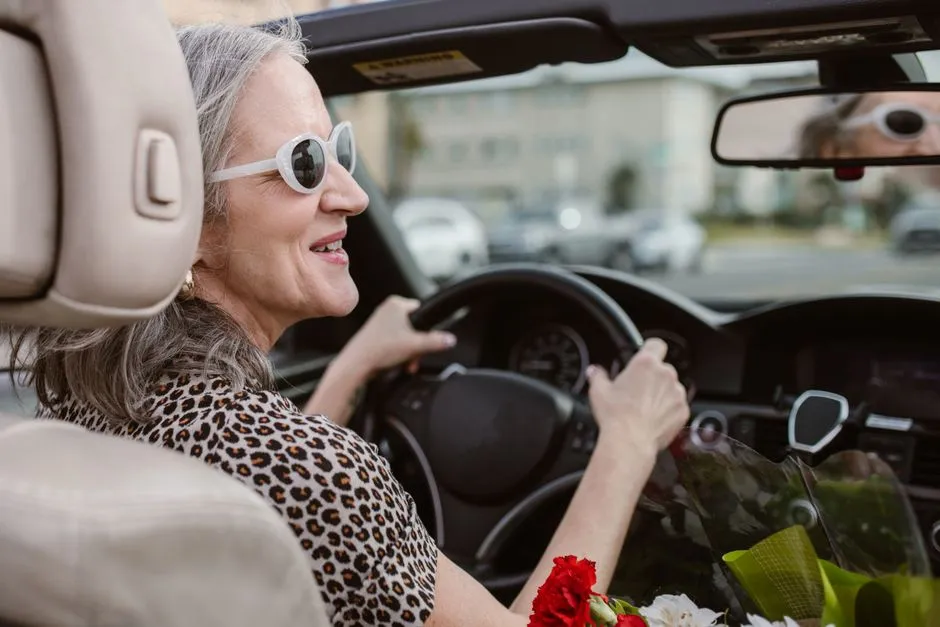
Some older drivers do recognize the danger and adapt accordingly. Avoiding left turns entirely – routing around them, or waiting for protected signals – is a well-documented self-regulatory behavior. As cognitive impairment progresses over time, older drivers become less likely to make left turns. For some, this is a deliberate safety strategy; for others, it’s an unconscious response to difficulty they’re starting to feel.
Older adults are less likely than drivers in any other age group to speed or to drive in bad weather, at night, or under the influence of substances. That instinct toward caution is real. The problem is that caution only goes so far when the underlying sensory and cognitive tools have genuinely changed.
Findings from Washington University School of Medicine research suggest that routine cognitive testing – particularly screening designed to detect the earliest, most subtle decline – could help older adults and their physicians make informed decisions about driving that maximize safety while preserving independence as long as possible. Left turns may not be the conversation anyone wants to have, but the data makes a strong case for having it early.
The Takeaway
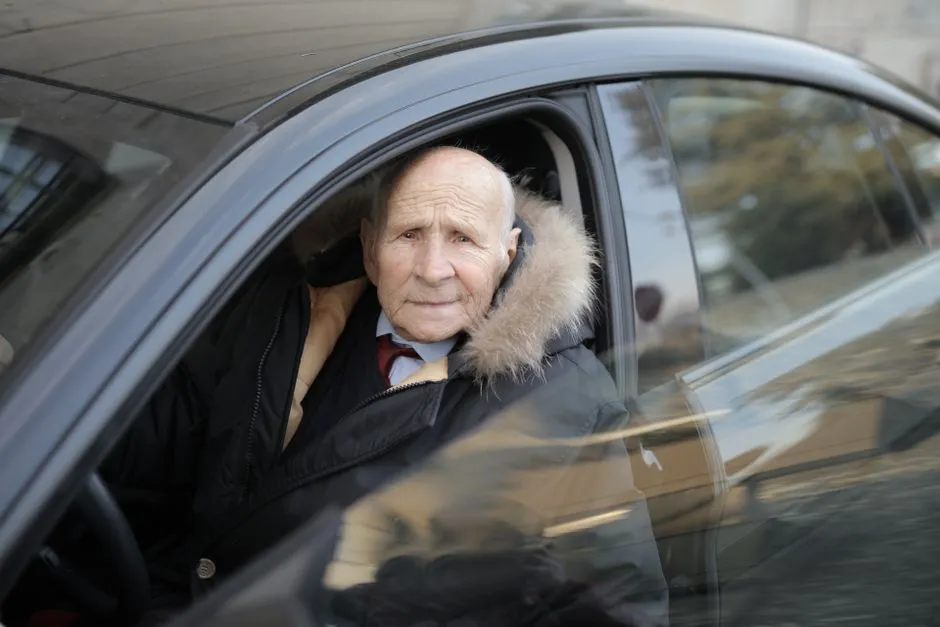
The left turn isn’t just a driving maneuver. For older drivers, it’s a point where age-related changes across vision, cognition, reaction time, and physical flexibility all show up at the same moment. The crash statistics, the naturalistic driving studies, and the physiological research all arrive at the same conclusion through different routes.
The encouraging side of this is that solutions exist – protected turn signals, roundabouts, better intersection design, and early cognitive screening all reduce the risk in measurable ways. The infrastructure piece, in particular, is one where modest investment has already shown real returns.
What this topic ultimately calls for is a shift in how roads are built and how conversations about older driving are held – grounded in evidence rather than assumption, and specific rather than sweeping. The left turn is where the challenge is clearest. It’s also, for that reason, where the most targeted progress can be made.
AI Disclaimer: This article was created with the assistance of AI tools and reviewed by a human editor.