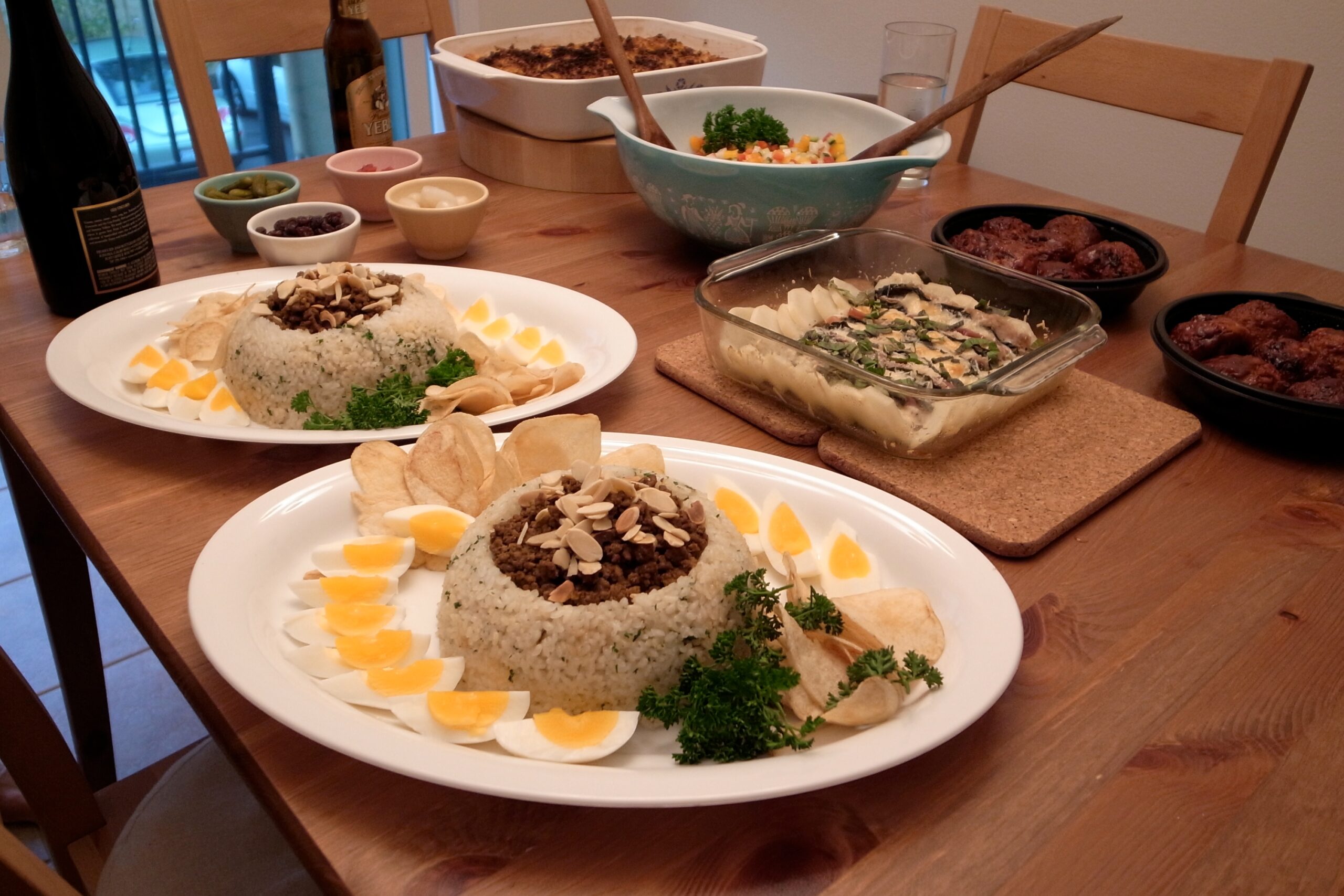

Holiday potlucks feel warm, generous, and low-risk. After all, everyone’s cooking from the heart, right? The trouble is that “made with love” doesn’t always translate to “made safely,” and the gap between those two things is exactly where foodborne illness tends to sneak in.
According to the Centers for Disease Control and Prevention, roughly one in six Americans gets sick each year from contaminated food or beverages, and these illnesses are largely preventable with proper food safety practices that often break down at potlucks. Knowing which specific dishes carry the most risk is the first step toward a gathering that everyone actually enjoys.
Foil-Wrapped Baked Potatoes: The Biggest Surprise on the Table
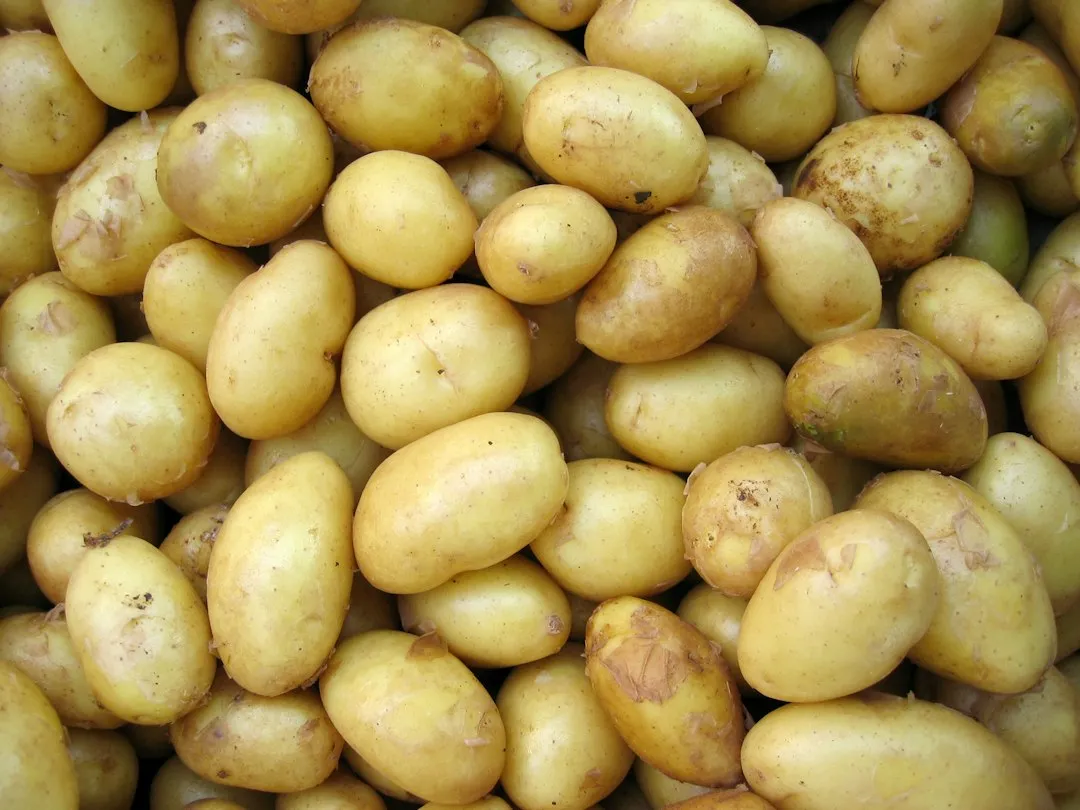
When potatoes are baked while tightly wrapped in aluminum foil, it creates an anaerobic, or oxygen-free, environment that forms the perfect conditions for botulism spores to germinate, grow, and produce botulinum toxin. This is the dish that food safety professionals most consistently flag as dangerous at potlucks, and it’s the one most people never suspect.
There are no visible signs when Clostridium botulinum is growing on food, and it cannot be seen or detected by taste or odor. The foil wrapping retains moisture, which further encourages bacterial growth, with the primary concern being Clostridium botulinum, which can cause the potentially fatal disease botulism. Outbreaks caused by foil-wrapped potatoes have occurred.
To prevent this risk, foil-wrapped potatoes should never be left at room temperature, and any potato baked in foil should be eaten within two hours of cooking. At a potluck, where travel time and serving time easily push past that window, the risk compounds quickly.
Mayonnaise-Based Salads: The Misunderstood Threat
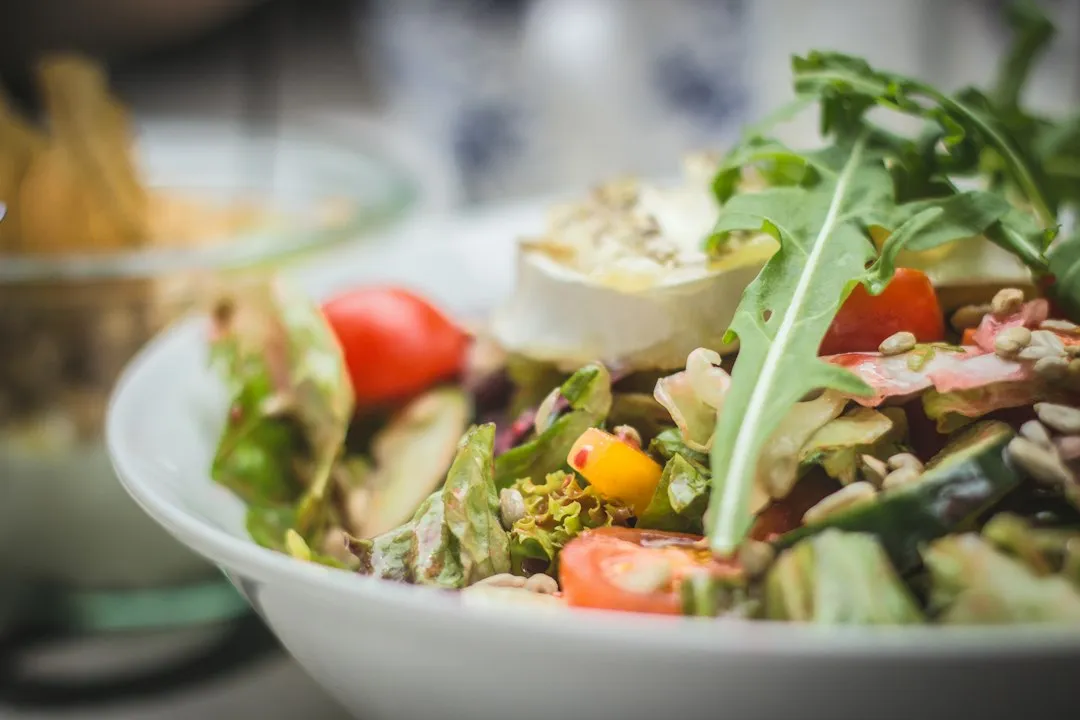
Most people assume that the mayonnaise in potato salad or pasta salad makes those dishes especially prone to bacterial contamination, but in truth, commercial mayonnaise contains acid that actually limits bacterial growth. The real danger comes from the cooked potatoes or proteins mixed into the salad, which provide an ideal nutrient base for bacteria once they warm up.
Foods like custard pies and mayonnaise-based salads should be consumed within the day they are prepared and not stored beyond that. At a potluck, where a bowl might sit on a counter for three hours, that timeline is frequently ignored. The solution, if you do bring one, is nesting the salad bowl inside a larger bowl packed with ice to hold the temperature down.
Stuffing Cooked Inside a Turkey
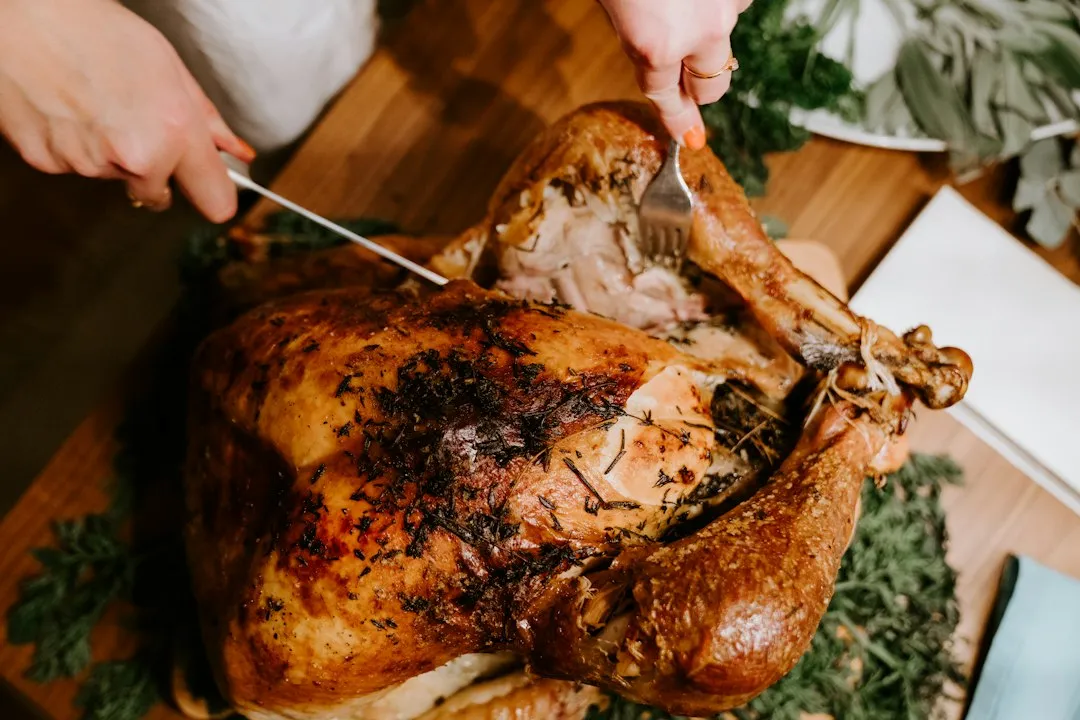
There are some holiday classics to be especially mindful of, and stuffing cooked inside a turkey is near the top of that list. The problem is straightforward: the stuffing sits inside the bird’s cavity, surrounded by raw juices, and it takes far longer to reach a safe internal temperature than the turkey meat itself.
When someone pulls the stuffing out and transports it to a potluck, it may have never fully reached the temperature needed to kill harmful bacteria in the first place. Even if it did, it then begins cooling during the drive over. By the time it hits the table, it could be well within the bacterial danger zone, which the CDC defines as temperatures between 40 and 140 degrees Fahrenheit, where bacteria thrive.
Undercooked or Partially Pre-Cooked Meat Dishes
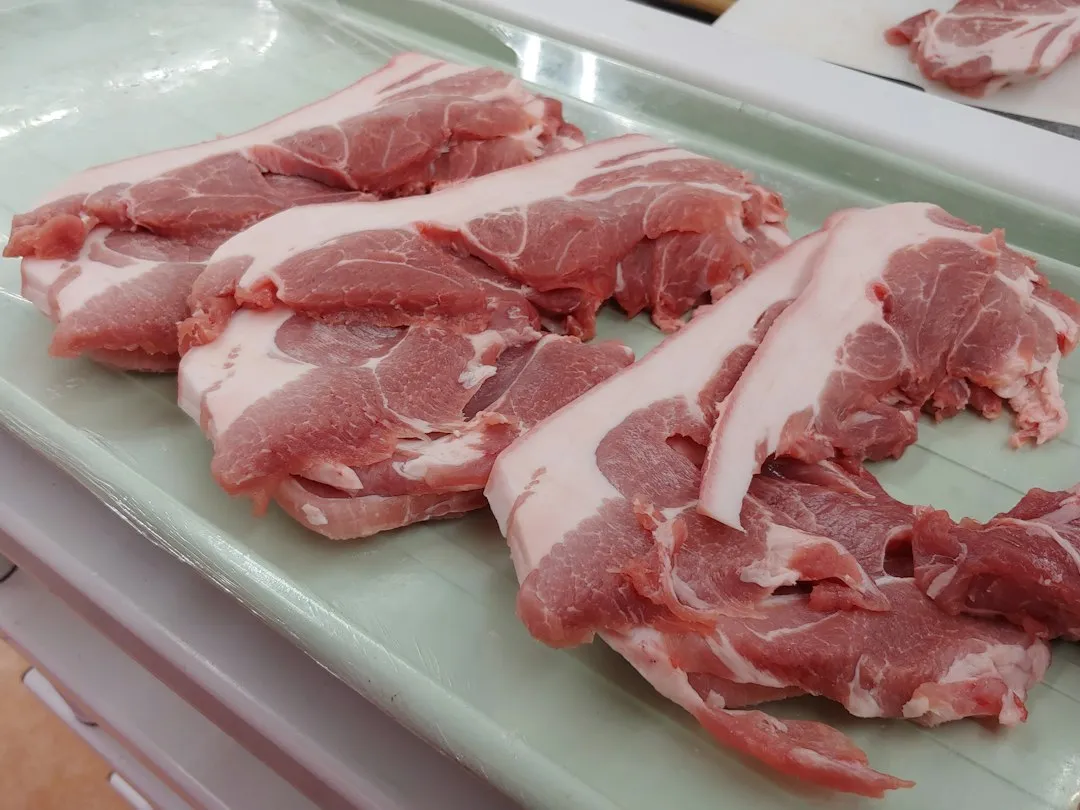
A group of workers in Maryland were hospitalized after a workplace potluck, with the illness traced to a stir-fry dish containing improperly prepared pork. Partially cooking meat at home to finish later is a particularly risky move at a potluck, since the second cooking stage often doesn’t happen, or doesn’t get hot enough.
Partially cooking food at home to finish at the potluck is a practice experts specifically advise against. Aside from failing to reach the right internal temperature, cross-contamination from handling raw food with the same tools used for cooked food can also be to blame for illness. Meat dishes that travel and sit are the category that most consistently ends potlucks on a bad note.
Fish and Seafood Dishes
Some food safety professionals avoid bringing any type of fish to a potluck specifically for allergy reasons. When it comes to potlucks, fish poses a dual risk: it is a common food allergen, and steamed fish can release food protein particles into the air, potentially triggering allergic reactions in sensitive individuals.
Beyond the allergy concern, fish and shellfish are among the most temperature-sensitive proteins at any gathering. These food items generally need to be kept on ice before preparation to make them safe to consume, which is hard to manage in a potluck setting. The combination of travel time, ambient room temperatures, and communal serving conditions makes fish a genuinely risky potluck choice.
Dishes with Tree Nuts
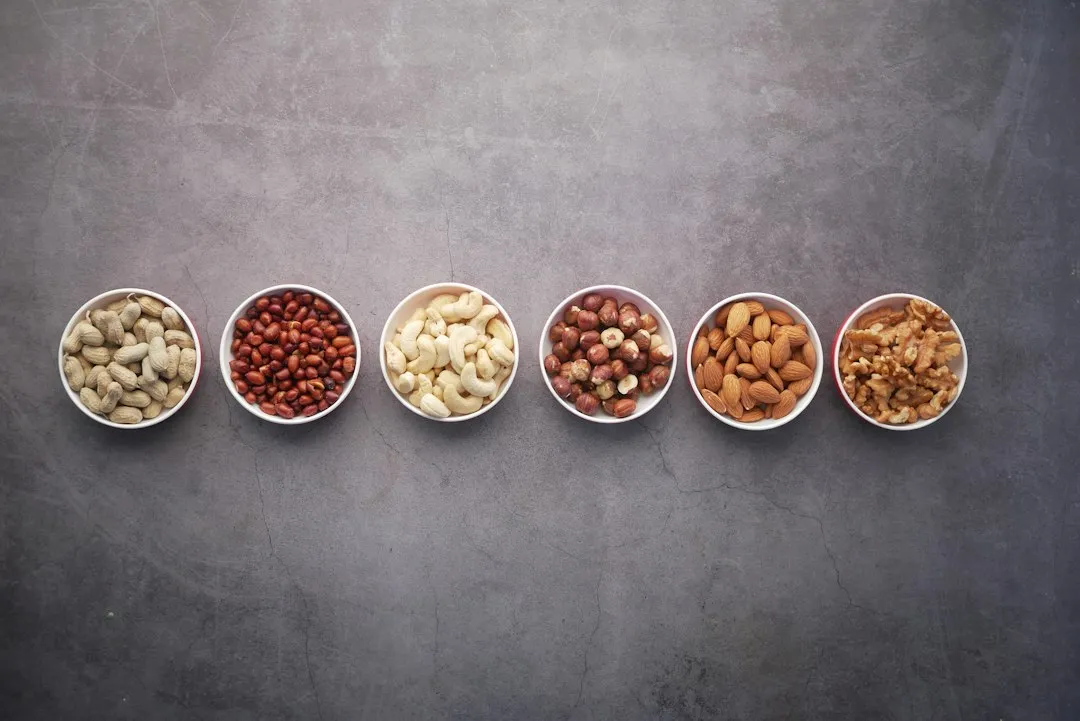
Some food safety and allergy-conscious professionals would not bring any baked goods containing tree nuts to a potluck in order to minimize risks for guests who may have food allergies. Tree nut allergies are among the most common and most severe, with reactions ranging from discomfort to anaphylaxis.
Unless you are completely certain that every person at the potluck is allergy-free, it is wise to leave nut-containing dishes out of your offerings, or at the very minimum clearly label the container so that those who need to avoid them can do so. Labeling sounds simple, but it’s easily overlooked in the shuffle of a busy holiday gathering.
Raw or Undercooked Oysters
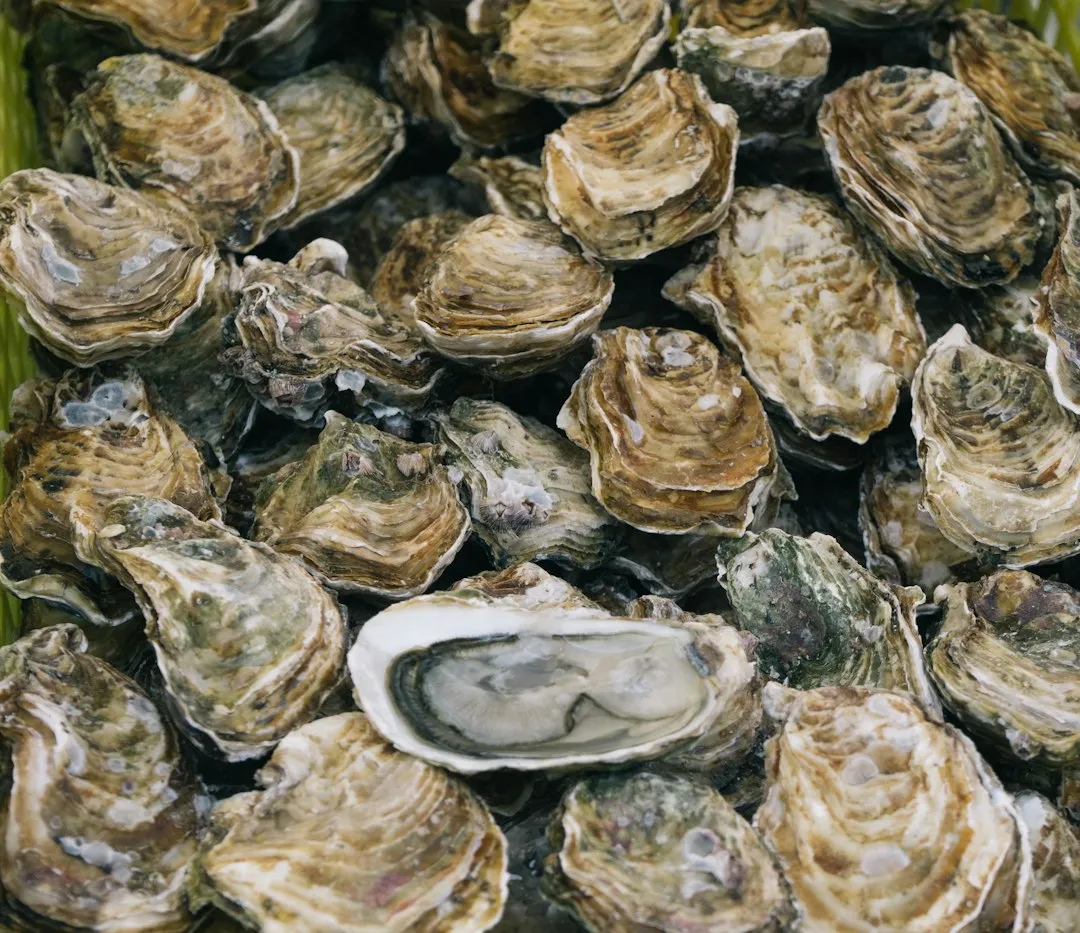
Consuming raw, lightly cooked, or undercooked oysters can pose a real risk of illness, particularly for pregnant women, elderly people, and people with compromised immune systems. Raw oysters require an unbroken cold chain from ocean to table, something a potluck environment simply cannot guarantee.
Oysters also carry Vibrio bacteria, which multiplies quickly at room temperature. The CDC estimates that one in every six Americans becomes ill every year from contaminated food or beverages, and Vibrio-related illnesses from shellfish account for a meaningful share of those cases during warmer months and holiday entertaining seasons. It’s one dish where the risk genuinely outweighs the reward in a shared-meal setting.
Foods That Have Been Left Out Too Long
Food should not be kept out for longer than two hours, as leaving it out for longer significantly increases the risk of foodborne illness. At a holiday potluck, where the social energy makes it easy to lose track of time, that two-hour window passes faster than most people realize.
When traveling with food to a potluck, it’s important to consider the time the dish will spend outside of refrigeration, since food can only safely sit out for two hours at room temperature before it needs to be returned to the fridge. Cumulative time outside of refrigeration, including preparation and grocery shopping time, all contributes to the overall risk. The clock starts well before the dish hits the table.
Dishes Prepared by Someone Who Is Sick
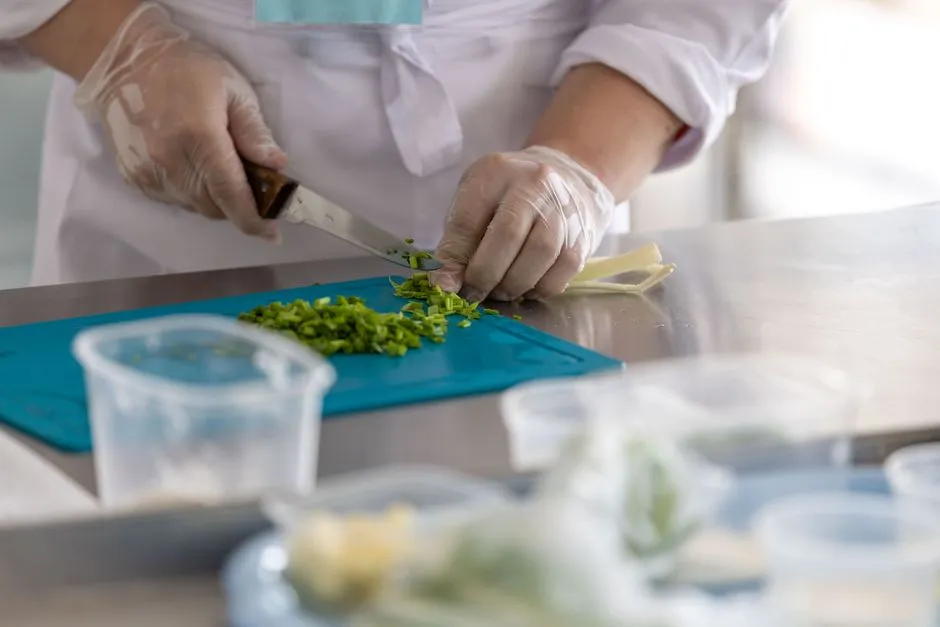
When preparing meals for large gatherings like potlucks, it’s important to avoid handling food with bare hands, and if you have recently been sick or have been caring for someone who is sick, someone else should prepare and serve the meal to avoid spreading germs. This is advice that feels obvious but is routinely ignored, especially during the holidays when people feel pressure to contribute.
Experts consistently advise against preparing food when you are sick, and recommend waiting until you or your family member has fully recovered before cooking any potluck dish. Norovirus, one of the most common causes of foodborne illness, spreads with startling efficiency through food prepared by infected individuals, and no amount of cooking temperature corrects that once contamination has occurred.
Dishes Stored or Transported Without Proper Insulation
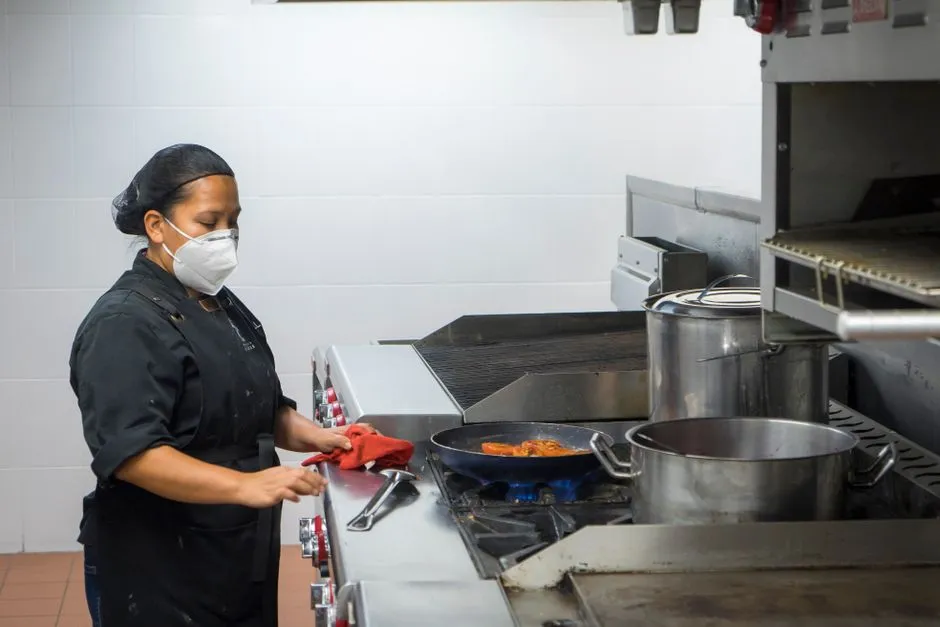
Hot foods being served should be kept above 140 degrees Fahrenheit until ready to be stored, while cold foods should be chilled and kept out of the CDC’s defined danger zone, which ranges between 40 and 140 degrees, where bacteria thrive. Getting a dish from your kitchen to the potluck table without passing through that range is harder than it sounds.
Perishable foods should be transported in covered containers to prevent contamination. Hot food should be maintained at around 135 degrees Fahrenheit, and a cooler with ice or gel packs is the right way to keep cold foods safe during transit. Carrying a casserole in a paper bag on the back seat of a warm car, which is what most people actually do, is one of the more reliable ways to turn a well-intentioned dish into a health hazard.
The Takeaway
Most potluck disasters don’t happen because someone was careless. They happen because the gap between home kitchen and holiday table is longer and warmer than people account for. The dishes above aren’t inherently dangerous, they just require a level of temperature control that a potluck setting rarely provides.
The increased volume of food prepared during the holiday season, along with bigger crowds gathered to enjoy it, can lead to a heightened risk of foodborne illness. Knowing which dishes carry the most risk, and either skipping them or managing them carefully, is the simplest way to make sure everyone goes home with good memories rather than an upset stomach. When in doubt, bring something shelf-stable, and save the ambitious dishes for a dinner where you control the whole environment.
AI Disclaimer: This article was created with the assistance of AI tools and reviewed by a human editor.