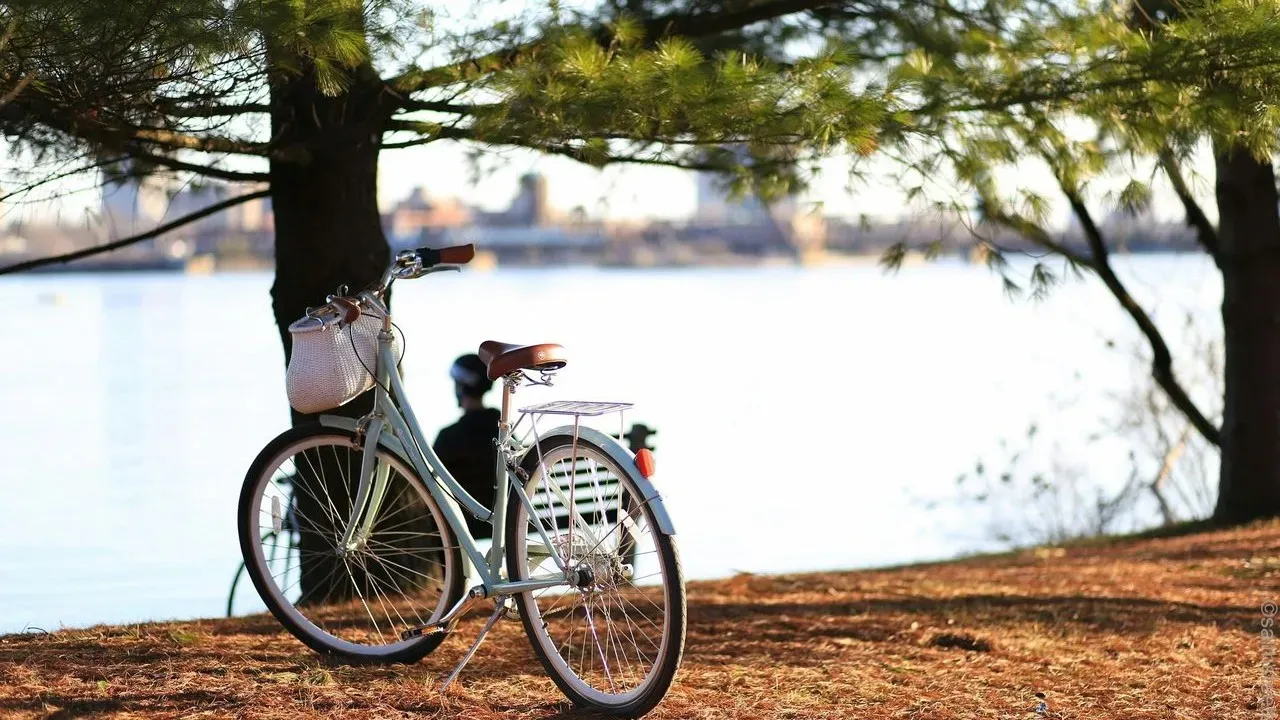

Central Park remains one of New York City’s most treasured public spaces, drawing millions of visitors each year for quiet walks, family outings, and moments of respite from urban life. In recent months, however, the growing presence of e-bikes has shifted the mood for many regular users who now describe the paths as increasingly tense. Park goers report that riders often move at high speeds, prompting widespread calls for stricter rules or an outright ban to protect pedestrians and preserve the park’s character. The friction has become a focal point for locals who feel their concerns are being ignored. ([1])
Why the Conflict Matters Now
The issue has gained urgency because Central Park serves as a daily refuge for residents across all age groups. Families with children, older adults, and casual walkers share the same narrow paths that e-bike riders use for commuting or recreation. When speeds remain unchecked, the shared space loses its sense of safety and calm. This development reflects broader debates about how new mobility tools fit into historic urban parks without disrupting their original purpose.
Many visitors say the problem has intensified recently, turning what should be a relaxing environment into one that requires constant vigilance. The contrast between the park’s intended tranquility and the reality of fast-moving vehicles has left a noticeable impact on daily use. Local sentiment appears to be coalescing around the idea that voluntary compliance has not worked.
Park Users Describe the Daily Reality
Regular visitors recount having to step aside quickly or pull children closer when e-bikes approach from behind without warning. The experience has made some people reconsider how often they visit or which paths they choose. What once felt like a shared public asset now carries an undercurrent of unpredictability for those on foot.
Riders, for their part, continue their routes without apparent adjustment, according to those who have tried to raise the issue directly. The lack of response has fueled frustration and strengthened the view that informal requests for slower speeds are insufficient. This pattern has turned individual encounters into a collective push for formal action.
Calls for Regulation Gain Momentum
Advocates among park users argue that a ban or significant speed limits would restore balance to the space. They point to the need for enforceable rules that apply equally to all park visitors rather than relying on riders to self-regulate. Discussions in community circles have centered on practical steps city officials could take to address the situation.
Supporters of restrictions emphasize that the goal is not to eliminate e-bikes entirely but to ensure they operate in ways compatible with pedestrian priority. The conversation has highlighted how small changes in policy could protect the park’s role as a place for leisure rather than high-speed transit. Momentum appears to be building as more people share similar experiences.
What Comes Next for the Park
City leaders and park officials now face the task of weighing public safety concerns against the convenience e-bikes provide for some commuters. Any decision will likely shape how Central Park evolves in the coming years. The current tension underscores the challenge of integrating emerging transportation options into beloved green spaces that were designed long before such devices existed.
Residents continue to monitor developments, hopeful that their voices will lead to meaningful adjustments. The outcome will determine whether the park can once again feel like a place where everyone moves at a pace that respects the shared environment. For now, the conversation remains centered on finding a solution that works for the majority of users.
AI Disclaimer: This article was created with the assistance of AI tools and reviewed by a human editor.