

What Form 1040-SR Actually Is
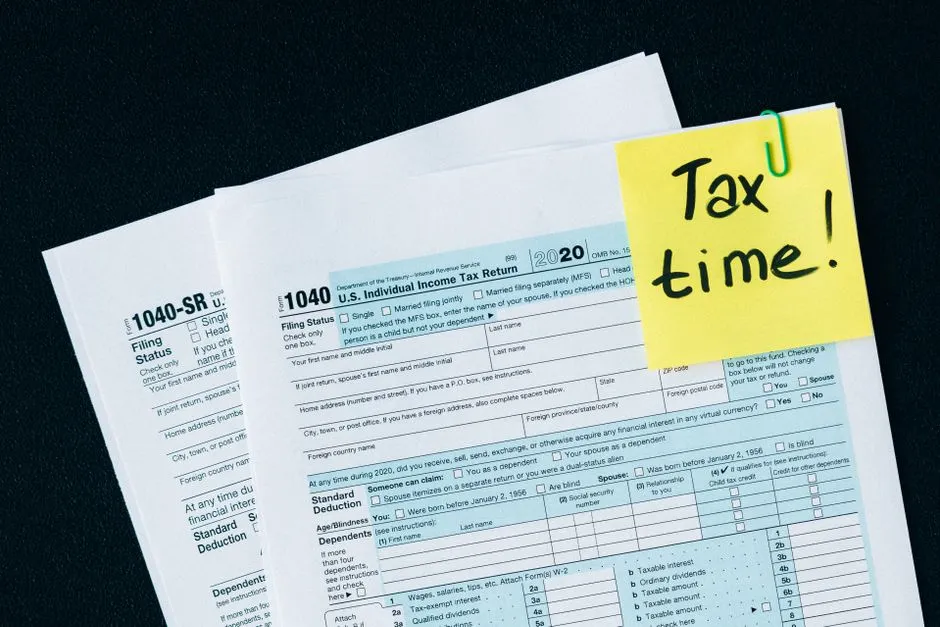
IRS Form 1040-SR is the federal income tax return for U.S. taxpayers who were age 65 or older by December 31 of the tax year. It is functionally identical to Form 1040 but uses larger print and includes a built-in standard deduction chart. That last part matters more than it sounds.
The IRS introduced Form 1040-SR as a version of the standard tax form designed specifically for seniors. It features larger print, precise spacing, and a standard deduction chart printed directly on the form. For retirees who prefer paper filing or work with a tax preparer, the visual clarity alone can reduce errors.
Qualifying seniors can file either Form 1040 or 1040-SR – the choice is theirs. There’s no penalty for switching, and no approval required.
Who Qualifies to Use It

Form 1040-SR is specifically for taxpayers age 65 or older. The age requirement is simple: you must have reached 65 by the last day of the tax year you’re filing for. There’s no income ceiling to use the form itself.
The form can be used by any senior taxpayer, regardless of filing status – single, married filing jointly, married filing separately, head of household, or qualifying surviving spouse. That flexibility makes it broadly accessible.
You can use Form 1040-SR if your income included wages, pensions, IRA distributions, Social Security, self-employment earnings, dividends, or rental income. In other words, it covers virtually every common income type a retiree encounters.
The Built-In Standard Deduction Advantage

The first automatic tax benefit of being a senior comes from a larger standard deduction. After turning 65, the IRS offers an additional amount on top of the standard deduction. This happens automatically, no extra paperwork required.
After turning 65, the standard deduction for single filers in 2025 increases by $2,000. If you’re married, the standard deduction increases by $1,600 if only one spouse is 65, and by $3,200 if both are 65.
The 2025 standard deduction for seniors over 65 is $17,750 for single filers and $34,700 for married couples where both spouses are 65 or older. That’s a meaningful cushion before a single dollar of federal income tax kicks in.
The New $6,000 Enhanced Senior Deduction

Beginning in 2025, taxpayers who are age 65 or older may be eligible for the enhanced deduction for seniors. This is separate from the standard deduction increase and represents a significant new benefit.
Seniors age 65 and older can now take an additional $6,000 deduction on top of their standard or itemized deductions, based on changes from the One Big Beautiful Bill. If both spouses on a joint return are age 65 or older and meet the income limits, they can claim the full $12,000 deduction. If only one spouse is 65 or older, the couple can claim a single $6,000 deduction.
Eligible taxpayers can claim the enhanced deduction for seniors whether they claim the standard deduction or itemize deductions. The enhanced senior deduction is a temporary measure that applies only for tax years 2025 through 2028.
How the Deductions Stack Up Together

The 2025 tax law added a bonus deduction of $6,000 per person for taxpayers who turn 65 by the end of the tax year. It stacks on top of everything else: the regular standard deduction and the long-standing extra standard deduction for age 65 and older.
A retired married couple where both spouses are 65 or older could claim a standard deduction of $35,500 from their income before owing any federal income tax. Then the new $6,000 per-person bonus stacks on top of that figure.
Retirees who filed early in 2026, especially those using preparers working from prior-year checklists or software that buried the new question, missed this one at surprising rates. Knowing it exists is half the battle.
The Credit for the Elderly or the Disabled

There is a credit for taxpayers aged 65 or older, or retired on permanent and total disability who received taxable disability income for the tax year, and with an adjusted gross income or the total of nontaxable Social Security, pensions, annuities, or disability income under specific limits. The credit ranges between $3,750 and $7,500.
Schedule R figures a small nonrefundable credit for lower-income taxpayers who are 65 or older, or who are under 65 and retired on permanent and total disability. Because the income limits are low and haven’t been adjusted for inflation in decades, relatively few people qualify.
While the income limits are relatively low, for those living primarily on modest pensions or Social Security, this credit can effectively wipe out any remaining tax liability. It’s worth checking even if you’re uncertain.
What the Income Limits Look Like

You generally can’t take the Credit for the Elderly or Disabled if your adjusted gross income, or your nontaxable Social Security, pensions, and disability benefits, equals or exceeds certain amounts. For a single filer, that means an AGI of $17,500, or nontaxable benefits of $5,000. For married filing jointly with one qualifying spouse, the AGI limit is $20,000.
For married couples filing jointly where both spouses qualify, there is no credit if AGI reaches $25,000 or more, or if nontaxable benefits reach $7,500 or more. These thresholds have stayed static for many years, which is why fewer retirees qualify today than the credit was originally designed to help.
Because most retirees’ nontaxable Social Security exceeds these limits, Social Security often disqualifies people from the credit. Still, those with lower combined income should run the numbers before assuming they don’t qualify.
Filing Deadlines and the Free Help Available

Form 1040-SR follows the same filing deadlines as Form 1040, with the usual due date of April 15 each year. Extensions are available just as they are for any other federal return.
The IRS suggests visiting a Volunteer Income Tax Assistance (VITA), Tax Counseling for the Elderly (TCE), or AARP Foundation Tax-Aide site for free help. These programs are specifically staffed to help older Americans navigate exactly these kinds of benefits.
The AARP Foundation Tax-Aide program offers free tax preparation and has thousands of locations in neighborhood libraries, malls, banks, community centers, and senior centers annually during the filing season. No appointment fees, no tax preparation charges.
Common Mistakes Seniors Make When Filing

The new $6,000 deduction was separate, was new for 2025, and is the one that got missed. Many retirees, even those working with paid preparers, overlooked it simply because it was unfamiliar and the question was easy to skip past.
If you missed the credit in an earlier year and qualified, an amended return on Form 1040-X is how to claim it. The IRS generally allows amendments going back three years, so past tax years may still be recoverable.
The extra standard deduction for seniors isn’t something you need to apply for separately. When you complete your federal tax return, you indicate whether you or your spouse meet the age requirement, and the additional standard deduction is included in the calculation. The system handles it, as long as you mark your age correctly.
Incomes That Form 1040-SR Covers
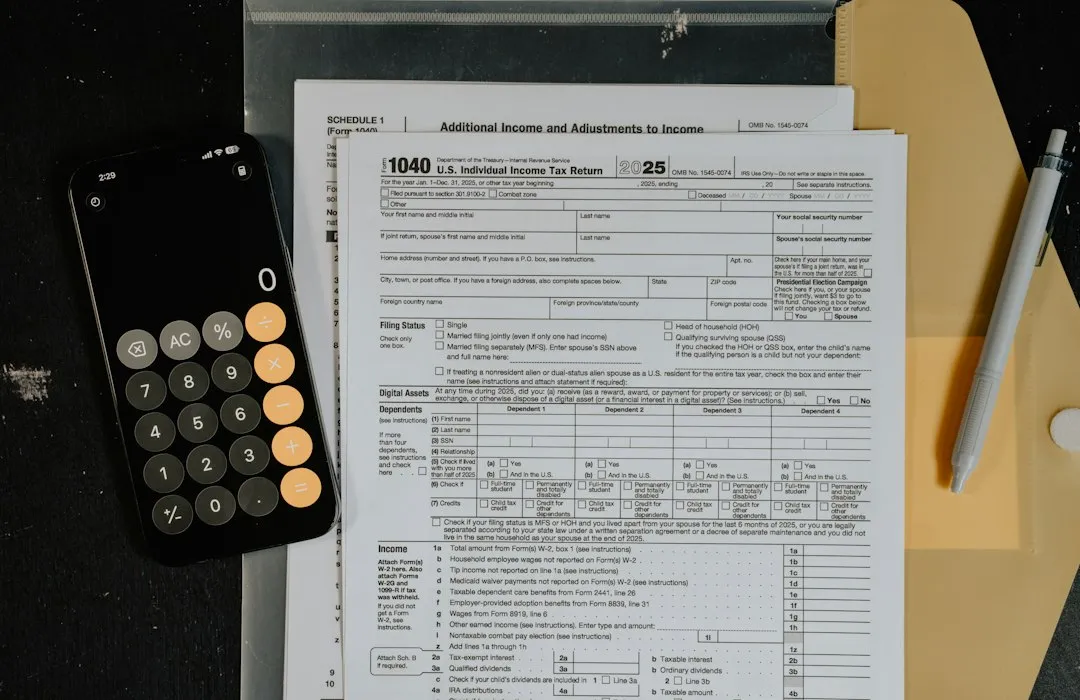
Form 1040-SR can still be used by seniors who have more than just retirement income. If you have Social Security, pensions, IRA distributions, interest, dividends, self-employment income, capital gains, or itemized deductions, the same general Form 1040 rules still apply.
The form includes sections for personal information, filing status, dependents, digital asset reporting, income, adjustments, tax calculations, and refundable credits. It’s a complete return, not a simplified shortcut.
Eligible filers can claim the Credit for the Elderly or Disabled and other credits directly on Form 1040-SR, using the required schedules. The form doesn’t limit your options; it just organizes them more clearly for older filers.
The Takeaway

Form 1040-SR isn’t a loophole or a special exception. It’s an official IRS tool, backed by real deductions that have only grown more generous since 2025. The form exists precisely because the federal government recognized that seniors often face a different financial reality than younger filers, and the tax code, at least in part, reflects that.
The enhanced $6,000 deduction, the elevated standard deduction, and the Credit for the Elderly or Disabled are real money left on the table when retirees don’t know to look for them. The IRS doesn’t send reminders. It simply makes these benefits available to those who know to claim them.
If you turned 65 last year and filed the same way you always have, it might be worth a second look before the next filing season closes.
AI Disclaimer: This article was created with the assistance of AI tools and reviewed by a human editor.