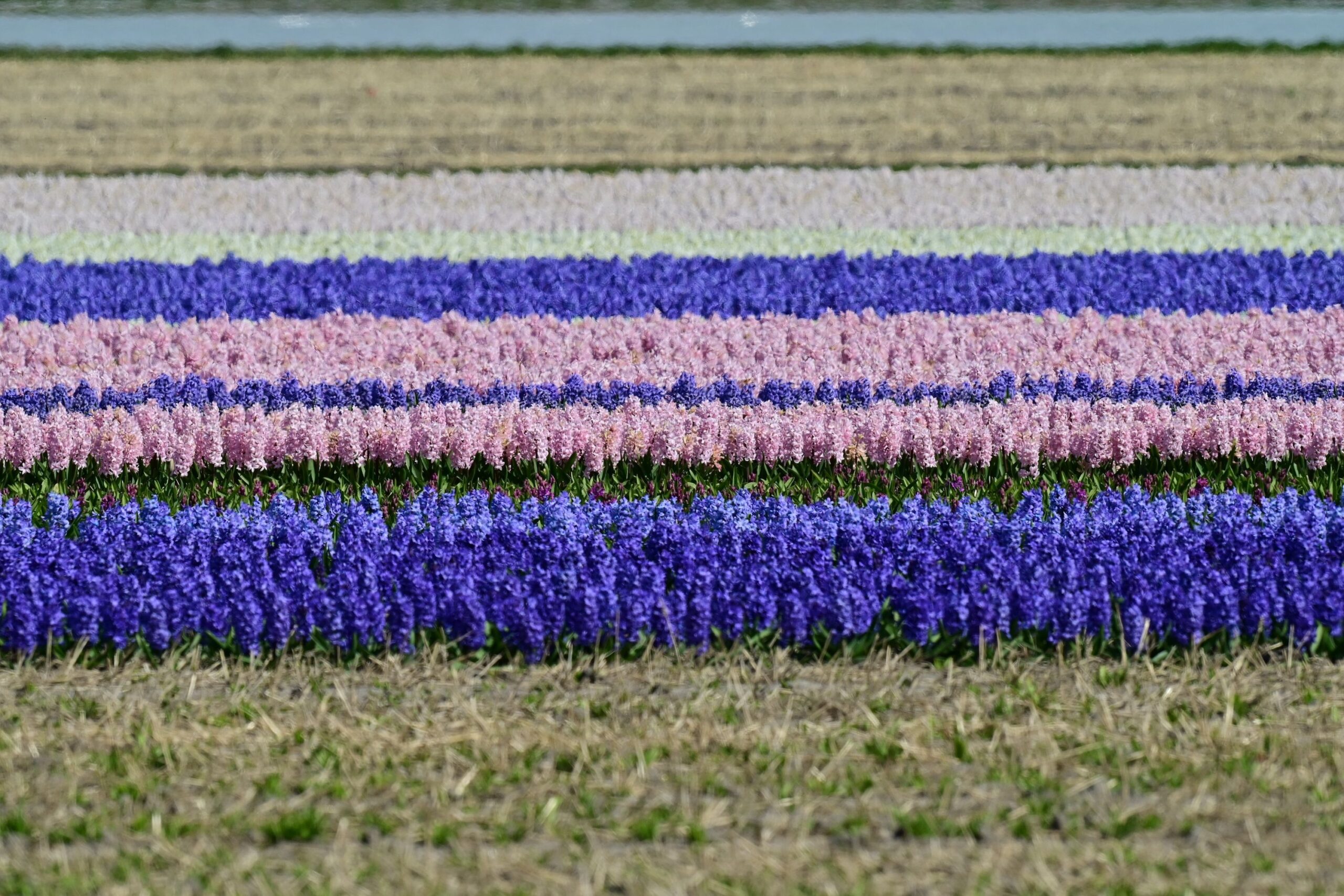

A Tradition With Deep Roots
Hyacinth vases emerged in the early 18th century, coinciding with the fascination with hyacinths and other flower bulbs by European royalty and the elite. The practice wasn’t a gardening hack invented by someone on the internet. It had genuine prestige attached to it. Hyacinth vases reached their peak popularity during the Victorian era, when they became a common sight in homes and were often displayed on windowsills or in other prominent locations.
In the 18th century, hyacinth bulbs commanded high prices in Western Europe. The “Hyacinthmania” craze, similar to “Tulipmania,” saw a surge in the popularity of hyacinths and their cultivation. Forcing them to bloom indoors in winter was, for a time, a marker of taste and wealth. Today it costs next to nothing and takes up about as much space as a coffee mug.
What “Forcing” Actually Means
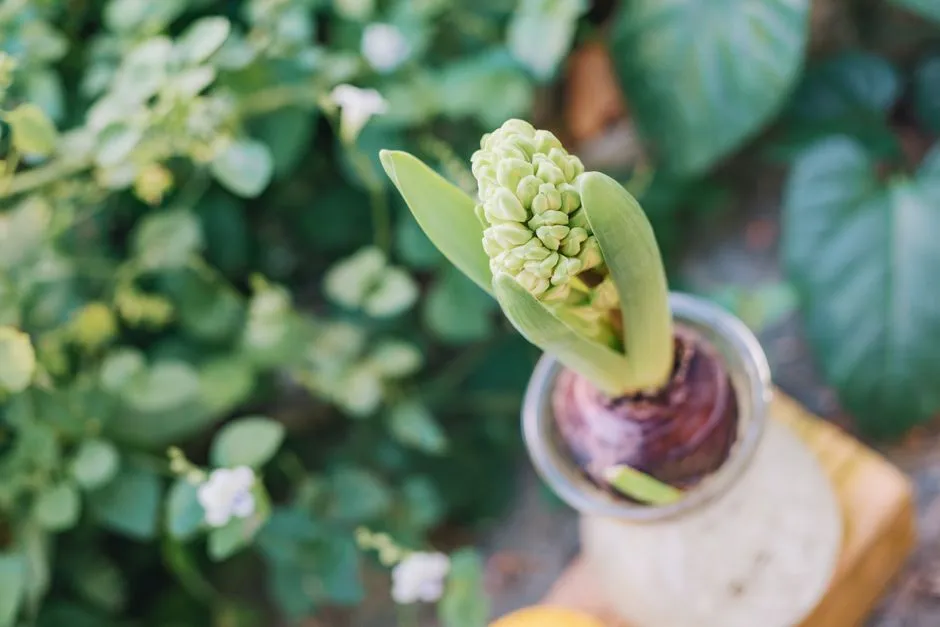
Forcing is a technique that imitates the environment bulbs encounter outdoors, thereby tricking them into flowering earlier. The bulb already contains a complete flower inside it, compactly stored and waiting. All it needs is the right sequence of cold followed by warmth to trigger the process. This cold period tells the undeveloped flower hiding inside that spring is coming and it should begin to grow.
Hyacinths are particularly well-suited for indoor forcing because of their relatively low maintenance requirements and ability to bloom in various settings, including soil, water, or even special forcing vases. Of those options, the water method is the most visually striking. You watch every stage of growth unfold through the glass.
The Right Glass for the Job
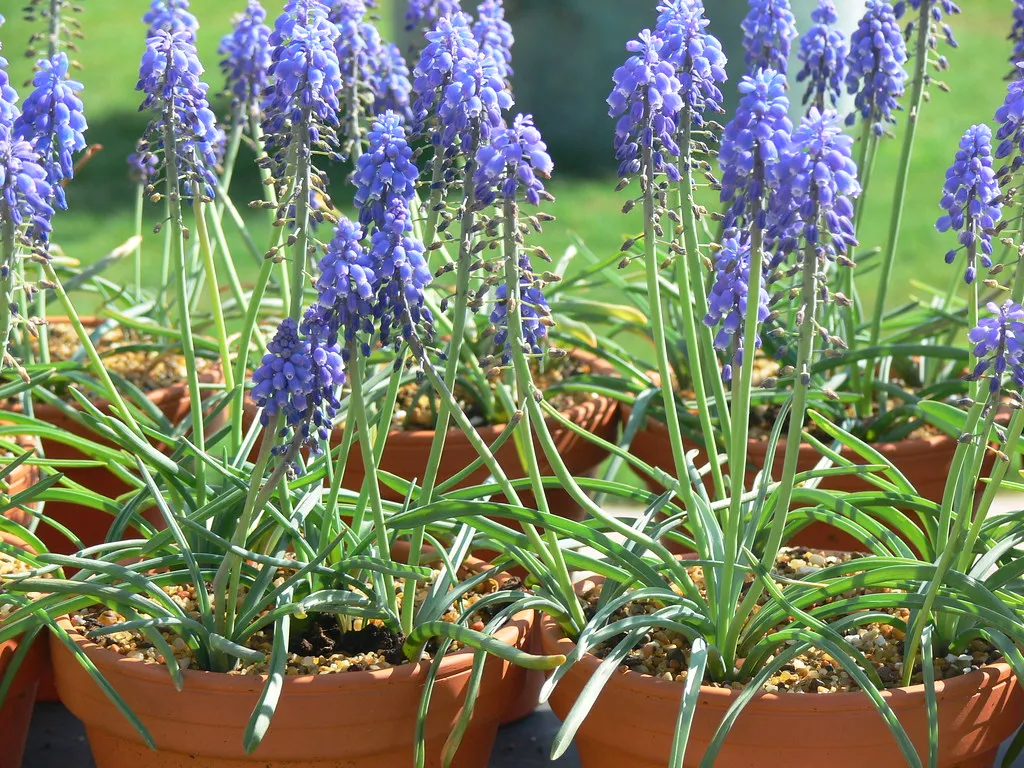
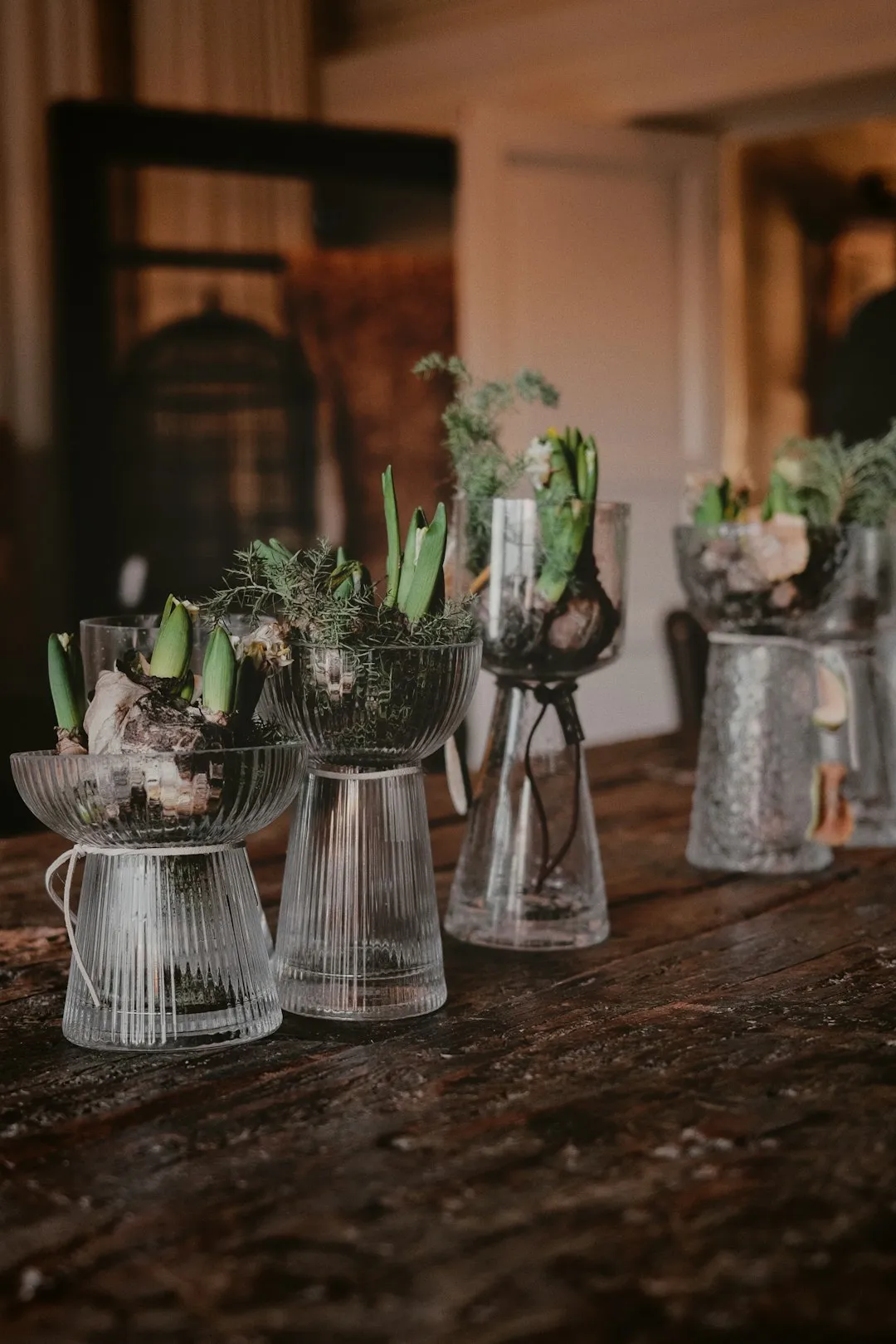
Several types of bulbs, in particular hyacinth, can be forced without soil in a vase of water. A special hourglass-shaped forcing vase, sometimes called a hyacinth glass, is often used to grow a single bulb. The shape is functional, not just decorative. The narrow waist of the glass cradles the bulb and holds it above the waterline, which is exactly where it needs to be.
Special hyacinth vases are available for this method, but any clear vase that can hold the bulb above water will work. A wide-mouthed mason jar with a few pebbles arranged to prop the bulb up works just as well. The transparent sides are what really matter, since they let you monitor the roots and keep track of the water level.
The Cold Period: Non-Negotiable
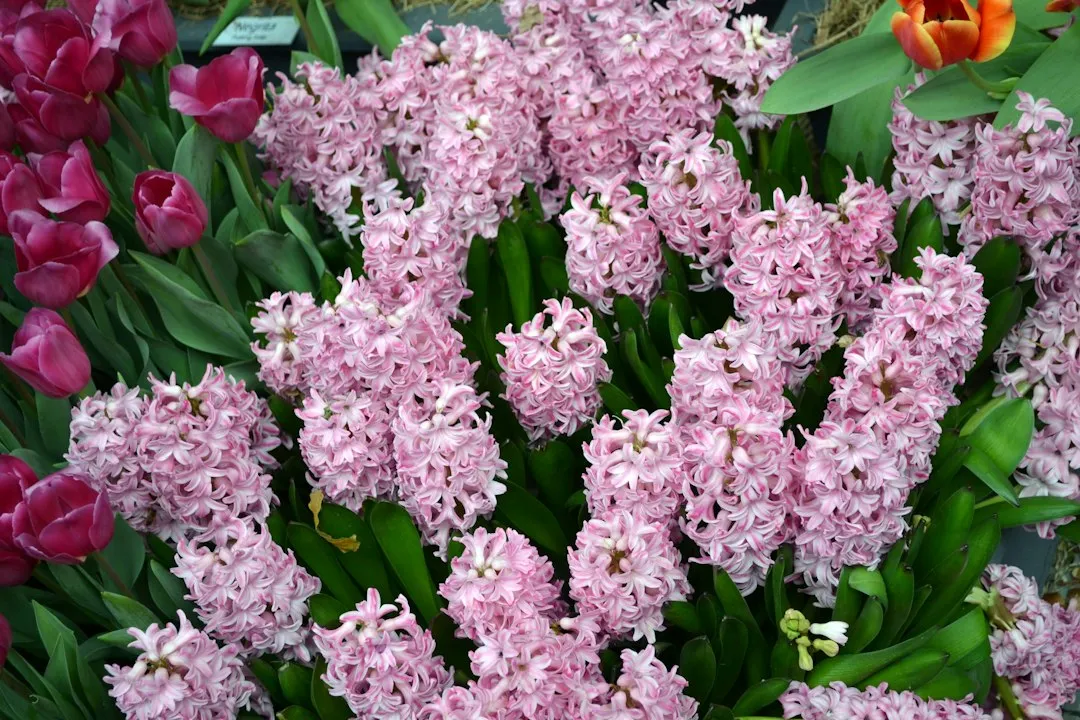
In nature, bulbs need a long, cold sleep to develop a strong root system before they bother sending up a flower. To replicate this, hyacinth bulbs for forcing will need 12 to 14 weeks of temperatures between 35°F and 45°F. This chilling period is not optional. In order for forcing hyacinth bulbs to be successful, bulbs must be chilled for 13 weeks. If bulbs are not permitted to chill for the appropriate amount of time, the bulb will not bloom.
The crisper drawer of your refrigerator is the ideal place to pre-chill bulbs. Place your hyacinth bulbs into a brown paper bag labeled with the date, then place the bag into the refrigerator crisper drawer. One firm warning: avoid placing the bulbs in the same drawer as fruit such as apples and pears. Ripening fruit gives off ethylene gas, which can kill the flower inside the bulb.
Setting Up the Glass
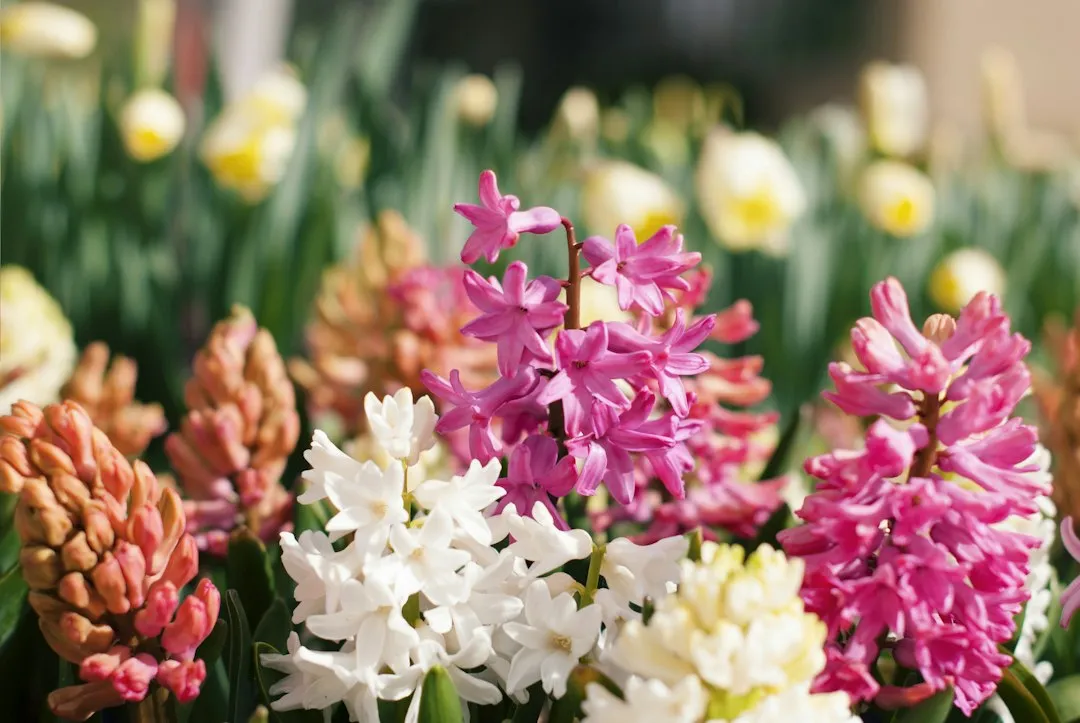
Fill the vase with water until just under the bulb. If there are roots, they should be in the water, but the water should never touch the bulb. This single rule is the most important one in the entire process. Sitting in water causes the bulb to rot from the base, and there’s no recovering from that.
Place the hyacinth bulb in the cup, root end down and growing end up so the base is barely touching the water. First place the vase in a cool dark area to encourage root and shoot growth. Store it in a cool, dark place for four to eight weeks, and check to make sure that the water level does not drop. The roots will visibly reach downward toward the moisture within the first couple of weeks.
Watching the Roots Grow
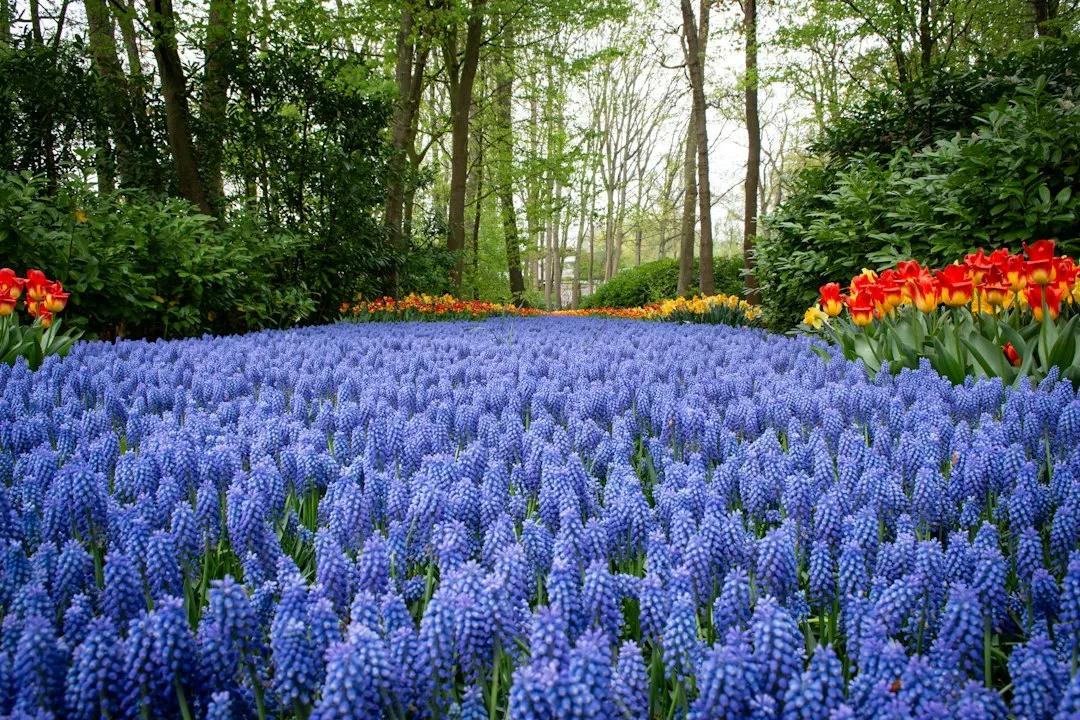
A clear hyacinth glass, or hyacinth vase, puts the plant’s growth on display to enjoy and study. This is honestly one of the more satisfying parts. The root system expands quite dramatically in the darkness, filling the lower chamber of the glass before any visible progress appears at the top. Roots will form after five to six weeks, and shoots soon afterward.
Monitor the water level carefully, especially in the first week, as the water can quickly drop below the developing roots. Fill with water as needed and replace the water one to two times a week, or when it becomes cloudy. Keeping the water fresh prevents bacterial growth and keeps the glass looking clean.
Moving Into the Light
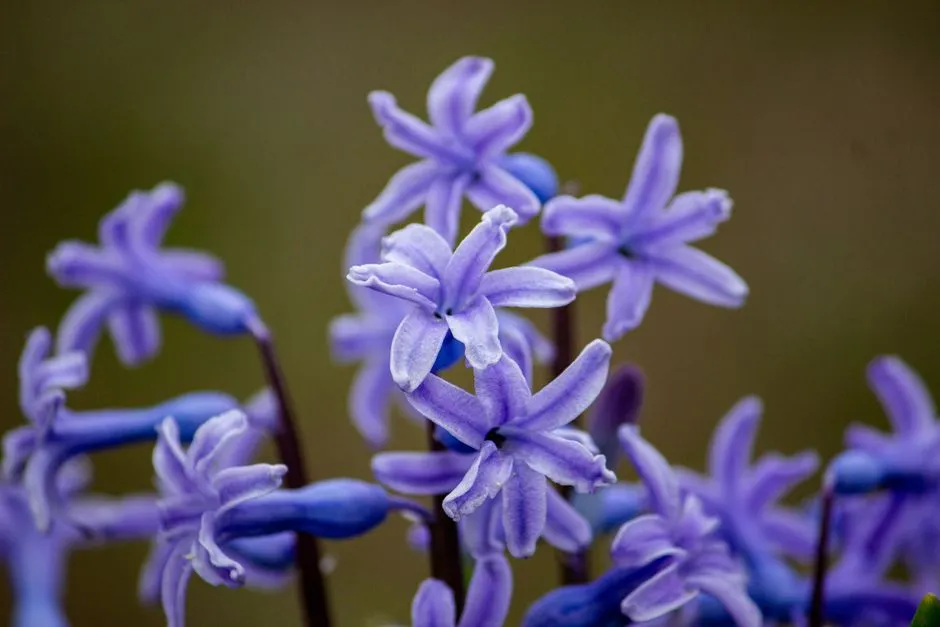
Once the hyacinth has developed a shoot of two to three inches, move the bulb vase into a warm, bright spot and enjoy watching the hyacinth bloom develop. The transition from darkness to light is where things accelerate noticeably. Growth that seemed slow and subtle in the cool dark becomes rapid and purposeful near a sunny window.
As the plant grows, turn the vase regularly so the plant does not grow to lean toward the light and topple the vase. A quarter turn each day is enough to keep the stem straight. Within four to six weeks after coming out of the cold, florets will begin to open, filling your room with that unmistakable fragrance.
Best Varieties to Choose
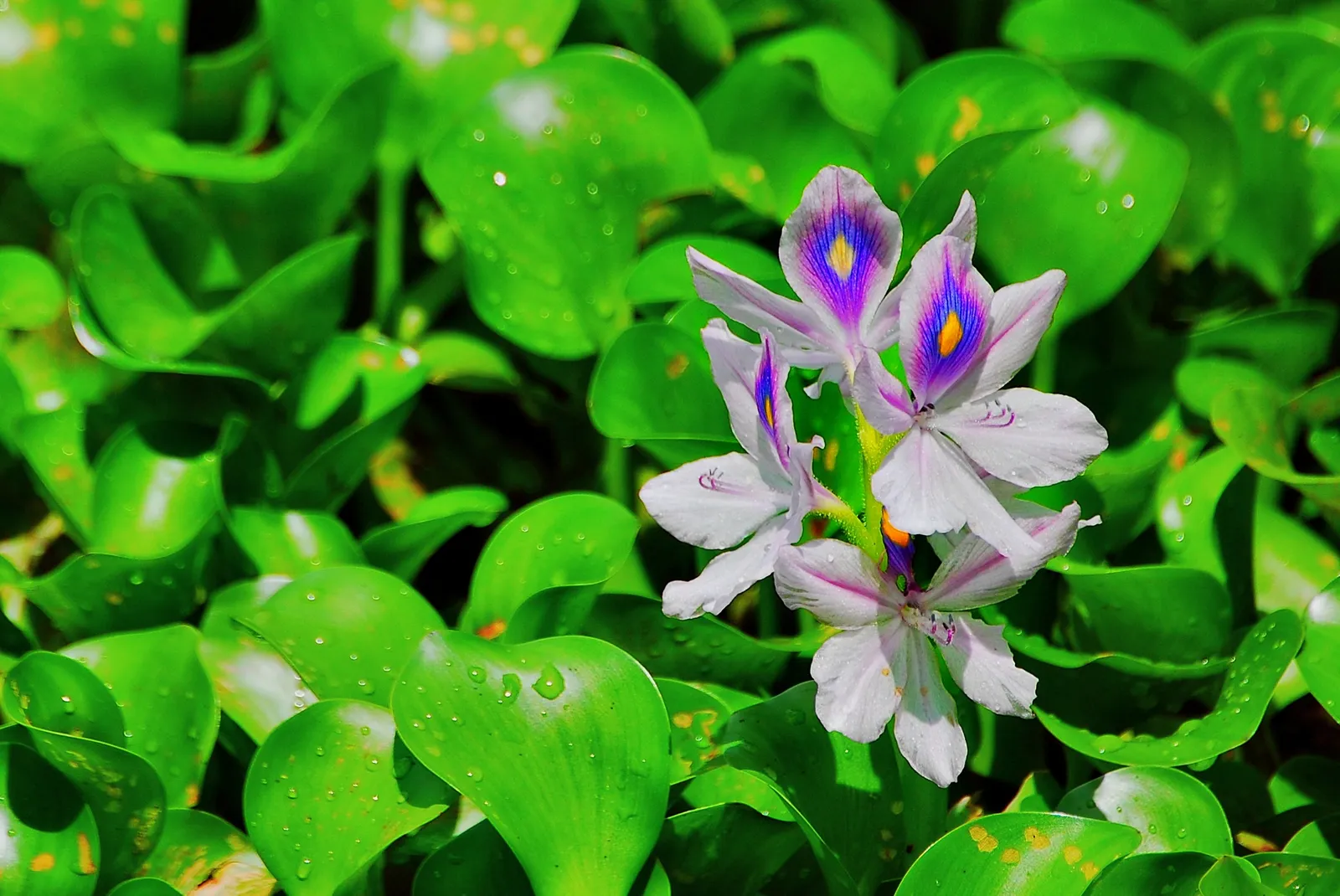
Good varieties for forcing are ‘Amethyst’, ‘Blue Jacket’, ‘Jan Bos’, ‘L’Innocence’, ‘Pink Pearl’, ‘Delft Blue’, and ‘Carnegie’. These have been selected over generations specifically for their reliable performance and strong scent. Newer cultivars look beautiful in photographs, but the classics are classic for a reason when it comes to winter forcing.
Most consider hyacinths to be the easiest spring bulb to force. Compared to tulips, which need closer to 16 to 18 weeks of cold, or daffodils, which can be fussier about soil conditions, hyacinths respond predictably to the process. For a first attempt at bulb forcing, they’re the obvious starting point.
The Scent: What You’re Actually Getting
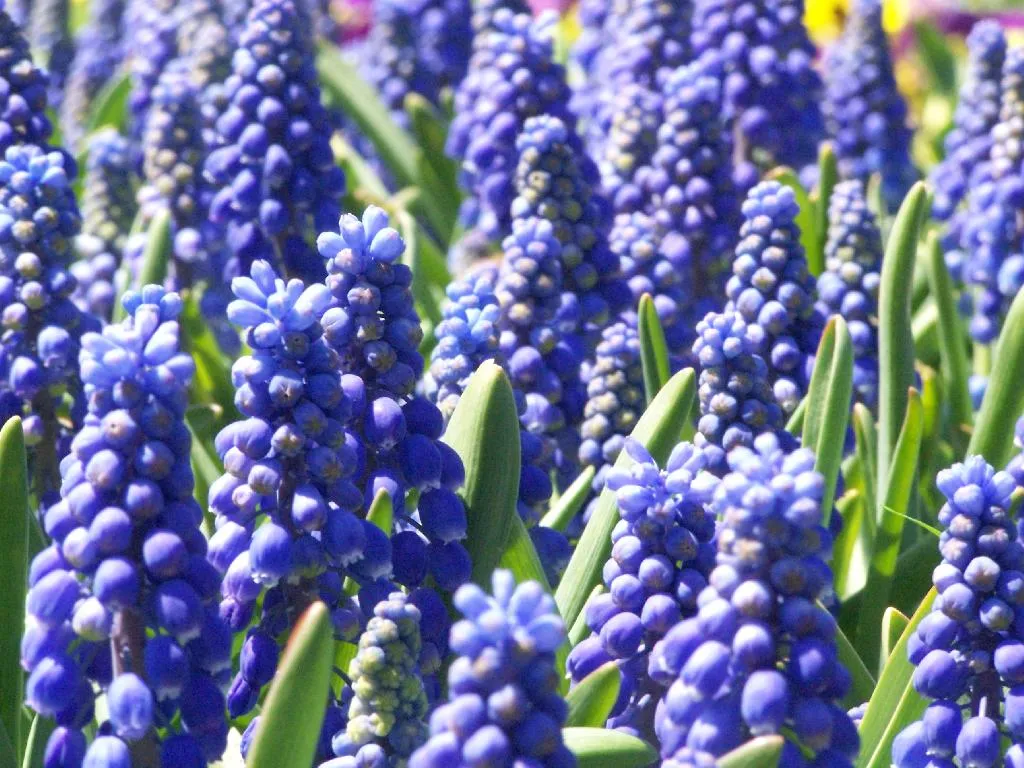
A single hyacinth bulb produces an intensely fragrant flower that can perfume an entire room. The chemistry behind that scent is surprisingly complex. Natural hyacinth absolute is a complex mixture containing over 70 identifiable compounds, including phenylethyl alcohol, benzyl acetate, cinnamyl alcohol, benzyl benzoate, and trans-beta-ocimene.
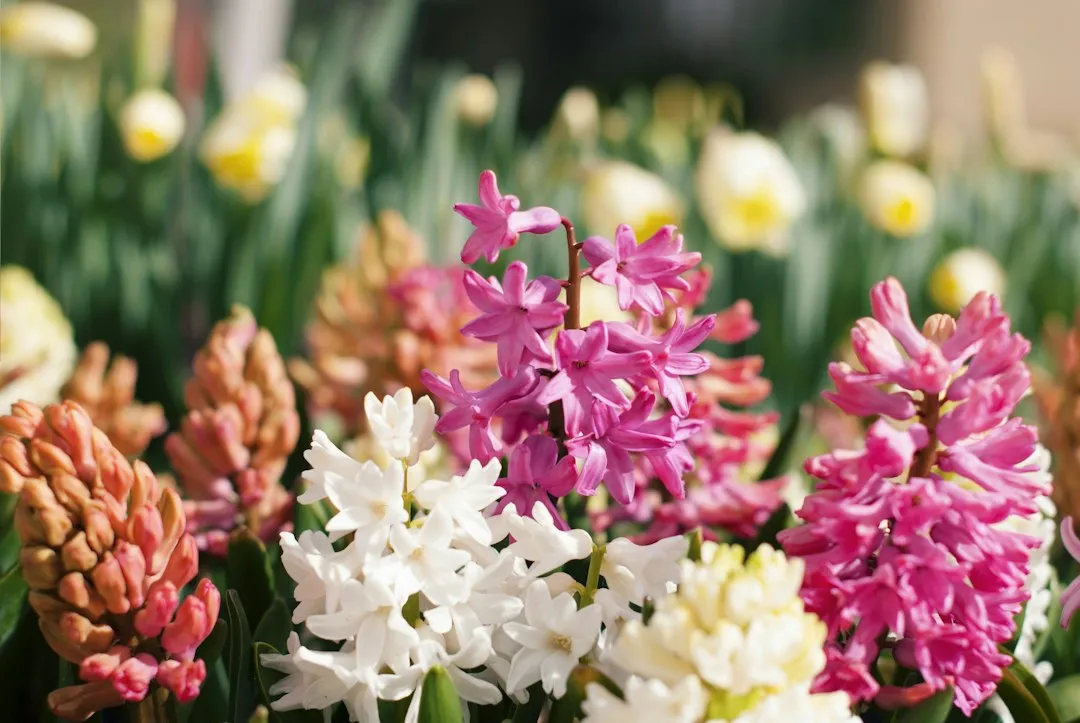
As buds, the scent is light and delicately floral, but as it opens it becomes intensely intoxicating while still retaining a damp, green character. Hyacinths deliver a blend of sweet, spicy, aquatic, and powdery facets. The bloom of a blue hyacinth may offer slightly cooler, fresher tones, while pink hyacinths exude a tender sweetness. The color you choose actually shifts the experience slightly.
What Happens After the Bloom
The bulbs will flower about two to three weeks after they sprout. The flowers last about two weeks. It’s a brief window, but an intense one. Once your indoor hyacinths have finished blooming, the bulbs will not rebloom indoors. The forcing process depletes the bulb’s stored energy so thoroughly that a second indoor performance isn’t possible.
Forced bulbs do not usually make the transition to outside garden plants, so toss them in the compost bin once the nearly two-week fragrant show is over. Some gardeners do try planting them out and occasionally get weak results the following spring, but it’s the exception rather than the rule. The better approach is to start fresh each autumn with new bulbs, beginning the cold treatment in September or October to time the bloom for the darkest weeks of winter.
A Midwinter Practice Worth Keeping
There’s no grand complexity to this. A good bulb, a glass of water, a cold dark drawer for a few months, and then a sunny windowsill. The reward is genuinely disproportionate to the effort involved. There is a very particular kind of joy you get in seeing a vibrant spike of hyacinths blooming on a windowsill while snow is drifting against the glass outside.
The practice connects to something much older than any modern gardening trend. The primary function of hyacinth vases was to force bulbs to bloom indoors by providing water and warmth, bypassing the natural dormancy period. That’s still exactly what you’re doing today, with the same glass, the same bulb, the same waiting. Some things don’t need improving.
AI Disclaimer: This article was created with the assistance of AI tools and reviewed by a human editor.