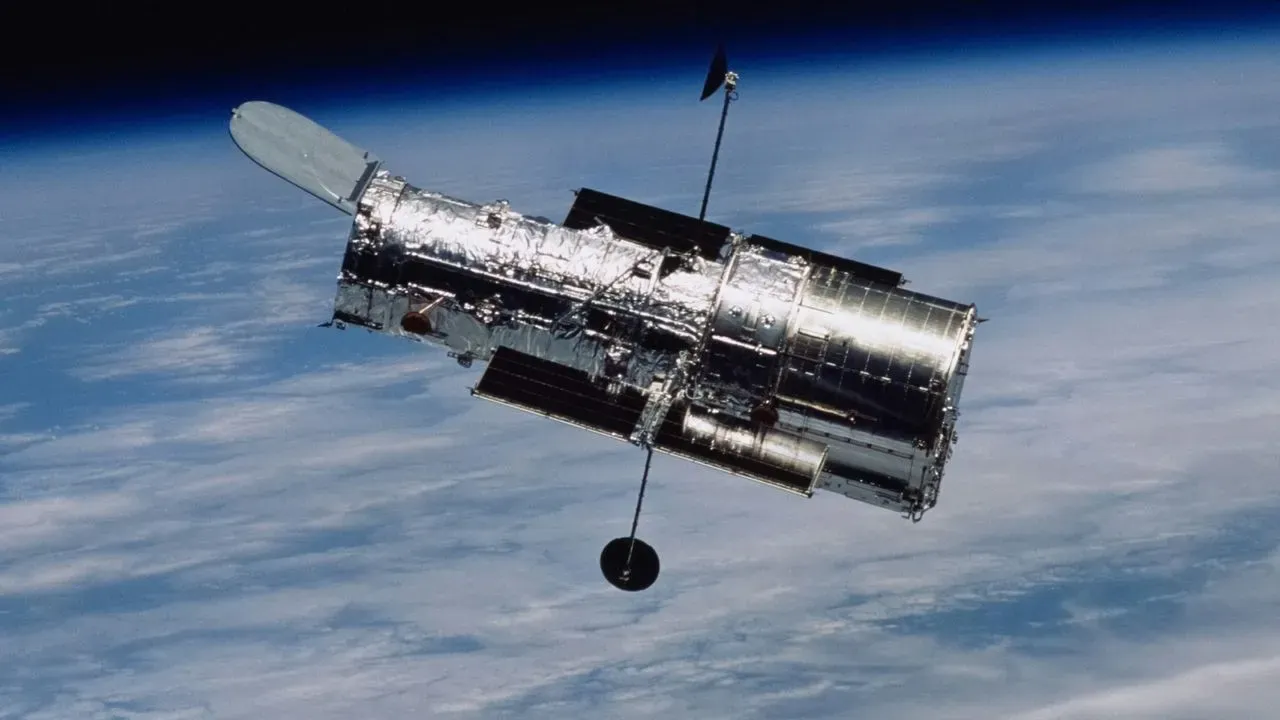

Cape Canaveral, Fla. – An aging NASA telescope is slipping out of orbit following an unsuccessful attempt to boost it higher. The U.S. Space Force now forecasts that the Swift Observatory will reenter the atmosphere on or around Friday. Most of the roughly 1½-ton spacecraft is expected to burn up during the plunge.
Orbit Decay Accelerates
The telescope has been losing altitude steadily in recent weeks. Engineers had hoped a rescue maneuver would raise its path and extend its useful life. Instead, the effort left the observatory in a lower trajectory than before. Ground controllers tracked the decline closely as fuel reserves dwindled. Without additional thrust, natural drag from the thin upper atmosphere pulled the craft downward faster. The Space Force monitoring team issued its latest prediction based on current tracking data.
What Happens on Reentry
Objects of this size rarely reach the surface intact. Friction with the atmosphere generates intense heat that breaks apart most components. Any surviving fragments would be small and scattered over a wide area, typically over ocean regions. Public safety officials have not issued warnings for populated zones. The odds of debris striking anyone remain extremely low. Swift’s instruments and structure were designed with reentry considerations in mind from the start.
Swift’s Legacy in Space
Launched nearly two decades ago, the observatory specialized in detecting gamma-ray bursts and other high-energy cosmic events. Its rapid-response capabilities helped astronomers capture fleeting phenomena across the universe. Data from Swift continues to support research even as the spacecraft itself nears its end. The mission demonstrated the value of agile, multi-wavelength observations from low Earth orbit. Successors and newer facilities now build on the techniques Swift refined. Its final descent marks the close of one chapter in NASA’s astrophysics program.
AI Disclaimer: This article was created with the assistance of AI tools and reviewed by a human editor.