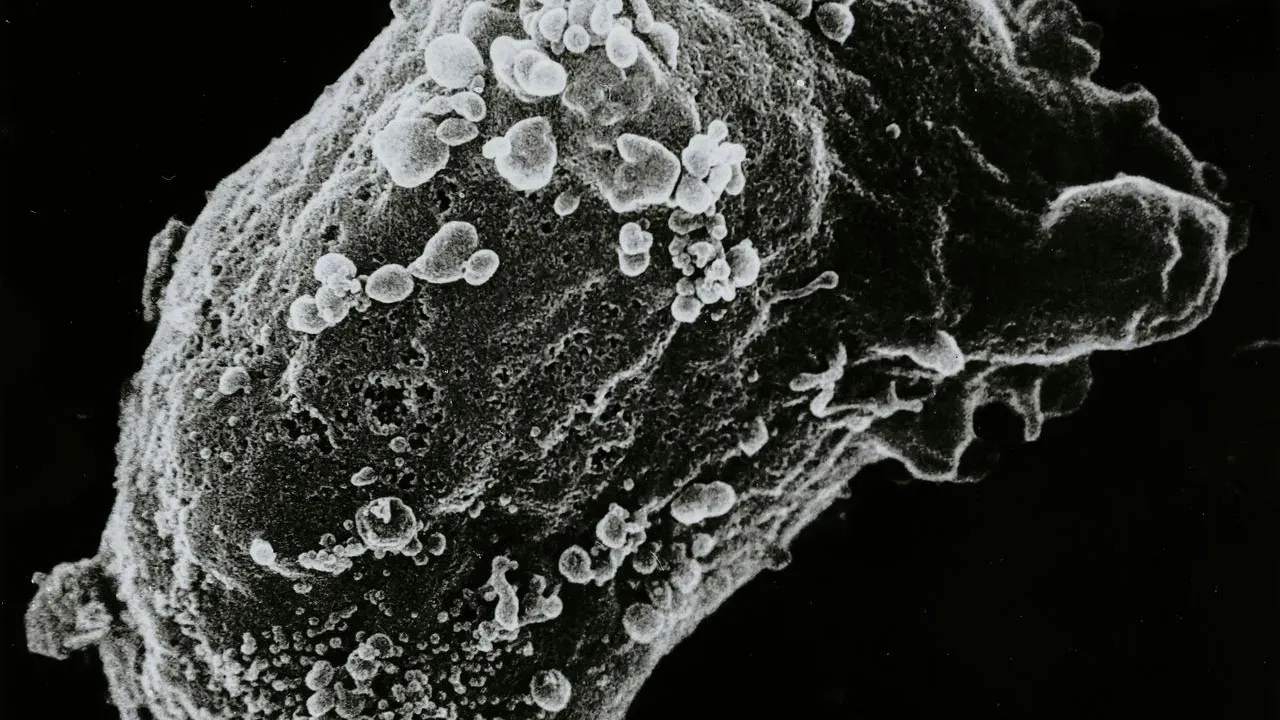

Louisiana health officials have issued a public alert about a rare but serious eye infection tied to everyday habits involving tap water. The warning centers on Acanthamoeba keratitis, which can lead to permanent vision loss in some cases. Reports of the condition prompted the advisory after people used tap water to clean contact lenses or rinse nasal passages. ([1])
Why the Alert Matters Now
The infection remains uncommon, yet its potential consequences make even isolated cases a priority for health authorities. Acanthamoeba keratitis develops when microscopic organisms reach the eye surface, often through contaminated water sources. Officials noted that certain household routines can introduce the amoeba directly to vulnerable areas like the cornea or nasal passages. The timing of the notice reflects a focus on prevention before more people encounter problems.
Health departments track these infections closely because early symptoms can mimic ordinary irritation. Redness, pain, and blurred vision may appear gradually, delaying diagnosis in some instances. Prompt medical attention improves outcomes, though severe cases have resulted in lasting damage despite treatment. The advisory aims to reduce exposure risks through simple changes in routine.
How Tap Water Plays a Role
Tap water in most U.S. systems meets standards for drinking, yet it can still harbor Acanthamoeba in small numbers. The organism thrives in various environments and resists many common disinfectants. When people use untreated tap water to rinse sinuses or handle contact lenses, the amoeba gains a pathway to sensitive tissues. Contact lens wearers face added risk because lenses can trap moisture against the eye.
Nasal rinsing with neti pots or similar devices has grown popular for congestion relief. Without sterile water, however, the practice carries an unintended hazard. Officials emphasize that the same caution applies to both eye care and nasal hygiene. Distilled, sterile, or previously boiled water eliminates the concern in these specific uses.
Practical Steps Officials Recommend
Health authorities outline clear alternatives that avoid tap water in high-risk activities. The guidance focuses on habits that millions already practice daily.
- Use only sterile or distilled water for contact lens cleaning and storage.
- Boil tap water for at least one minute and let it cool before nasal rinsing if sterile options are unavailable.
- Replace contact lens cases regularly and follow manufacturer instructions for disinfection.
- Remove lenses before swimming or showering to limit water exposure.
These measures align with longstanding advice from eye care professionals. They require little extra effort yet address the specific transmission route identified in recent cases. Officials continue to monitor reports while encouraging residents to adopt the safer options immediately.
What Matters Now
Residents who wear contacts or use nasal rinses should switch to sterile water sources right away. Anyone experiencing eye discomfort after water exposure should seek care promptly rather than wait for symptoms to worsen.
The warning does not suggest broader problems with drinking water or general household use. It targets narrow but common practices where water contacts the eyes or nasal passages directly. Public health messaging will likely continue as more data on the cases becomes available.
Simple adjustments in daily routines can prevent a rare infection from becoming a personal health setback. Louisiana officials stress that awareness itself serves as the first line of defense. Continued vigilance helps keep the condition from affecting more people in the months ahead.
AI Disclaimer: This article was created with the assistance of AI tools and reviewed by a human editor.