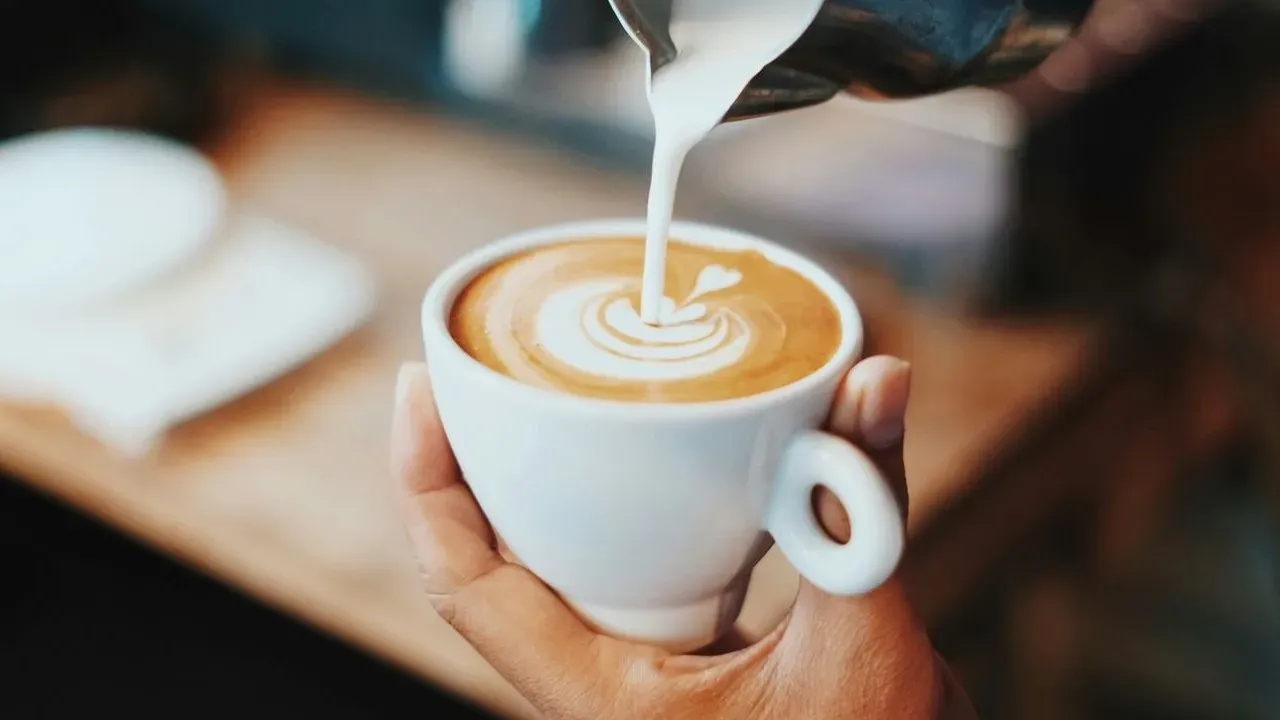

Bushwick has long mixed street art, family traditions, and nightlife into one neighborhood fabric. Now it hosts another distinction: a single cup of coffee priced at $200. Sey Coffee announced it would serve beans from Finca Sophia, a Panamanian farm whose latest geisha lot sold at auction for $44,275. The price works out to roughly $6,325 per kilogram, or about $200 per prepared cup.
Rare Harvest Meets Brooklyn Cafe
The beans come from Finca Sophia in Panama’s Chiriquí highlands. Sey purchased the entire lot after years of buying from the same producer. Yields at the farm dropped sharply this season, prompting the cafe to secure the remaining supply. The geisha variety is known for intense floral and juicy notes that shift as the coffee cools. Staff recommend drinking it black and without haste so each stage of flavor can emerge. This release stands apart even among specialty shops that already charge premium prices. Coffee has moved from everyday commodity to carefully evaluated product in recent years. Customers now study tasting notes and production details through online communities and videos. The $200 cup reflects that shift toward treating exceptional lots like fine wine or spirits.
Supporting the Farm Through Partnership
Sey’s decision grew from an established relationship with Finca Sophia. When the farm reported sharply reduced output, the cafe chose to buy the full harvest rather than seek cheaper alternatives elsewhere. The move aimed to sustain the producer during a difficult year while also creating a distinctive offering for customers. Such direct sourcing helps maintain quality standards and traceability. It also highlights how small farms can face steep production swings from weather or other factors. By paying top auction prices, Sey positions itself as a partner that values continuity over short-term savings. The approach aligns with broader efforts in specialty coffee to reward growers who deliver standout results.
Premium Tastings Reshape the Cafe Model
Sey has built a reputation for thoughtful operations since opening its current Grattan Street location. The space draws a mix of locals, artists, and visitors who linger over carefully prepared drinks. The shop pays staff well above minimum wage and shares revenue, choices that have earned recognition from food publications. Similar experiments appear elsewhere. Some New York and San Francisco cafes now offer structured tasting menus that treat coffee like a multi-course experience. These formats encourage slower consumption and closer attention to aroma and flavor development. The trend moves coffee away from quick refills and toward deliberate appreciation.
Questions of Value and Access
The high price raises practical points about who can participate in these experiences. While the beans represent extraordinary quality, the cost places them beyond routine purchase for most people. Industry voices note that other food categories, from wine to sushi, already command similar premiums without widespread objection. Sey frames the release as an exploration of what exceptional coffee is truly worth rather than an attempt to inflate prices. The conversation continues as more cafes test higher tiers and more consumers learn to evaluate what they are tasting. The outcome may influence how farms, roasters, and shops assign value to the crop in coming seasons.
AI Disclaimer: This article was created with the assistance of AI tools and reviewed by a human editor.