
Kimchi: From Korean Tables to American Refrigerators
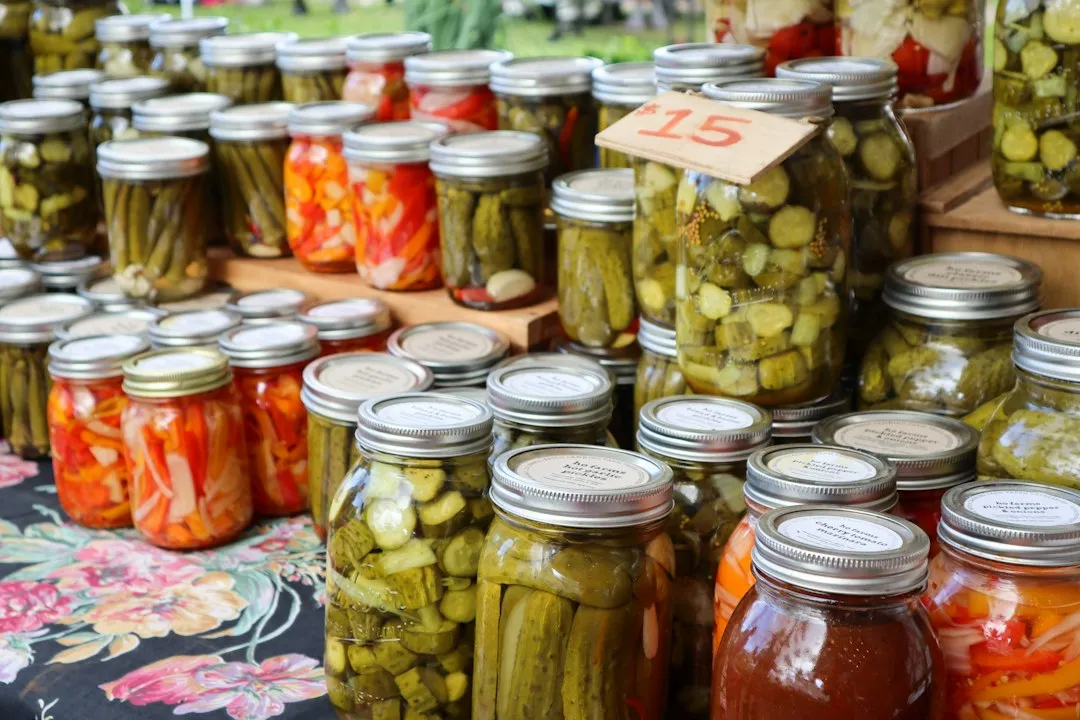
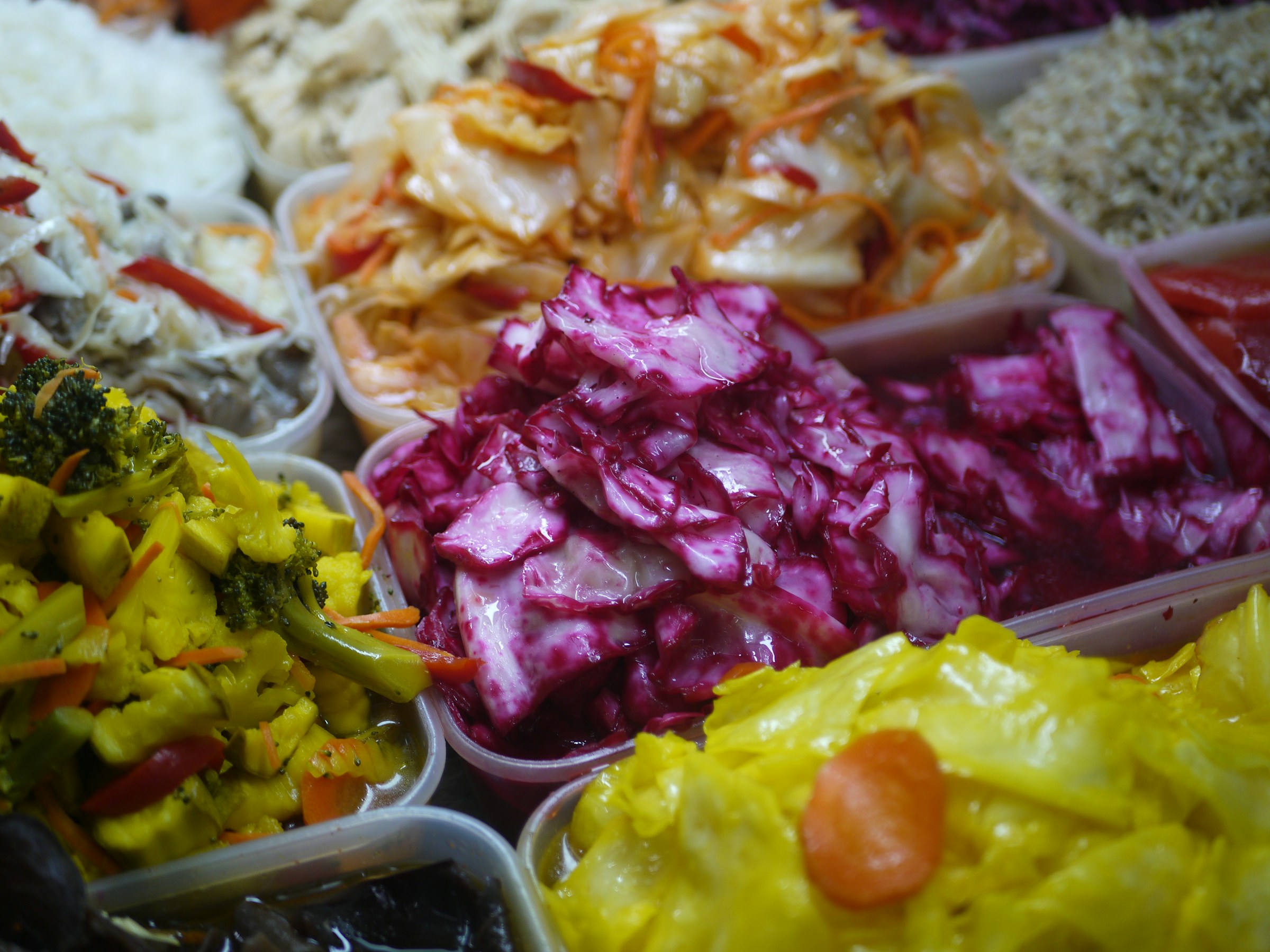
Few foods have traveled quite as far, culturally speaking, as kimchi. The spicy, tangy fermented cabbage dish is a cornerstone of Korean cuisine and has been eaten for centuries. Kimchi mentions on U.S. restaurant menus are up 92 percent in recent years, a striking sign of how deeply it has crossed over into mainstream dining.
A 12-week study by the World Institute of Kimchi, published in npj Science of Food, found that daily kimchi consumption strengthened antigen-presenting cells, which are immune cells that recognize pathogens like bacteria and viruses. The science is still accumulating, but the early signals are encouraging. Several interventional and observational studies have highlighted that lactic acid bacteria in kimchi help enhance gut microbial balance.
Dishes with fermented ingredients are staples of the three cuisines topping recent culinary trend charts: Korean, Vietnamese, and Filipino. Think kombucha, kimchi, tempeh, gochujang, and miso. Kimchi in particular has benefited from the broader embrace of Korean food culture in the U.S., and it is now stocked in virtually every major grocery chain nationwide.
Kombucha: The Fizzy Drink That Refused to Stay Niche

Kombucha, the slightly effervescent fermented tea, was once found only in health food co-ops and natural grocery stores. That era feels like a long time ago. Kombucha mentions on U.S. restaurant menus are up 226 percent, the largest increase of any fermented food category tracked.
The kombucha segment specifically experienced 72 percent year-over-year growth in the U.S. market, reflecting a clear shift in consumer preferences toward functional beverages. Flavors have expanded dramatically, with brands now producing everything from ginger-lemon to lavender-adaptogen blends. In February 2025, SYNERGY introduced a limited-edition Wildflower kombucha infused with adaptogenic herbs and botanicals, demonstrating active innovation in new ingredients and flavor development.
The health claims around kombucha deserve some nuance. A 2025 systematic review of clinical trials published in the journal Fermentation concluded that kombucha demonstrates only a “modest capacity” for modulating gut microbiota, with significant variability between studies making it hard to draw firm conclusions. Still, its popularity shows no sign of slowing down, and for many Americans it serves as a gateway into the broader world of fermented foods.
Kefir: The Probiotic Powerhouse Most Americans Are Still Discovering

Kefir has a longer track record in clinical research than many of its fermented food counterparts. It is a cultured dairy drink, thinner than yogurt, with a tangy flavor and a surprisingly dense probiotic profile. A 2025 review in Frontiers in Food Science and Technology found consistent evidence from clinical trials that kefir enhances gut microbial diversity and can improve digestive health outcomes.
A 2025 systematic review also examined kefir’s potential role in neurodegenerative disease, noting that kefir’s bioactive compounds, including B vitamins, choline, and folic acid, support neuronal health, and its influence on gut microbiota may help reduce inflammation associated with Alzheimer’s disease. That is a significant area of emerging research, though more human trials are needed before strong claims can be made.
Kefir menu mentions in U.S. restaurants are up 101 percent, placing it among the fastest-growing fermented categories in food service. In retail, companies like Lifeway Foods have seen continued sales momentum. Lifeway Foods reported a significant accomplishment of exceeding USD 5.5 million in gross sales for a single week ending July 13, 2025.
Miso: The Umami Workhorse Finding a New Home in American Cooking
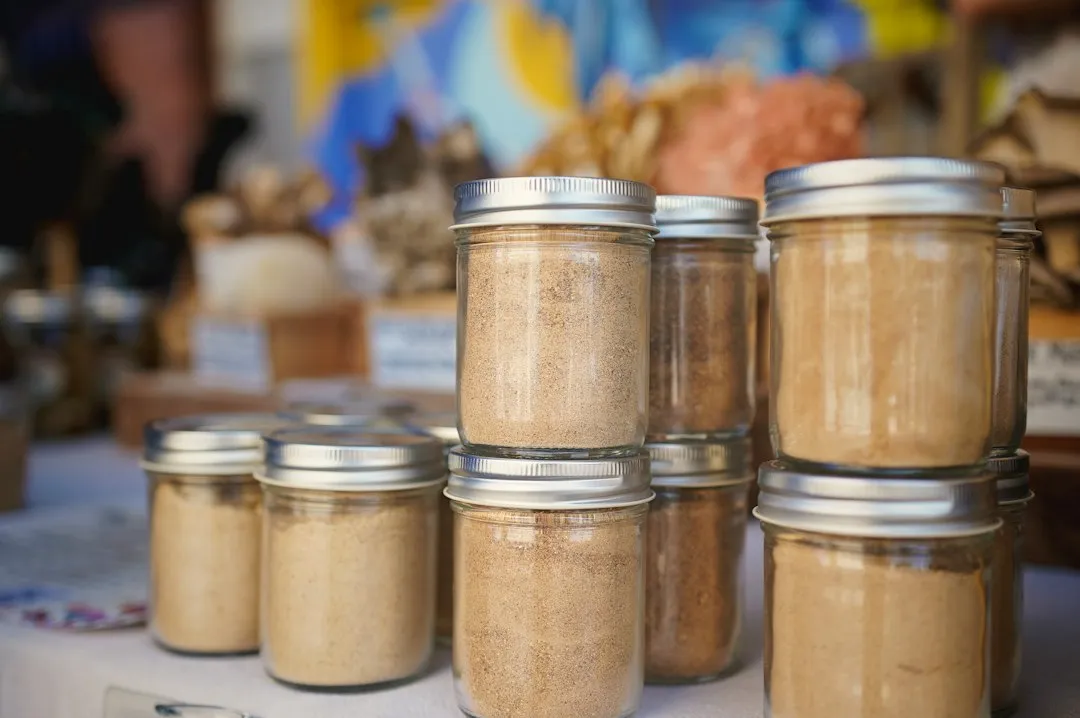
Miso has been used in Japanese cooking for over a thousand years, but its role in American kitchens is relatively recent and growing fast. With thousands of varieties, miso adds a deeply satisfying umami flavor to soups, sauces, dressings, and batters. Its versatility is part of why it’s become so appealing to home cooks looking to add depth without complicated techniques.
The fermented soybean paste carries genuine functional properties. In products such as miso, microbial enzymes transform complex polyphenolic structures into smaller and more bioavailable metabolites with improved antioxidant, antimicrobial, and anti-inflammatory effects. Those aren’t empty marketing claims. They reflect real biochemical changes that happen during fermentation.
Consumption of fermented soy products like miso impacts gut health, metabolic markers, and immune function, with B-complex vitamins derived from miso also helping to alleviate psychological stress markers in some research. These findings are still maturing, but miso’s trajectory in American cooking seems clearly upward.
Sauerkraut: The Original American Ferment Making a Comeback
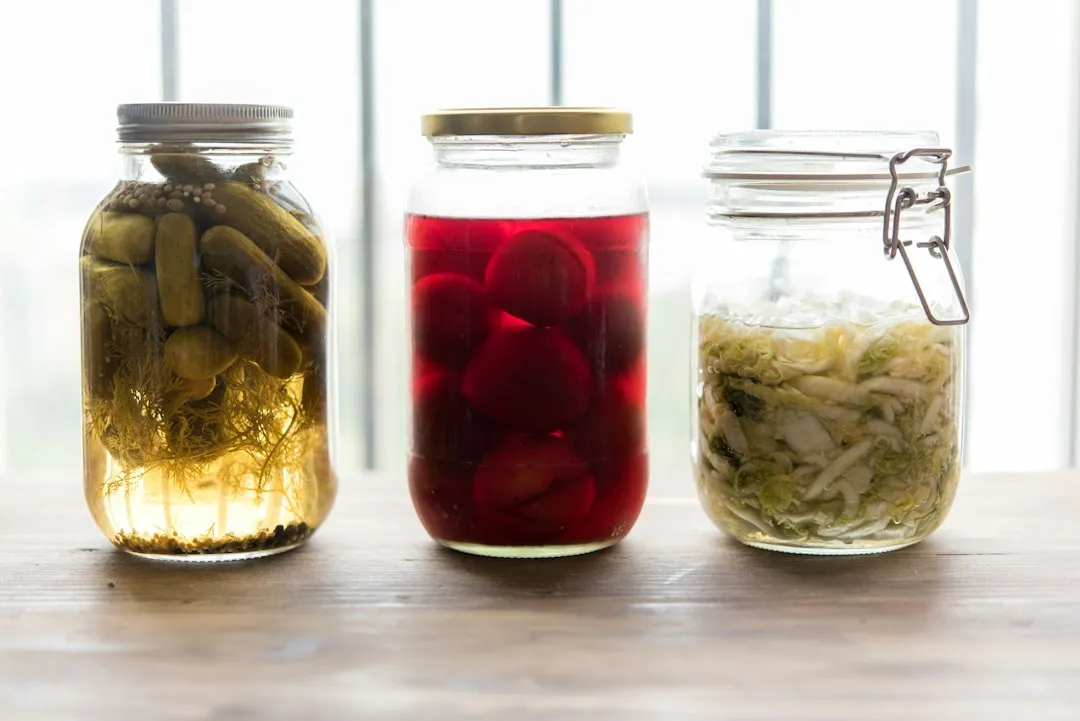
Sauerkraut is arguably the most historically American of all the fermented foods currently trending. German and Eastern European immigrants brought it to the U.S. generations ago, and it was a kitchen staple long before anyone used the word “probiotic.” Its recent comeback feels more like a rediscovery than a trend.
Regular intake of fermented products including sauerkraut has consistently been associated with beneficial alterations in the gut microbiota across peer-reviewed research. The key distinction that has changed consumer behavior is awareness: shoppers now know to look for refrigerated, unpasteurized sauerkraut rather than the shelf-stable canned version, which loses its live cultures during heat processing.
Pickled and fermented items broadly are up 55 percent on U.S. restaurant menus, with sauerkraut and other fermented vegetables contributing to that growth. Regional American breweries and restaurants have also leaned into house-made sauerkraut as both a culinary differentiator and a nod to local food history.
Tempeh: The Plant-Based Protein That Fermentation Makes More Nutritious
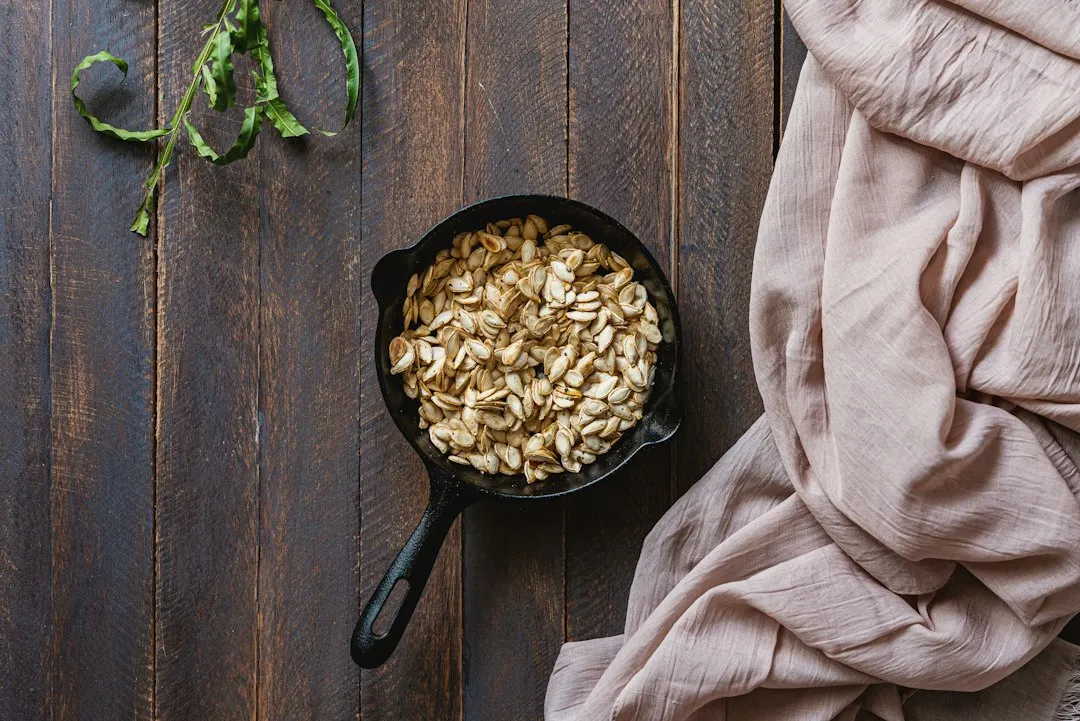
Tempeh is not as widely recognized as tofu, but it is arguably more nutritionally complex, and fermentation is the reason why. Made from compressed, fermented soybeans, it has a dense, nutty flavor that holds up well to grilling, braising, and pan-frying. A 2024 review highlights that the process of fermentation increases protein digestibility and vitamin bioavailability in soybeans.
Tempeh contains isoflavones, antioxidants, and peptides, and is associated with anti-inflammatory properties, antioxidant activity, and gut microbiota support according to published research. Its appeal to plant-based eaters has driven much of its growth, but it is increasingly showing up in mainstream recipes and restaurant menus beyond vegetarian and vegan contexts.
Innovation and acceptance are being propelled by growing demand for natural fermented, plant-based, and dairy-free goods. Tempeh fits squarely in all three of those categories, and food manufacturers have taken notice, introducing flavored and marinated varieties that reduce the prep time that once discouraged casual home cooks.
Yogurt: The Fermented Food Americans Never Stopped Eating

Yogurt deserves acknowledgment as the fermented food that never really left the American dinner table. It has been a refrigerator staple for decades, but the category has evolved considerably. Greek yogurt redefined expectations for texture and protein content, and now a new wave of Icelandic-style skyr and probiotic-forward products is pushing quality further.
Fermented dairy products held the largest market value of USD 62.7 billion in 2025, supported by established manufacturing processes and strong consumer trust in their probiotic health benefits. Yogurt anchors that category and continues to serve as the entry point for most Americans’ relationship with fermented foods.
In 2024 and 2025, companies like Danone, Yakult, and Chobani launched new probiotic yogurts, kefir drinks, and plant-based fermented products, boosting both nutrition profiles and flavor variety. The innovations are genuine, not just packaging refreshes. Probiotic strain diversity in commercial yogurts has expanded meaningfully in recent product cycles.
The Gut Health Conversation Driving It All

It would be a mistake to separate the fermented food trend from the larger gut health conversation happening in American culture. Research on the gut microbiome has moved from academic journals into mainstream media, fitness communities, and social platforms at a pace that has noticeably shaped shopping behavior. In a 2025 survey, more than four in ten consumers ate fermented foods specifically for digestion and wellness, three times more than those who chose them purely for bold flavor.
A landmark Stanford clinical trial found that a diet rich in fermented foods increases microbial diversity and lowers inflammatory markers in ways a high-fiber diet alone did not replicate over the same period. That study, though limited in scale, attracted considerable attention and gave many consumers a concrete reason to add fermented items to their routines.
The health and wellness segment dominated the fermented food and beverage market with the highest revenue share of about 45 percent in 2025, due to growing consumer focus on gut health, immunity, and overall well-being. The commercial and the clinical are, for once, pointing in the same direction.
Grocery Stores and Restaurants Are Responding
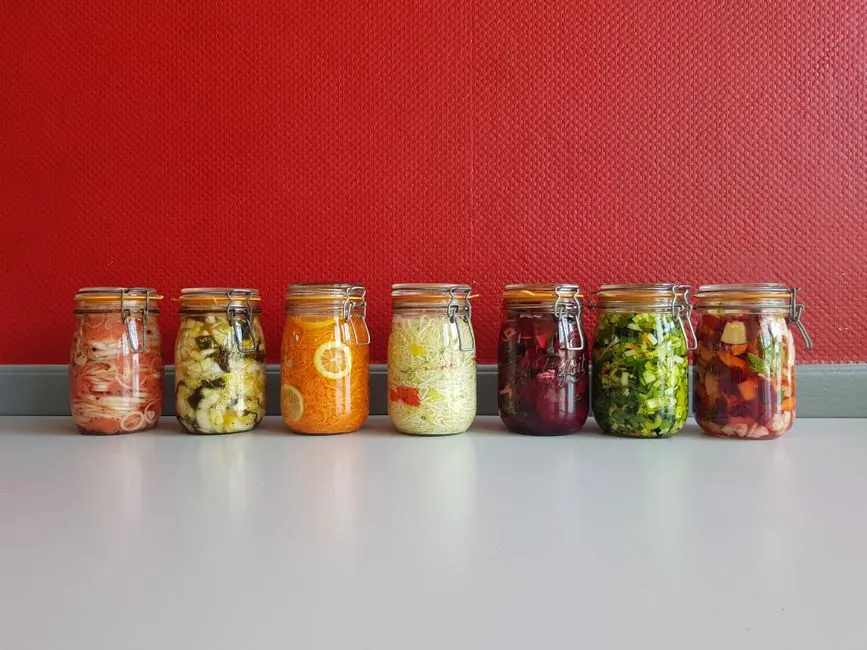
Consumer interest alone would not have driven this shift without the retail and food service infrastructure to support it. On February 12, 2025, Kroger expanded its fermented foods section across all U.S. stores, focusing on increasing the availability of probiotic yogurts and kombuchas. That kind of national expansion signals confidence in sustained demand, not just a passing wellness craze.
In August 2025, Fermented Food Holdings added Bubbies and Wildbrine’s new product lines in U.S. Whole Foods Market locations, solidifying leadership in the fermented foods category. Premium positioning has become a real strategy, with artisan fermented products commanding shelf space alongside conventional brands in ways that would have been unusual just five years ago.
Fermented items now appear at more than 1,600 U.S. restaurant chains, with fermented honey and fermented chile among the leading menu ingredients. That breadth indicates that fermentation has moved well beyond farm-to-table fine dining and into everyday eating occasions at every price point.
What the Market Numbers Actually Tell Us
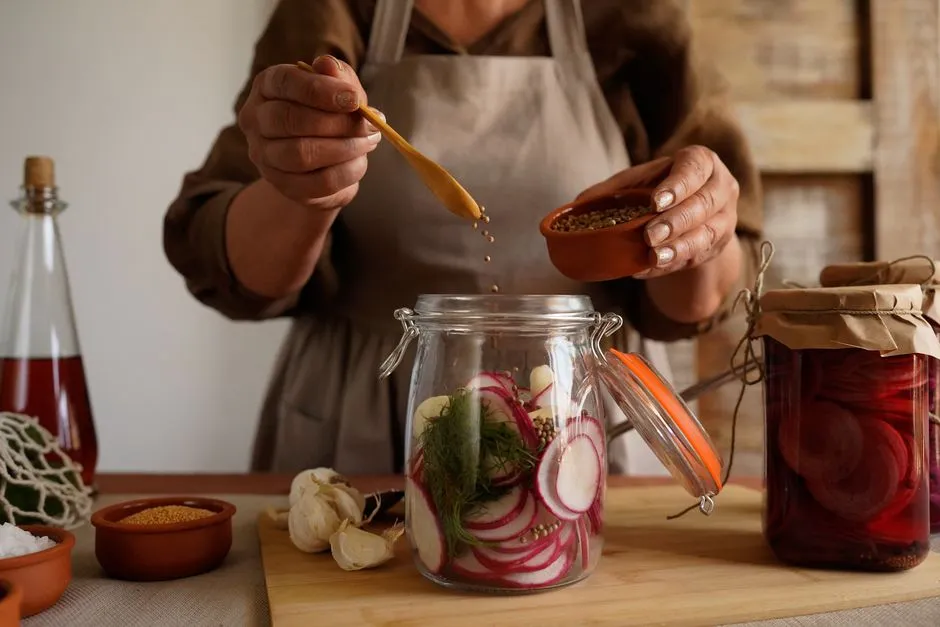
Market research on fermented foods comes from multiple sources and uses different scopes, so figures vary widely depending on what is included. What the data consistently show, regardless of methodology, is sustained growth. The United States Fermented Foods Market was valued at USD 9.85 billion in 2025 and is projected to reach USD 18.45 billion by 2032, exhibiting a compound annual growth rate of 11 percent during the forecast period.
The U.S. Fermented Food and Beverage Market was valued at USD 63.33 billion in 2025 and is expected to reach USD 126.79 billion by 2035, growing at a compound annual growth rate of 7.18 percent from 2026 to 2035. The exact figures depend on scope and definition, but every credible analysis points in the same direction: consistent, meaningful growth across the category.
Among the consumer behavior signals driving that growth: roughly two thirds of consumers actively seek probiotic foods, about two in five prefer plant-based options, and more than half choose foods specifically for their functional health properties. These are not niche preferences anymore. They represent a broad and durable shift in how Americans think about what they eat.
The Takeaway

The fermented foods now appearing on American dinner tables are not a fad dressed up in wellness language. They represent a genuine convergence of culinary curiosity, cultural exchange, and nutritional science that has been building for years. The research is still catching up to the tradition in many cases, and that honesty matters. Not every probiotic claim will survive clinical scrutiny.
What does hold up clearly is this: fermented foods like yogurt, kimchi, kefir, and sauerkraut undergo a natural fermentation process where beneficial bacteria convert sugars into acids, and this process enhances flavor, extends shelf life, and promotes digestive health by fostering beneficial gut bacteria and improving nutrient absorption. That combination of flavor, function, and food culture is a rare thing. It’s why these foods aren’t going back to the specialty aisle anytime soon.
AI Disclaimer: This article was created with the assistance of AI tools and reviewed by a human editor.