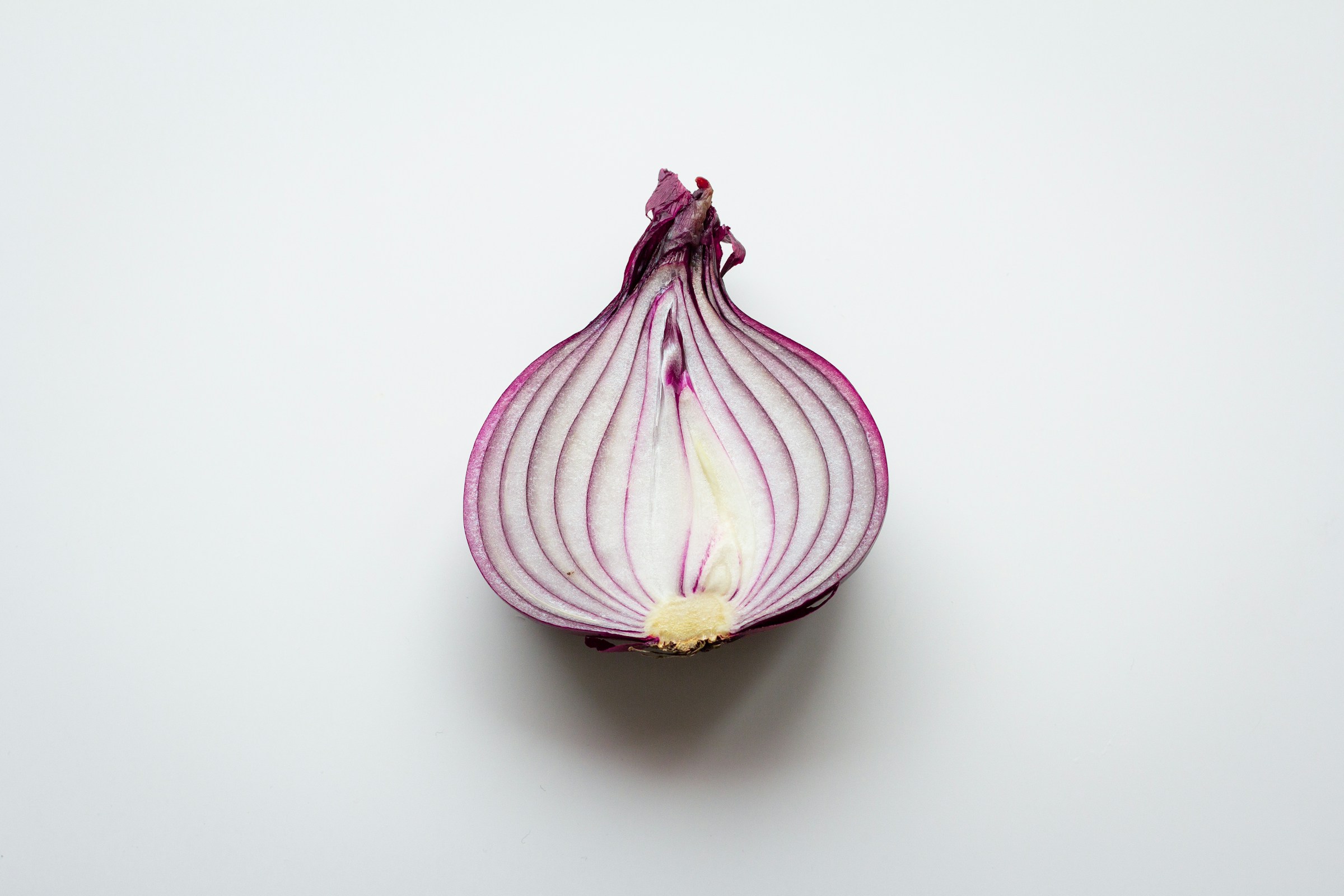

Onions Need a Head Start Like Almost No Other Vegetable
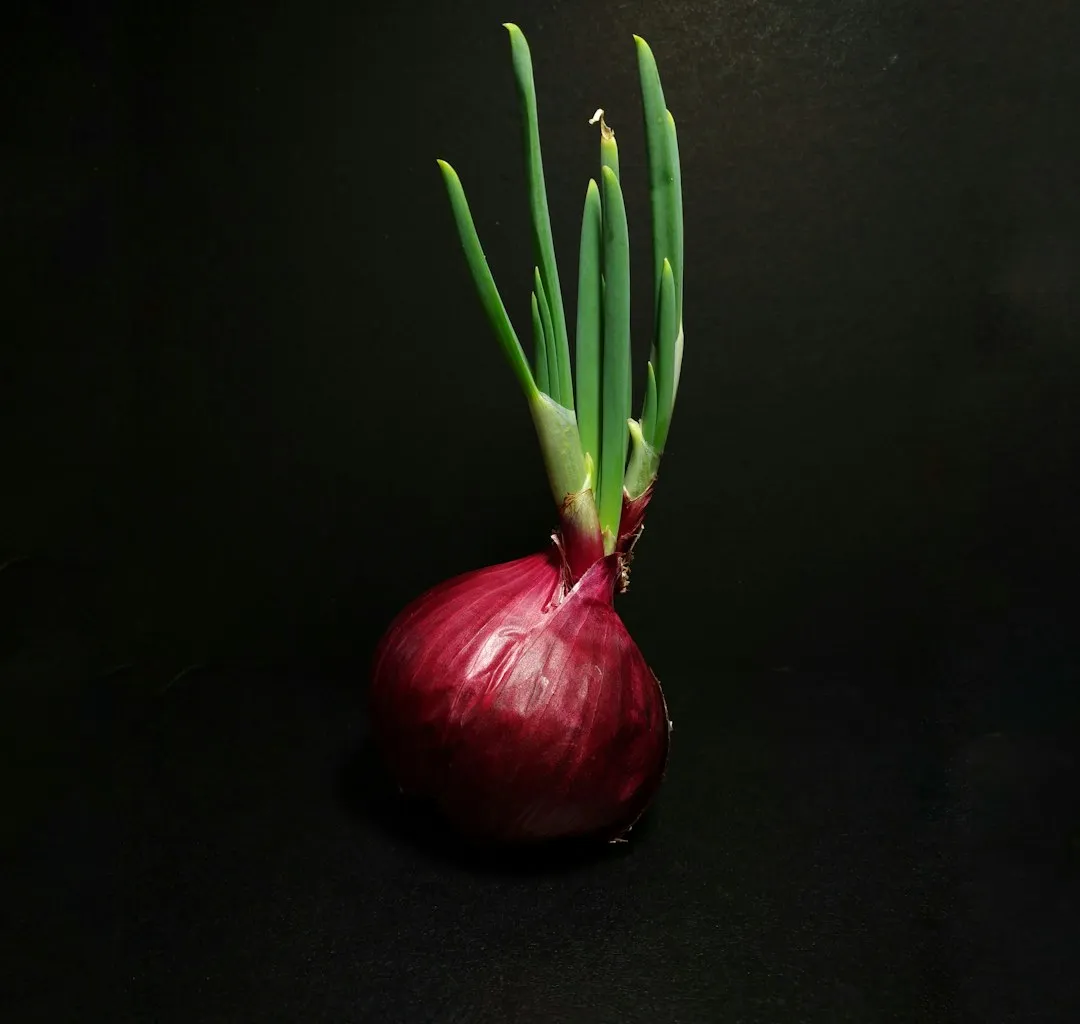
Most onions take at least 100 days to grow from a seed to a mature plant that’s ready to harvest. That number alone explains a lot. If you wait until the ground thaws and the calendar feels more agreeable, you’ve already lost ground you can never recover.
Timing matters more with onions than almost any other vegetable. Onions need a long growing season, and starting late means smaller bulbs. That’s not a suggestion – it’s just plant biology.
For most northern growers, direct seeding onions isn’t really an option – the growing season is too short for them to mature unless they get a big head start indoors. Winter seeding is the practical solution, not a gardening hobby quirk.
The Eight to Twelve Week Rule
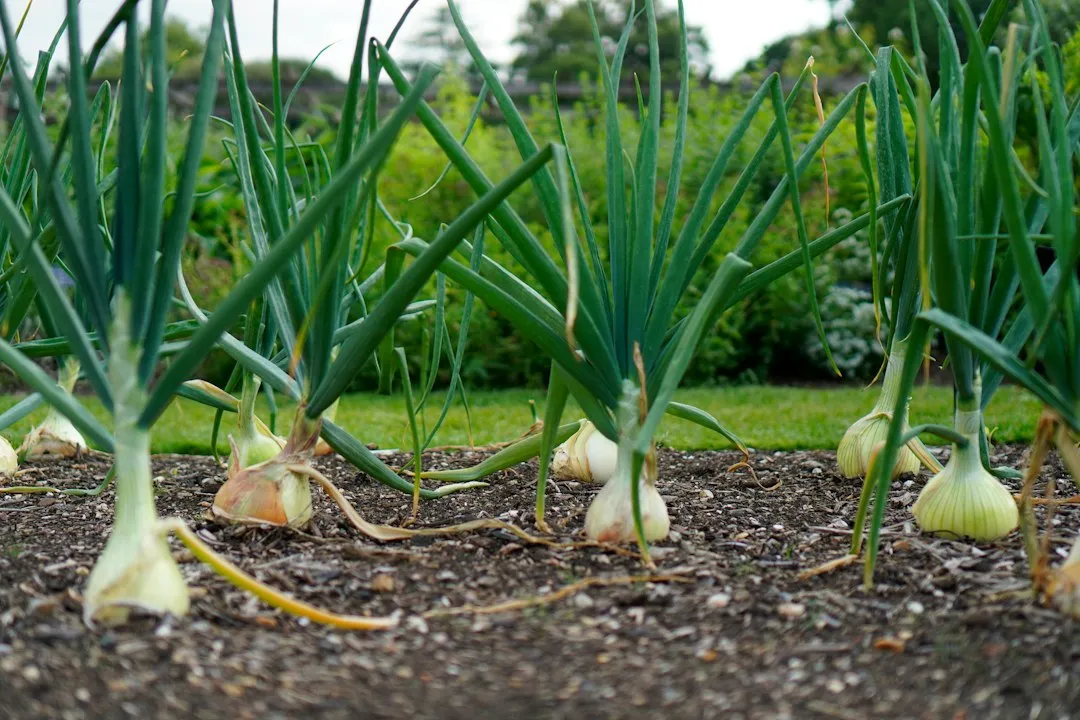
Starting onion seeds indoors gives you a head start on the growing season and can lead to larger, healthier bulbs at harvest. Aim to sow onion seeds about 8 to 12 weeks before your last expected spring frost, typically from late winter to early spring.
As a rule of thumb, most gardeners should start seeds indoors about 8 to 10 weeks before their area’s last spring frost date. This gives the delicate seedlings a crucial head start, allowing them to build up a strong root system and plenty of green tops before they head out to the garden.
For early spring planting, consider starting your seeds indoors in January or February under growing lights. That timing is why the trays come out when the rest of the house is still in full winter mode.
Bigger Seedlings Equal Bigger Bulbs
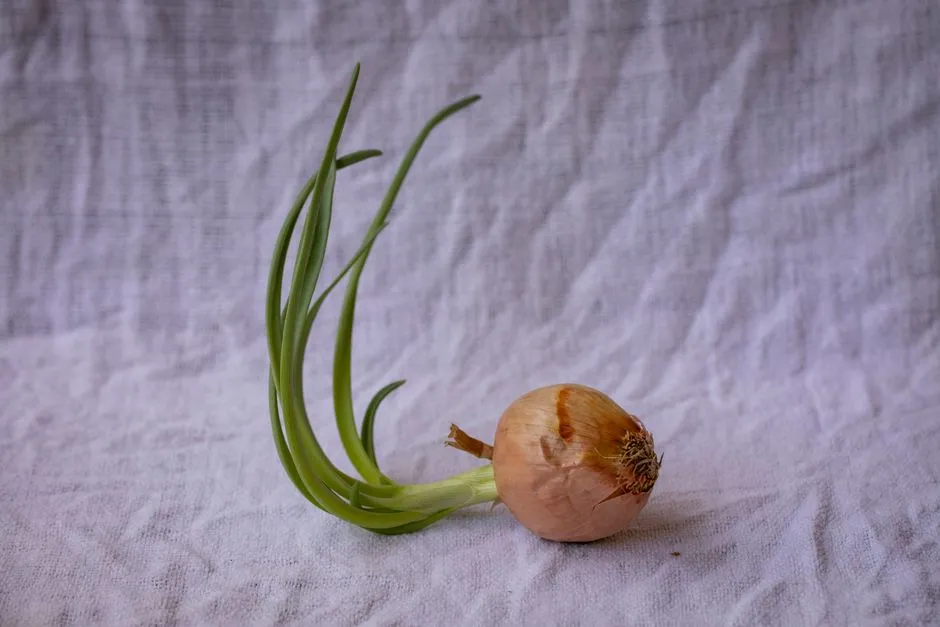
The trick to producing large onion bulbs is to give them a headstart. You can start onion seeds indoors 10 to 12 weeks before the last frost date, and since onion seedlings can tolerate a light frost, they can be set outside 4 weeks before the last frost date.
The larger the seedlings are at transplant size, the larger your onion bulbs will be when it is time to harvest. This connection between early indoor size and final outdoor bulb size is a detail that separates experienced onion growers from beginners.
Onions started from seed will also make a bigger and nicer onion than one grown from a set. For gardeners who want impressive storage onions rather than small, quick-grown sets, the winter start is almost non-negotiable.
Long-Day vs. Short-Day: Why Variety Choice Changes Everything
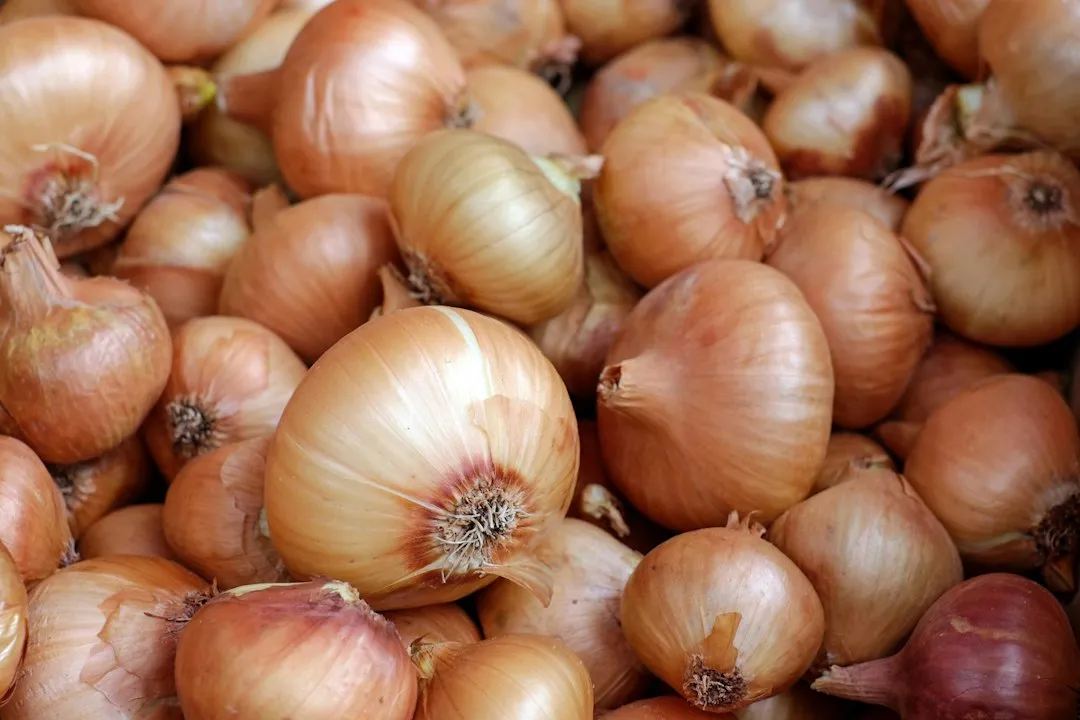
When it comes to cultivating large, solid bulbs, the absolute most common mistake growers make is planting the wrong day-length type for their specific latitude. Starting seeds in winter with the wrong variety is work that goes nowhere.
Long-day onions only make bulbs when the day length reaches 14 to 16 hours and are ideal for northern growers above 35°N latitude. Intermediate-day or “day neutral” onions produce bulbs at a wide variety of latitudes as long as they receive 12 to 14 hours of daylight, and are ideal for Zones 5 to 6. Short-day onions make bulbs when the day length reaches 10 to 12 hours and are great for far southern locations like Texas, the Southwest, and Gulf Coast states.
Short-day onions tend to be sweeter and usually store for only a few months, while longer-day onions generally offer a wider variety of flavors and much longer storage life. Knowing which category fits your garden is the single most important research step before you ever open a seed packet.
The Indoor Setup: Light, Heat, and Not Much Else
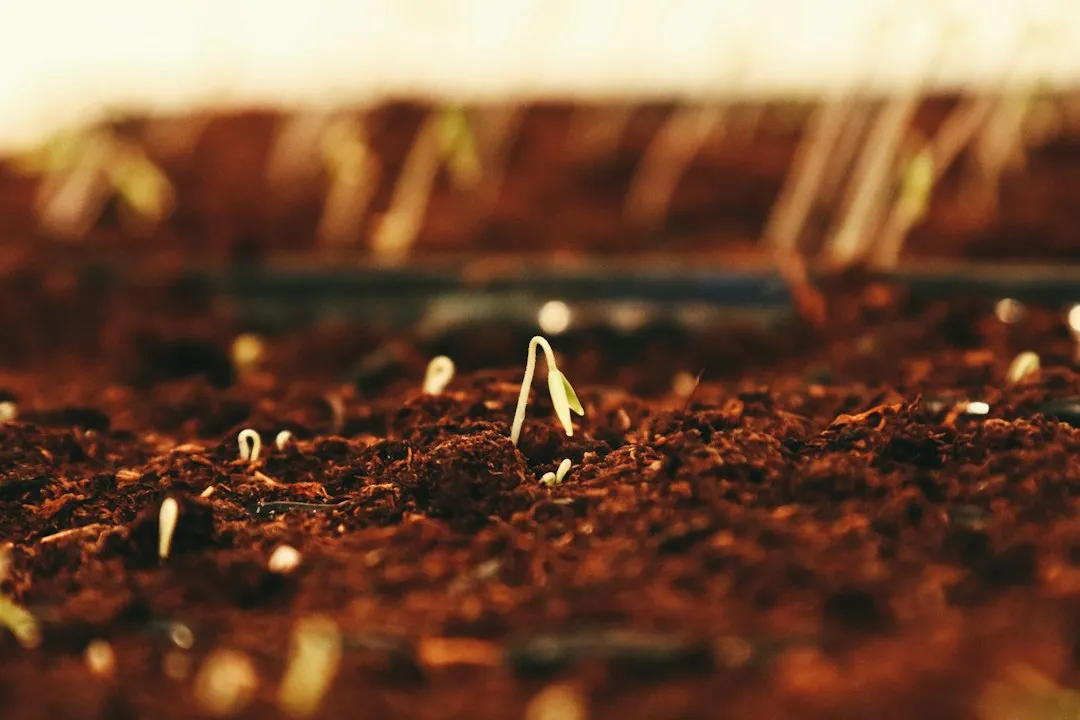
Place containers in a bright spot – under grow lights or near a south-facing window – to provide at least 12 to 14 hours of light daily, which helps prevent seedlings from becoming leggy. Maintain a room temperature of 65 to 70°F (18 to 21°C) during germination; onions germinate best in warmth but avoid overheating.
Although not necessary, onions do benefit from bottom heat during the germination process. Specialized heat mats are great for this, but so is the top of the refrigerator. Simple solutions work just fine, even without a dedicated seed-starting room.
The cooler the soil temperature, the longer it will take for onion seeds to germinate – up to two weeks. Warm soil temperatures, on the other hand, can trigger onion seed germination in as little as four days. Keeping things warm early on genuinely matters.
The Winter Sowing Method: An Outdoor Alternative
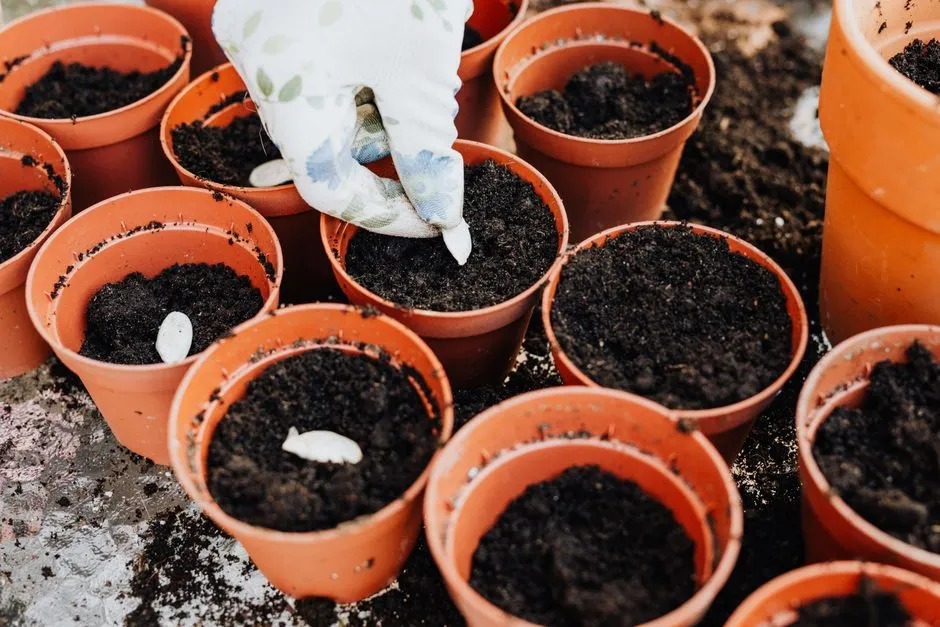
To grow onions with the winter sowing method, start onion seeds outdoors during the winter – between late December to February in most locations. This approach skips the indoor grow-light setup entirely.
Don’t worry if the container becomes covered with leaves or snow during the cold winter – the seeds are dormant and are cold hardy. You shouldn’t have to water them through the winter either. The seeds essentially wait for the right moment, on their own schedule.
You could look at this as a form of spring planting, but you’re relieving yourself of the springtime mental work by getting the seeding out of the way in the winter. For gardeners with packed spring schedules, that’s a real practical benefit.
Seed Variety: A Far Wider Selection Than Sets Offer
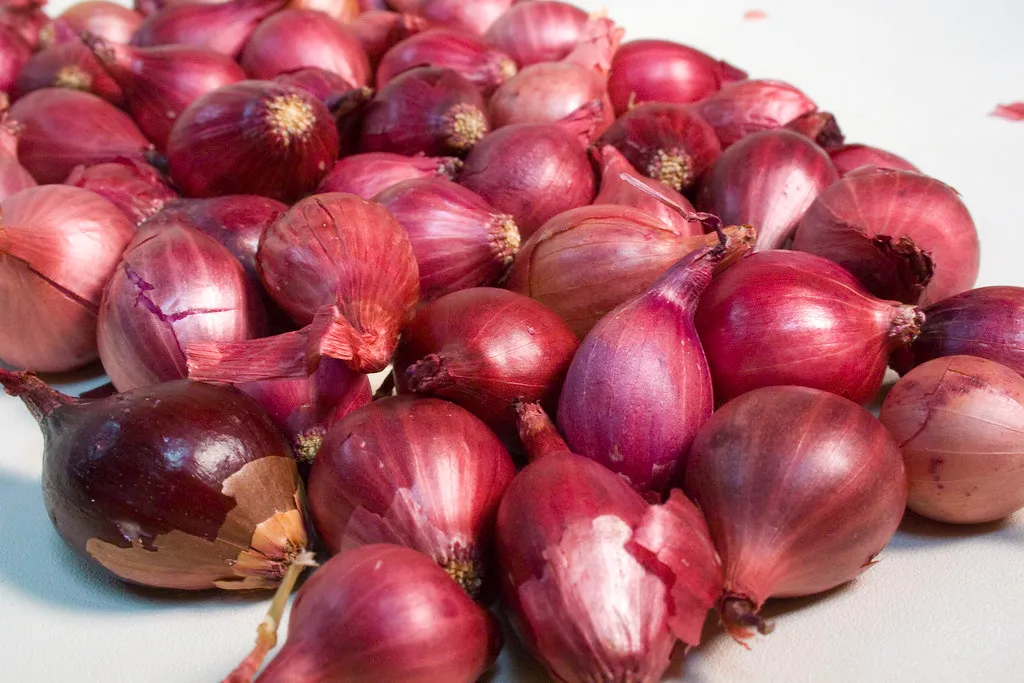
There are a lot of advantages to growing onion and leek plants from seed – you have more varieties to choose from, it’s more economical than buying sets (especially if you already have a seed starting setup), and the onions you grow will store better.
Growing onions from seeds offers several advantages, including access to a wider variety of onion types not typically available in stores. Garden centers typically stock a handful of sets in a couple of colors. Seed catalogs offer dozens of varieties, from mild storage types to rare heirlooms.
Short-day onions, like ‘Texas Super Sweet,’ thrive in warmer regions with fewer daylight hours, while long-day onions, such as ‘Walla Walla,’ grow best in northern areas with longer days. Having the freedom to choose means you can actually match the onion to your kitchen priorities, not just whatever the local hardware store happened to order.
Cost Savings Are Real, Especially at Scale
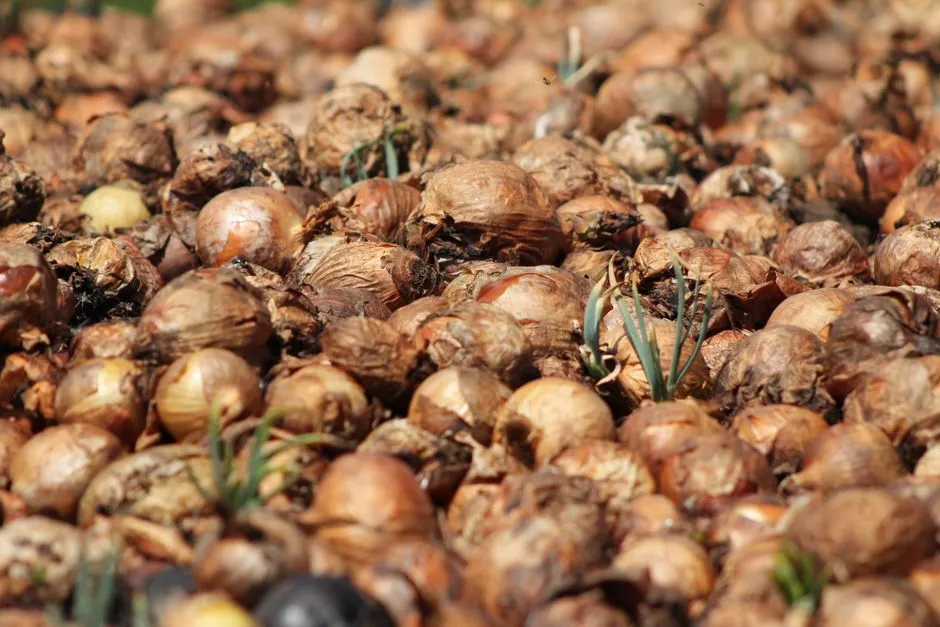
While many folks choose to buy onion sets (dried tiny onions) or starts (started green plants), onions are actually very easy to grow from seed. Growing onions from seed is much cheaper than buying started plants, so they are more economical if you are growing a lot of them.
Seeds usually cost less, allowing you to plant multiple varieties without breaking the bank. Instead of buying sets or established plants, you invest in packets of seeds that last for several seasons. A single packet can cover a full garden row and come back useful again next winter.
For anyone growing onions seriously – whether for a kitchen garden or a small homestead – the math is straightforward. Seed starting in winter is simply the most cost-effective path to a well-stocked root cellar.
Hardening Off: Bridging the Gap Between Indoors and Out
Begin hardening off onion transplants about 4 weeks before your last expected frost date. Harden off the onion seedlings in a sheltered location for a few hours on the first day, and increase the amount of time each day until the plants are outside overnight.
Think about how it will take 5 to 10 days for seeds to germinate, 3 to 6 weeks for seedlings to grow, and 1 to 2 weeks for seedlings to harden off before planting outside. Hardening is just exposing your seedlings to cooler temperatures over time to prepare them for the outdoors.
Allium seedlings can withstand light frosts so that you can transplant them outdoors before your last frost date. However, you should wait until the ground thaws and the danger of heavy freeze has passed. This flexibility gives winter-started onions a useful window to get into the ground early.
Planting by Climate Zone: When Winter Really Means Winter
According to planting calendar guides, gardeners in USDA Zones 3 to 4 should start seeds indoors from late January to mid-February and plan to transplant them from April to May. Those in Zones 5 to 6 generally start from mid-February to early March, with outdoor planting in May.
Long-day onions grow best in northern areas and should be sown indoors about 10 to 12 weeks before your area’s last expected spring frost – usually from late January through early March. For a gardener in Minnesota or Vermont, that places the seed tray firmly in midwinter.
Short-day onions, which suit the southern United States, can be sown directly outside in mild climates during late fall to early winter, or started indoors in late summer for transplanting in the fall; these will mature as daylight increases in spring. Geography shapes the entire strategy, which is why a blanket “plant in spring” rule never quite works for onions.
The Quiet Satisfaction of a Full Pantry Come Fall
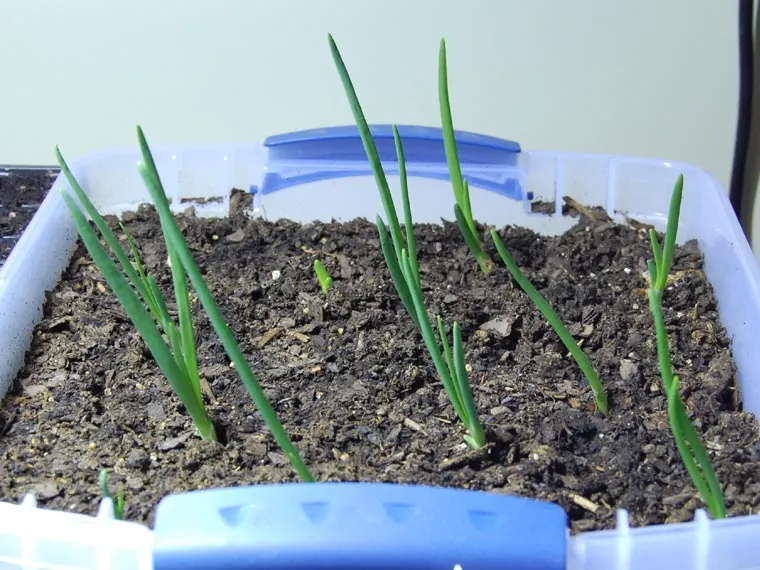
Those January seed trays are easy to underestimate from a distance. They don’t look like much – a few dozen pale shoots under a grow light, a bit of condensation on the dome lid. But each one of those seedlings carries a direct line to a harvest that can last well into the following year.
Storage onions cured properly and kept cool can last many months. Long-day storage varieties can last up to 6 months when stored in a cool area. That kind of pantry security starts not in summer, not in spring, but on a dark afternoon in the heart of winter.
The gardeners who start their onion seeds in January aren’t being impatient. They’re just paying close attention to the calendar – and to the simple fact that good things in the garden, like good things in general, require more lead time than most people expect.
AI Disclaimer: This article was created with the assistance of AI tools and reviewed by a human editor.