

The Immune System Slows Down With Age

The immune system changes with age, which is why it may take longer to fight off a virus, and health problems like heart or lung disease can further slow recovery as we get older. This isn’t just a vague observation. It reflects real, measurable shifts in how the body detects and responds to infection.
As people age, the immune system naturally weakens. The body produces fewer infection-fighting cells and takes longer to mount a strong response to viruses, which means a cold virus can spread more easily, last longer, and cause more intense symptoms.
Older adults also form fewer protective antibodies, leaving them more vulnerable to recurring infections. Even a mild cold can escalate if the immune system cannot keep the virus under control.
Immunosenescence: When the Body’s Defenses Age Out
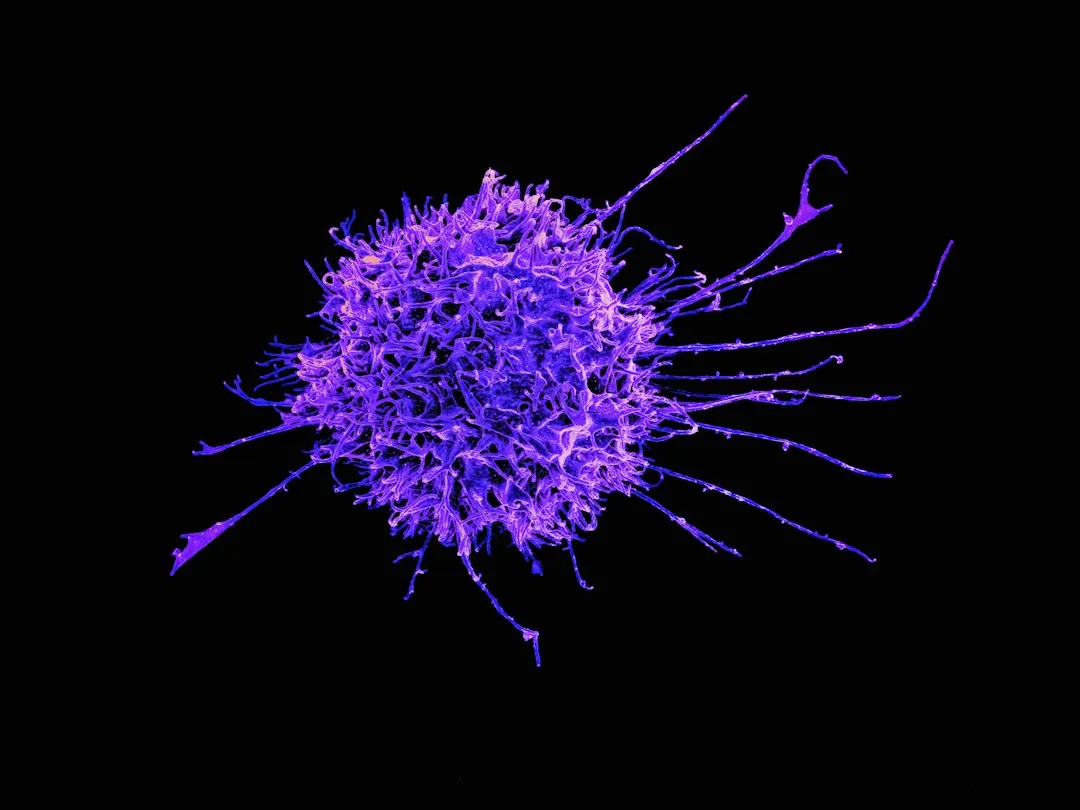
One of the most recognized consequences of aging is a decline in immune function, commonly referred to as immunosenescence. Researchers have been studying this phenomenon for decades, and the picture that has emerged is both detailed and concerning.
Analyses of the immune system in elderly individuals have determined several immune signatures constituting an immune risk phenotype. An inverse CD4/CD8 ratio, loss of naïve T cells, increased numbers of terminally-differentiated T cells, and oligoclonal expansions of virus-specific T cells constitute hallmarks of immunosenescence.
Immunosenescence and inflammaging increase the susceptibility to and severity of respiratory viral infections in older adults, according to a 2025 state-of-the-art review published in a peer-reviewed journal. The consequences are not theoretical. They show up in how long someone stays sick.
Inflammaging: A Slow Burn That Works Against Recovery

As age progresses, the immune system loses its proper functional balance, protection against pathogens, and homeostatic properties in a condition called inflammaging. Think of it as a low-grade, persistent fire that the body can’t quite put out, and that fire competes with the resources needed to fight a new infection like a cold.
Baseline C-reactive protein (CRP) levels, a key marker of inflammation, rise from below 1 mg/L in young adults to 2 to 3 mg/L in many seniors, distracting immune cells from new threats. This background noise of inflammation means the immune system is already stretched thin before any virus even enters the picture.
With age-related immune decline, older adults face increased vulnerability to infections and severe complications, and this contributes to inflammaging, which is a low-grade, chronic inflammation linked to aging.
Macrophages Lose Their Effectiveness
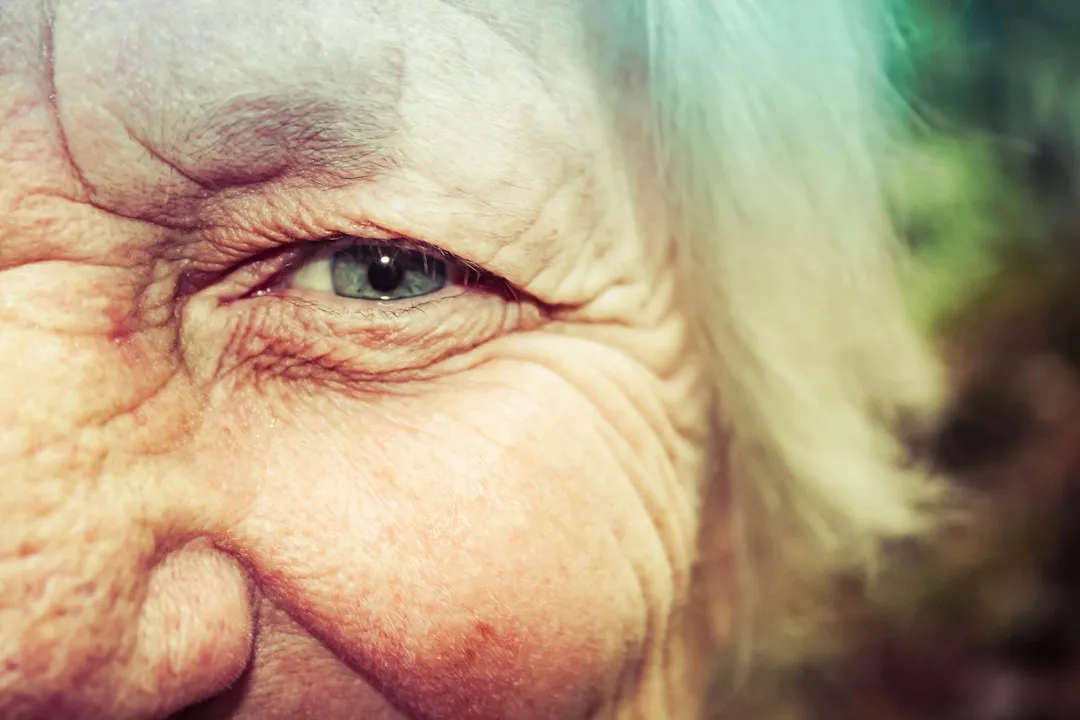
Macrophages play a critical role in maintaining robust immune responses against infections, and these cells are essential to the initiation, maintenance, and resolution of inflammation. However, they undergo functional decline and deteriorate the immune system with age.
Research published in Cell Reports in 2024 demonstrates a significant reduction in the effectiveness of macrophages isolated from older adults compared to those from younger individuals. Macrophages are some of the immune system’s most important first responders, and when their function drops, viruses have more time and space to replicate.
This research offers a significant breakthrough in understanding the mechanisms of age-related immune decline. By targeting specific molecules or their downstream gene products, researchers may be able to enhance macrophage function in older adults, potentially leading to a more robust immune response.
Mucus Clearance Slows Down, Keeping the Virus Around Longer
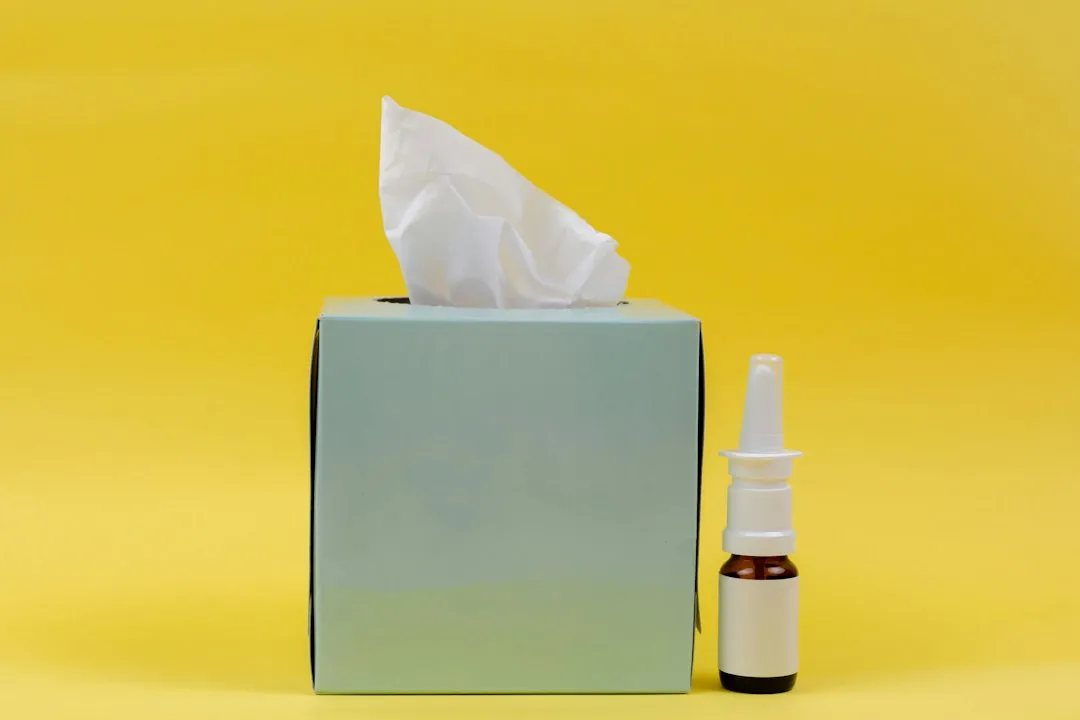
There are two main reasons for prolonged cold duration in older adults, according to researchers at Rutgers’ Robert Wood Johnson Medical School. First, reduced mucus clearance can delay the removal of viruses from the respiratory tract; second, immunity naturally wanes with age. Both can contribute to longer and sometimes more severe colds.
As the body ages, mechanisms that support ventilation, mucus clearance, and cough effectiveness all become compromised, which are all essential for preventing bronchial congestion. A younger person’s airways clear a cold virus far more efficiently simply because the physical machinery is in better shape.
Dehydration, which is more common during illness, can make mucus thicker and harder to clear, which is a particularly relevant issue for older adults who may be taking medications that affect fluid balance.
Chronic Conditions Complicate Everything
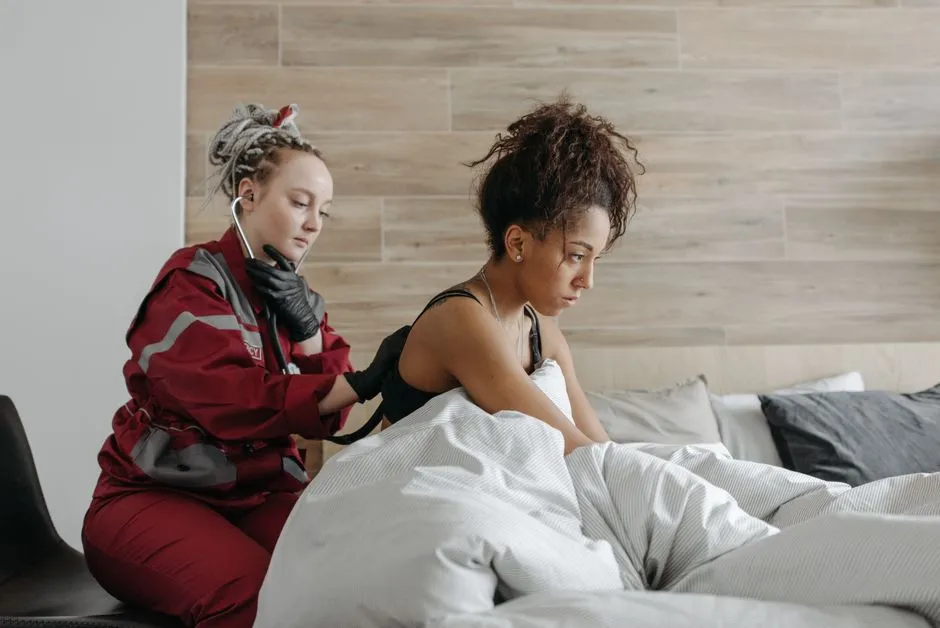
Age isn’t the only factor that goes into how long symptoms last. Other diseases that might compromise the immune system, like cancer, may cause symptoms to stick around longer. Heart disease, diabetes, and lung conditions each add their own layer of complexity to what might otherwise be a straightforward recovery.
Contributing factors for increased susceptibility and morbidity during respiratory infections in adults include immunosenescence, age-related physiological function decay, and the presence of certain chronic conditions. These factors rarely appear in isolation, meaning the burden compounds.
Fevers in older adults are often lower or absent, so unusual weakness can be the more important signal. Recovery takes longer, and a cold can unsettle conditions like asthma or heart failure. Recognizing this pattern early can make a real difference in outcomes.
Respiratory Infections Are a Leading Cause of Hospitalization in Seniors
Immunosenescence leads to increased rates of infections, including respiratory tract infections in the elderly. In two Phase 2 clinical trials involving over 900 elderly subjects, researchers examined immune-boosting interventions. Notably, respiratory tract infections are the fourth leading cause of hospitalization in people aged 65 and above.
An NIH-supported analysis of 768,762 adults found 63 age-related changes in white blood cell DNA that weaken immune responses, increasing susceptibility to respiratory infections in older adults. That’s a substantial body of genetic evidence pointing to a very concrete risk.
This deterioration of immune function in older adults significantly impairs viral control and increases disease severity. Studies unanimously show a progressive rise in hospitalization and mortality rates with age.
Fewer Colds, but Longer Ones
While some experts say older adults get fewer colds, they do tend to last longer, according to the Mayo Clinic. This counterintuitive finding reflects the fact that older adults have often built up immunity to many common cold viruses through decades of exposure. The colds they do catch, however, tend to be harder to shake.
Most adults contract about two to three colds each year, according to the U.S. Centers for Disease Control and Prevention. Other estimates suggest older adults may have only about one cold per year. That one cold, though, can linger well beyond the typical timeline.
Most colds run their course and naturally resolve within a week or two. In older adults who are in poor health, symptoms may last longer. The cough alone can persist for weeks after the virus has technically cleared.
Sleep Quality and Recovery Are Tightly Linked

Sleep boosts T-cell production, cytokine release, and tissue repair, all of which accelerate cold recovery. Studies show that people who sleep more during illness recover faster than those who try to push through with inadequate rest. For older adults, this connection matters even more.
Sleep disorders are common in older adults, with a prevalence ranging from 30 to nearly half of the older population, involving sleep-wake disturbances that can contribute to broader health decline. Poor sleep during a cold compounds the immune challenge significantly.
Chronic conditions and medications can also slow recovery, and so can poor sleep. These factors rarely appear one at a time. They pile up quietly, extending the duration of what should be a brief illness.
There Are Real Steps That Can Help

Early antiviral initiation is critical in high-risk older adults regardless of vaccination status, meaning it’s worth seeking medical input sooner rather than waiting out days of worsening symptoms. Catching a secondary infection early, for example, can prevent a simple cold from turning into pneumonia.
Chronological age is not necessarily correlated with biological age or immune health, meaning that although aging is inevitable, a decline in immune fitness does not necessarily follow. Lifestyle choices around activity, diet, sleep, and stress management all influence where an individual falls on that spectrum.
There is an ongoing wave of research supporting the therapeutic role of lifestyle and pharmacological interventions in rejuvenating the aged immune system to promote healthy aging. That’s genuinely encouraging news. The biology is not entirely fixed, and the field is actively working on ways to tip the balance back in favor of older immune systems.
The Takeaway
AI Disclaimer: This article was created with the assistance of AI tools and reviewed by a human editor.