
Honey: The Pantry’s Immortal
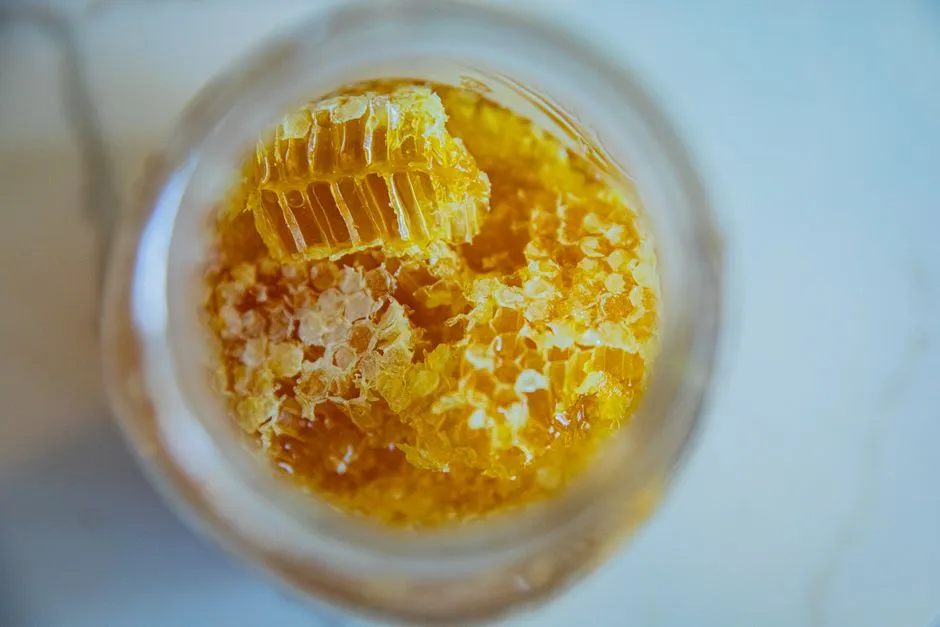
Honey is the most remarkable item on this list, full stop. It is the undisputed champion of shelf life, a food so stable that it has been recovered from ancient Egyptian tombs and remained edible. The chemistry behind this is straightforward. These factors work together to create what food scientists call a “hostile environment” for spoilage organisms, making pure honey one of the few foods with an indefinite shelf life.
The expiration date on your honey jar is more about legal compliance and quality assurance than actual food safety. Pure, properly stored honey has an indefinite shelf life and remains safe to consume years or even decades past its printed date. If it crystallizes, that’s not spoilage. While it may crystallize over time, this doesn’t indicate spoilage – simply warm it to return it to liquid form.
White Rice: Decades in a Bag
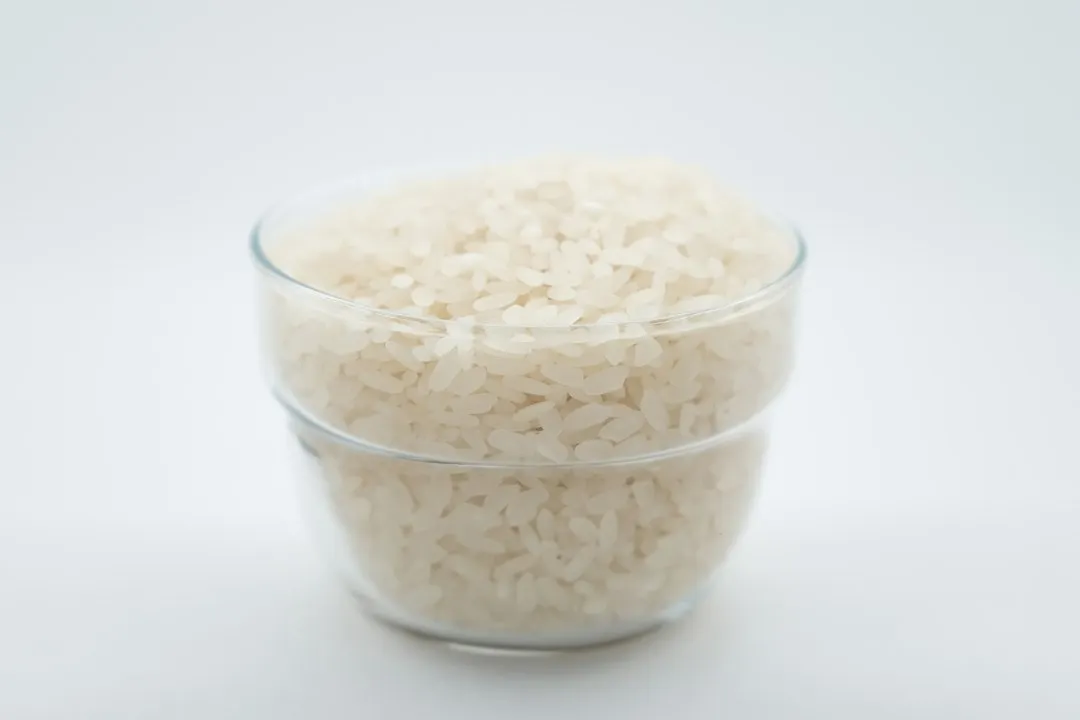
While brown rice has oils that can go rancid over time, polished white rice is the ultimate survivalist food. According to data on long-term food storage, white rice can maintain its nutrient content and flavor for up to 30 years when stored at temperatures below 40 degrees Fahrenheit. That’s not a typo.
According to USA Rice, milled rice will keep almost indefinitely on the pantry shelf if stored properly. The key is moisture control. White rice undergoes milling that strips away the outer bran layer, removing the oils that cause spoilage. Brown rice, by contrast, retains those oils and typically lasts only six to twelve months at room temperature.
Salt: A Mineral That Simply Does Not Expire
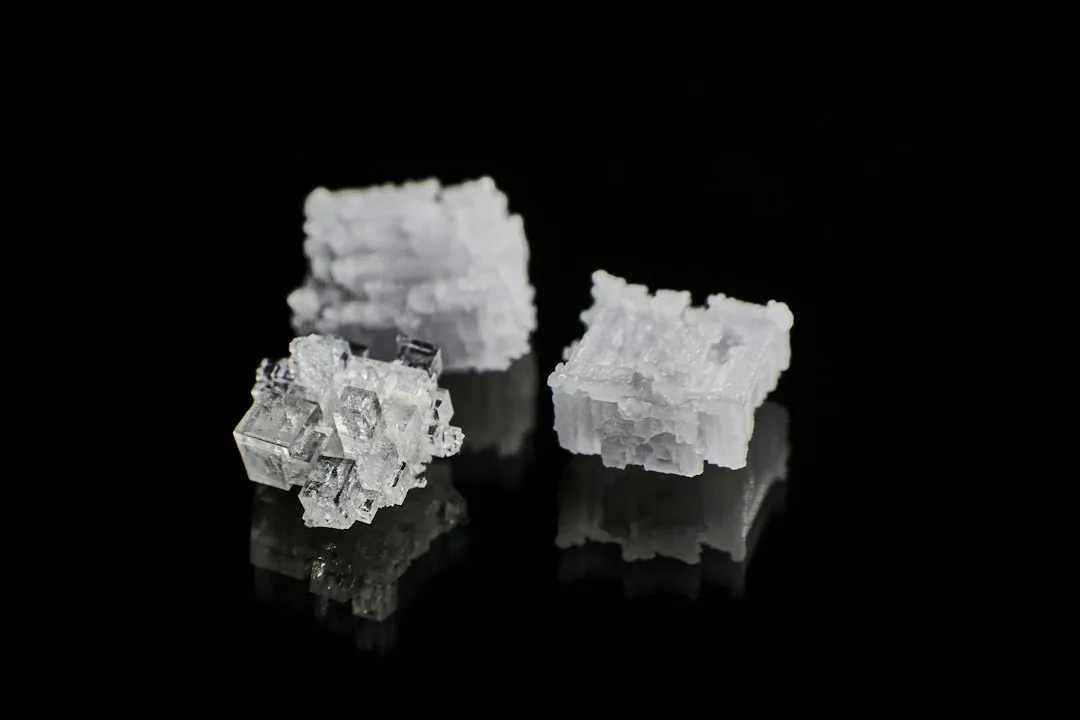
Not only is salt accessible, universal, and essential for our bodies, but pure salt never expires because it is a mineral. There is no biological process that can degrade it. Pure sodium chloride is a stable mineral that has no expiration date, provided it doesn’t get wet.
The one small exception worth noting is iodized table salt. Even iodized table salt has a pretty long shelf life – five years. The iodine additive degrades over time, but the salt itself remains safe to eat well beyond any date stamped on the container. Even if your container says “best by 2025,” that date refers to the anti-caking agents or the packaging, not the mineral itself.
Granulated Sugar: Bacteria’s Worst Enemy
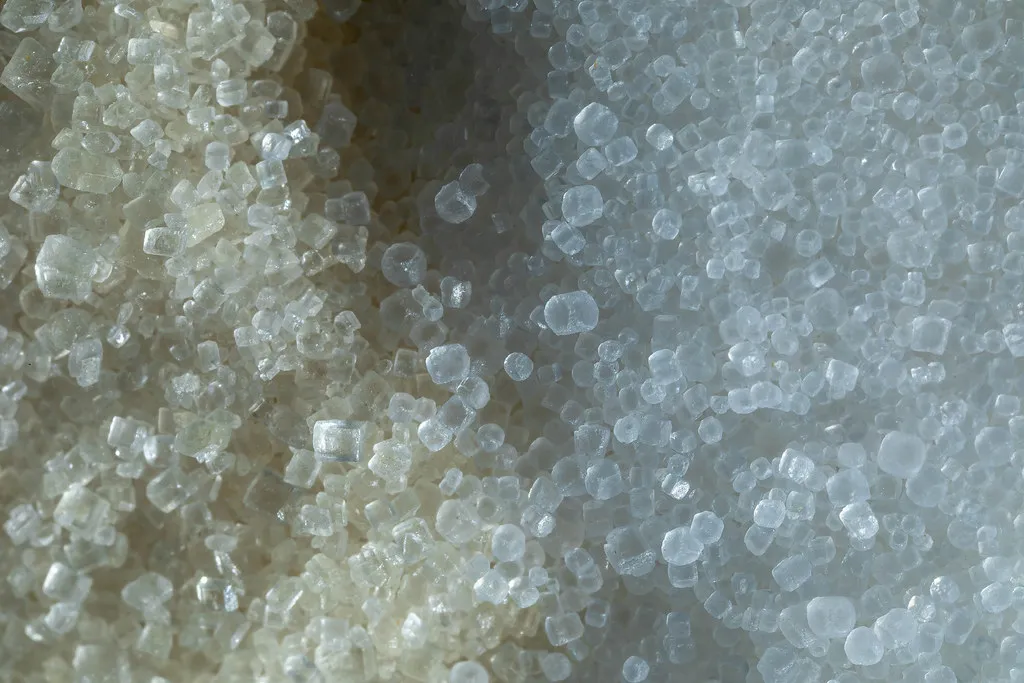
Sugar works similarly to salt. It pulls moisture out of anything nearby, starving bacteria of what they need to grow. Without moisture, microbial growth simply cannot happen. According to Utah State University Extension, granulated sugars last indefinitely due to their resistance to microbial growth.
Sugar creates a hostile environment for bacterial growth by drawing out moisture. White granulated sugar, raw sugar, and sugar cubes will last indefinitely if kept away from water and heat. Keep it dry, keep it sealed, and it will outlast just about everything else in your kitchen.
Vinegar: Self-Preserving by Nature
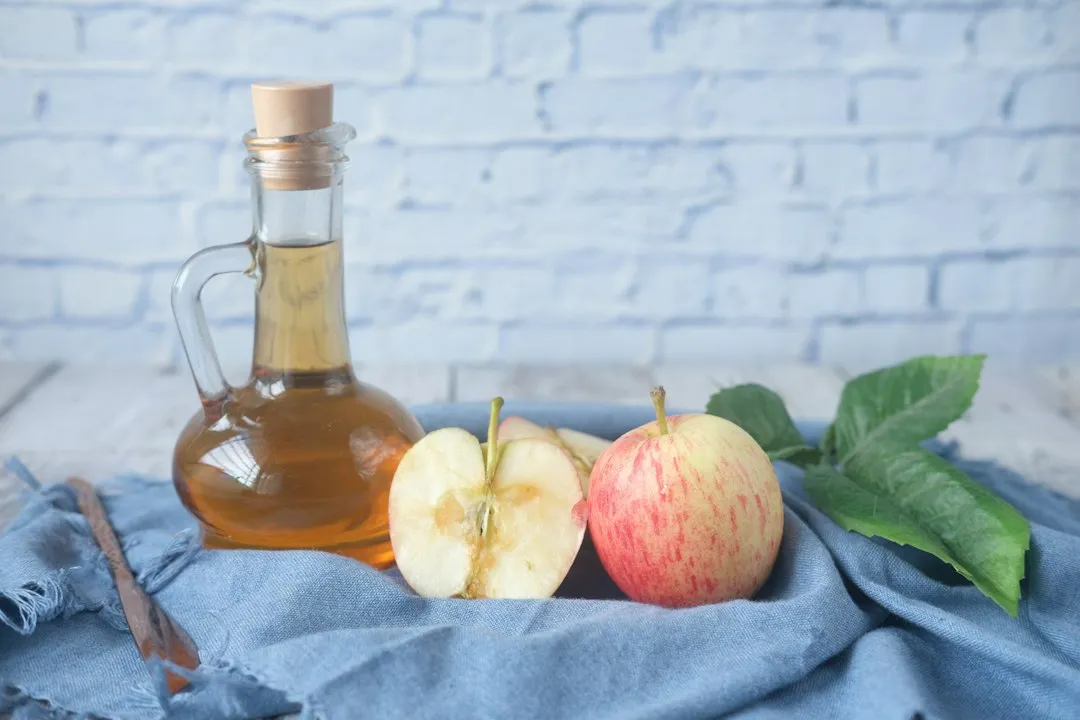
According to the Vinegar Institute, apple cider vinegar’s shelf life is “almost indefinite,” so like other vinegars, it can stay in your pantry pretty much forever. Because it is so acidic, vinegar is self-preserving and doesn’t require refrigeration. The science is simple: bacteria cannot survive in a high-acid environment.
The high acidity, with a typical pH of around 2 to 3, makes vinegar a hostile environment for bacteria. Kept in a cool, dark place with a tightly sealed cap, vinegar can last almost indefinitely, retaining its flavor and potency. One nuance worth knowing: the Vinegar Institute notes that while other types, such as balsamic or wine vinegar, may change color or develop sediment, white vinegar remains virtually unchanged indefinitely.
Dried Pasta: Years Beyond the Box
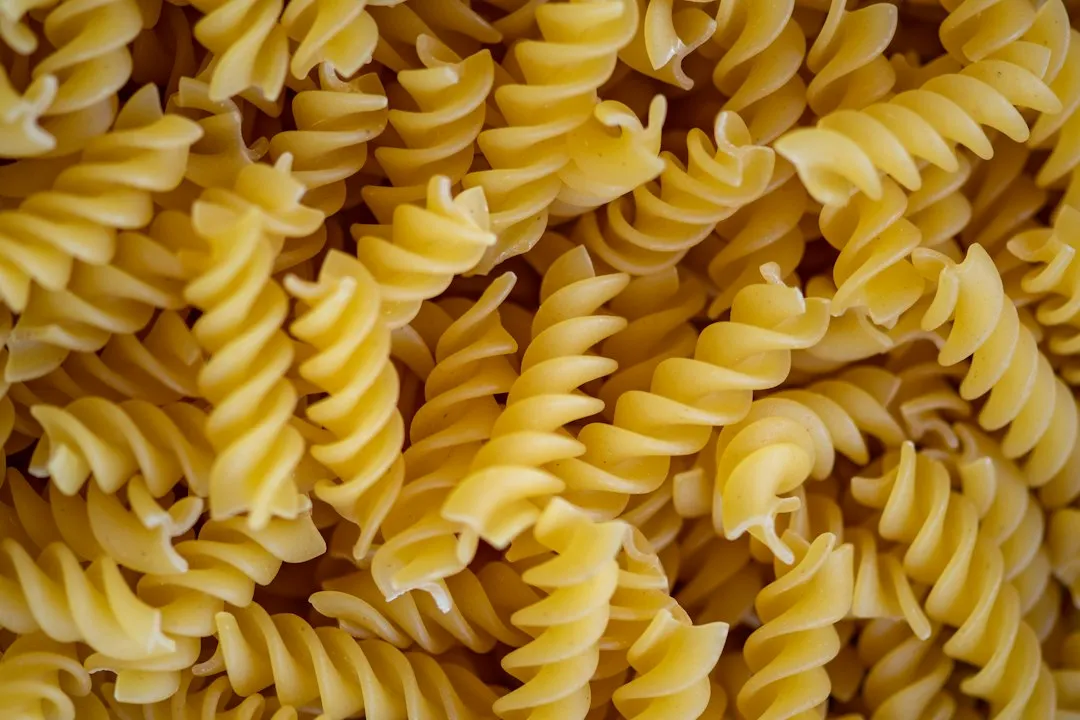
Dry pasta is safe to eat after its expiry date because it does not have a lot of water in it, making it harder for things like bacteria, mold, and yeast to grow in it. This is the same principle at work across nearly all dry pantry staples. Food scientist Bryan Quoc Le notes that shelf-stable foods like dry pasta, rice, cereal, and canned goods are often fine weeks to months past the date if the package is intact.
Although pasta manufacturers stamp an expiration date on the package, the truth is, an unopened package of dried pasta can last for years beyond that date. To ensure lasting freshness, keep pasta in a cool, dark place, in an airtight container. According to food bank shelf-life guidelines, dry pasta without eggs remains safe for up to two to three years after its code date.
Canned Goods: The Overlooked Long-Haulers
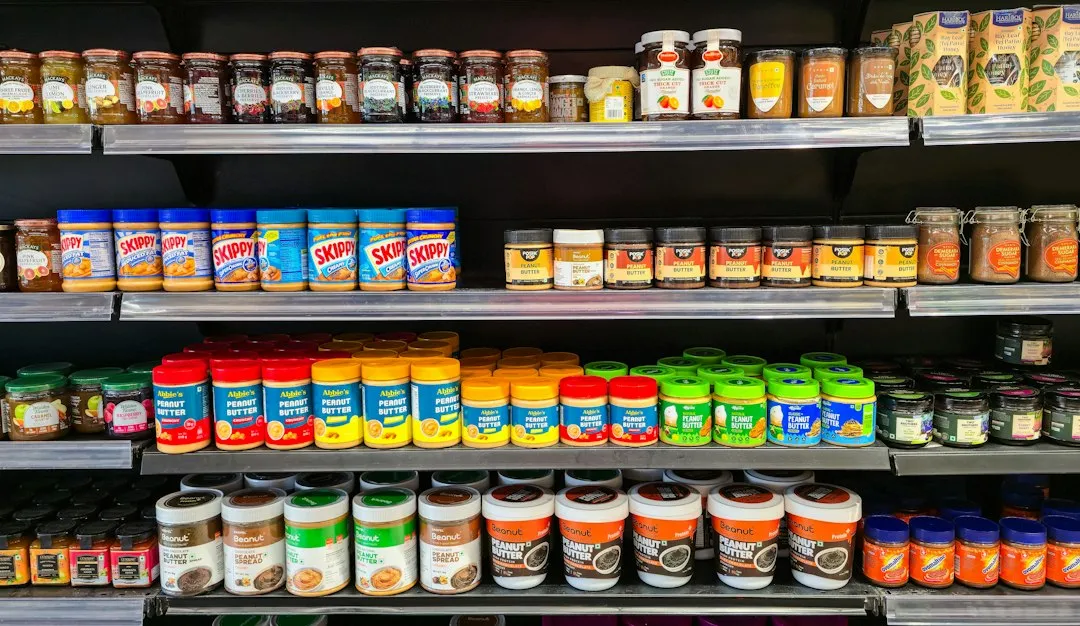
Because the canning process locks out oxygen, most canned food will stay fresh long past the expiration date printed on the can. Food consulting expert Bryan Quoc Le confirms that canned goods can last one to two years past the date printed on them. Some food bank guidelines extend this estimate further for low-acid foods.
There is one firm rule here. Eating improperly stored canned goods can cause botulism, so if your cans look rusted or have deep dents or bulges, don’t eat what’s inside. A can that looks visually intact, however, is generally a reliable signal of safety. The canning process prevents microbial growth, making canned beans, vegetables, and soups safe to eat well past the expiration date.
Pure Vanilla Extract: Age Actually Improves It
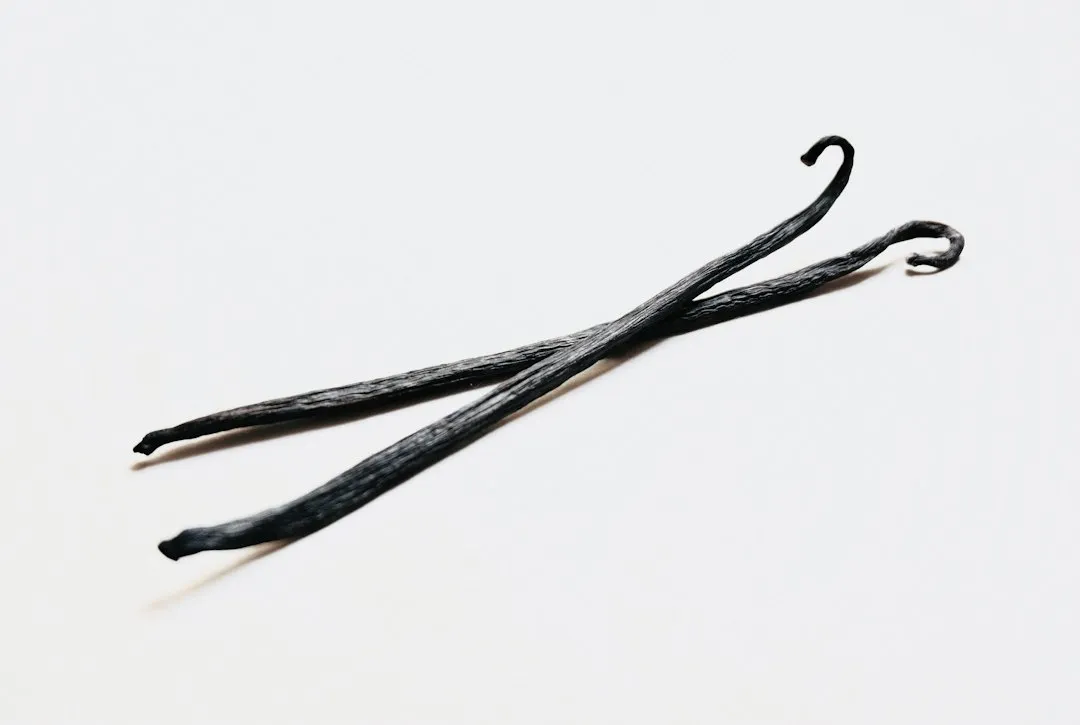
The alcohol content in pure vanilla extract – typically around 35 percent – prevents microbial growth. That’s the reason it doesn’t need a refrigerator and why the date on the bottle is largely meaningless from a safety standpoint. With its high alcohol content, pure vanilla extract is considered infinitely shelf stable, provided it’s alcohol-based.
Here’s the interesting part: age doesn’t hurt it. Pure vanilla extract can develop a more complex, rich flavor profile as it ages in the bottle. The important distinction is that there’s a big difference between pure vanilla extract and imitation vanilla extract. Imitation vanilla extract doesn’t have as much alcohol, so it will last only 6 to 12 months after its expiration date.
Dried Beans: Starchy, Sturdy, and Underestimated
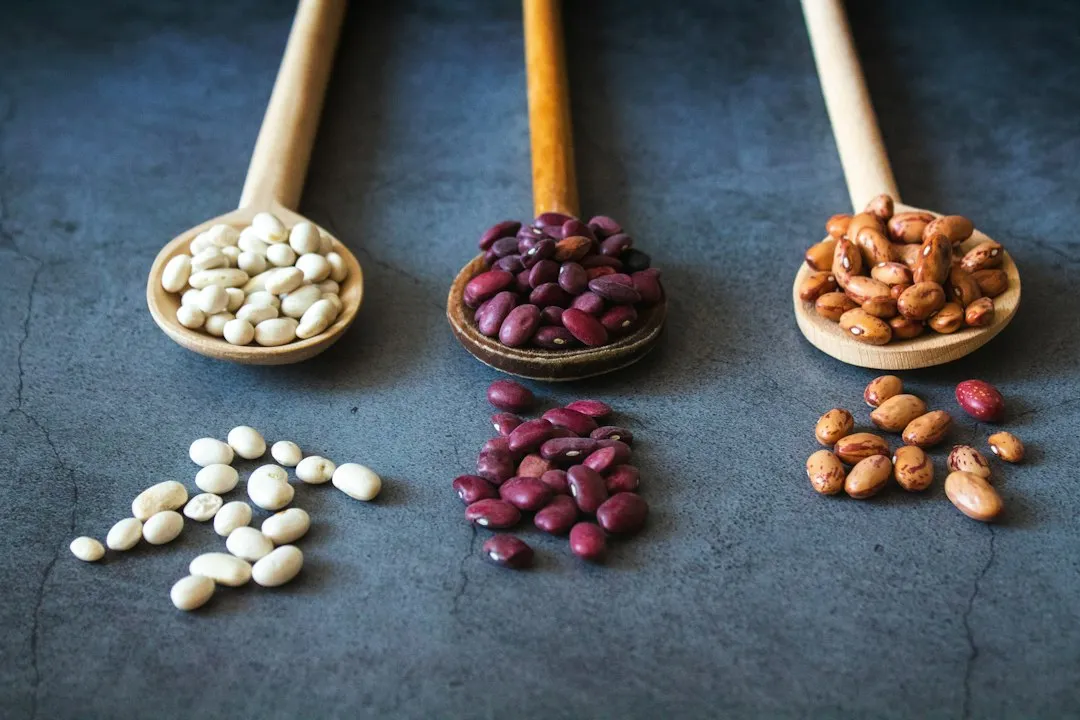
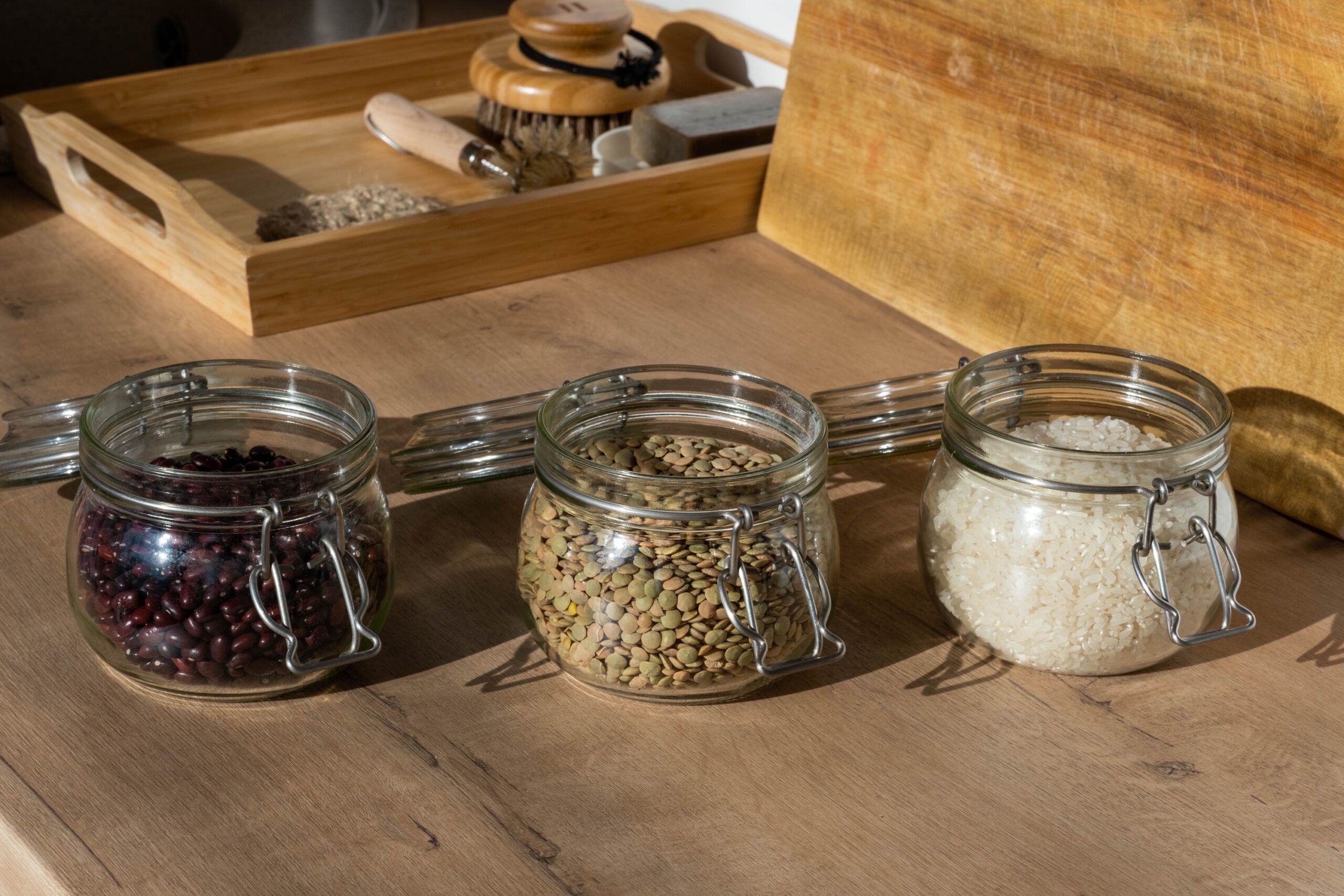
Dry ingredients can last for years when stored correctly, often far exceeding their expiration dates. Dry pasta, rice, and beans are all low-moisture foods, making bacteria and mold unlikely to grow. They can safely be used months or even years after the expiration date if kept in a cool, dry environment.
Research supports surprisingly long windows. Research highlighted in 2025 indicates that pinto beans stored for up to 30 years still had an acceptance rate of over 80 percent in consumer taste panels. The texture can harden over time, meaning they may require a longer soak and cook, but the food itself remains nutritious and safe. Unopened canned beans can last up to five years, but dried beans are safe to eat for decades.
Instant Coffee: Sealed Tight, Lasting Long
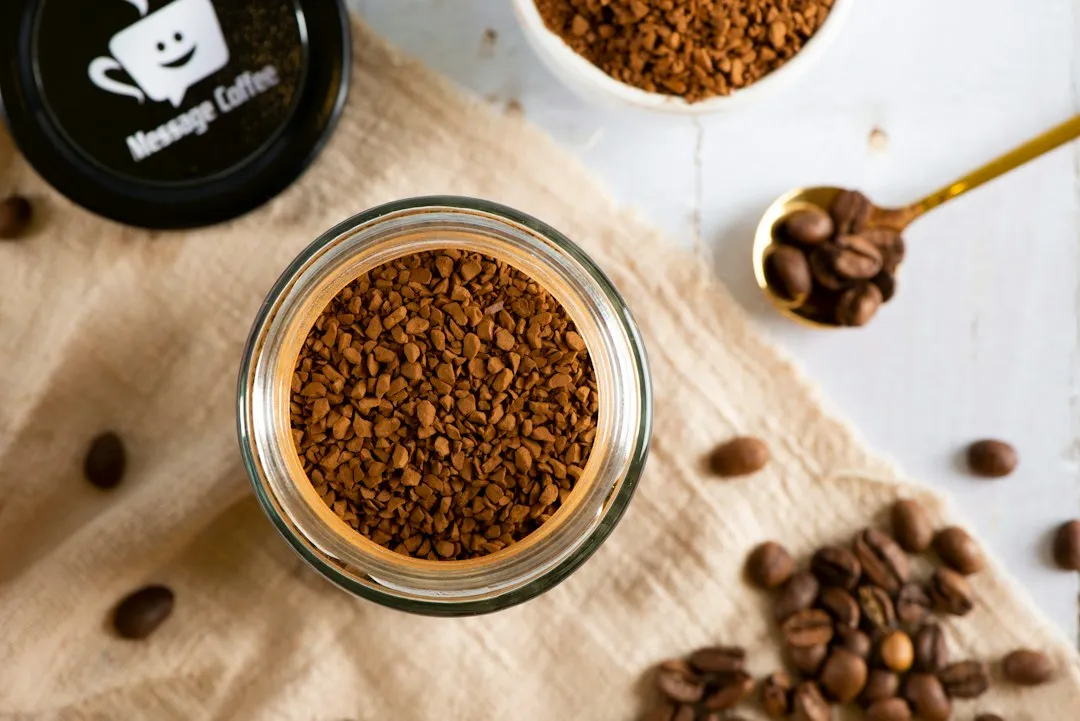
Instant coffee is a miracle of food engineering. A factory-sealed container of instant coffee can last 2 to 20 years beyond its printed date without spoiling. The freeze-drying process removes virtually all moisture, stripping bacteria of the one thing they need to survive. If kept in an airtight container in a cool, dry spot, instant coffee can last for 20 years.
Ground coffee and starch are also very stable products. As long as they remain dry, protected from heat, and tightly closed, they remain safe for several months, even years, after the indicated date, even if the aroma may fade. Flavor is the thing that goes first with coffee, not safety. Once opened, store it in a sealed jar and you’ll get far more use from it than the label suggests.
What All of This Actually Means
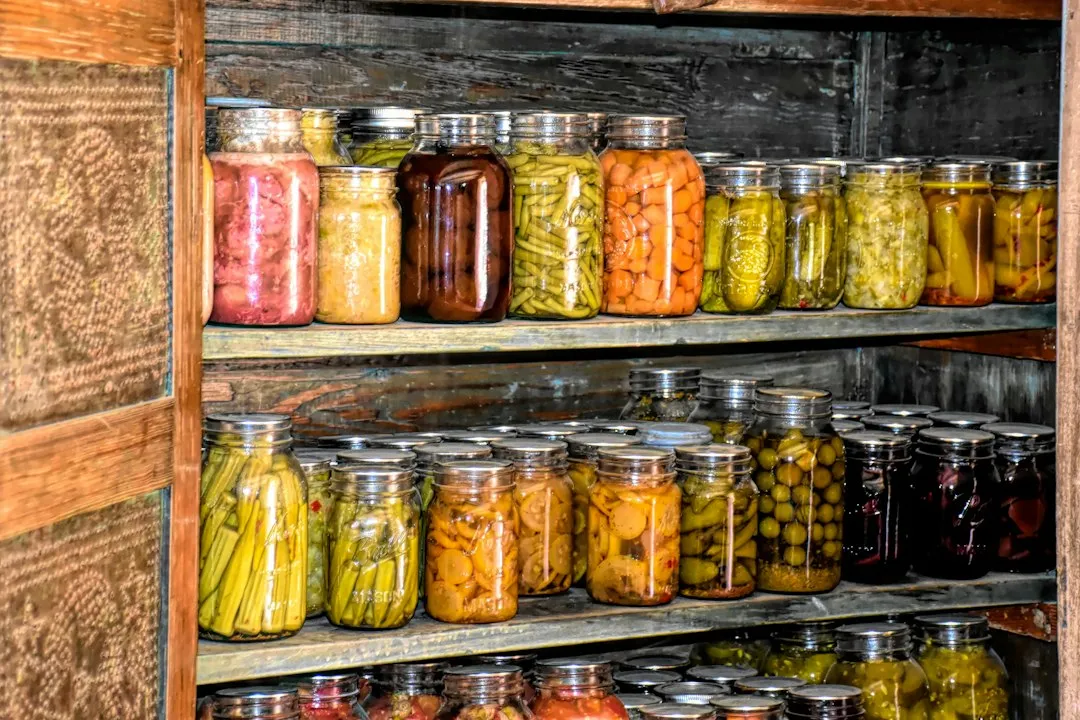
Foods like honey and salt defy their printed expiration date because their natural chemistry, like low water content, prevents spoilage-causing bacterial growth. The pattern across all ten of these staples is the same: low moisture, high acidity, high salt, high sugar, or high alcohol content. All food deterioration involves water, oxygen, or enzymes. Honey, salt, and sugar contain almost no available water. Vinegar and vanilla extract suppress life chemically.
Aside from baby formula, date labels aren’t enforced by the federal government and don’t actually indicate food safety. That said, your senses are still a useful tool. Quality of food may decline before safety does, so always check for off smells, mold, discoloration, bulging cans, or unusual textures before consuming items past their expiration dates.
The real takeaway is simple: understanding the basic science behind food preservation saves money, reduces waste, and keeps perfectly good food out of the bin. The date on the package is a starting point for quality, not a deadline for safety.
AI Disclaimer: This article was created with the assistance of AI tools and reviewed by a human editor.