
A Program Built for Millions, Used by a Fraction
In 2025, more than 38 million households across the nation were eligible for LIHEAP assistance. Yet only about 5.7 million, or roughly 15 percent of income-eligible households, actually received energy bill and weatherization help. That means the overwhelming majority of eligible families never collected a single dollar from the program.
Columbia University professor and energy insecurity expert Diana Hernandez has noted that only about 17 percent of eligible households receive energy assistance, a figure that has remained stubbornly low across years of available data. The program’s funding has never been high enough to fully meet the need, and as far back as 2020, LIHEAP provided assistance to just 16 percent of eligible households.
What LIHEAP Actually Covers
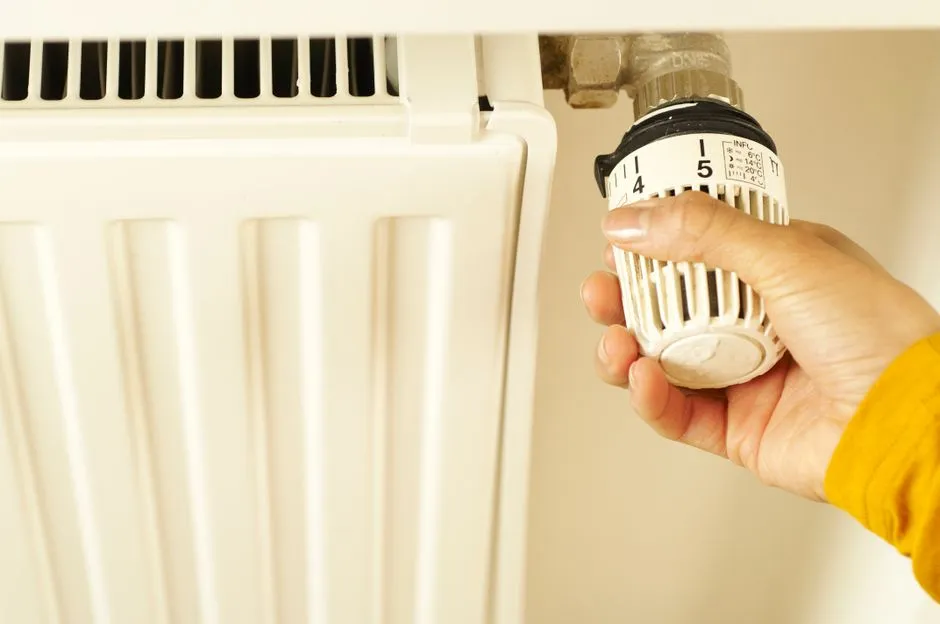
LIHEAP provides federal assistance to qualifying households to help cover their heating and cooling expenses, as well as other costs associated with customer energy bills, energy crises, weatherization, and minor energy-related home repairs. It’s broader than most people assume.
LIHEAP is a federally funded program run by each state that helps pay heating and cooling bills for qualifying households, and it covers natural gas, electricity, heating oil, propane, wood, and other fuels. That range of covered fuel types is worth noting, since many rural households using propane or heating oil often assume they wouldn’t qualify.
Some LIHEAP funds, up to 15 percent per state, can also be directed toward weatherization improvements that reduce energy costs long-term, such as insulation, sealing, and equipment upgrades. That component often goes unmentioned, making the program’s value even greater than most households realize.
Who Qualifies and How Income Limits Work
Current federal LIHEAP income guidelines set household income maximums at no greater than 150 percent of the federal poverty guideline or no greater than 60 percent of a state’s median income. States choose whichever threshold is higher, which means limits vary considerably depending on where you live.
To be eligible for LIHEAP assistance, a family may earn up to 150 percent of the federal poverty level, which as of 2025 is $32,150 annually for a family of three, or 60 percent of the state’s median income level. Some state thresholds are more generous, extending eligibility further up the income ladder than many people expect.
LIHEAP is open to both homeowners and renters. If you rent, you can apply whether you pay your energy bills directly or through your monthly rent payment. That’s a detail a lot of renters miss entirely.
The People Who Benefit Most

LIHEAP provides funding assistance to low-income households, targeting those who are truly vulnerable: the disabled, elderly, and families with preschool-age children. These populations carry a disproportionately high energy burden, often spending a much larger share of their income on utilities than the average household.
Of households that receive LIHEAP assistance, 42 percent are home to at least one senior citizen, 36 percent are home to at least one person with a disability, and 16 percent are home to at least one child who is six years old or younger. These numbers underscore how concentrated the need is among people with the fewest options.
Energy costs consume approximately 8.6 percent of income for the lowest-income households, compared to 2.3 percent for median-income households, a disparity that LIHEAP only partially addresses. That burden is real and persistent, season after season.
How Much Help Can a Household Actually Receive
The Department of Health and Human Services estimates an average value of $662 for households that receive LIHEAP heating assistance. That figure varies by state, household size, income, and fuel type, but it represents meaningful relief for a family already stretched thin.
Most heating benefits fall between $200 and $1,000, and crisis grants for active shutoffs can be larger. The crisis component is particularly important, since it can intervene when a household is days away from losing heat entirely.
The average LIHEAP heating season benefit covers roughly one third of a typical low-income household’s annual heating cost, leaving a significant gap that households must cover from other resources. It’s not a complete solution, but for millions of families, it makes a measurable difference.
Why So Many Eligible Households Never Apply

Many households mistakenly assume they don’t meet LIHEAP income guidelines and can’t get energy assistance. They may be surprised to learn how many people are actually eligible for help. Misperceptions about income thresholds are one of the most common reasons people don’t even try.
Demand far exceeds supply, and historically only a fraction of eligible households are reached each year, with crisis funds often running out before the heating season ends. That creates a first-come, first-served dynamic that disadvantages people who don’t know about the program or delay applying.
This typically results in a rush to apply and receive assistance, because once the funding pool is empty, most energy assistance offices close their doors. Timing matters enormously, and that urgency isn’t widely communicated to eligible families.
Automatic Eligibility: A Shortcut Many Miss
Households already receiving SNAP, TANF, or SSI often qualify automatically for LIHEAP. This pathway bypasses the standard income verification process and can dramatically simplify the application experience for people already enrolled in other assistance programs.
If you or a member of your household currently receive nutrition assistance or cash assistance benefits, you are categorically eligible for LIHEAP, meaning you are automatically considered to meet LIHEAP income requirements. Many people collecting those other benefits have no idea this connection exists.
How the Application Process Works

While LIHEAP is federally funded, each state, territory, and tribe has its own program guidelines, application, and deadlines, meaning you apply for LIHEAP directly through the agency in charge of providing benefits in your area. Finding the right local contact point is the first practical step.
The program is structured so that state block grants flow to local agencies with specific clients on a short-term basis to prevent utility shutoffs or assist with heating and cooling bills. Community action agencies are typically the front-line access point in most states and counties.
The availability of LIHEAP assistance is not guaranteed and is available on a first-come, first-served basis. Applying early in the program season, typically as soon as October, gives households the best chance of receiving help before funds are depleted.
The Political Turbulence Threatening the Program

The Trump administration’s 2026 budget proposal zeroed out funding for LIHEAP entirely. While there appeared to be continued bipartisan support for the program in Congress, on April 1, 2025, the administration laid off the entire staff of the LIHEAP office. Those staffing cuts created real delays in fund distribution to states, even after Congress acted to preserve the program.
Overriding the administration’s attempt to eliminate LIHEAP, a bipartisan group of senators successfully led efforts to provide a total of $4.045 billion for the program in FY 2026, a $20 million increase over the previous year. The program survived, but the uncertainty caused disruptions that affected timing for many states.
One out of six families is currently behind on their home energy bills, and the total amount these families owe for their utilities is approximately $21 billion, the highest level since 2021 and up by about 30 percent since the end of 2023. Against that backdrop, any delay in distributing LIHEAP funds has real consequences for real people.
The Energy Debt Problem Underneath It All
Administered by the Department of Health and Human Services, LIHEAP serves approximately 6 million households annually with an average heating benefit of around $500, a critical buffer preventing utility shutoffs that can cascade into housing instability. Utility shutoffs don’t just mean cold homes. They can trigger evictions, health emergencies, and school disruptions for children.
Over the last year, nearly six million households nationwide received LIHEAP assistance to help them lead a healthier, more stable life and avoid having their utilities shut off or having to make tradeoffs such as skipping medical care, skipping meals, or turning to payday loans. Those tradeoffs happen daily in households that don’t know help is available.
The Takeaway
LIHEAP is not a niche program buried in bureaucratic fine print. It’s a large, federally funded lifeline that has existed for more than four decades, supported by both parties, and designed precisely for households that feel they have no options when winter arrives.
The statistics tell a plain story: only about 16 percent of eligible households take advantage of the federally funded Low Income Energy Assistance Program, leaving tens of millions of qualifying families without assistance they’re entitled to. That gap exists largely because of misinformation, limited outreach, and a mistaken belief that one simply won’t qualify.
If your household income is modest, if you already receive SNAP or SSI, if you’re a renter or a homeowner struggling with utility bills, it is worth checking eligibility before assuming the answer is no. Qualifying for LIHEAP doesn’t automatically mean you’ll get financial help, since federal LIHEAP funding is limited. Applying early, however, is the one reliable way to keep that door open.
AI Disclaimer: This article was created with the assistance of AI tools and reviewed by a human editor.