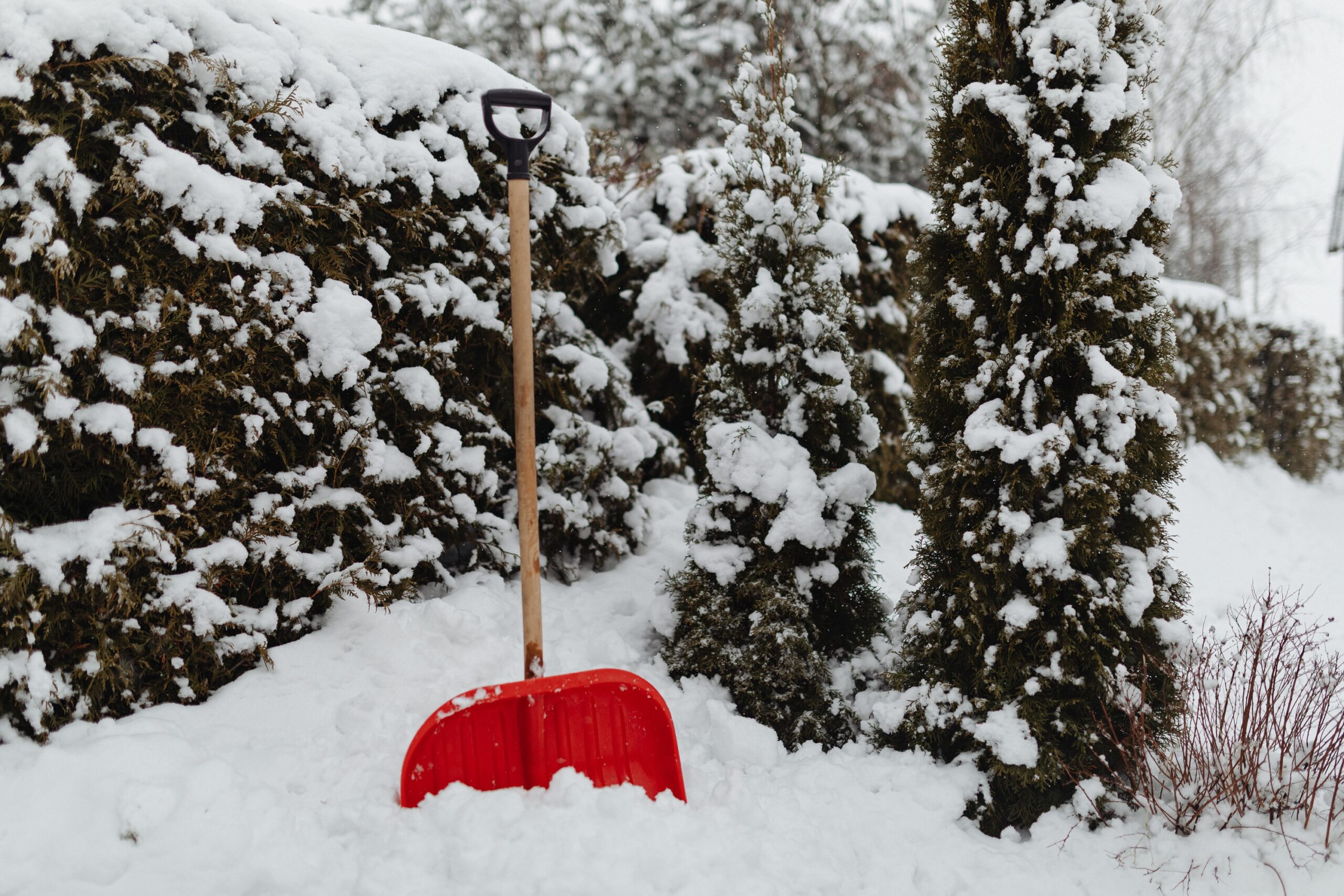

Jumping Straight In Without a Warm-Up
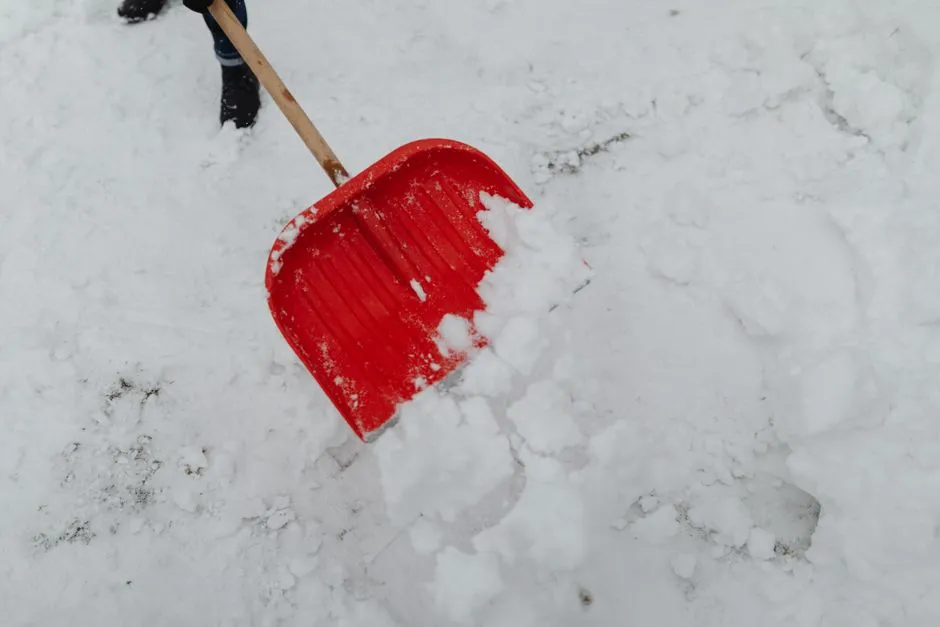
This is the mistake doctors see most often, and it is also the most preventable. People roll out of bed, pull on their boots, and march directly into sub-zero temperatures with a shovel. Their muscles are cold, their cardiovascular system is at rest, and then they suddenly demand peak performance from it.
Unlike planned exercise, snow shoveling is usually a sudden, high-intensity activity performed in very cold conditions. That abruptness is precisely what makes it so dangerous. Experts recommend taking five to ten minutes to stretch, walk in place, or swing your arms before heading outside, since a gentle warm-up prepares your muscles and heart for exertion.
Treating It Like a Light Chore, Not a Workout
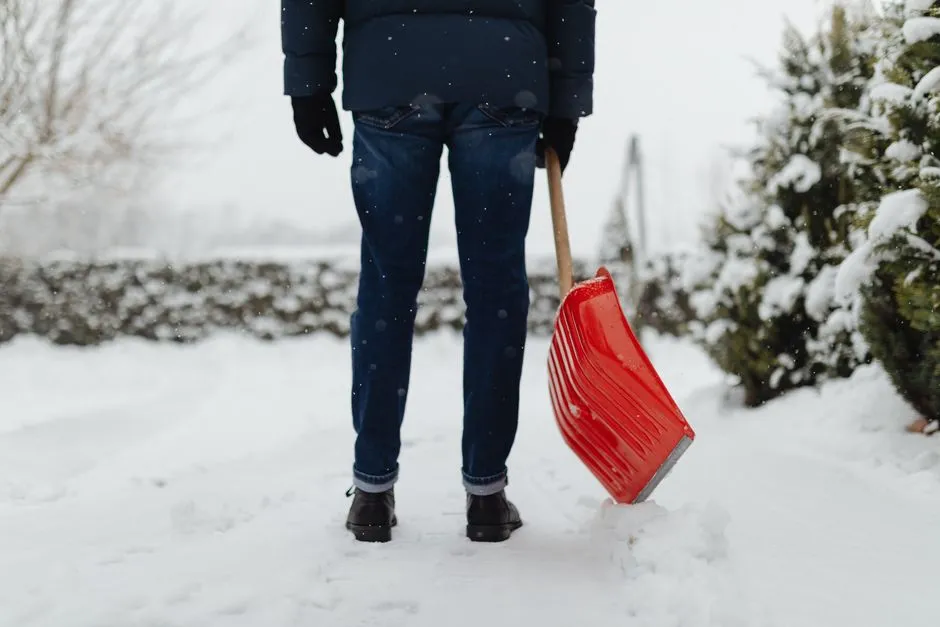
Most people genuinely do not register shoveling as serious exercise. That disconnect is where the trouble starts. Shoveling snow for just ten minutes involves lifting and throwing nearly one ton of frozen precipitation, according to a newly published analysis from Corewell Health William Beaumont University Hospital.
A 2025 Mayo Clinic review found that just ten minutes of heavy snow shoveling can push the heart to about 97% of its maximum rate. For context, that level of exertion is comparable to an all-out sprint, not a leisurely walk to the mailbox. The stress placed on the heart while shoveling snow is similar to what occurs during a cardiac stress test, and may even exceed it.
The Sedentary Lifestyle Problem
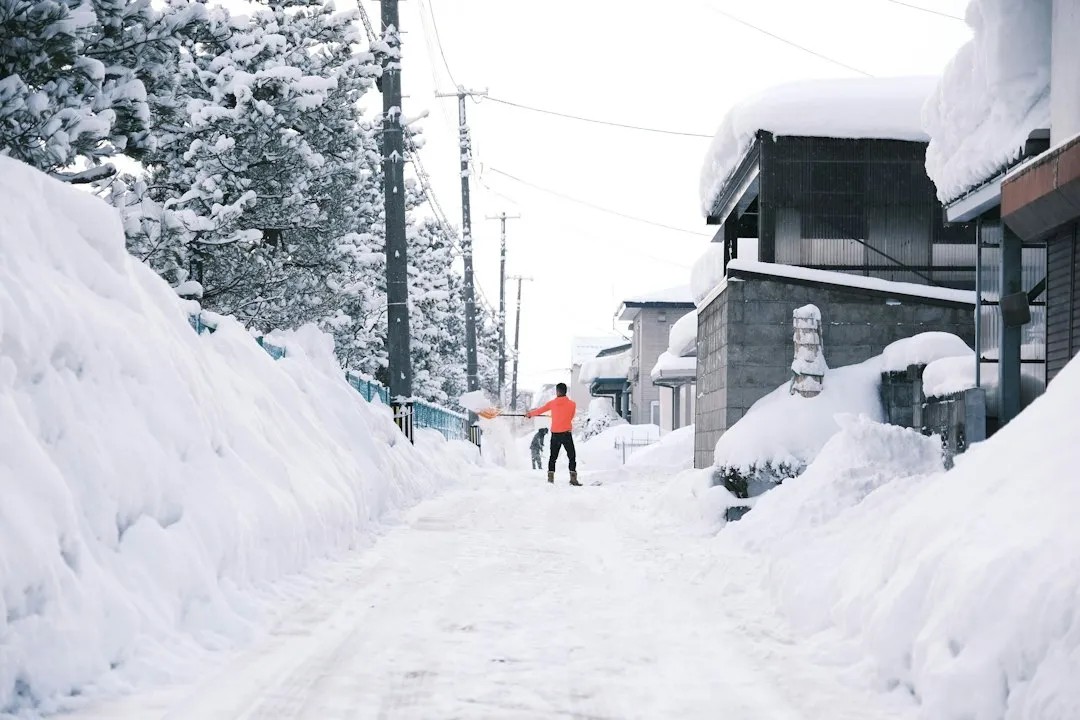
Research shows that this common winter activity can place extraordinary demands on the heart, particularly for men who may be habitually sedentary and have underlying cardiovascular disease. The mismatch between everyday activity levels and sudden intense exertion is what sets up the most serious outcomes.
Many people are sedentary in their normal lives but jump straight into very strenuous work, shoveling snow out of necessity or pride. That phrase, “out of necessity or pride,” gets to something real. People feel obligated to clear their own driveway, even when their body has not done serious physical work in months. Doctors often see cardiac episodes in people who are typically sedentary and sit at a computer most of the day with little or no exercise.
Ignoring Who Is Actually at High Risk
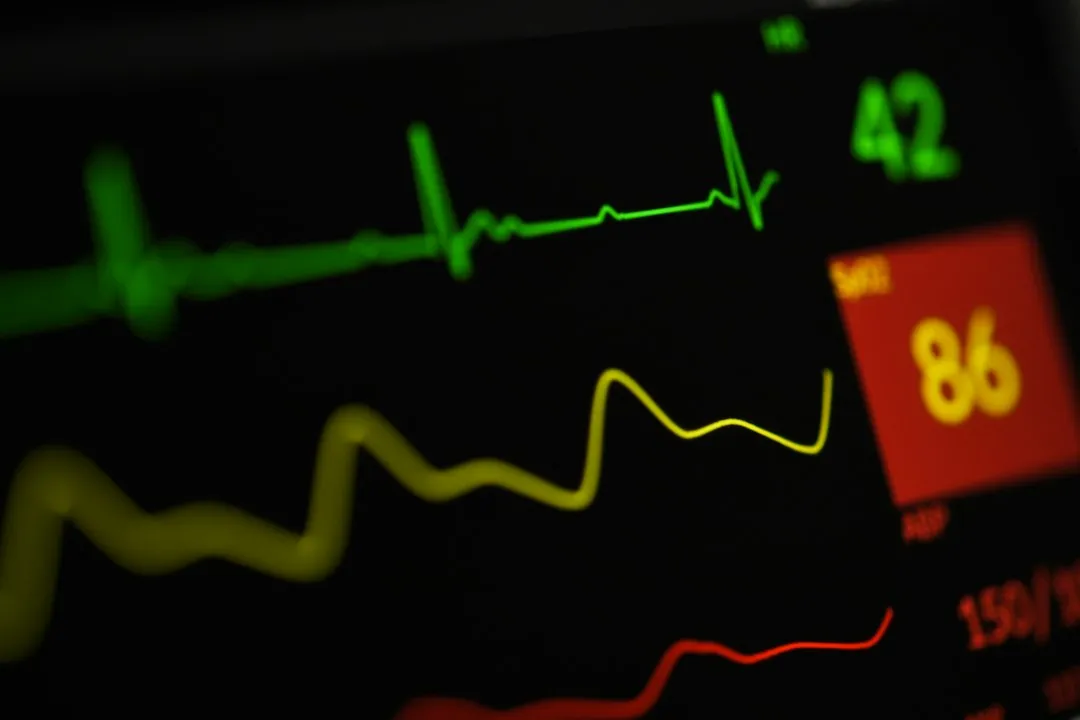
According to a cardiologist with Aurora Health Care, anyone can be at risk, but people most at risk are men, those with a history of heart attacks, and people who smoke or have high cholesterol, high blood pressure, or diabetes. These are not rare conditions. They describe a very large portion of the adult population.
Risk is higher in older adults, particularly men over 45 and women over 55. Other groups at increased risk include people with high blood pressure, diabetes, high cholesterol, or a history of smoking, even if they have never had cardiac symptoms. The absence of prior symptoms does not equal the absence of risk, and that is a distinction many people miss entirely.
The Twisted, Rounded Back Problem

The cardiac risk gets most of the headlines, but orthopedic injuries are far more common in terms of sheer volume. About 55% of shoveling patients were diagnosed with soft-tissue injury, and 34% had hurt their lower back, with overexertion, slips, falls, and being struck by a snow shovel being the most common mechanisms of injury.
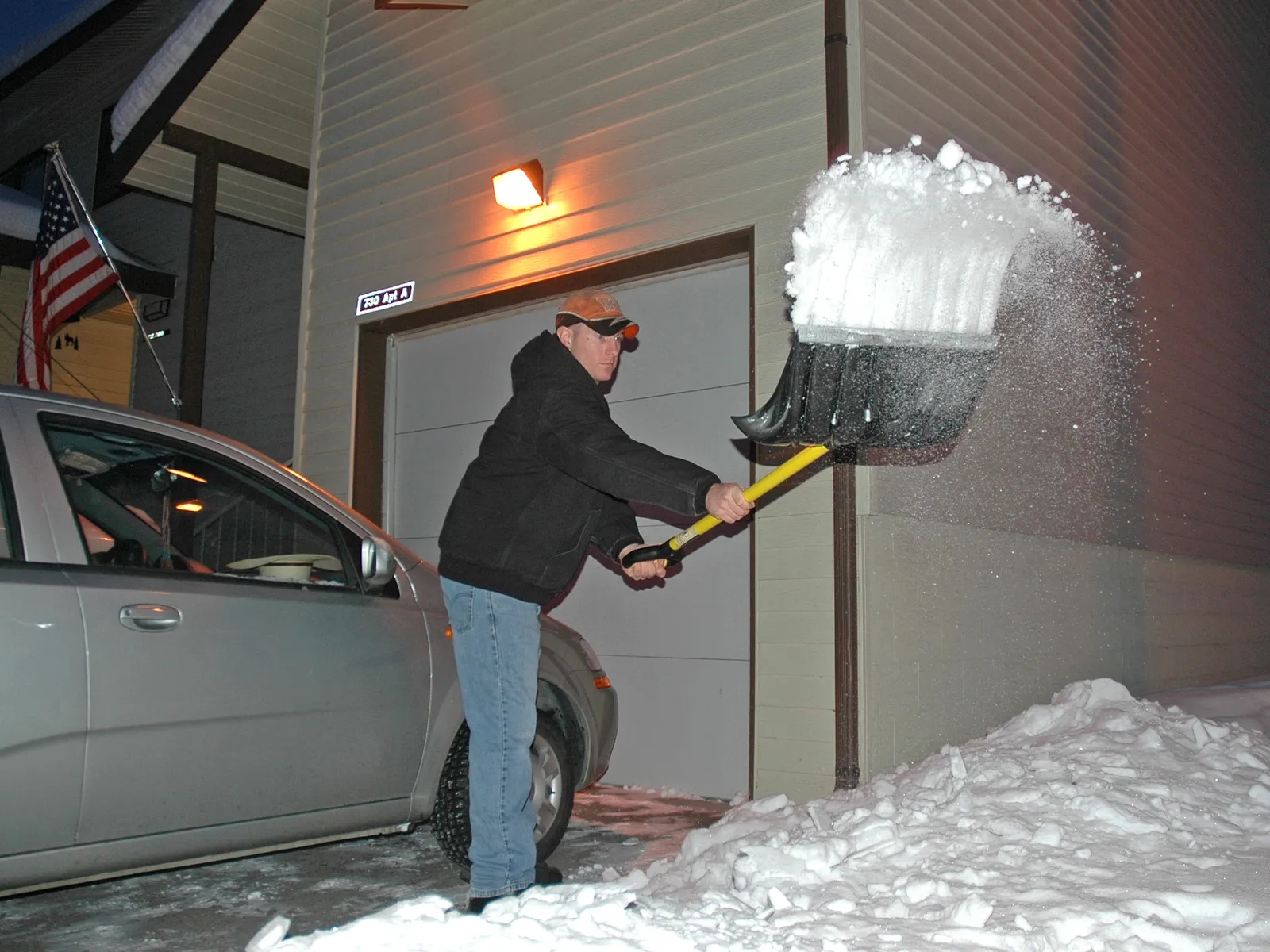
Back pain is the most common orthopedic condition caused by shoveling snow, particularly when the snowfall is very wet and heavy. The mechanics are the issue. Snow shoveling involves a unique set of movements that are particularly taxing on the lower back, requiring bending, lifting heavy loads, and twisting, often all at once. Most people do this while looking down, rounding their spine, and throwing the snow in a single explosive motion.
Lifting Instead of Pushing
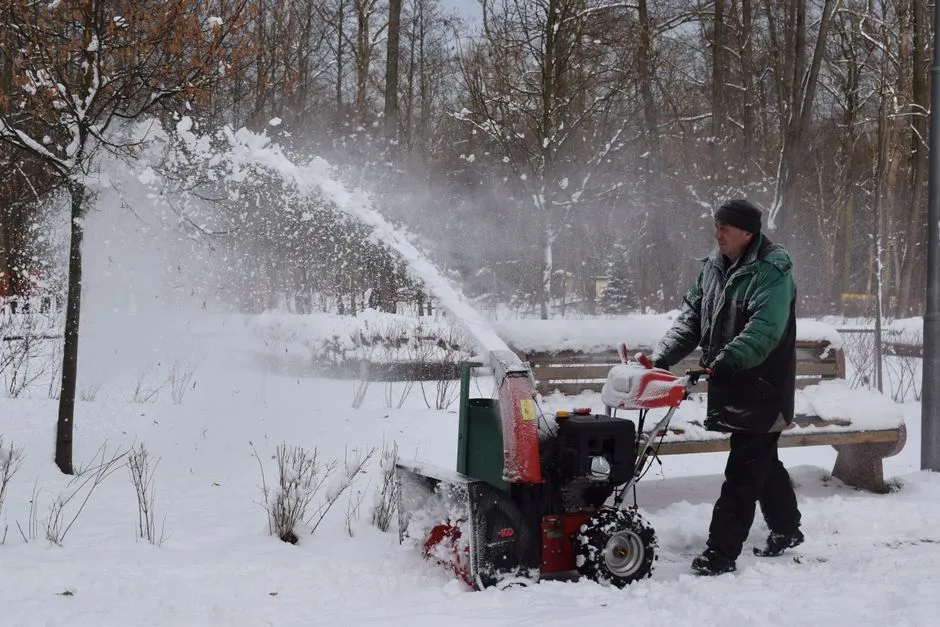
One of the simplest technique corrections doctors and physical therapists recommend is also one of the most ignored. Pushing snow is dramatically safer than lifting it. Automated snow removal methods, such as using a snow thrower, require less than half the energy of manual shoveling and are associated with lower heart rates and blood pressure responses, making them a safer alternative.
Experts advise pushing snow rather than lifting whenever possible. When lifting is unavoidable, the form matters enormously. Always shovel using a combination of legs, arms, and back muscles, keep a straight back, lift with your knees, and push snow rather than lift it whenever possible. That advice sounds simple, but it runs counter to how most people instinctively reach for heavy snow.
Shoveling in the Early Morning Hours
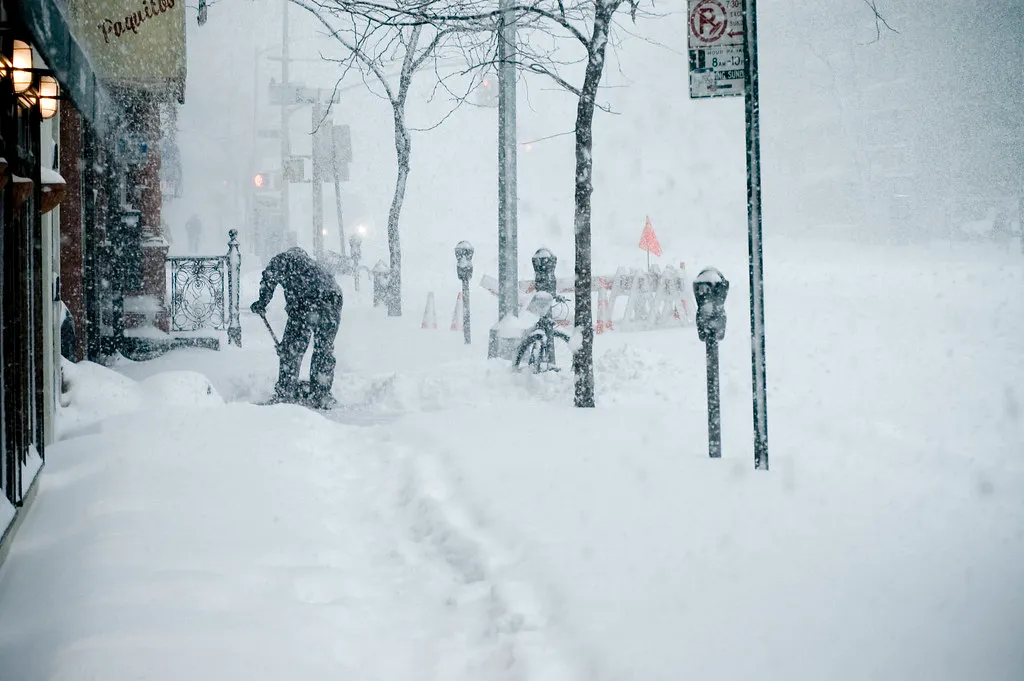
Timing turns out to matter more than most people realize. Many people shovel first thing in the morning because they need to get out of the house or clear a path before work. Unfortunately, that timing coincides with a period of elevated physiological risk.
Early morning shoveling coincides with the time of day when there is a heightened risk for heart attack. Cold temperatures are also typically at their lowest in the early hours, which compounds the cardiovascular strain. Cold temperatures make conditions more dangerous by causing blood vessels to narrow, which restricts blood flow and increases blood pressure. Waiting even an hour or two, when the body has warmed up and temperatures have risen slightly, can make a genuine difference.
Not Recognizing Warning Signs While Shoveling

One of the most dangerous habits is pushing through symptoms that should prompt an immediate stop. Chest tightness, unusual breathlessness, lightheadedness, and nausea are all warning signs that people frequently dismiss as normal exertion. They are not.
Experts recommend stopping shoveling immediately if you experience chest discomfort, unusual shortness of breath, lightheadedness, or nausea. Shoveling or even walking through heavy snow can strain your heart, especially if you don’t exercise regularly, and chest pain and shortness of breath are among the most common signs of a heart attack and should not be ignored, even if they go away. That last detail is especially important: symptoms that subside on their own still warrant a medical call.
Men Who Assume They’re Fine Because They’ve Always Been Fine
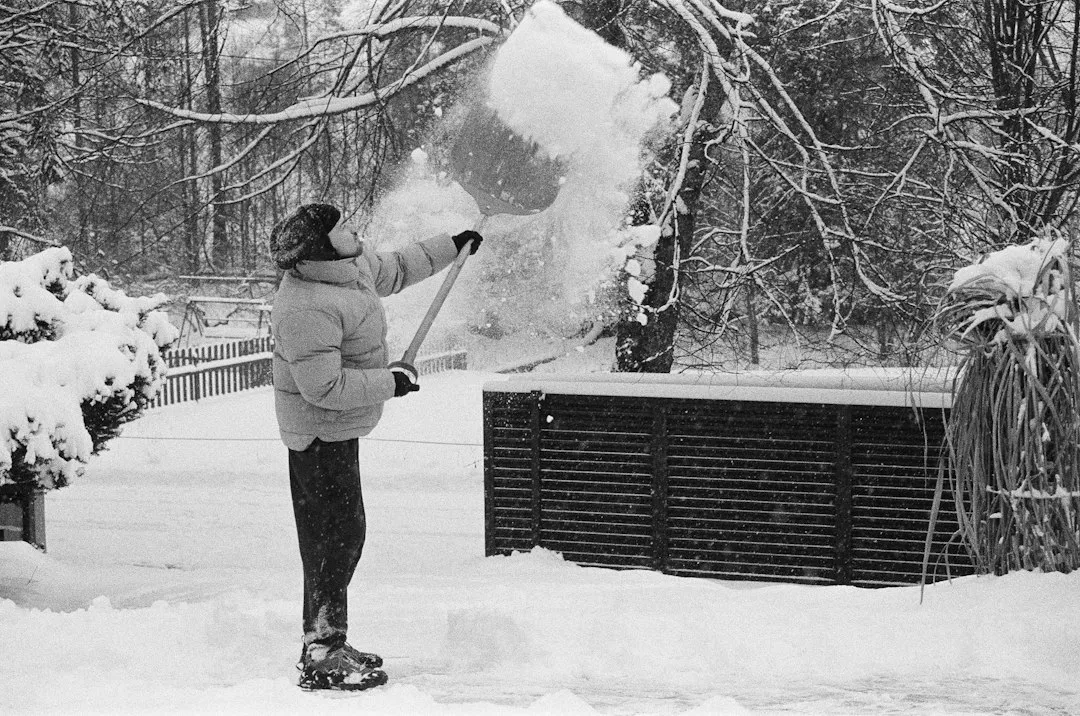
The gender disparity in shoveling-related deaths is striking and well-documented. After heavy snowfalls around Detroit, 33 of the 36 reported cardiac deaths occurred in men, and a study published in the Canadian Medical Association Journal reported that men were 16% more likely to end up in the hospital with myocardial infarction and were 34% more likely to die from a heart attack.
Each year, around 100 Americans die while shoveling snow or shortly afterward, hundreds more are hospitalized for related heart problems, most are men, and many have existing heart disease. The pattern is consistent across multiple studies and regions. Men, particularly those who are sedentary and over 45, tend to overestimate their physical readiness for the task. A prior history of completing the chore without incident offers no guarantee the next time will go the same way.
Skipping Breaks and Staying Out Too Long
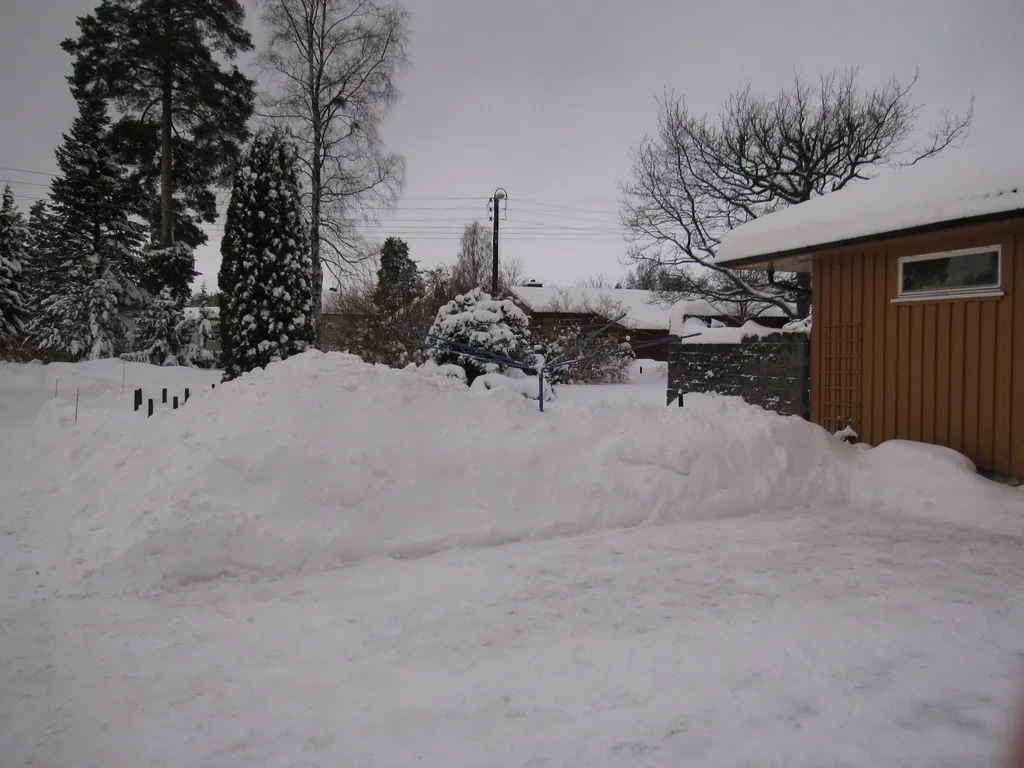
There is a certain mentality around getting the job done in one go. Snow is falling, the driveway is long, and stopping feels counterproductive. Doctors see the results of that mentality regularly. The longer you stay out, the more cumulative strain builds on both your cardiovascular system and your musculoskeletal structure.
Experts specifically recommend taking breaks frequently during snow removal. Most sprains and strains from shoveling heal on their own, but if pain lasts longer than four to six weeks or comes back frequently, talking to a health care professional is advised. Short breaks are not a sign of weakness. They are a straightforward way to reduce the acute cardiac and muscular load that accumulates over a continuous shoveling session.
The Takeaway
Snow shoveling sits in a strange category because it feels obligatory, not optional. People do not think of it as a workout they might skip on a rest day. They think of it as something that simply has to get done. That framing, more than any single physical mistake, may be what makes it so consistently dangerous.
The research is clear and has only gotten sharper in recent years. A review examining the physiological demands of snow shoveling and its contribution to a higher incidence of heart attack and sudden cardiac death following major snowfalls was published in the March 2025 issue of Mayo Clinic Proceedings. The evidence is not new; what is new is how precisely it now quantifies what the body endures. Warm up, push rather than lift, take breaks, know your risk factors, and stop at the first sign of anything unusual. Those steps cost nothing and, for many people, could mean everything.
AI Disclaimer: This article was created with the assistance of AI tools and reviewed by a human editor.