
Why Winter Heating Bills Have Become a Serious Financial Pressure

According to an updated winter outlook from the National Energy Assistance Directors Association (NEADA), U.S. home heating costs are projected to rise roughly nine percent in the 2025-26 winter, with the average household expected to spend $995 on heating from mid-November through March.
The Energy Information Administration reported that the average monthly residential electricity bill rose from roughly $121 in 2021 to about $156 in 2025, an increase that outpaced the overall rate of inflation during that period. That kind of sustained climb makes predictability more valuable than ever.
About one in six households is already behind on utility bills, with Americans collectively owing around $23 billion to electric and gas utilities. NEADA estimates that up to four million households faced utility disconnections last year, an increase of roughly 500,000 from the year before.
What Budget Billing Actually Is

Budget billing is a program offered by regulated electric and natural gas distribution companies that spreads out the cost of energy used during high-demand times of the year. Instead of seeing a sharp increase in winter heating bills or summer cooling bills, budget billing breaks down total yearly usage into manageable monthly payments.
It’s an alternative, optional payment program for utilities like gas and electricity. With budget billing, you can avoid the roller-coaster-like highs and lows of utility billing, where costs can skyrocket during frigid winters and sweltering summers.
With budget billing, the higher seasonal costs are spread evenly across 12 months, giving you more financial breathing room. This stability helps to prevent the need to dip into savings or use credit to cover a steep utility bill.
How Utility Companies Calculate Your Monthly Amount
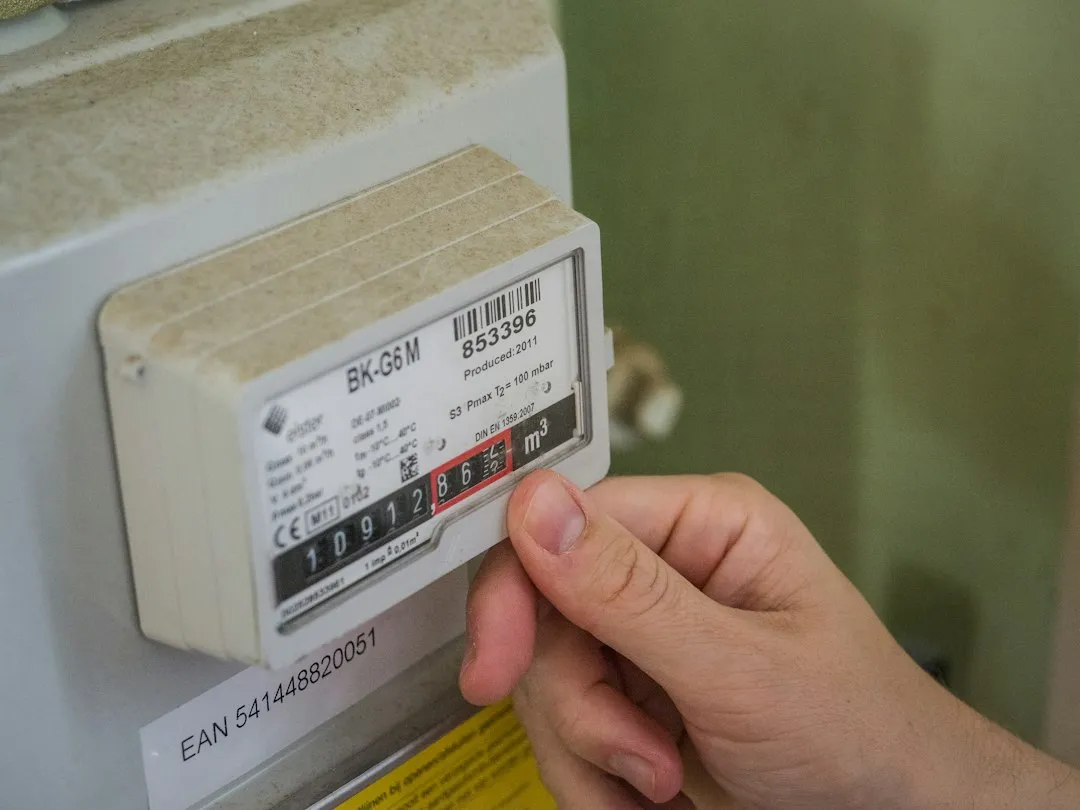
To calculate your monthly budget billing amount, a utility company will look at your past usage, typically over the last year, and average it to determine your monthly charge. This gives the utility a reasonable baseline, though it doesn’t account for unusual weather or major lifestyle changes.
You will pay that amount throughout the budget billing period, which usually runs from August through July. Some companies offer different programs, such as quarterly budget billing.
During the budget period, your utility company may review your usage and energy prices. The utility company may make adjustments to your budget amount so that it more accurately reflects your actual consumption and current energy prices.
The True-Up: What Happens at the End of the Year
At the end of the budget billing cycle, there is what’s called a “true-up” or settlement. The true-up makes sure that what you paid on the budget plan matches what you actually used during the budget period.
Traditional budget billing often sets a flat fee for the year, and at the end of that year there is a true-up month where you settle any difference between what you paid and what you actually used. If you used more than the estimate, you owe a balance. If you used less, you typically receive a credit.
If you receive a large true-up bill, you can call your utility immediately to set up a payment plan rather than paying it all at once. Most states require utilities to offer payment arrangements for true-up balances. The true-up simply represents energy you already used, paid for in a delayed way.
Levelized Billing vs. Traditional Budget Billing

Levelized billing is a variation that uses a rolling average adjusting slightly every month. According to MTE, this approach prevents what some call the “True-Up Time Bomb” because your payment stays in sync with your actual 12-month trailing usage.
The practical difference matters. Traditional budget billing locks in a figure for a full year and then reconciles everything at once, which can produce a surprising final bill. Levelized billing nudges the monthly payment gradually, keeping things more balanced throughout the cycle.
Your budget billing amount can change when the utility reviews your account and determines that your current payment no longer matches your expected energy costs. Knowing which version your provider uses is worth asking upfront before you enroll.
The Real Benefit: Predictability, Not Savings

Budget billing doesn’t reduce your overall costs. It spreads them evenly over the year. This is a point that catches some people off guard. The plan is a financial smoothing tool, not a discount program.
Predictable costs make it easier to set up automatic payments and avoid late fees. For households on fixed incomes or those who rely on careful month-to-month budgeting, that consistency has genuine value even without any reduction in total spending.
Budget billing can be particularly useful if you prefer consistent, predictable payments, are on a fixed income and need to avoid seasonal bill spikes, or if your utility company has consumer-friendly terms including refunds for overpayments.
The Hidden Risks Worth Knowing

If you’ve used more energy than the utility estimated, you’ll owe the difference at true-up time. A true-up can lead to an unexpected and possibly large bill. If you haven’t been monitoring your energy usage, the final amount could catch you off guard, undermining the very stability that budget billing promises.
Some programs carry ongoing administrative and start-up fees. Utility providers may also be less tolerant of late payments on a budget billing plan compared to a standard plan. These are details worth reviewing before signing up.
Budget billing can put your monthly utility charges and your actual usage out of sight and out of mind. If your finances can handle the seasonal swings of a regular bill, budget billing may not offer much added benefit.
Who Should Consider Budget Billing and Who Should Skip It

The pros and cons really come down to your need for predictable payments versus your desire to closely monitor and adjust your energy use. These are different priorities, and neither is wrong.
You may want to skip budget billing if you’d rather manage your own budget and save money independently, if you’re concerned about owing a large bill later, or if your energy usage varies significantly year to year, making projections unreliable.
Budget billing is also a poor fit if you plan to move within the next 12 months, as closing your account forces an immediate true-up bill that can complicate your moving budget. Renters and people in transitional housing situations should weigh this carefully.
The DIY Alternative Worth Considering

Some financial professionals have developed an alternative approach to paying utility bills. Instead of signing up for budget billing, the suggestion is to open a dedicated savings account online specifically for utilities.
Grab your last 12 months of utility bills, total them up, and divide by 12 to get your monthly average. Then set up an automatic transfer of that amount from your checking account into the utility savings account each month. This gives you the same smoothing effect with full flexibility.
Setting aside extra cash for peak months in a separate savings account keeps you in control without worrying about hidden fees, settlement balances, or contract restrictions. It’s a clean solution that mirrors budget billing without the utility involvement.
How to Enroll and What Questions to Ask Your Provider

To sign up for budget billing, contact your natural gas or electric utility company directly. Each utility company may have different budget periods and budget plans available. Be sure to ask when the budget period begins and when adjustments to your budget amount can be made.
Ask specifically whether the utility charges a fee for budget billing, as some do, and find out about any fees before signing up. Also ask whether the program offers refunds if you overpay throughout the year, and what the settlement process looks like at the end of the cycle.
Most utilities let you cancel budget billing whenever you choose. Still, canceling mid-cycle typically triggers an immediate account settlement, so timing matters. Going in informed means fewer surprises on either end of the agreement.
The Broader Picture: Rising Energy Costs in 2025-26
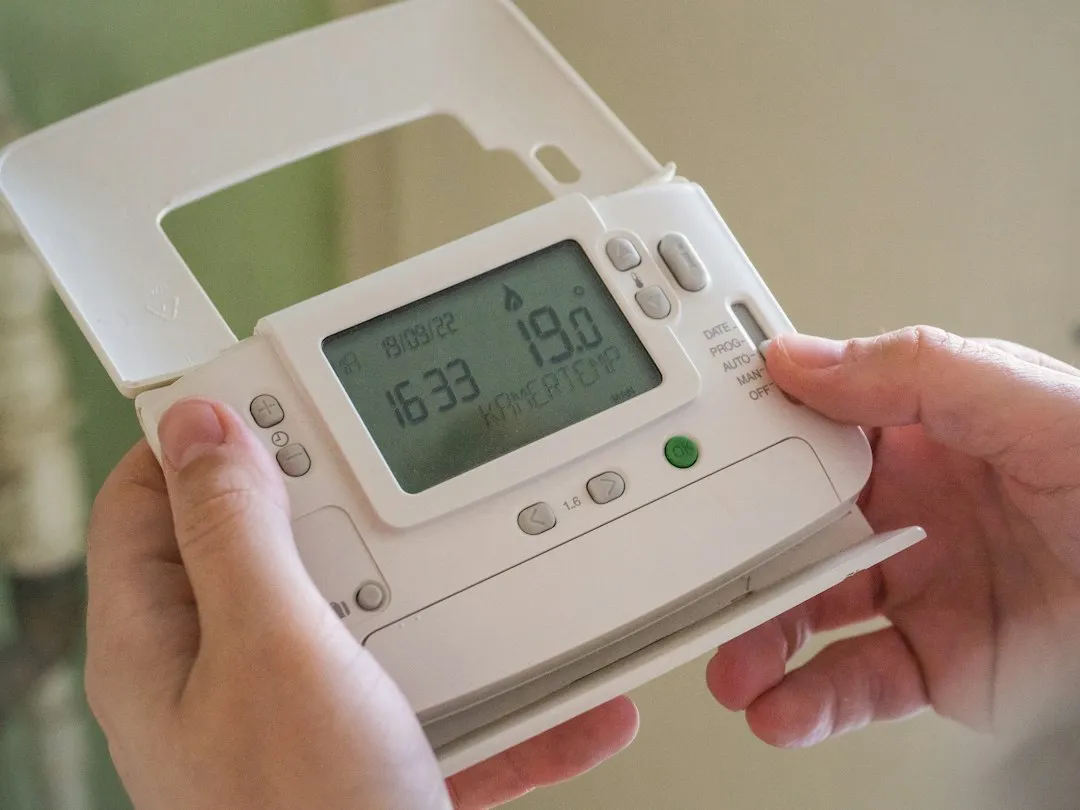
On average, households are expected to spend $995 on heating this winter, an increase of $84 from last year. Families that rely on electricity for heating face the steepest increases, with costs rising roughly twelve percent, while natural gas users are projected to see costs rise by about eight percent.
Residential electricity costs are at their highest levels in a decade. In 2025 alone, the average monthly electric bill jumped ten percent, according to NEADA’s report. That kind of momentum in utility pricing makes payment predictability a legitimate financial tool rather than just a convenience.
Between the end of 2023 and mid-2025, unpaid energy bills owed to utility companies rose by about 31 percent, climbing from approximately $17.5 billion to $23 billion. Budget billing won’t fix that underlying problem, but for households on tight margins, preventing a single catastrophic bill can stop a small shortfall from becoming a larger crisis.
Final Thoughts

AI Disclaimer: This article was created with the assistance of AI tools and reviewed by a human editor.