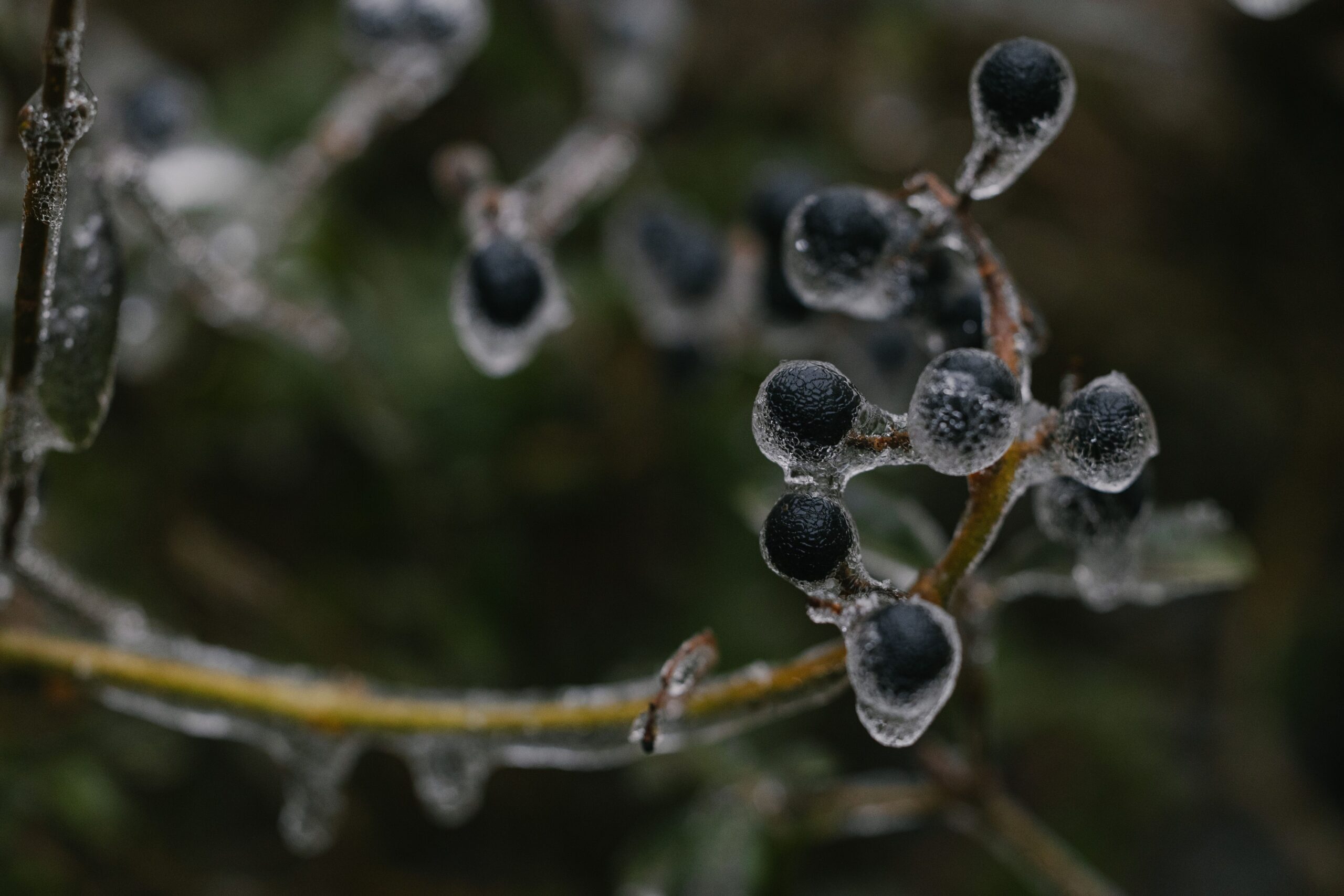

Why Potted Plants Are More Vulnerable Than In-Ground Plants
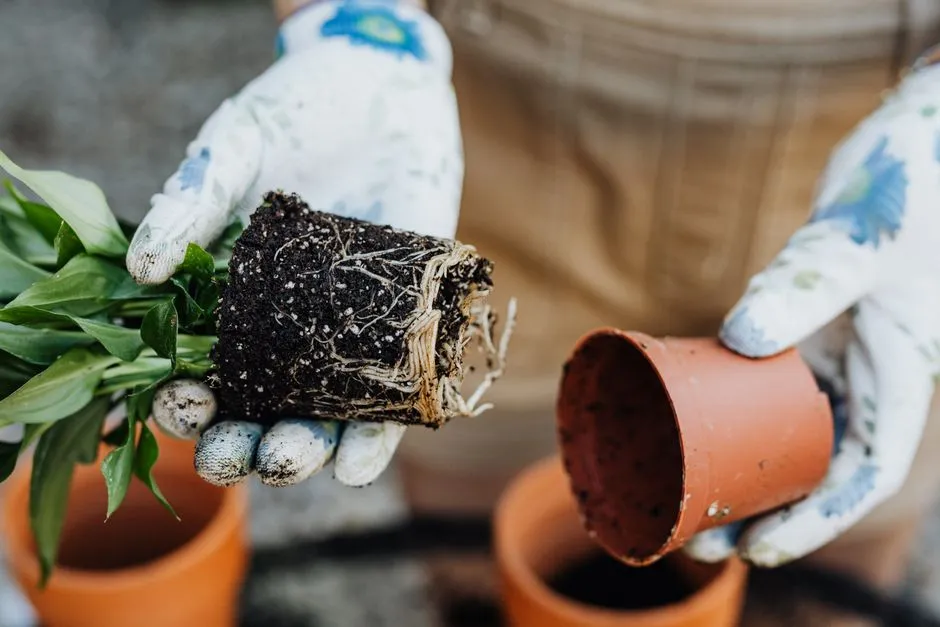
While the roots of plants growing in the ground are insulated by surrounding soil, the roots of plants growing in above-ground containers are more exposed to colder air temperatures. The roots of a plant simply aren’t as cold-hardy as the above-ground plant parts, which can often tolerate temperatures around twenty degrees cooler than the roots themselves.
Potted plants have roots exposed to cold air on all sides, and because the small amount of soil in a pot freezes more quickly than garden soil, their roots are far more vulnerable. When roots freeze, they can no longer absorb water, leading to dehydration, a problem often called “winter desiccation.” Ice crystals can also physically damage plant tissues.
Unlike the ground, which acts as a massive thermal insulator, a pot’s limited soil volume cannot stabilize temperatures effectively. The soil in a small container can heat up or cool down far more rapidly than in a garden bed, subjecting the roots to thermal shock.
The Core Science Behind Container Grouping
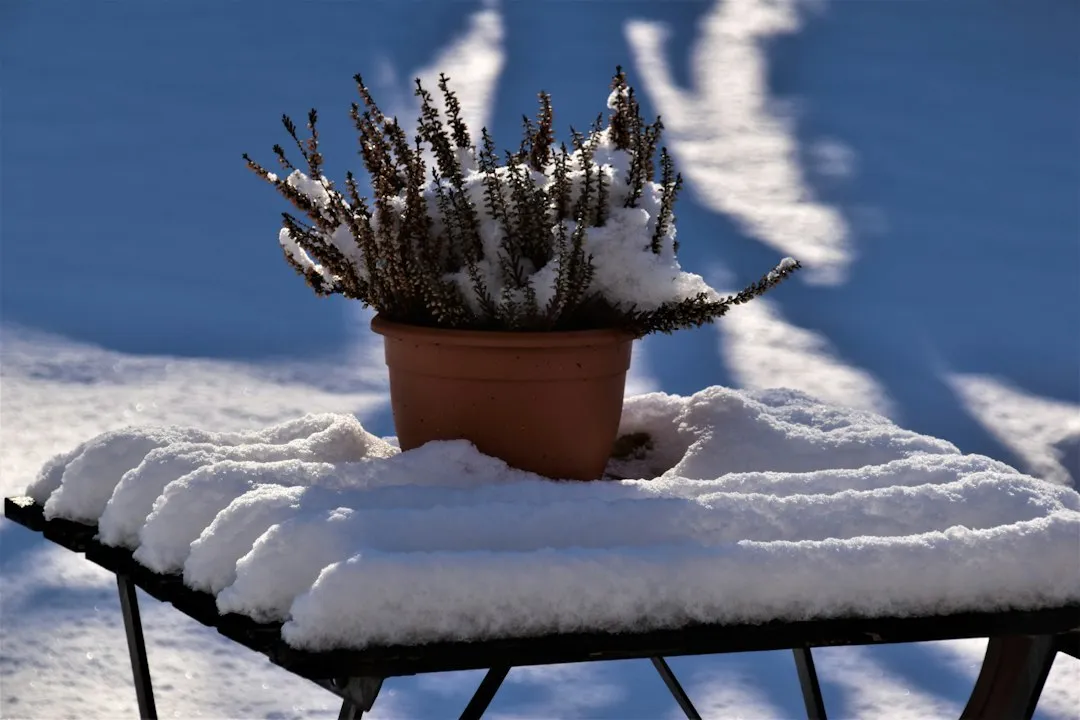
Bringing your pots close together during winter weather creates a natural shield against cold air, freezing winds, and dramatic temperature swings. When containers stand alone, cold surrounds every surface and quickly steals heat from the soil.
Individual pots lose heat from all sides, but when grouped, the outer pots act as a protective barrier for those in the center, slowing down heat loss from the soil and roots. Potted plants lose heat much faster than those in the ground because their roots are surrounded by cold air on all sides. Grouping the pots together helps counter this by forming a shared microclimate where the plants, soil, and containers absorb warmth during the day and release it gradually at night.
How to Arrange the Group for Best Results
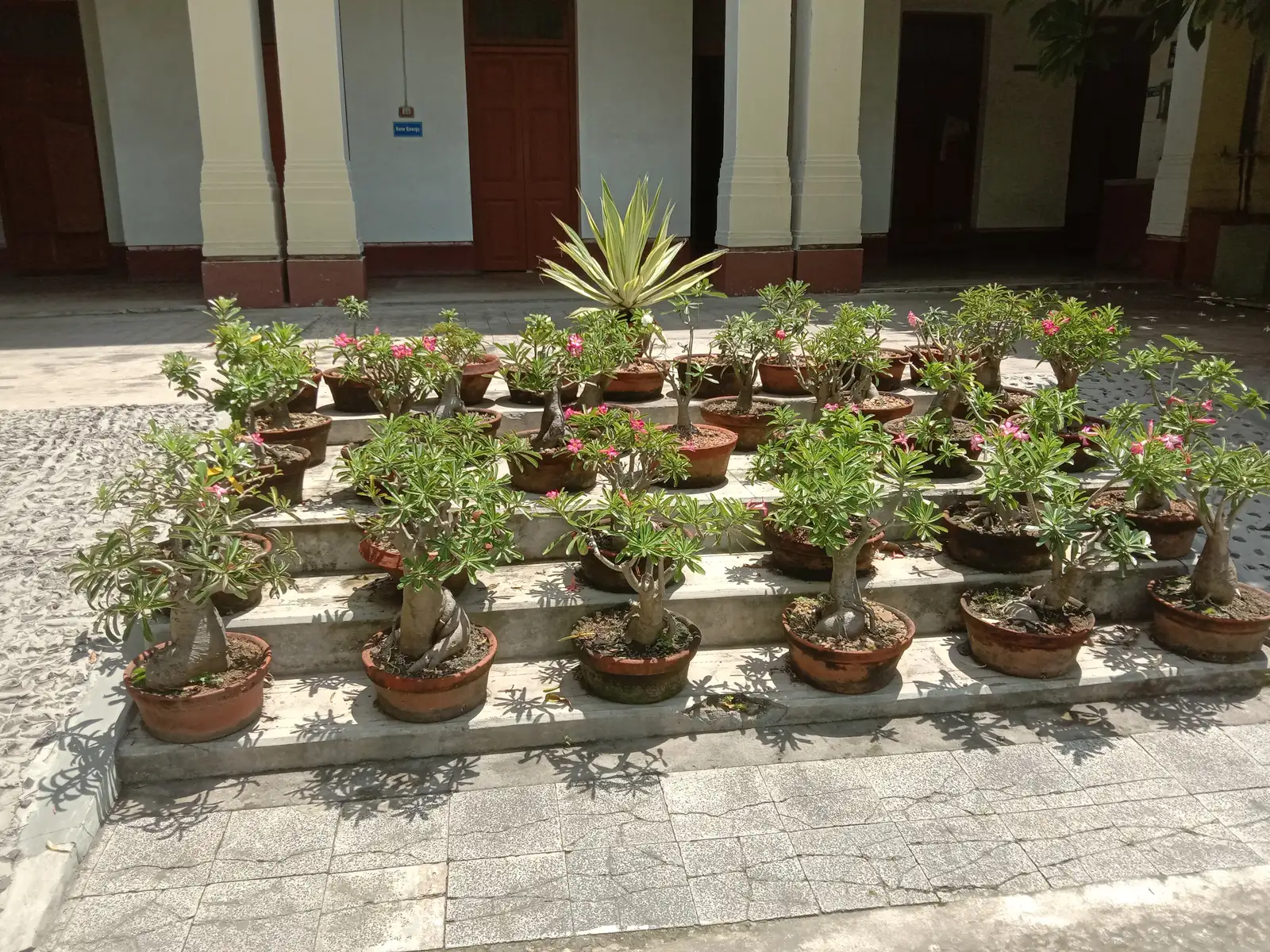
Place the more sensitive plants in the center to shelter them with hardier plants around the edges. This creates a natural buffer zone where your most cold-sensitive specimens are shielded on every side.
A circular grouping works better than straight rows because the center traps more warmth, especially when cold air settles low at night. Arrange your group like a class photo, with tall plants in the back. Medium plants go in the middle, and small pots fill the front. A large potted rosemary or a sturdy evergreen shrub can shelter herbs, succulents, and seedlings around its base.
Position the Cluster Against a Wall or Structure
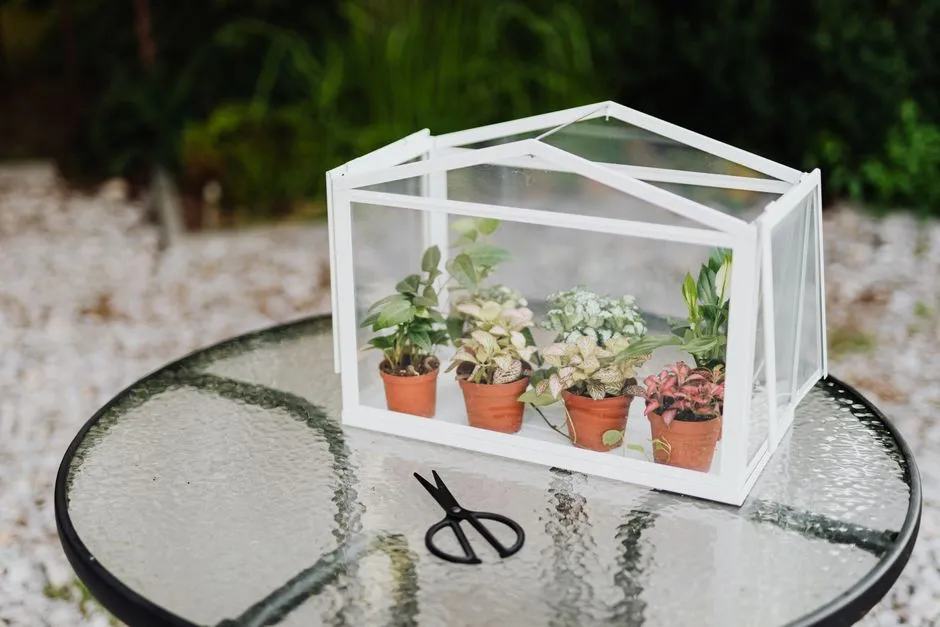
Group containers against the wall of a building, structure, or evergreen hedge for protection from winter winds and extreme temperatures. South-facing walls are particularly effective because they absorb solar heat during the day and radiate it back toward the plants at night.
Potted plants grown on terraces and rooftops, where they will be exposed to chilling winds, should be moved to a sheltered location, such as close to a building or near a pergola or other structure, away from high winds and winter sun.
Corner sheltering uses fences, steps, or raised beds to shield a container garden from drafts. Even modest shelter from a wooden fence can make a noticeable difference compared to open exposure on an unprotected deck.
Fill the Gaps Between Pots With Insulating Material
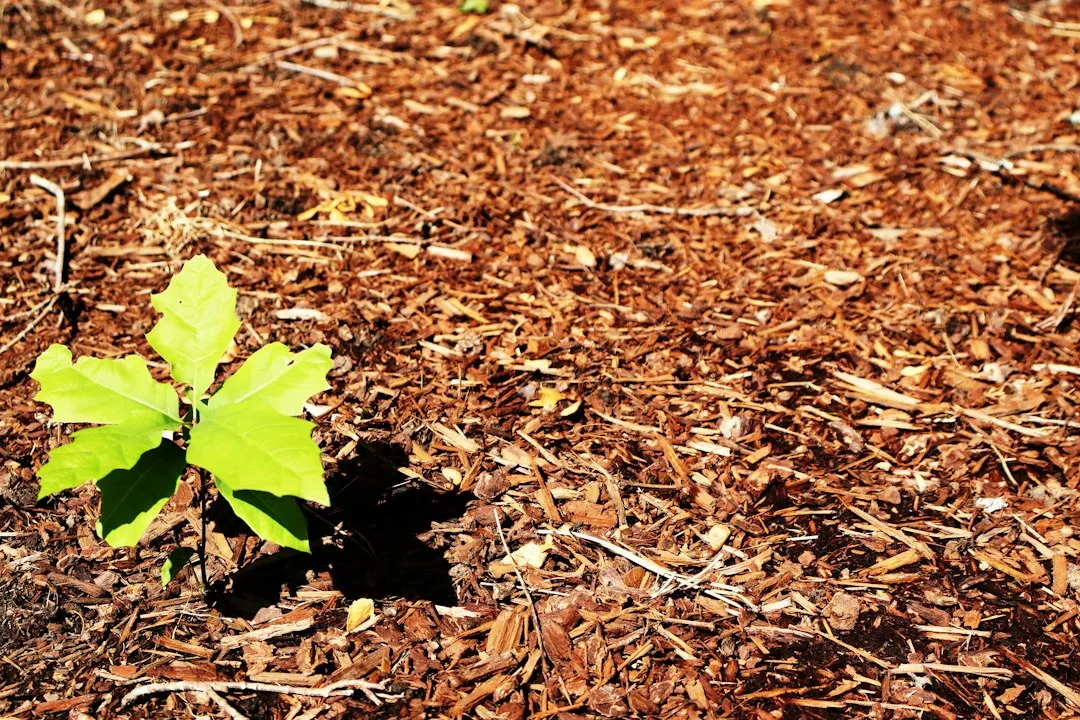
By grouping pots tightly in a wind-sheltered fence corner and packing the gaps with straw and leaves, you create a shared thermal barrier that traps radiating heat and blocks the desiccating winds that would otherwise freeze the roots.
Bolster this tendency by stuffing the spaces between plants with fallen leaves, evergreen boughs, or even burlap. These materials cost nothing and make a measurable difference in how much heat the group retains overnight.
Insulate with mulch like shredded bark, woodchips, straw, or leaves. A layer applied across the tops of the pots adds yet another level of protection, slowing heat loss from the soil surface itself.
Water Before the Freeze Hits
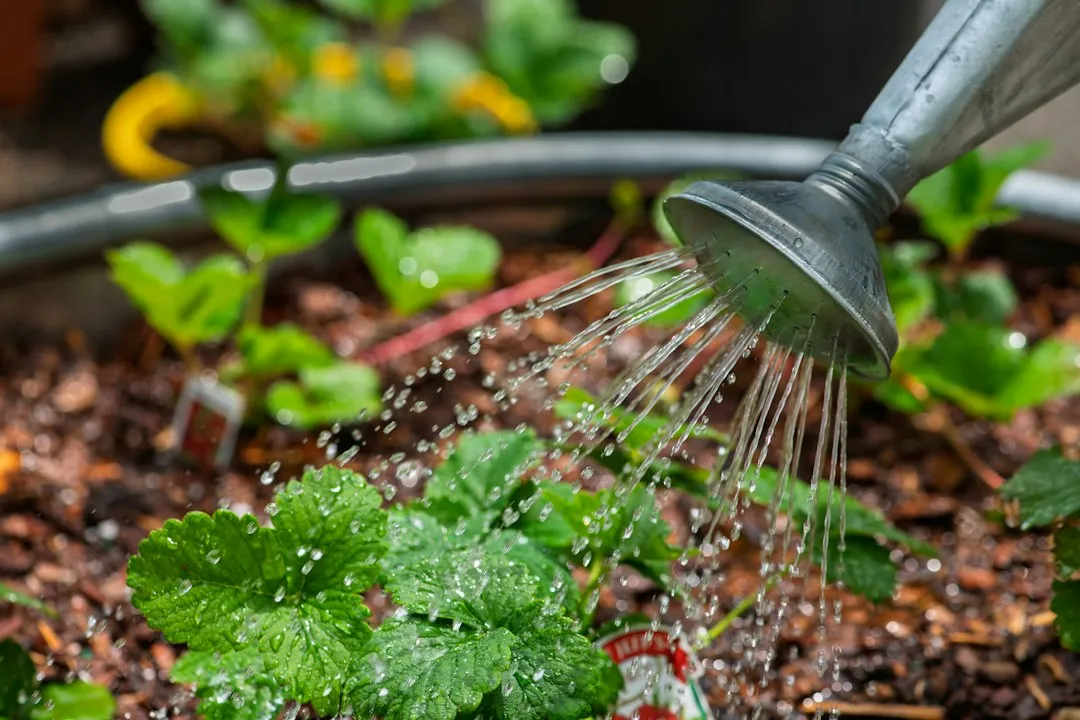
Even after above-ground growth has gone dormant for the year, the roots will continue to take up water. Moist growing media will freeze slower than dry media, offering additional protection.
When the soil is dry and freezing temperatures occur, the roots of plants are much more susceptible to freeze-drying. This is one of the most overlooked aspects of winter container care. People focus on wrapping pots but neglect to water beforehand.
The ideal time to water is during the day when temperatures have warmed above freezing. Even if temperatures are at freezing and the pot is dry, it is important to water because it will help to better protect the plants’ roots.
Choose Plants Hardy to Two Zones Below Yours
The USDA Zones are based on plants growing outdoors in the ground, not in containers. When looking for plants to grow outdoors in containers that will be cold-hardy in your area, select plants that are listed as cold-hardy to at least one USDA Zone cooler than yours. Doing so gives your plant a better chance of surviving the winter without freeze damage.
Since potted plants’ roots are exposed to colder conditions than those in the ground, it’s a good idea to look for plants that will survive in a hardiness zone lower than the zone they will grow in. The general rule is to select plants that will survive two zones cooler than where the plant will be growing.
Add a Frost Cloth Over the Entire Cluster
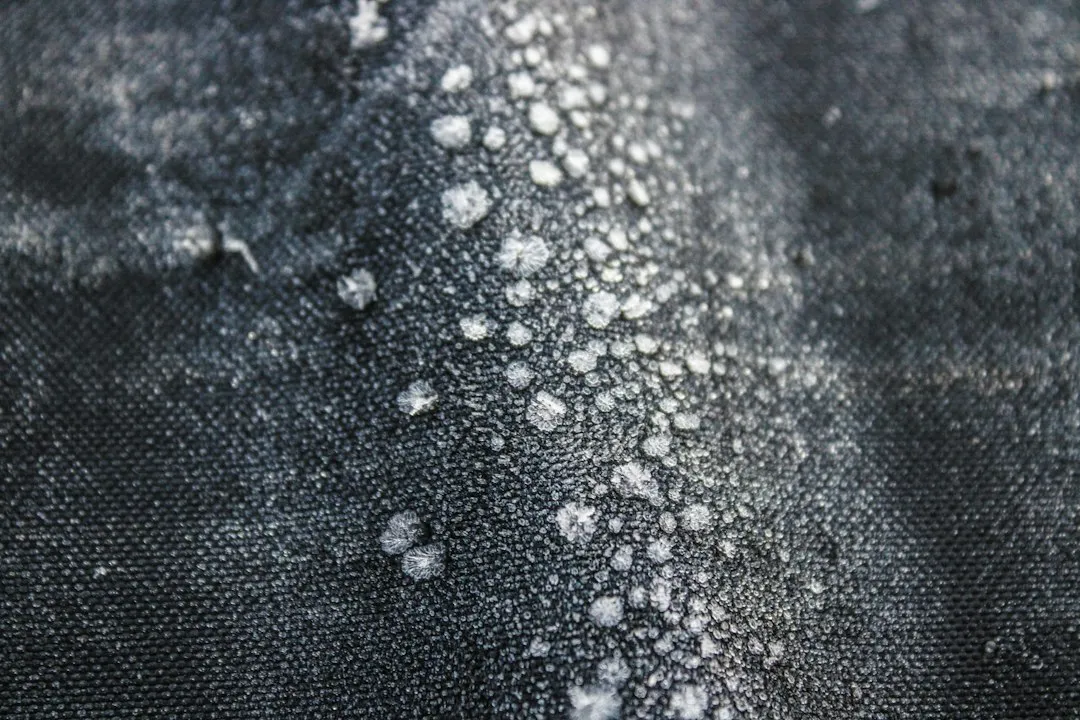
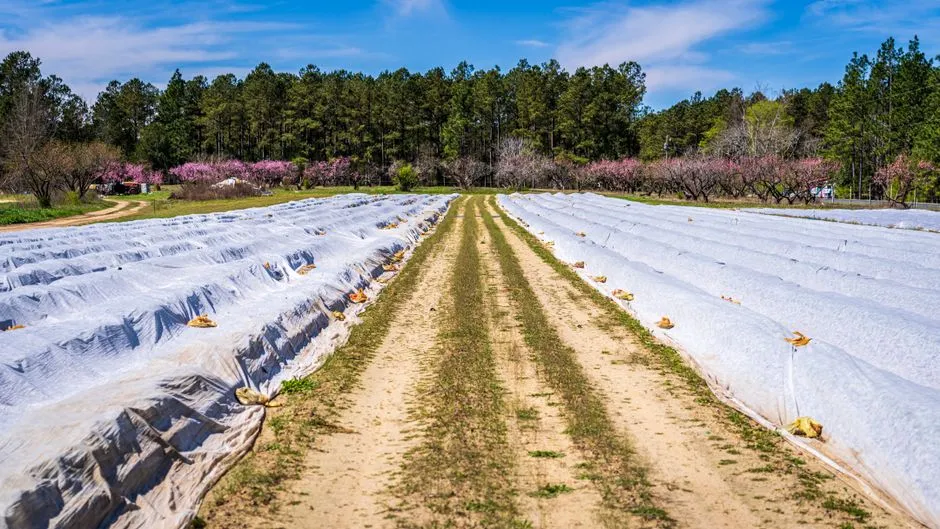
Grouping containers first means a single frost cloth can protect the entire crowd at once. This is one of the most practical advantages of clustering. Rather than wrapping a dozen individual pots, one cover does the job for all of them together.
Remove the covering once temperatures climb above freezing the next morning. Leaving it on during a sunny day can overheat plants and trap too much moisture. Frost cloths are tools, not permanent insulation, and they need to breathe.
Wrapping prevents the container from cracking while providing one more layer against cold air temperatures. The combination of grouping and covering addresses both root protection and structural damage to the pots themselves.
Lift Pots Off the Ground to Prevent Ice Pooling
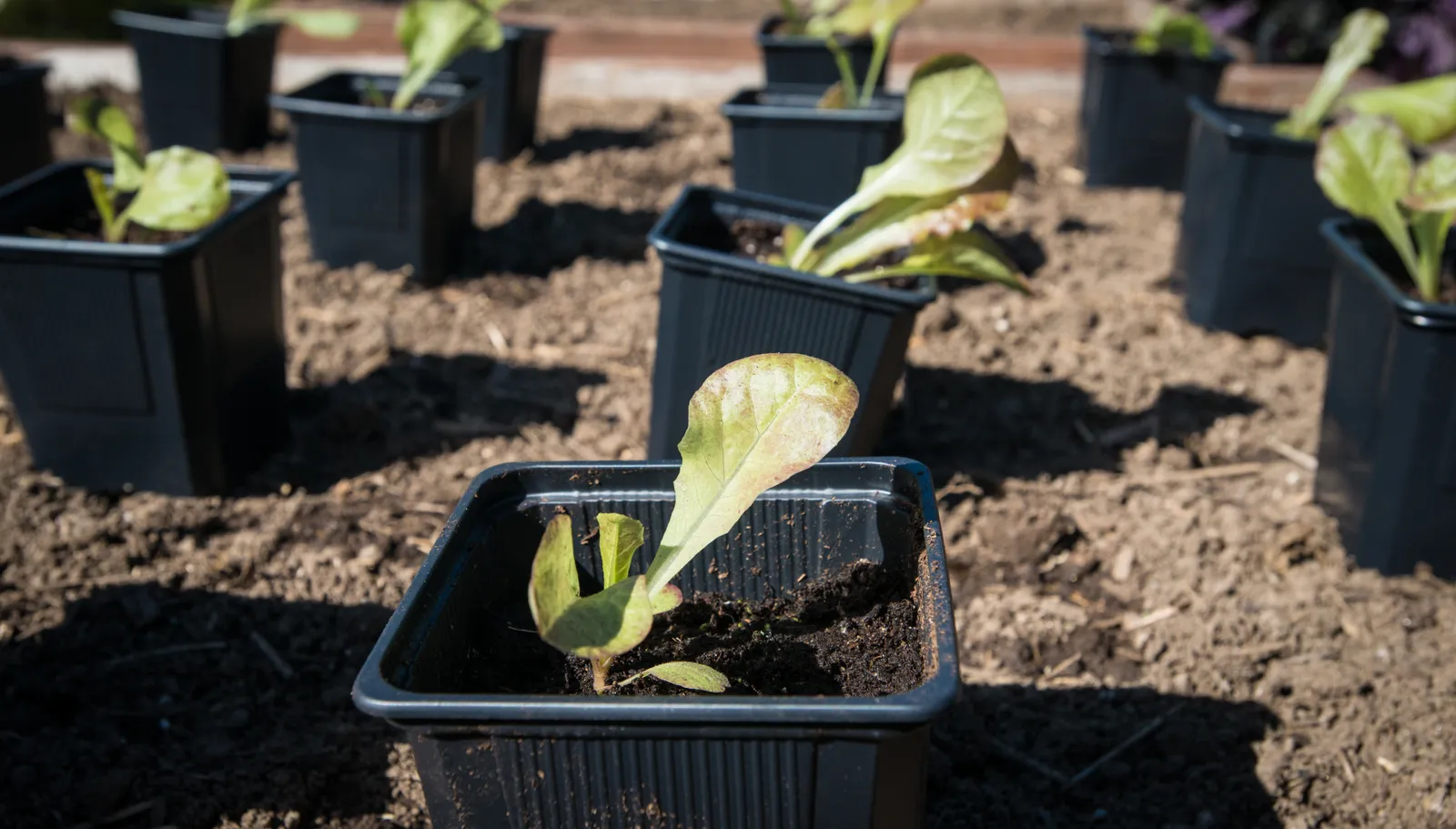
Adding bricks underneath your container pots raises them with the aim of improving drainage and preventing root rot. Raising pots off the ground can also prevent water pooling and freezing around the base of the pot. Freezing water can cause wear and tear on planters, so lifting them up will help to extend their life during the colder months.
Thick gravel under containers creates drainage channels that protect potted plants from water damage. When incorporating this into your grouped cluster, use bricks at the back and pot feet at the front to keep drainage consistent across the whole arrangement.
Know When Grouping Alone Isn’t Enough
Bring tender plants such as tropical hibiscus indoors or into the garage when lows approach forty degrees, and move hardier plants when lows near freezing. Grouping helps, but hard freezes call for extra protection.
In containers, the roots of plants are exposed to below-freezing temperatures on all sides. Small plants can easily be moved into a cool garage or basement. Temperatures should be in the upper thirties or lower forties, but not below freezing.
Add wrapping only for marginal plants or during extreme cold snaps forecast below zero Fahrenheit. For most temperate winters, the cluster approach combined with mulching and frost cloth will get you through without moving everything indoors.
The Takeaway
AI Disclaimer: This article was created with the assistance of AI tools and reviewed by a human editor.