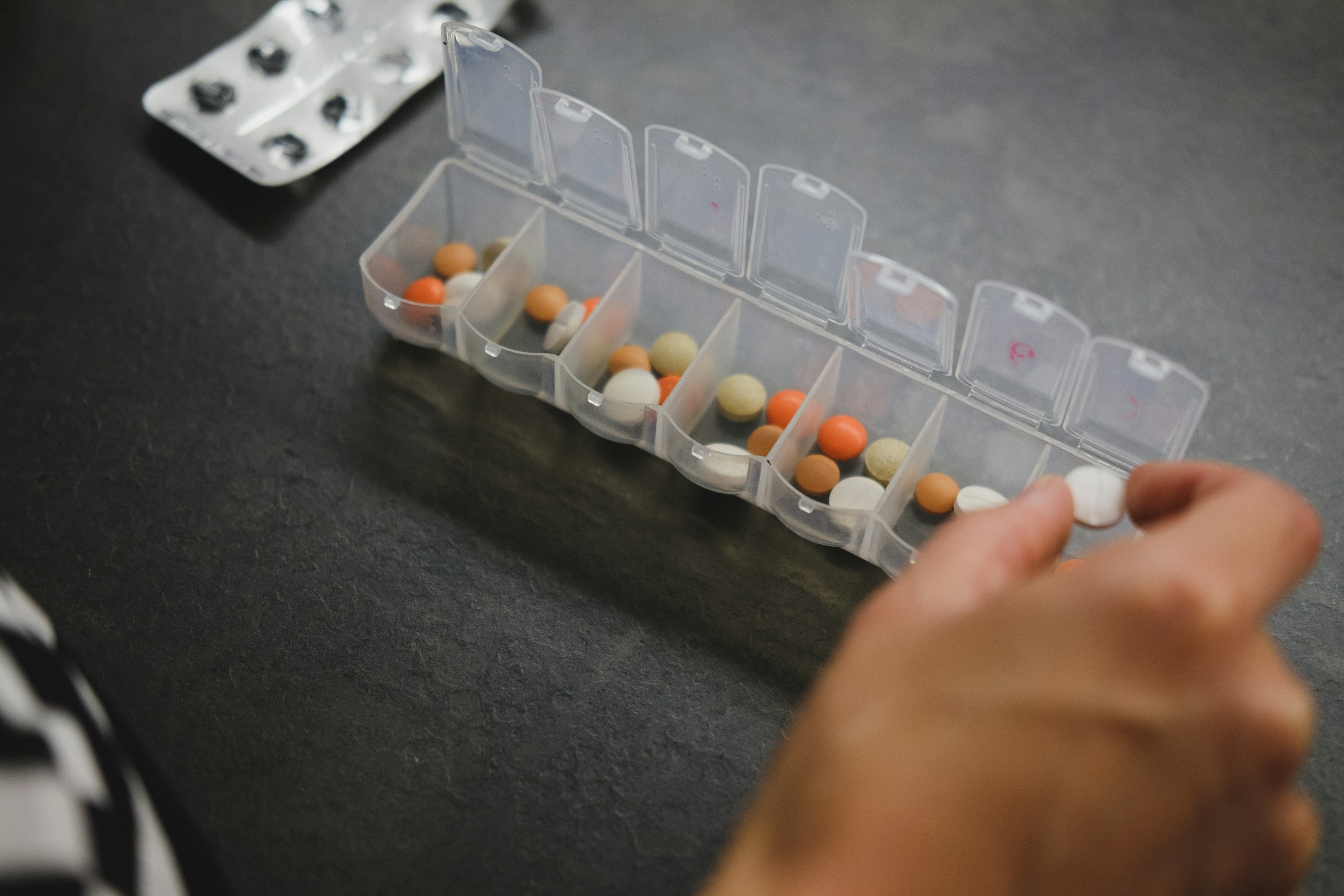

Millions of people take dietary supplements every day, often alongside prescription medications, assuming that “natural” means safe. That assumption, though, gets genuinely complicated when a blood thinner is part of the picture. Anticoagulants like warfarin, apixaban, and rivaroxaban have a narrow therapeutic window, meaning even modest shifts in how they’re metabolized can tip the balance toward dangerous bleeding or, in the other direction, toward clot formation.
Pharmacists are often the first to flag these risks, precisely because they see the full picture of what a patient is taking. The list of supplements that interact with blood thinners is longer than most people realize, and it includes some of the most popular products on pharmacy shelves today.
1. Fish Oil: The World’s Most Popular Supplement With a Hidden Catch
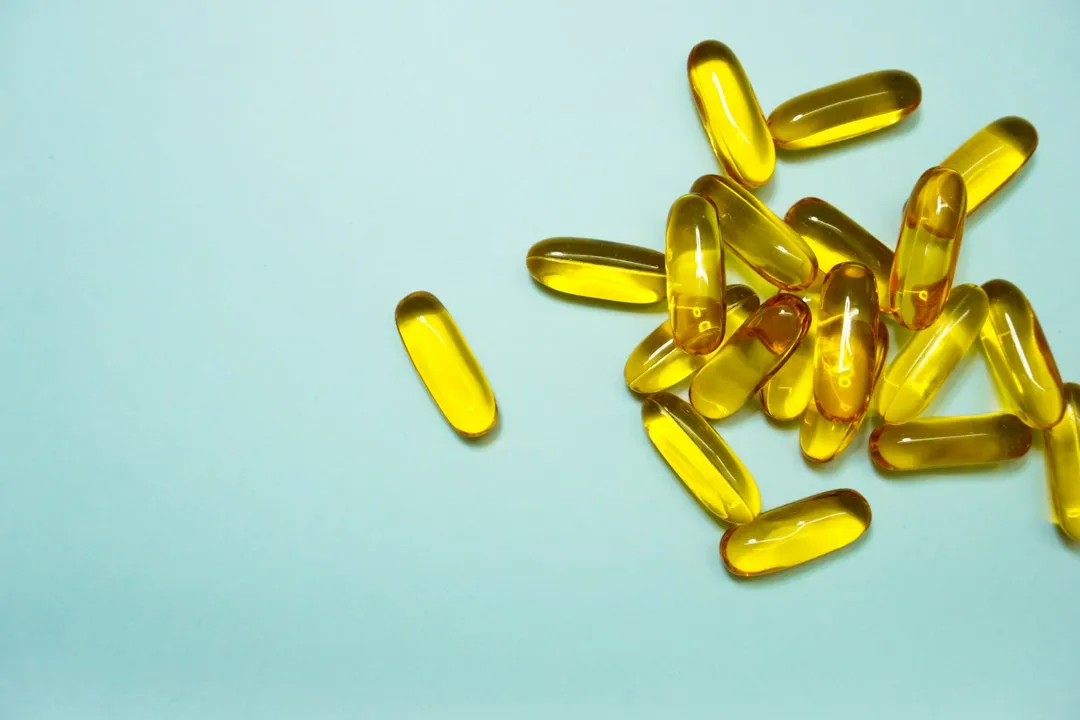
Fish oil is one of the most widely consumed supplements in the world, and its cardiovascular benefits are well documented. The concern, though, is dose-dependent. The NIH Office of Dietary Supplements notes that doses of 2 to 15 grams per day of EPA and/or DHA might increase bleeding time by reducing platelet aggregation, and that fish oil might prolong clotting times when taken with warfarin.
Omega-3 fatty acids may affect platelet aggregation and vitamin K-dependent coagulation factors, and may lower thromboxane A2 supplies within the platelet as well as decrease factor VII levels, both of which can push the anticoagulant effect of warfarin in unpredictable directions. The picture isn’t entirely clear-cut. A retrospective cohort study found that fish and krill oil supplementation did not significantly alter warfarin control or the number of major or minor bleeding events in a cohort of 573 patients over an average of 34 months, though the evidence overall remains mixed.
Fish oil at doses above 3 grams per day has been shown to prolong bleeding time, and the FDA advises caution when combining fish oil with anticoagulant medications. The practical guidance from most pharmacists is straightforward: keep doses low and inform your prescriber.
2. Vitamin E: The Antioxidant That Can Amplify Bleeding Risk
Cardiologists warn against combining high-dose vitamin E (above 400 IU per day) with fish oil if you’re on blood thinners. The mechanism isn’t mysterious. When oxidized to vitamin E quinone, vitamin E becomes a potent inhibitor of the enzyme that activates key clotting factors. High doses, especially above 400 IU daily, can prolong bleeding time measurably.
A meta-analysis found that vitamin E enhanced the risk of hemorrhagic stroke by roughly twenty-two percent across nine trials totaling over 118,000 participants. For people on anticoagulants, that risk compounds. In patients being treated with warfarin for atrial fibrillation, elevated serum vitamin E was found to predict hemorrhagic events.
Most adults benefit from around 15 milligrams (roughly 22 IU) of vitamin E daily, and the tolerable upper intake level for adults is 1,000 mg. However, people on blood thinners may not tolerate even that ceiling. It’s worth checking the label of any multivitamin, since vitamin E is often included without a second thought.
3. Vitamin K: The Two-Way Problem With Warfarin
Vitamin K directly counteracts warfarin’s blood-thinning effects. This is perhaps the most well-known supplement-drug interaction in pharmacy, and it works in both directions. Too much vitamin K can make warfarin less effective, so the blood clots more easily. Too little vitamin K can mean the blood does not clot enough.
Foods naturally high in vitamin K, like liver, Brussels sprouts, broccoli, and other green vegetables, as well as vitamin K supplements, can affect how the anticoagulant warfarin works. The guidance from pharmacists isn’t to avoid vitamin K entirely. People taking warfarin are advised to keep their dietary vitamin K intake consistent and to avoid vitamin K supplements specifically.
Vitamin K2, in the MK-7 and MK-4 forms, directly antagonizes warfarin’s mechanism by reducing INR and increasing clot risk. If someone considering K2 is already on warfarin, maintaining a constant supplement dose with INR monitoring every two to three weeks is considered essential. Consistency, not elimination, is the real key here.
4. St. John’s Wort: The Depression Supplement That Undermines Your Medication

St. John’s wort is a common over-the-counter supplement often marketed for depression symptoms. It can lower warfarin levels, which increases your risk of blood clots. This is actually the reverse of a bleeding risk. The problem here is under-anticoagulation, not over-anticoagulation. St. John’s wort may also lower the levels of direct oral anticoagulants (DOACs), such as apixaban and rivaroxaban.
St. John’s wort interacts with blood thinners by speeding up how the body breaks them down. This enzyme-inducing effect is what makes it particularly tricky. Unlike a supplement that simply adds to bleeding risk, this one actively reduces the drug’s concentration in the bloodstream. St. John’s Wort can reduce the effectiveness of warfarin, Eliquis, and Xarelto by inducing liver enzymes.
It’s generally best to avoid St. John’s wort if you’re taking any blood thinner, and talking to a prescriber about safer options for managing depression symptoms is strongly recommended. This is one interaction where pharmacists tend to be especially firm.
5. Ginkgo Biloba: A Memory Supplement With a Serious Bleeding Signal

Ginkgo is one of the most well-documented supplement risks for blood thinner users. It inhibits platelet-activating factor (PAF), which means it directly interferes with blood clotting. The concern isn’t just theoretical. People taking ginkgo alongside warfarin had about a thirty-eight percent higher risk of a bleeding event than people on warfarin alone.
Case reports have linked ginkgo to spontaneous bleeding events, including subdural hematoma, in patients on anticoagulants. A 2025 hospital study found that clopidogrel and aspirin were the two drugs most often prescribed alongside ginkgo, and that ginkgo interactions were linked to both bleeding symptoms and abnormal clotting test results.
There have been case reports and small studies showing elevated risk, and since solid evidence in either direction is still accumulating, erring on the side of caution remains the standard recommendation. Ginkgo biloba interacts with hundreds of medicines, and natural or over-the-counter does not mean risk-free.
6. Garlic Supplements: When a Kitchen Staple Becomes a Clinical Risk
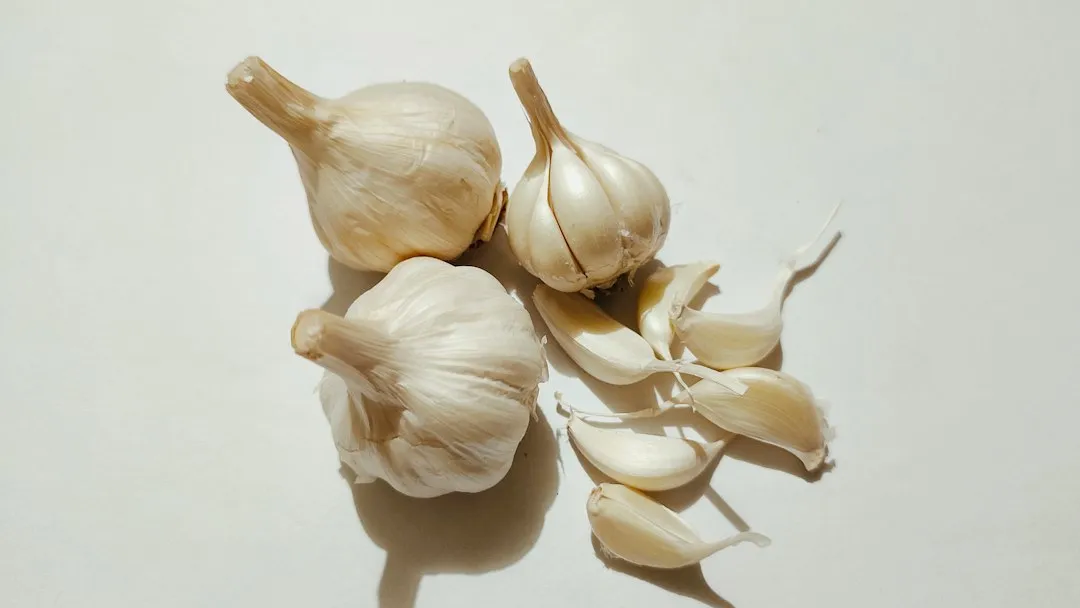
One of the possible side effects of garlic is an increased tendency to bleed. This blood-thinning effect has been demonstrated in a double-blind trial involving sixty volunteers, as well as in other studies and case reports. The important distinction here is form and dose. Regular garlic in cooking poses a far lower risk than concentrated garlic supplements. Regular food-quantity garlic in cooking is generally considered fine.
According to two case reports, the blood-thinning effects of warfarin were greatly enhanced in persons taking garlic supplements, which could amplify the risk of bleeding problems. Garlic may raise your risk of bleeding if you also take a blood thinner such as aspirin, clopidogrel, or warfarin.
Among thirty-eight herbs evaluated for interaction severity with warfarin, garlic was assessed as having major severity interaction potential. That doesn’t mean the average person cooking with garlic has anything to worry about. It does mean that standardized garlic extract capsules deserve the same scrutiny as any other supplement when anticoagulants are in the picture.
7. Turmeric and Curcumin: The Anti-Inflammatory Supplement With Platelet Effects

Garlic extract, turmeric (curcumin), and ginger all have mild antiplatelet effects. Turmeric in particular has grown enormously in popularity as an anti-inflammatory supplement, which makes awareness of its interaction potential especially relevant today. The biggest supplements to watch when on blood thinners include fish oil at high doses, vitamin E above 400 IU, ginkgo biloba, garlic supplements, turmeric/curcumin, and St. John’s Wort.
Combining multiple herbal blood thinners with fish oil or prescription anticoagulants increases bleeding risk. Curcumin, the active compound in turmeric, can inhibit platelet aggregation and may also affect how the liver processes certain medications. The capsule form, being far more concentrated than culinary turmeric, is where the interaction concern becomes clinically meaningful.
Eating moderate amounts of these products in food isn’t likely to cause an issue, and most interactions occur when very large amounts are consumed or when these products are taken in supplement form. This is a consistent pattern across nearly every herb on this list, and it’s why pharmacists focus on the supplement rather than the spice rack.
8. Ginger: Mild but Worth Mentioning
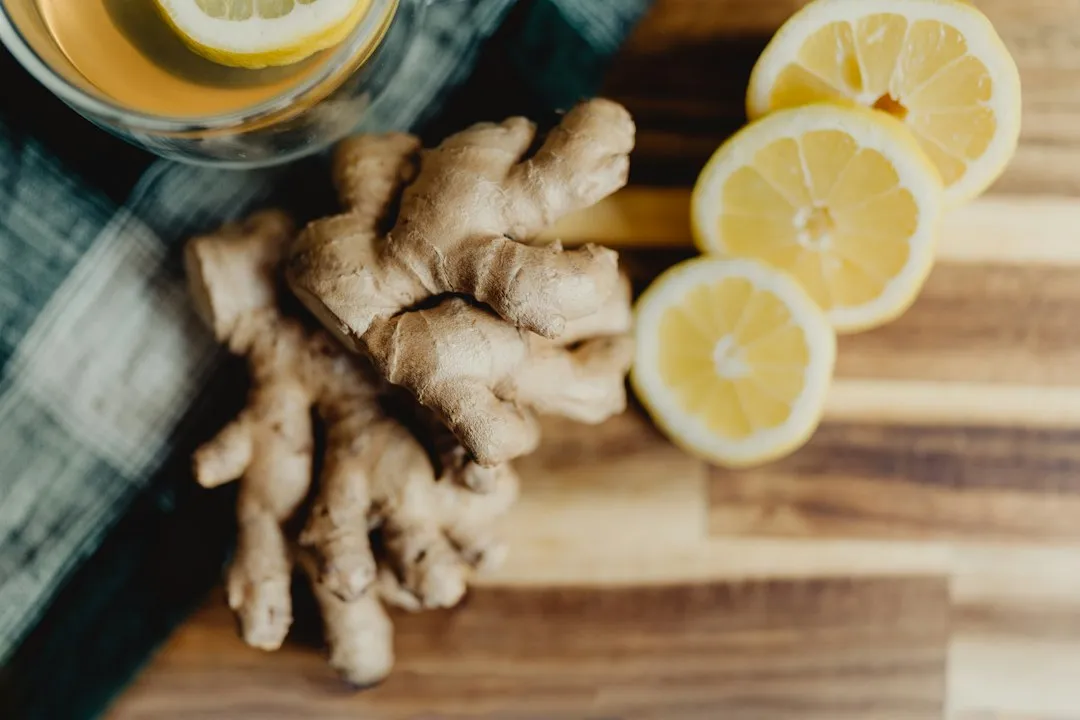
Over 60 drug interactions are reported with ginger, including anticoagulants like warfarin, aspirin, and other blood thinners, blood pressure medications, and diabetes medications. Ginger shares the mild antiplatelet pathway that shows up in several herbs on this list. Fish oil, vitamin E, garlic, ginkgo, and ginger may add to a thinning effect and raise bleeding risk when combined with anticoagulants.
Ginkgo can add to the blood-thinning effects of garlic, ginger, ginseng, turmeric, fish oil, and vitamin E, and many people take several of these at once without realizing the effects add up. That stacking effect is one of the most underappreciated hazards in supplement use, particularly among people who consider themselves health-conscious and take multiple products simultaneously.
The evidence for ginger specifically is less robust than for ginkgo or garlic, but pharmacists still flag it because the mechanism is real and the supplement market has expanded ginger’s reach considerably through teas, extracts, and capsules. Dose, as always, is the decisive variable.
9. CoQ10: An Energy Supplement That Can Reduce Warfarin’s Effectiveness
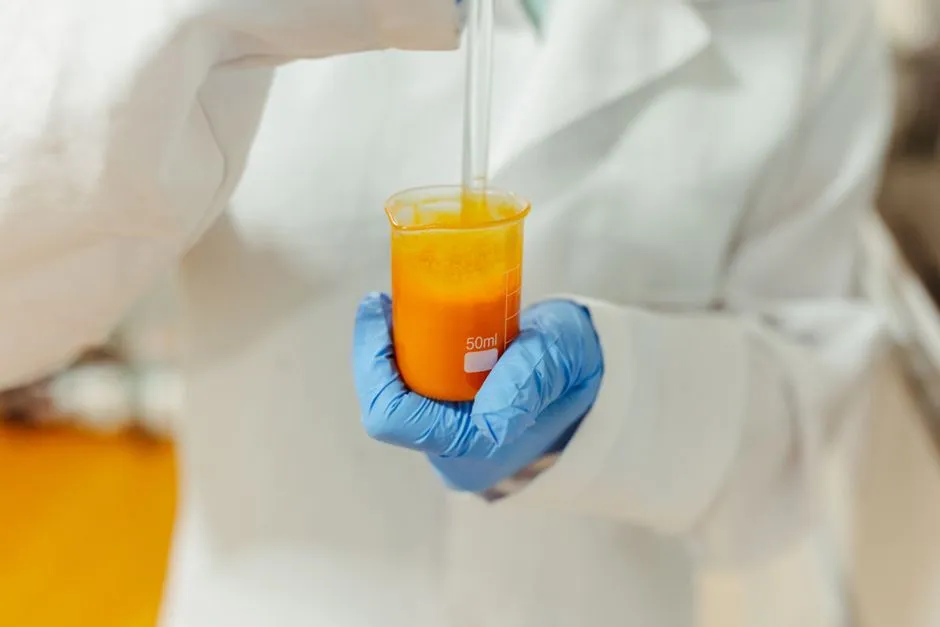
CoQ10 is a vitamin-like substance that plays a fundamental role in the body’s energy production. It is somewhat similar in structure to vitamin K, and reportedly, it too can reduce the therapeutic effects of warfarin. This is a less commonly discussed interaction, but it’s been documented across multiple clinical observations. In three case reports, CoQ10 was found to interfere with warfarin’s blood-thinning effects.
If you take coenzyme Q-10, it can lower how well warfarin works. For someone whose anticoagulation is already carefully titrated, that reduction in effectiveness could translate into an increased risk of clotting events. It’s worth noting that one double-blind study found no interaction between CoQ10 and warfarin, which illustrates the complexity of this area. The evidence is mixed but the case reports are real.
Even modest supplement changes can shift INR levels or drug metabolism with potentially serious bleeding or clot risks, because the therapeutic window for anticoagulants is dangerously narrow. CoQ10 is especially worth discussing with a pharmacist before use, since many people take it alongside heart-related medications already.
Why Pharmacists Are Often the First to Catch These Interactions

Some supplements can interfere with blood thinners such as anticoagulants like warfarin. The challenge is that patients don’t always think to mention supplements to their prescribing doctor, particularly if those supplements are sold over the counter. Checking with a pharmacist before taking any over-the-counter supplement with a blood thinner is consistently recommended.
Consulting your doctor or pharmacist before starting, stopping, or changing any supplement while on blood thinners is the primary guidance across clinical settings. Pharmacists have access to complete medication records and are positioned to catch potential interactions that might otherwise go unnoticed. If you take warfarin or a newer anticoagulant, telling your prescriber about every supplement before you start or stop one is strongly advised.
Concomitant use of warfarin and herbs causes major safety concerns due to the narrow therapeutic window of warfarin. The newer generation of anticoagulants, including apixaban and rivaroxaban, carries interaction risks of its own. Supplements can interfere with anticoagulants, direct oral anticoagulants, and antiplatelet medicines like aspirin or clopidogrel, either by increasing the risk of bleeding or by increasing the risk of clots. That dual direction of risk is what makes this topic matter so much.
The Takeaway

The assumption that supplement safety is automatic is genuinely hard to shake, especially when products are labeled as natural, plant-based, or health-supporting. The reality is that blood thinners are among the most interaction-prone medications in clinical practice, and the supplement aisle contains a surprising number of products that can shift their effect in either direction.
None of this means that fish oil, turmeric, or garlic are inherently dangerous. Context matters enormously, and dose is almost always the deciding factor. A pharmacist’s review of your complete supplement and medication list takes only a few minutes and can prevent a genuinely serious outcome. That conversation is always worth having before adding anything new to your routine.
AI Disclaimer: This article was created with the assistance of AI tools and reviewed by a human editor.