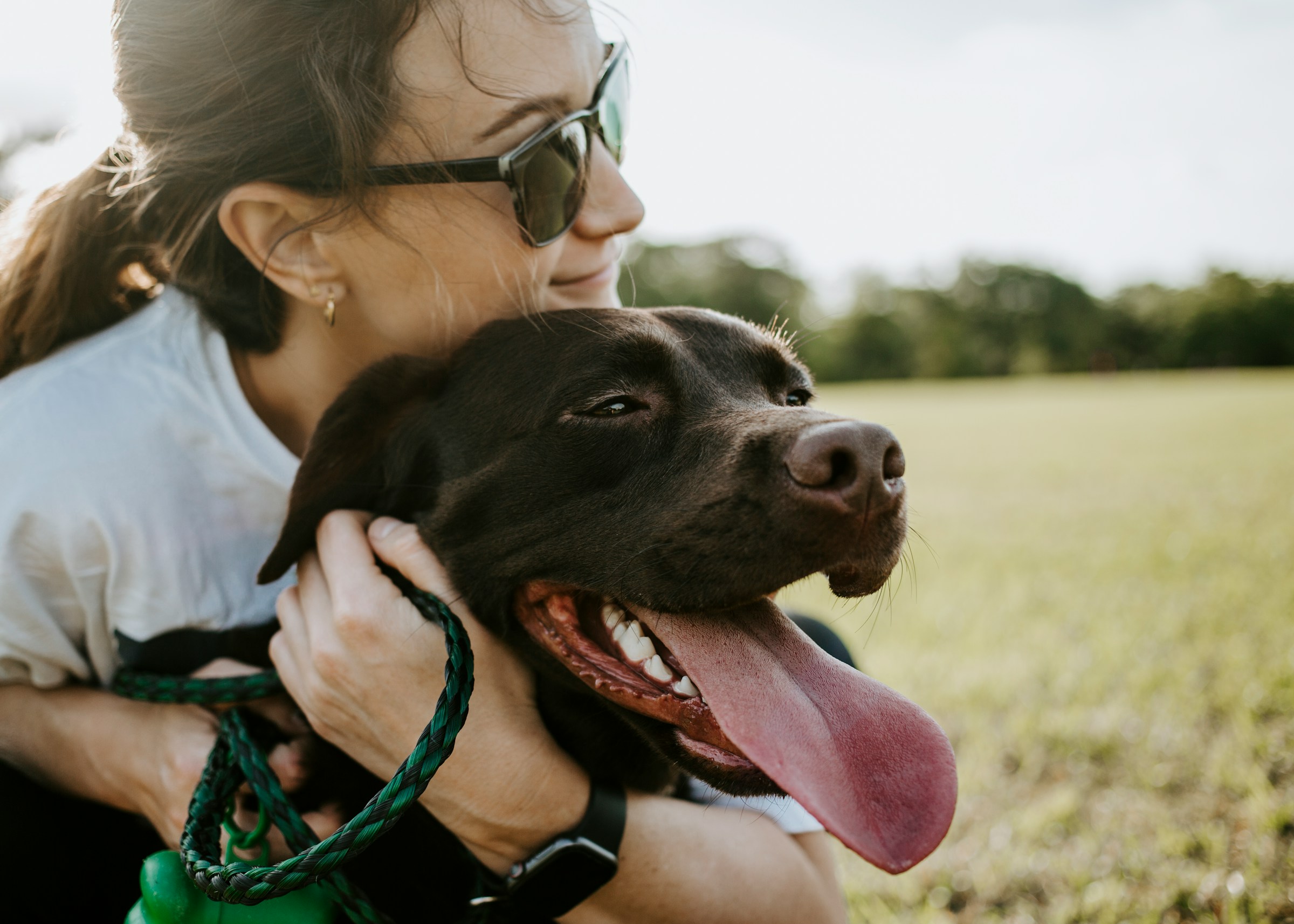

It’s one of the most familiar scenes in a pet owner’s life: you wrap your arms around your dog, squeeze gently, and feel a rush of warmth. Your dog goes still. You assume that means contentment. Science, increasingly, suggests it means something else entirely.
The gap between what humans project onto their dogs and what dogs are actually experiencing during a hug is wider than most people realize. Two significant bodies of research, one published in 2016 and a follow-up study in 2024, have painted a remarkably consistent picture. What follows is a closer look at the evidence, and what it means for how we care for the animals we love.
The Numbers Are Hard to Ignore
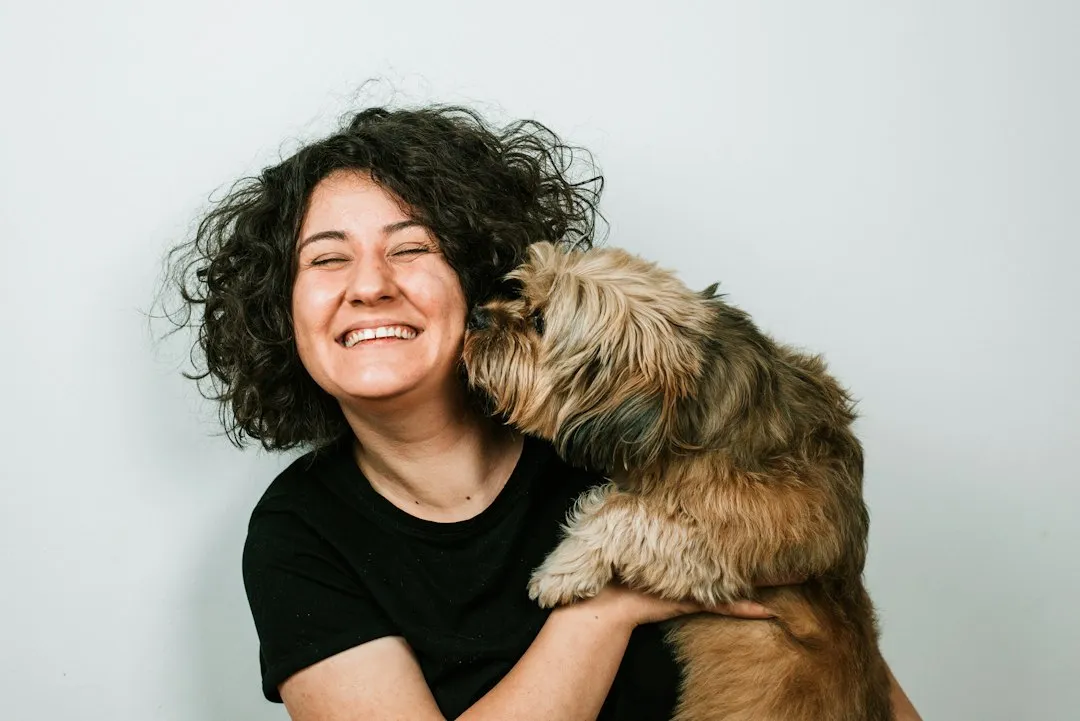
Research by Dr. Stanley Coren found that in 250 photographs of people hugging dogs, roughly four out of five dogs showed signs of stress, despite their owners appearing happy. That figure alone should give any dog lover pause.
Coren found that 81.6 percent of dogs exhibited some signs of discomfort, 10.8 percent had neutral body language, and only 7.6 percent looked comfortable. In other words, genuinely relaxed dogs in a hug were the rare exception, not the rule.
A newer study, published in Applied Animal Behaviour Science, went a step further by analyzing videos rather than still images, allowing researchers to examine behaviors like nipping, yawning, and blinking that are harder to spot in photos. The study reviewed the 80 most popular videos of dogs being hugged on social media platforms.
What the 2024 Video Study Revealed
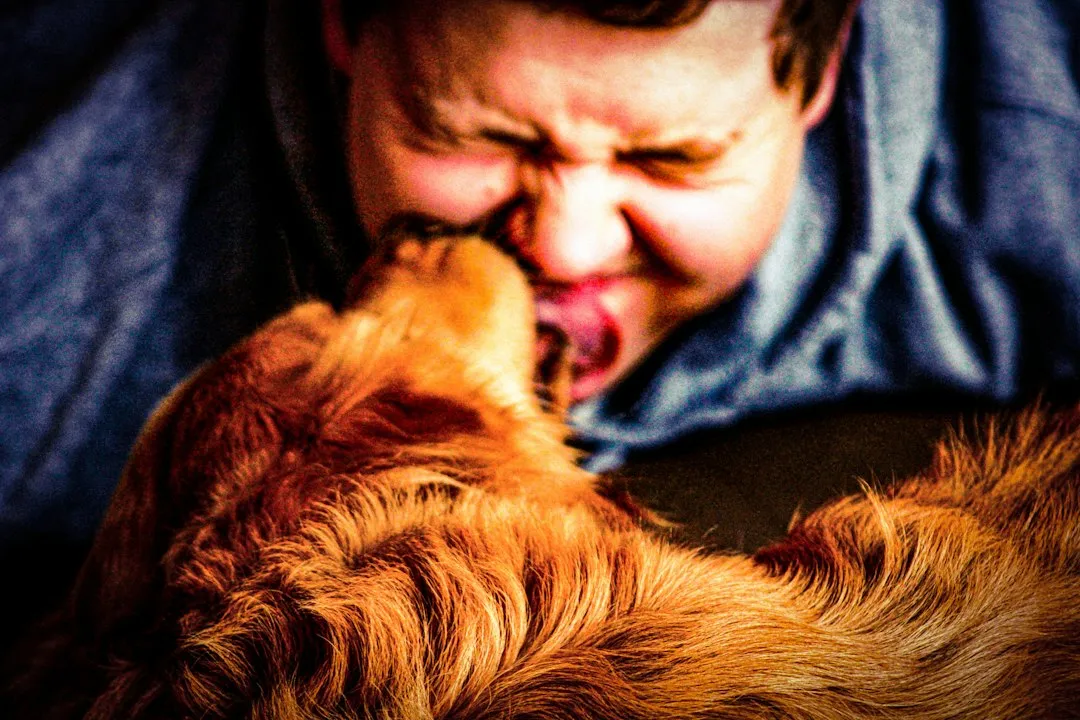
The data from the video study showed that nearly seven out of ten dogs avoided eye contact with the human and turned their head away from the hugger, nearly half licked their lip or nose, more than eight in ten were observed blinking, six in ten had ears flattened, and roughly four in ten were panting.
Perhaps the most telling observation was something that couldn’t be seen in static images: in two out of three of the videos reviewed, the dog showed nipping or biting behaviors directed toward the human hugging them.
This 2024 study, conducted in Ireland, analyzed video footage rather than still images, revealing more stress signals like blinking, panting, or even nipping and biting. The move from photos to video was an important methodological step, and the results only reinforced the earlier findings.
Dogs Are Built to Run, Not to Be Held
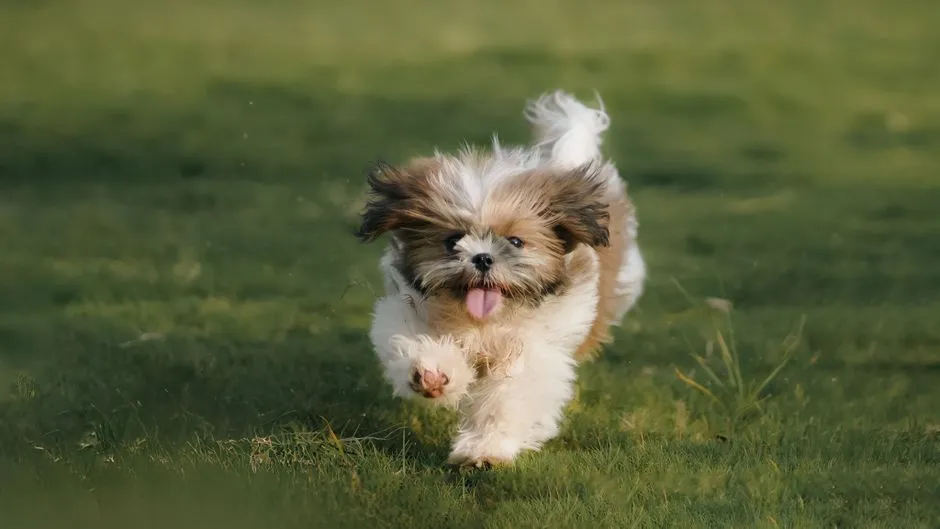
Dogs are technically cursorial animals, which means they are designed for swift running. In times of stress or threat, the first line of defense a dog uses is not its teeth but its ability to run away.
When a dog is anxious or scared, flight is its first move. When we pin them in place with a hug, we take away that option, which can heighten stress and even provoke a defensive bite.
This is a fundamental point about canine biology, not a quirk of individual dogs. It’s the species’ hard-wired response to threat, and a hug directly overrides it.
Hugging Reads as Dominance, Not Affection
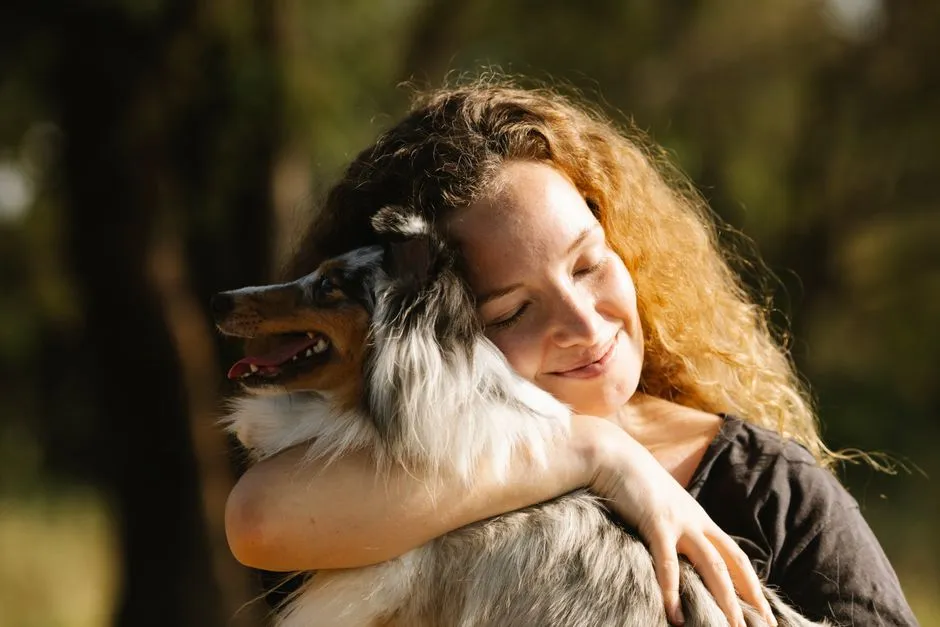
Instead of seeing a hug as a sign of affection, many dogs interpret it as a dominant or confining gesture. This is rooted in how dogs communicate with each other, which is almost entirely through posture and movement.
When dogs place their paws on another dog’s back or body, similar to the way humans hug, the behavior is generally perceived as intimidating and is not meant to indicate affection or desire for social contact.
In canine body language, placing a limb over another animal is a dominance signal, not a term of endearment. So while you think you’re saying “I love you,” your dog may be reading it as “I’m asserting control over you.” Add in the direct eye contact and the fact that your face is now inches from theirs, both of which can come across as aggressive in dog communication, and the loving gesture starts to look very different from the dog’s point of view.
Stillness Is Not the Same as Comfort

Researchers noted that humans aren’t great at reading the signs. We tend to assume a dog being still is a dog being content. Often, however, stillness is a freeze response, not affection but stress.
Like cats, dogs deliberately hide their discomfort from their owners, so you really have to know what you’re looking for when it comes to figuring out if your dog is suffering. The quiet dog in the photo may be enduring the moment, not savoring it.
This distinction matters enormously. A dog that doesn’t struggle or whimper during a hug can still be under significant stress. Calm behavior during restraint is not the same as willing participation.
The Stress Signals Owners Miss Most Often
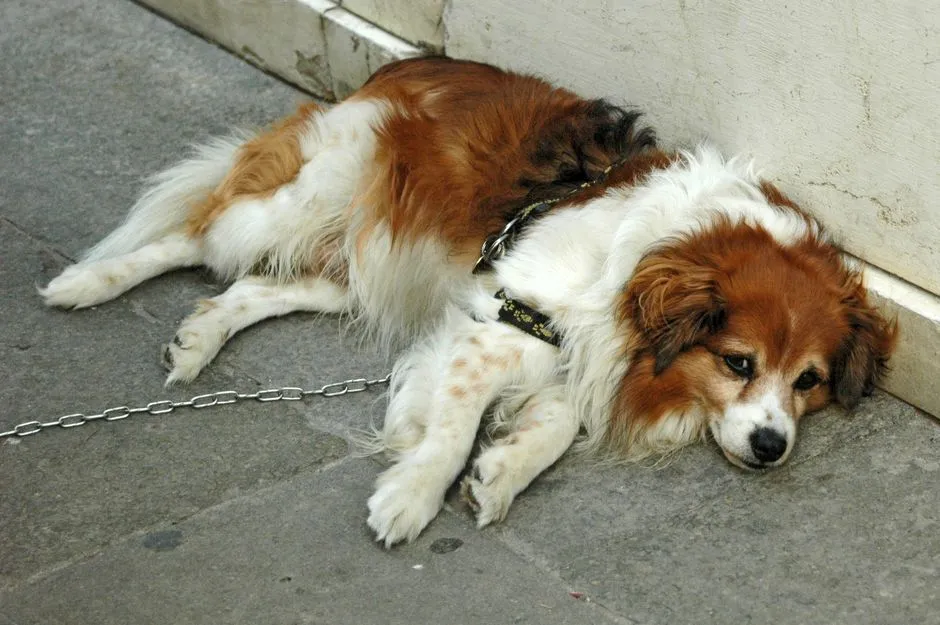
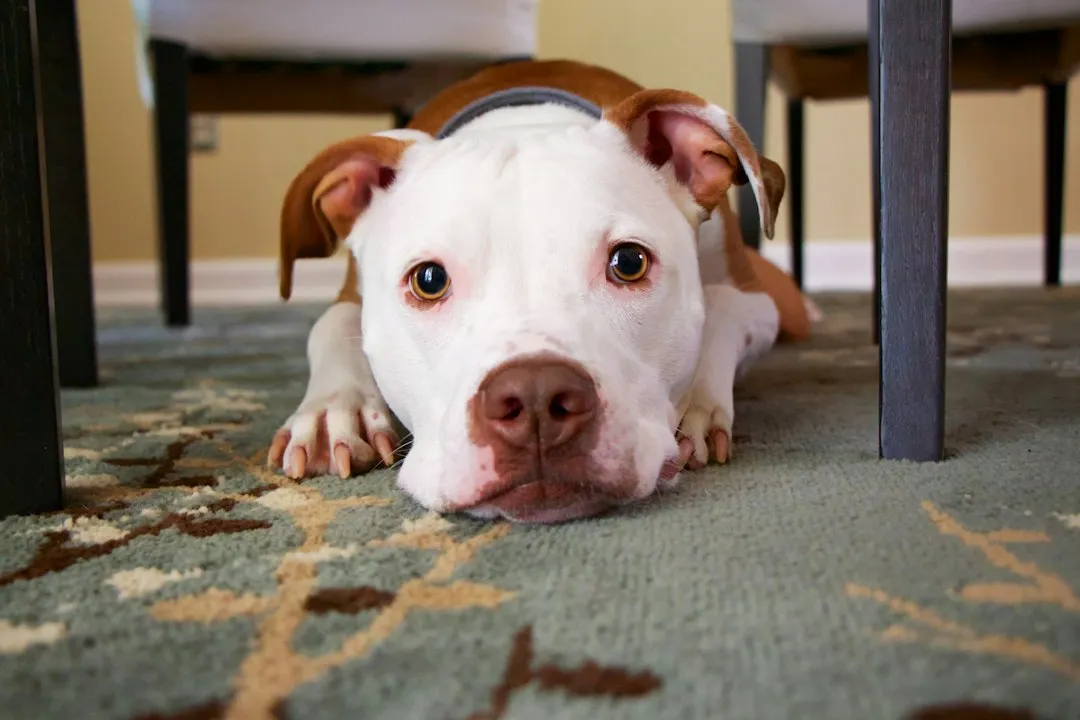
Common signs of stress during hugging include the dog turning its head away, lip licking, yawning, flattening ears, or showing the whites of their eyes, a behavior often called whale eye. Most of these signals are easy to miss, especially when you’re focused on the moment of affection rather than watching your dog’s face.
Dogs communicate primarily through body language, and signs of stress are often easy to miss if you don’t know what to look for. Learning these signals can help you understand how your dog feels in the moment.
Owners should look for signs including turning the head away, lip licking, yawning, showing the whites of their eyes, ears pinned back, tail tucked, trying to move away, lifting a paw, avoiding eye contact, or panting when it is not hot. Any one of these, during or after a hug, is worth taking seriously.
Humans Don’t Recognize the Signs, Even When Shown Them
Humans aren’t particularly good at recognizing signs of dog stress. The 2024 study’s lead author, Elizabeth Ann Walsh, noted that results showed many human behaviors may be concerning, as humans tend not to necessarily understand the body language or vocalizations shown by dogs when interacting with them.
When Dr. Coren conducted his initial research, he received a large pushback from pet parents who claimed their pets loved being hugged. They sent photos and videos to prove it, apparently not noticing that many of those images contained the very same stress signals Coren had identified. That pattern is telling.
The instinct to believe that our dogs enjoy everything we enjoy is powerful. It’s also, according to this research, frequently wrong.
The Risk Is Especially High for Children
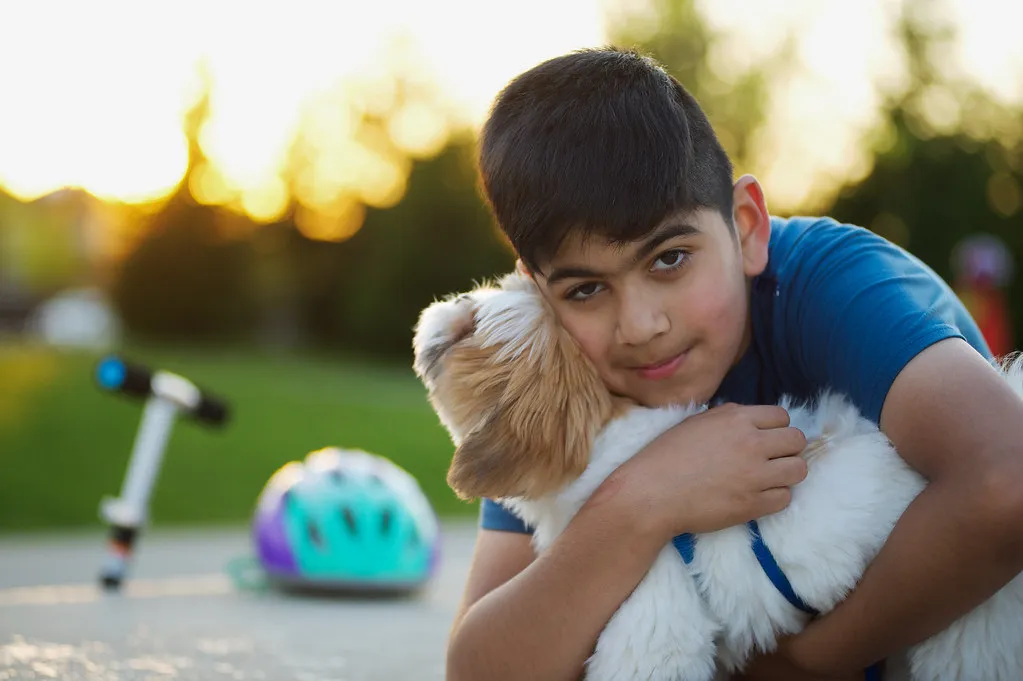
Children should not be allowed to hug dogs. They are more likely to misread a dog’s body language, squeeze too tightly, or put their face close to the dog’s mouth, all of which increase the risk of a bite from a dog that feels trapped.
It is estimated children have a roughly fifty percent chance of being bitten by a dog at some point, and children between five and nine years old are the most likely age group to be bitten. Most often, these bites come from a dog they already know or live with.
While a dog might show warning signs before a bite or growl, children may not be able to interpret a dog’s body language. Supervision and clear guidance are essential in any home where kids and dogs share space.
Some Dogs Tolerate It, Few Truly Enjoy It
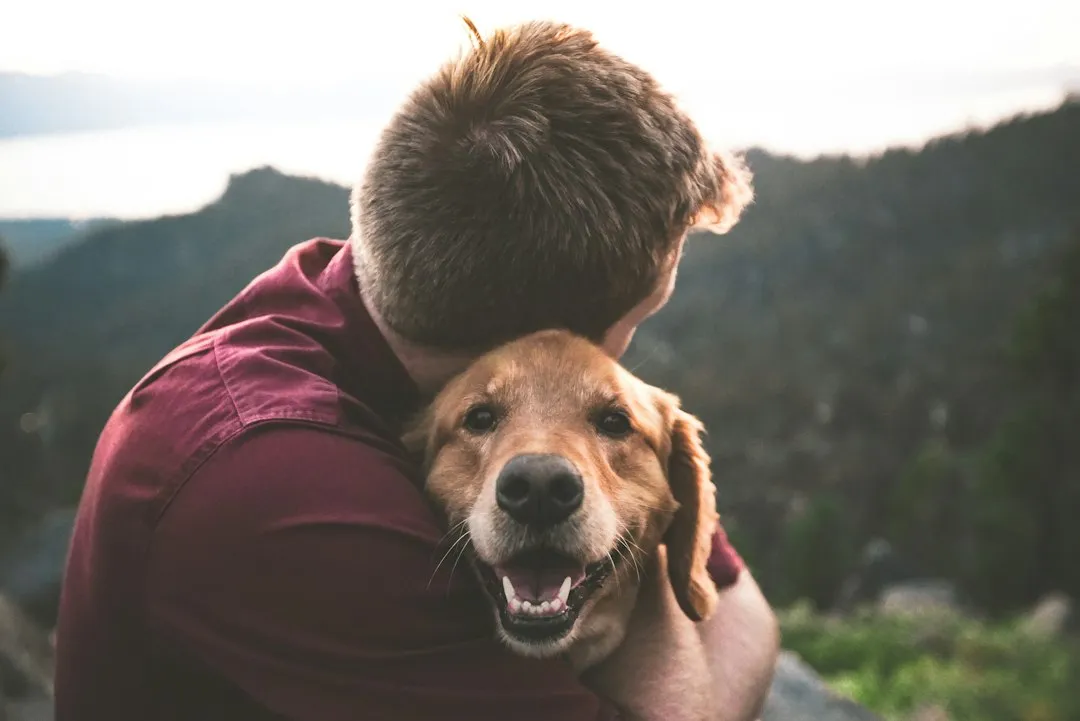
A small number of dogs may tolerate or even seem to enjoy hugs, especially if they were introduced gradually. However, most dogs don’t naturally interpret hugs as affection, and many simply put up with them rather than enjoy them.
Studies show that for a dog, interacting with a favorite human may increase oxytocin levels, but a hug, which a dog might actually interpret as restraint, from that same person may cause fear, stress, and tonic immobility. The key word there is “restraint.”
Tolerance is not enthusiasm. A dog that holds still during a hug has learned that the fastest way back to normal is to wait it out. That’s a form of stress management, not a sign of affection.
Better Ways to Show Your Dog You Care
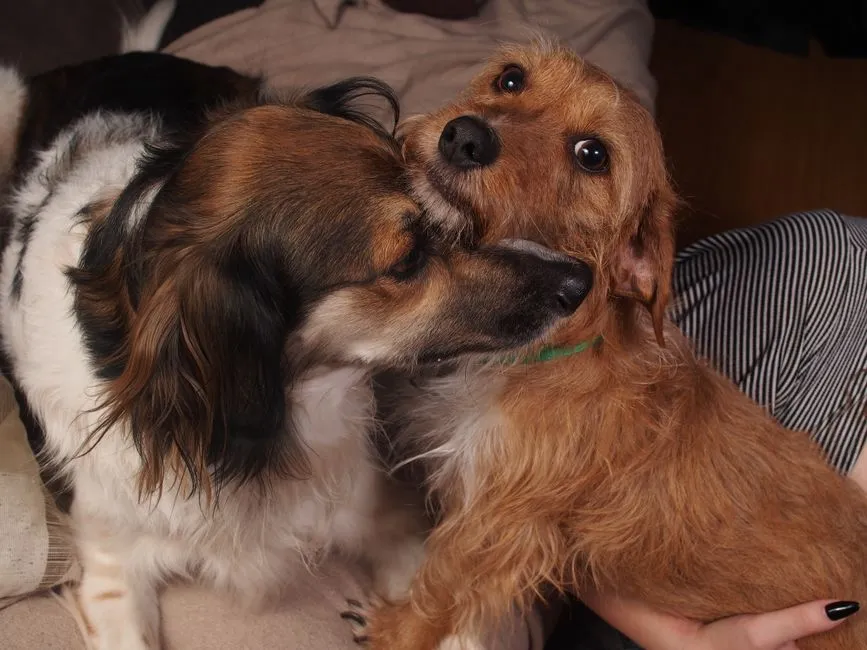
Many dogs prefer affection that gives them a choice, which may include sitting beside their owners, leaning in, being gently petted, or choosing to rest nearby. These low-pressure forms of contact respect the dog’s need to move freely.
Many dogs are perfectly content to lie at your feet on a soft bed or pillow, relaxing nearby while keeping an eye on you. Offering your dog their favorite toy, taking them for a walk, or playing a game of fetch or tug of war are all simple ways to strengthen your bond without creating stress.
One practical approach some experts recommend is a simple three-second rule: gently stroke your dog for around three seconds, then pause. If the dog leans in, nudges for more attention, or remains relaxed, they may want the interaction to continue. If they move away, lick their lips, or disengage, it’s a sign they’d prefer some space. That kind of small, attentive gesture goes further than any hug.
What This Means Going Forward

The research on this topic is now consistent across multiple studies and methods, from still photographs to video analysis to behavioral assessment. The conclusion isn’t that dogs don’t love their owners. It’s that they show and receive love differently than we do.
A pilot study in which videos of dog and human interactions were observed expressed concerns about miscommunications between humans and dogs creating welfare risks and negatively affecting the human-dog bond. While we’re expressing love and affection when we hug a dog, the dog is actually experiencing stress, triggering appeasement gestures or even defensive behaviors.
Understanding what your dog is actually feeling, rather than what you hope they’re feeling, is one of the more meaningful things you can do as an owner. The bond doesn’t get weaker when you stop hugging. In many cases, it quietly gets stronger.
AI Disclaimer: This article was created with the assistance of AI tools and reviewed by a human editor.