
Step into a dark room and most younger adults barely notice. They might slow down slightly, reach for a wall out of habit, and keep moving. For many people over 65, that same moment can feel genuinely precarious. The floor seems uncertain, the body wants to sway, and a simple nighttime trip to the bathroom becomes a calculated act.
This isn’t just a matter of poor night vision. Something deeper is happening inside the aging body, a quiet unraveling of the three interconnected systems that keep humans upright. Understanding why darkness exposes that unraveling so immediately tells us a lot about how balance actually works, and why it becomes fragile in ways that aren’t always obvious from the outside.
Balance Is a Three-System Job

Maintaining balance requires reliable sensory input from the visual system, the vestibular system in the inner ear, and the somatosensory system, which includes proprioceptors that sense position and movement in the legs and body. These three systems work as a kind of chorus. When one falls silent, the other two compensate. The trouble with aging is that all three tend to decline at the same time, just at slightly different rates. Darkness doesn’t cause balance problems in older adults. It simply removes the one crutch that had been quietly doing the most work.
Vision Does More of the Work Than Most People Realize
Elderly adults show age-related decline across multiple sensory systems and a reduced ability to adapt to changes in their environment to maintain balance, and they are particularly dependent on vision to maintain postural stability. This dependency is the core issue. As the vestibular system and proprioception gradually weaken with age, the brain compensates by leaning more heavily on visual cues to stay upright. Remove the lights, and suddenly the most relied-upon backup system goes offline.
Reduced spatial and scotopic contrast sensitivity secondary to aging leads to increased difficulty seeing in dimly lit or dark environments. So even when some light is present, older eyes don’t process it the way younger ones do. The combination of visual dependency and reduced low-light vision creates a compounding problem that doesn’t exist to the same degree in younger adults.
The Vestibular System Quietly Deteriorates with Age
Falls are a common cause of injury in older adults, and age-related declines across sensory systems are associated with increased falls risk. The vestibular system is particularly important for maintaining balance and supporting safe mobility, and aging has been associated with declines in vestibular end-organ functioning. The vestibular system sits in the inner ear and acts like a gyroscope, detecting tilt, rotation, and linear movement. When it weakens, the body loses a critical source of real-time orientation data.
During passive movements in the dark, self-motion perception is thought to be largely informed through vestibular inputs. This is exactly why darkness is so revealing. In a lit room, visual input masks vestibular weakness. In the dark, the vestibular system has to carry the load, and if it’s compromised, the body has very little to fall back on.
Hair Cell Loss in the Inner Ear Is at the Heart of It
Vestibular dysfunction resulting in dizziness, vertigo, and falls is prevalent in elderly people, and loss of sensory hair cells from the sensory balance epithelia of the inner ear may be a major contributor to this complex degenerative condition. These hair cells are microscopic structures that translate physical movement into neural signals. Once they’re gone, they don’t grow back in humans. Regeneration of hair cells in the vestibular system of mammals has been reported, but the capacity to do so spontaneously is severely limited, so that vestibular functional deficits resulting from hair cell loss are also permanent.
Samples obtained from the oldest patients revealed a significant loss of hair cells across the tissue surface. This slow attrition is one reason vestibular decline is often gradual and invisible until a moment of stress, like being plunged into darkness, makes the deficit impossible to ignore.
Proprioception: The Body’s Internal GPS Loses Signal
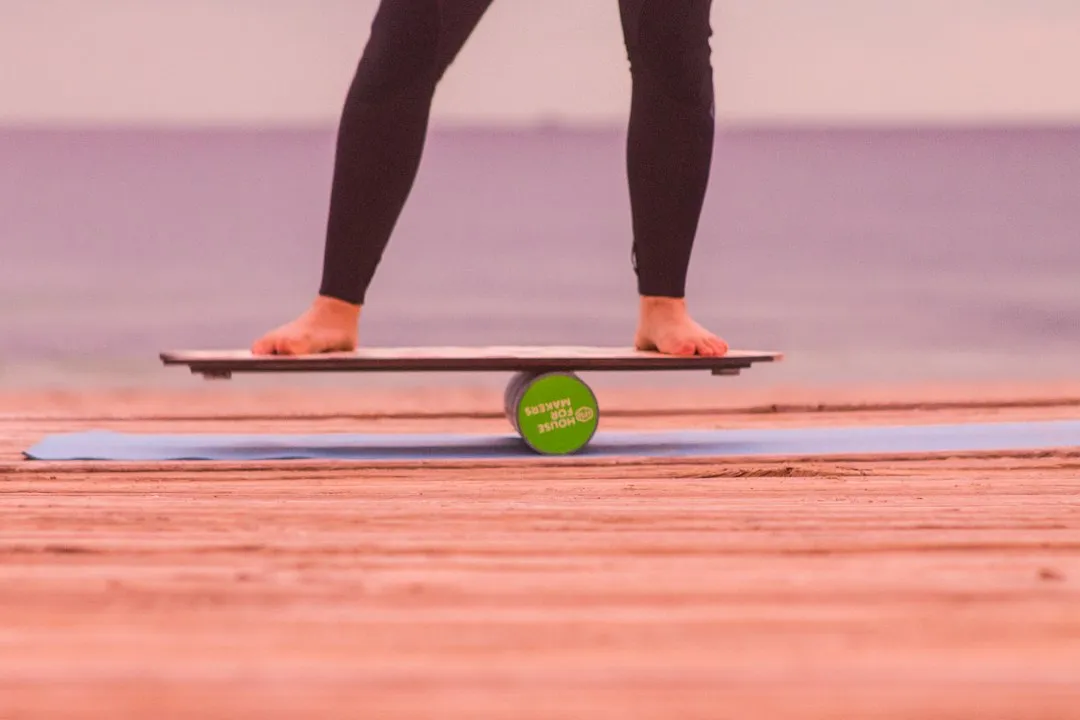
Aging-related sensory deteriorations are significantly associated with poor balance control among older individuals, resulting in a higher risk of falling in a dark environment. In particular, the proprioceptive system plays a critical role in maintaining balance. Proprioception is the body’s sense of where its own limbs and joints are in space, even without looking at them. It’s what lets you walk in the dark without falling, assuming it’s still working.
Research revealed that many older adults had reduced muscle spindles at low and high frequencies in their lower legs and trunk. Muscle spindles are tiny sensory organs embedded in muscles. When they degrade, the feet and ankles stop sending accurate position signals to the brain. Due to aging-related proprioceptive and vestibular deteriorations, older adults in a moderate or high level of physical activity still exhibited poorer balance control in standing, characterized by increased magnitude and irregularity of center of gravity displacement, compared to young adults.
The Brain Struggles to Fuse Conflicting Signals
When the three balance systems provide slightly different information, the brain must weigh them and pick the most reliable source. In younger adults, this sensory fusion is fast and automatic. In older adults, the process becomes error-prone. In older individuals, more brain areas are activated during vestibular orientation tasks, especially the postcentral gyrus of both sides and the right middle frontal gyrus. Recruiting more brain regions to do the same job suggests the system is working harder to compensate for weaker inputs.
In the dark, when visual input drops to near zero, the brain must suddenly recalibrate its weighting in real time. If the remaining systems are already degraded, that recalibration can be too slow, or simply wrong. The body sways. The person grabs for something to hold onto.
The Scale of the Falls Problem
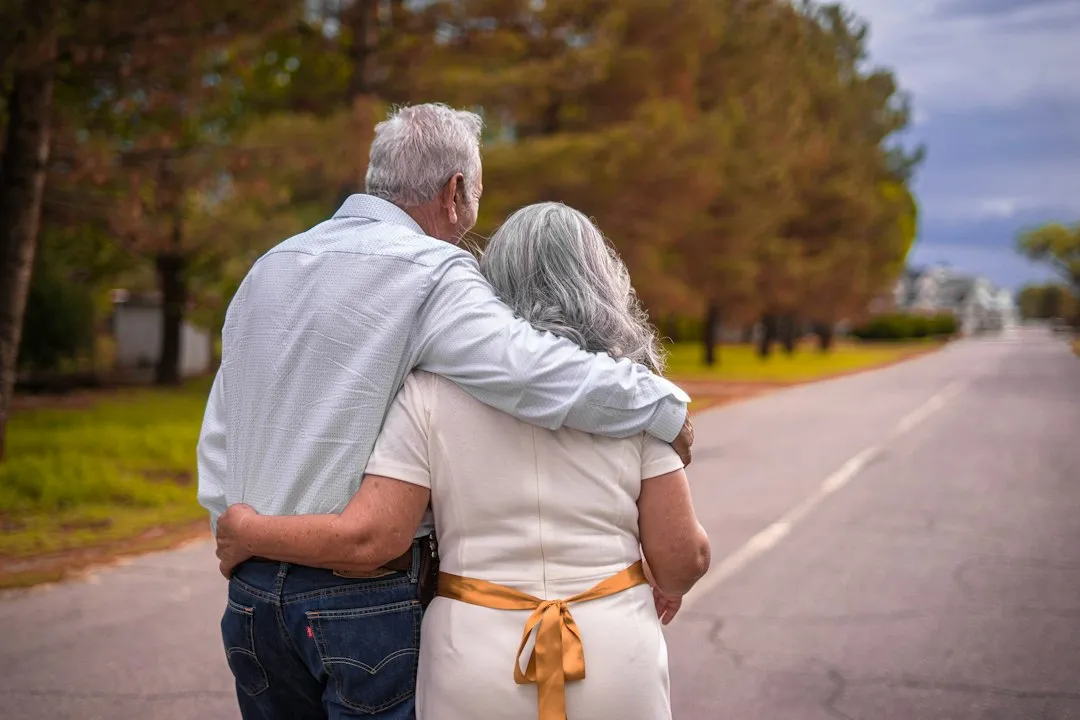
Falls are the leading cause of injury in those 65 and older, with more than 14 million older adults reporting falling each year in the United States. One in four adults aged 65 or older report falling each year, but less than half tell their doctor. The age-adjusted fall death rate increased by 21 percent from 64.7 per 100,000 older adults in 2018 to 78.4 per 100,000 in 2024.
Falls have become the leading cause of accidental death among individuals aged 65 and older, with approximately 30 percent falling annually, potentially resulting in severe fall-related sequelae and significant economic burdens. Those numbers include daytime falls, but nighttime falls carry their own particular danger. Darkness is more likely, help is less available, and reaction time is slower after waking from sleep.
Roughly Half of Older Adults Already Have Measurable Sensory Deficits
Approximately half of older adults aged 60 and above demonstrate varying degrees of sensory deficits, leading to a higher risk of falling and reduced quality of life. This figure is striking because most of those people don’t know it. Sensory loss in the vestibular and proprioceptive systems tends to be gradual and silent. There’s no sharp pain, no sudden symptom. The deficits only announce themselves when something removes the compensatory crutch, and in practice, that crutch is often vision.
Aging-related proprioceptive and vestibular deteriorations result in a higher risk of falling in a dark environment, and the proprioceptive system plays a critical role in maintaining balance. The fact that this risk exists even in active, healthy older adults makes it a population-wide concern, not just a clinical one.
What Exercise and Training Can and Cannot Do
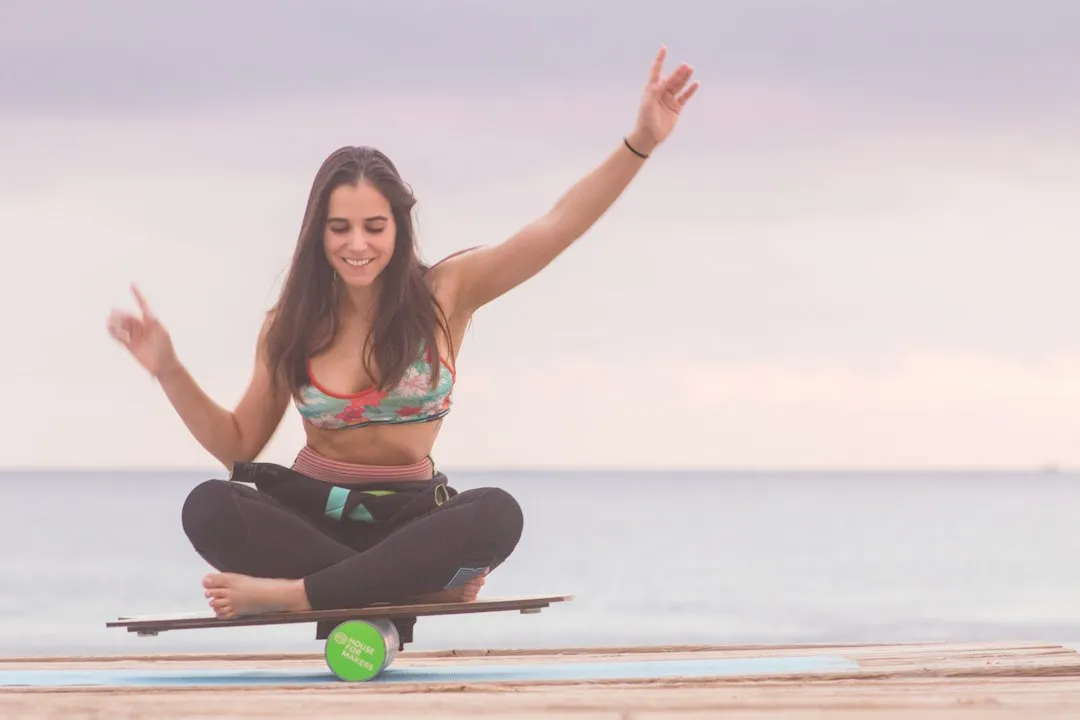
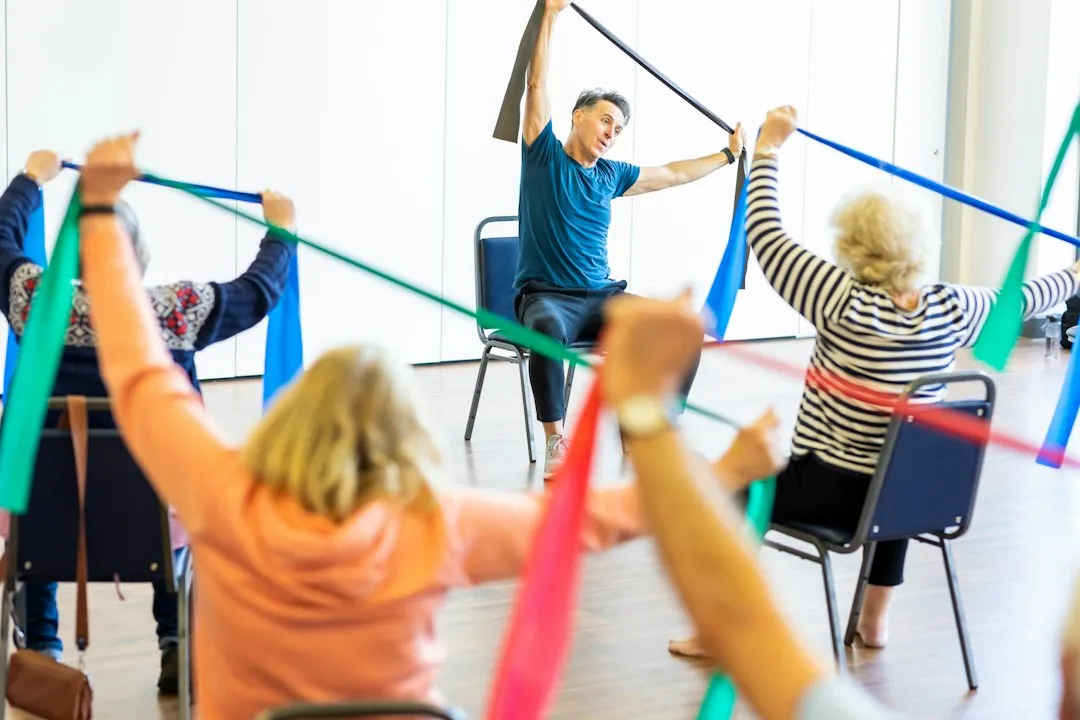
Physical activity helps, but it has limits. Research consistently shows that exercise can slow the rate of sensory decline and improve postural muscle response. Balance training, Tai Chi, and targeted proprioceptive exercises have all shown measurable benefits in reducing fall risk. However, the underlying structural losses in the inner ear and peripheral sensory neurons cannot be fully reversed through training alone.
Even older adults at a moderate or high level of physical activity still exhibited poorer balance control in standing compared to young adults. Exercise is a meaningful intervention, but it works better as prevention than as a cure. Starting early, before deficits become severe, is where the evidence is strongest. The body’s balance architecture is far easier to maintain than to rebuild.
Practical Implications for Safer Nights
The research has clear practical consequences. Nightlights along hallways, non-slip surfaces in bathrooms, and bed rails are not small comforts. They’re genuine fall-prevention tools. Dizziness is the most common reason for visits to a general practitioner among those over 60 years old, and balance disequilibrium is a significant contributor to falls in the elderly. Yet many of these visits happen after a fall rather than before one.
Simple home modifications, combined with regular vestibular and balance assessments from a physician or physical therapist, can significantly reduce nighttime fall risk. The goal is to reduce dependence on any single sensory system while ensuring the environment compensates for the deficits that training alone can’t fix. Keeping at least one reliable source of ambient light, even dim, gives the aging visual system enough input to help stabilize the whole system.
The Takeaway
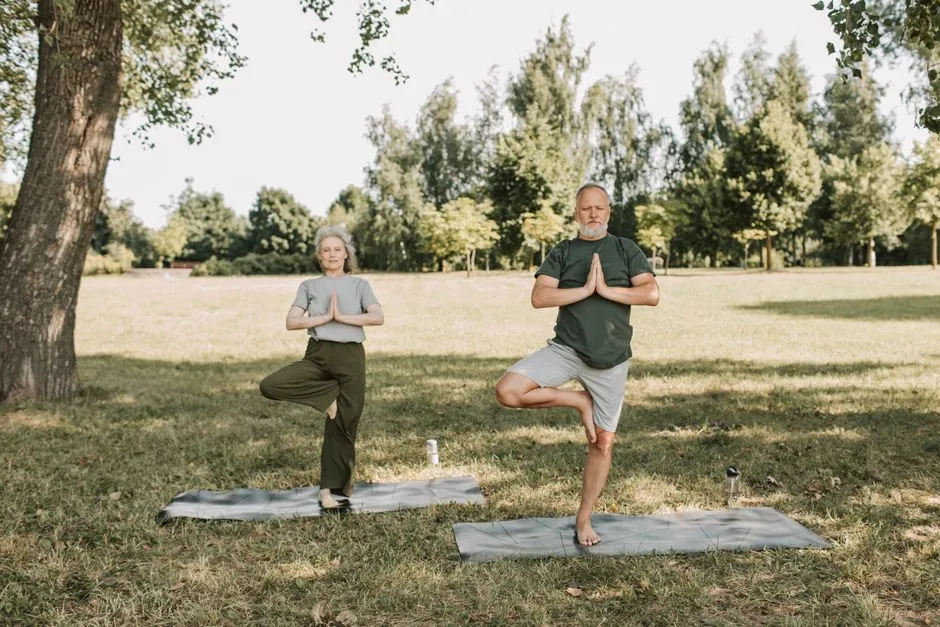
The reason darkness hits older adults harder isn’t mysterious once you understand the architecture of balance. Vision has been quietly covering for a weakening vestibular system and diminishing proprioception, often for years. Turn off the lights, and the scaffolding comes down. What remains is whatever the inner ear and the body’s position sensors can still offer, and in many cases, that’s not quite enough.
That’s not a story of sudden fragility. It’s a story of gradual, compensated decline that darkness simply makes visible. Knowing that is genuinely useful because it points to where interventions, both environmental and clinical, can do the most good. The dark doesn’t create the problem. It just stops hiding it.
AI Disclaimer: This article was created with the assistance of AI tools and reviewed by a human editor.