
The Temperature Problem Nobody Talks About
Butter is one of the most crucial components in cookie baking. Its quality, and perhaps even more importantly, its temperature, can make or break a batch. Most recipes say to use “room temperature butter,” and most bakers assume that means leaving it on the counter for a while. That assumption causes more ruined holiday cookies than almost any other factor.
When professional pastry chefs and recipe developers write “room temperature,” they are referring to a very specific, scientifically ideal temperature range: 65°F to 67°F. That’s noticeably cooler than most people’s kitchens, especially during the holidays when the oven has been running for hours.
If your butter hits 72°F, which is the actual temperature of most modern, climate-controlled homes, it is already too warm for proper cookie baking. At 75°F, it is a disaster waiting to happen. The margin between “perfect” and “ruined” is genuinely that narrow.
What “Too Warm” Actually Does to Your Dough
If butter is too warm, it won’t properly cream with the sugar and the cookies may end up over-spreading or deflating. This is not a minor cosmetic issue. It changes the entire structure of the finished cookie.
Melted butter, or even warm butter, in combination with sugar made batter runnier. The melted butter also struggles to lift and lighten the cookies. This in turn means your cookies will be chewier and have more of a brownie-like consistency.
One of the biggest mistakes bakers can make is over-softening butter, which leads to over-spreading, toughness, and oily cookie batches. During the holiday season, when a warm kitchen is practically a given, over-softening happens fast and quietly.
The Finger Test: How to Know When Butter Is Right
To ensure your butter is ready for mixing, lightly press on the stick. If your finger sinks in easily and the butter spreads, it’s too soft. If there’s resistance and a shallow finger impression, it’s still too cold. If your finger creates an indent that remains firm without spreading, you’ve found the Goldilocks zone for baking.
Butter at room temperature should have no visible melting, and your finger can make an indent into the butter without sliding all the way through. It should hold its shape, not slump. This quick physical check takes three seconds and can save an entire batch.
Why Cold Butter Is Just as Bad
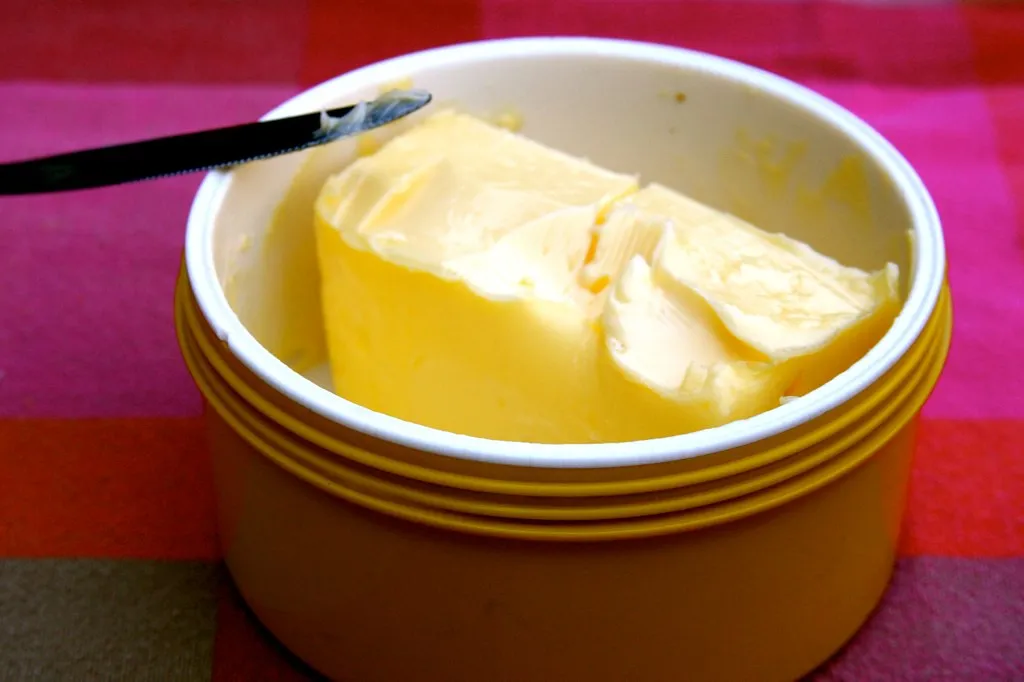
Cold butter right from the fridge will also change the texture of your cookies. The cold butter will be harder to mix with the sugar. The butter and sugar won’t be as well incorporated into the dry ingredients, and instead you will be left with pockets of butter throughout the dough.
Adding cold butter right from the fridge to your cookie dough is a terrible idea. Cold butter will not be able to mix properly with other ingredients and will leave you with undesirable and inconsistent results. It also resists aeration entirely, which leads to cookies that are dense and often unevenly baked.
Not only will this leave you with less dough for cookies, it will also lead to a dense, crispier texture. For holiday cookies, where softness and lift are usually the goal, that’s rarely what anyone is after.
The Science of Creaming: Where the Magic Actually Happens
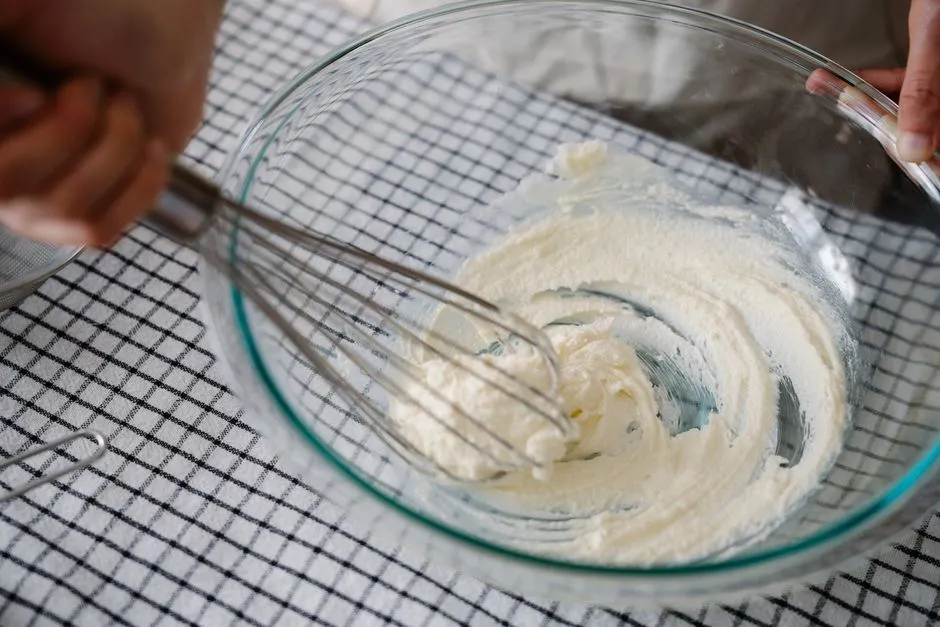
When you beat butter and sugar together in a cookie recipe, you’re not just combining ingredients. You’re aerating the dough, creating tiny pockets of air that puff up once the cookies hit the oven. When not done properly, your cookies will end up dense and flat.
Butter and sugar are creamed together as a crucial step in determining the structure and texture of your cookie. Sugar incorporates air into the butter, a form of mechanical leavening, to provide rise without the use of a chemical reaction. This is why the creaming step should never be rushed, even when company is coming.
When heated, the trapped air expands and lifts the cookie from inside. This directly influences height, softness, spread, and crumb structure. Get the butter temperature wrong, and the entire aeration process collapses before the dough even goes in the oven.
The Microwave Shortcut That Backfires
Microwaving cold butter to soften it quickly is one of the most common holiday baking shortcuts. It’s also one of the most damaging. The microwave heats butter unevenly, melting the interior while the outside still looks solid. By the time you start mixing, the fat structure has already broken down in ways that are impossible to reverse.
Warm butter, including butter warmed in a microwave to soften it up, in combination with sugar made batter runnier. Even a few seconds too long in the microwave pushes butter well past the safe temperature window, and the dough will behave differently from that point forward.
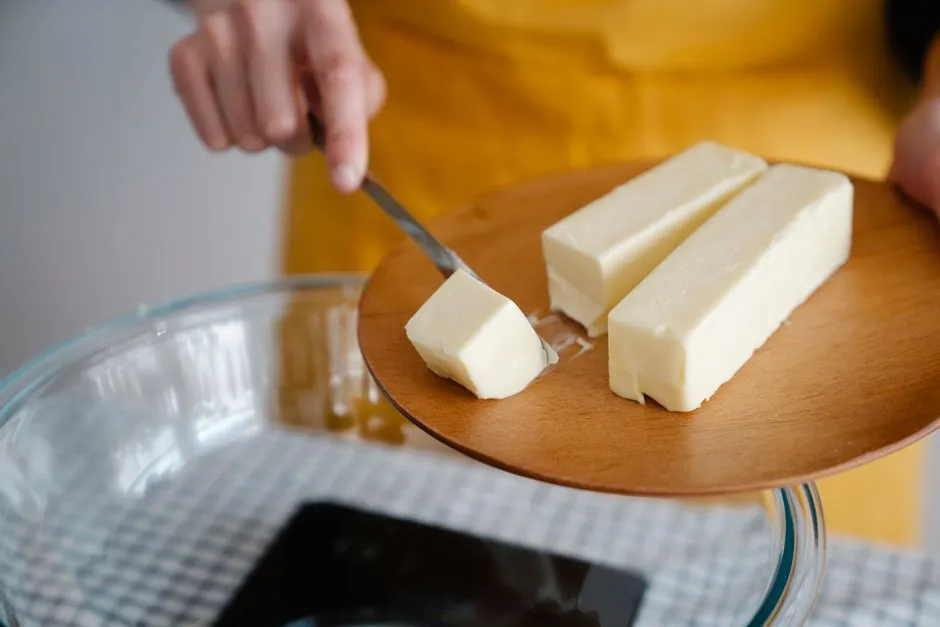
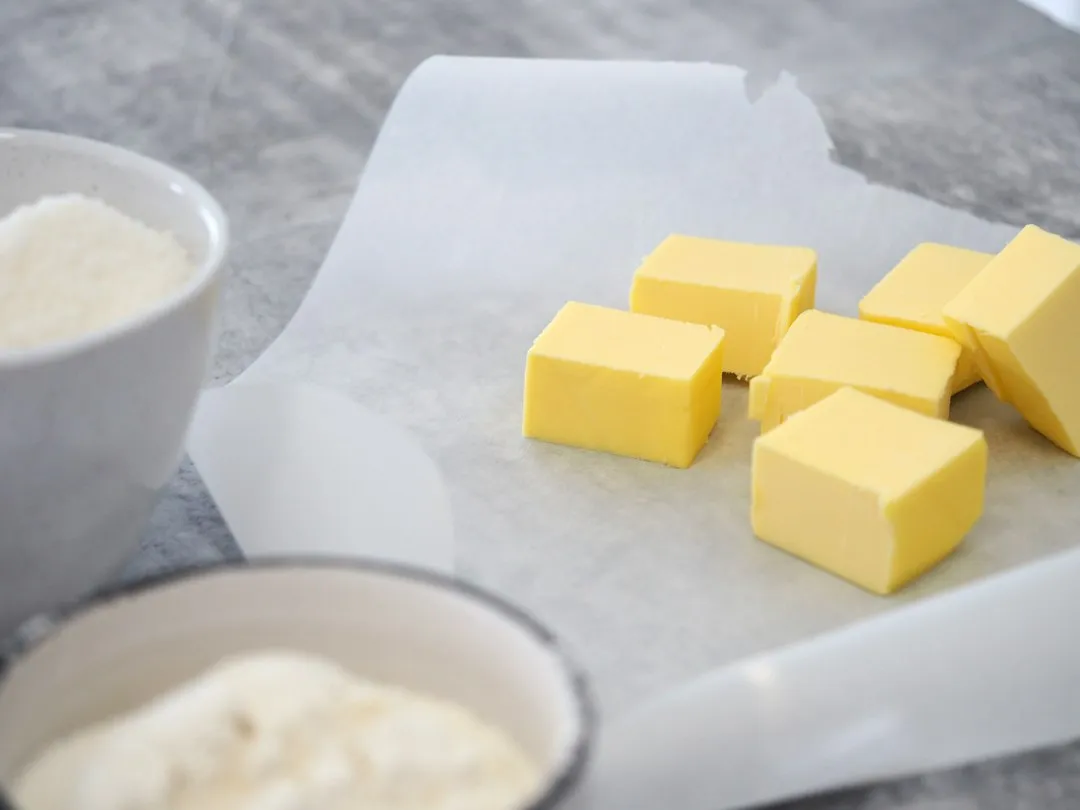
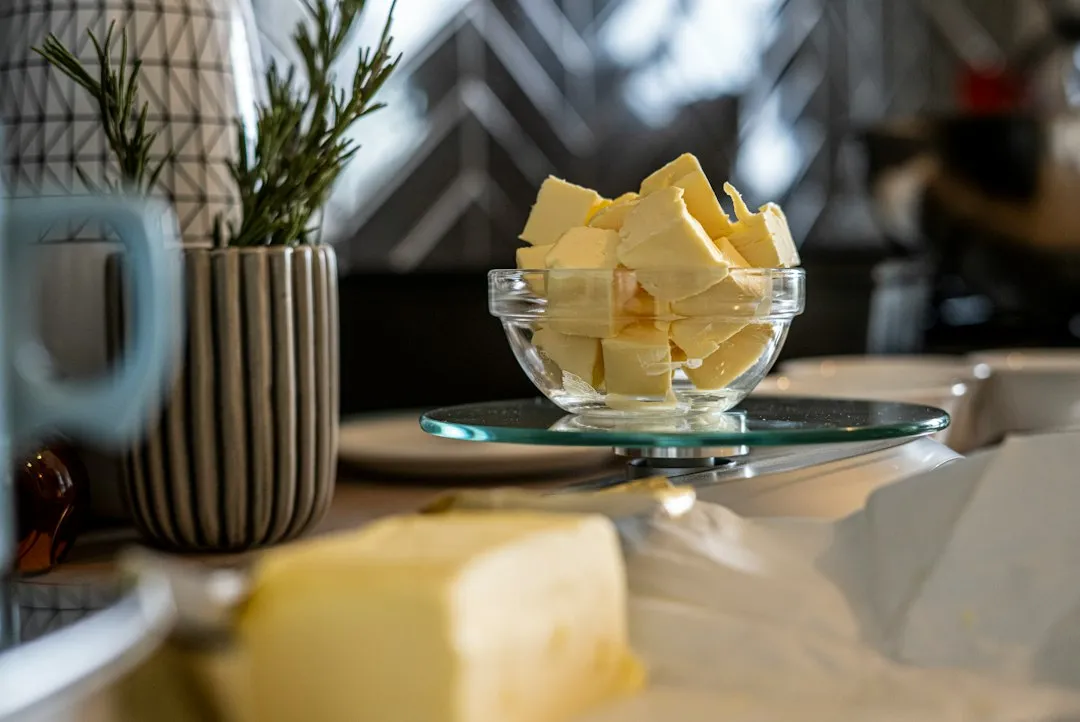
A reliable alternative is to cut the butter into small cubes and leave them at room temperature for 20 to 30 minutes. Cutting your butter up into smaller pieces before measuring anything else out allows it to warm up faster. It takes minimal effort and removes the risk entirely.
Fat Content Matters More Than Brand Loyalty
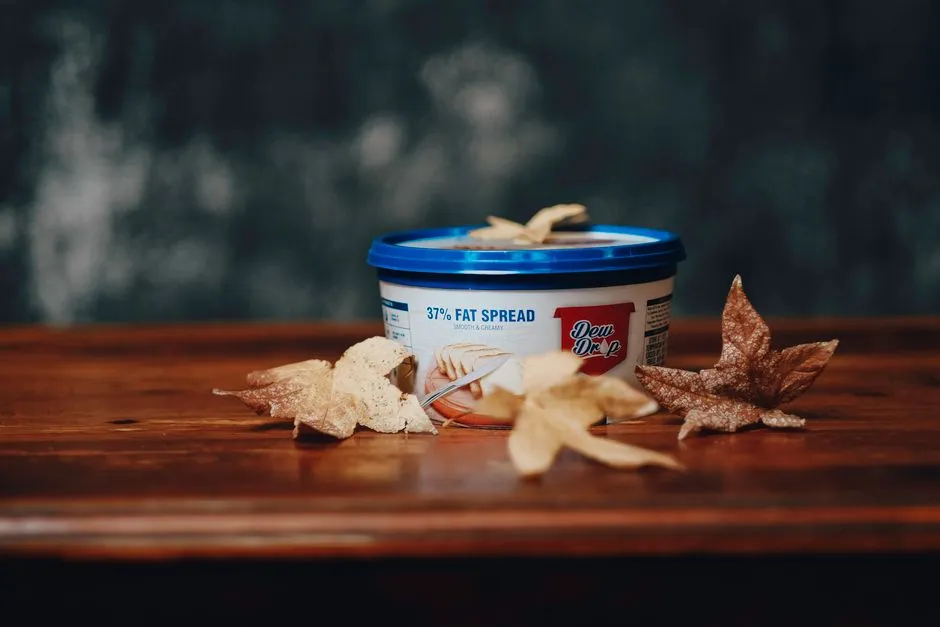
Butter is only about 80% fat. The remaining 20% is mostly water with some milk solids as well as any flavoring ingredients and salt, depending on the brand and style of the butter. That water content affects how much steam is produced in the oven, which in turn affects how the cookie rises and sets.
European-style butter has less water content, containing about 82 to 85% fat, depending on the style and brand. This difference, though it sounds small, produces noticeably richer, more tender results in shortbread, sugar cookies, and anything where butter is the dominant flavor.
Research published in 2025 in the journal Physics of Fluids by researchers from the University of Strathclyde confirmed that the vegan alternative with the highest fat content behaved like butter when baked and yielded the most positive feedback in taste testing. Butter typically has a fat content around 80%, and the group recommends choosing a vegan butter with a similar consistency. The fat percentage is the structural variable, not the brand name on the wrapper.
Salted vs. Unsalted: A Choice That Changes Everything
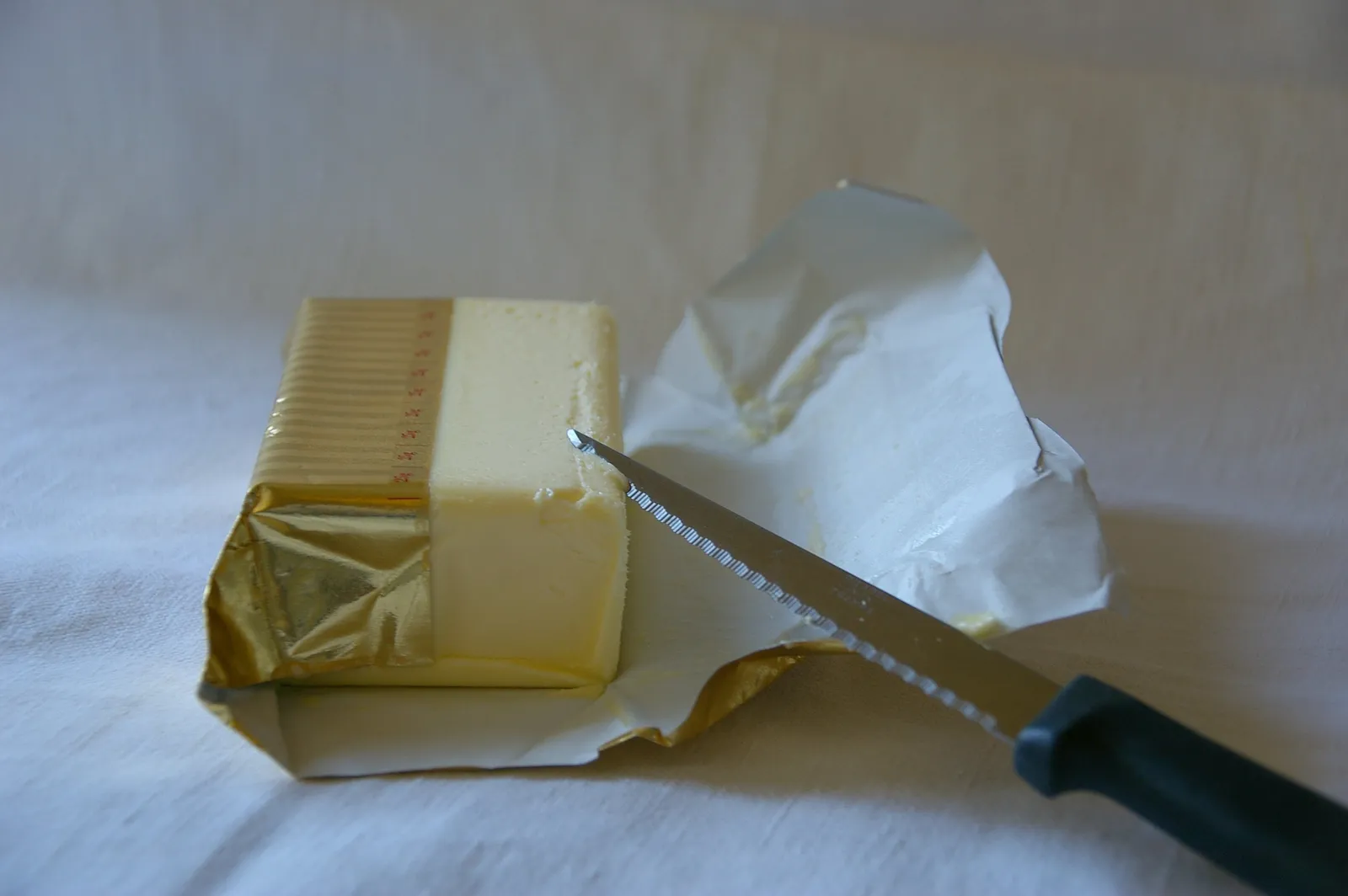
Most holiday baking recipes specify unsalted butter, and this is not an arbitrary preference. Salt content varies across brands of salted butter, which means using salted butter introduces an unpredictable amount of salt into the dough. In a recipe where precision matters, that variability can throw off the balance of flavors noticeably.
Unsalted butter also tends to be fresher. Salt acts as a preservative, which means salted butter can sit in a supermarket case longer. For holiday baking, where flavor is the entire point, starting with the freshest, cleanest-tasting fat possible gives every other ingredient a better foundation to build on.
The Holiday Kitchen Environment Is Working Against You
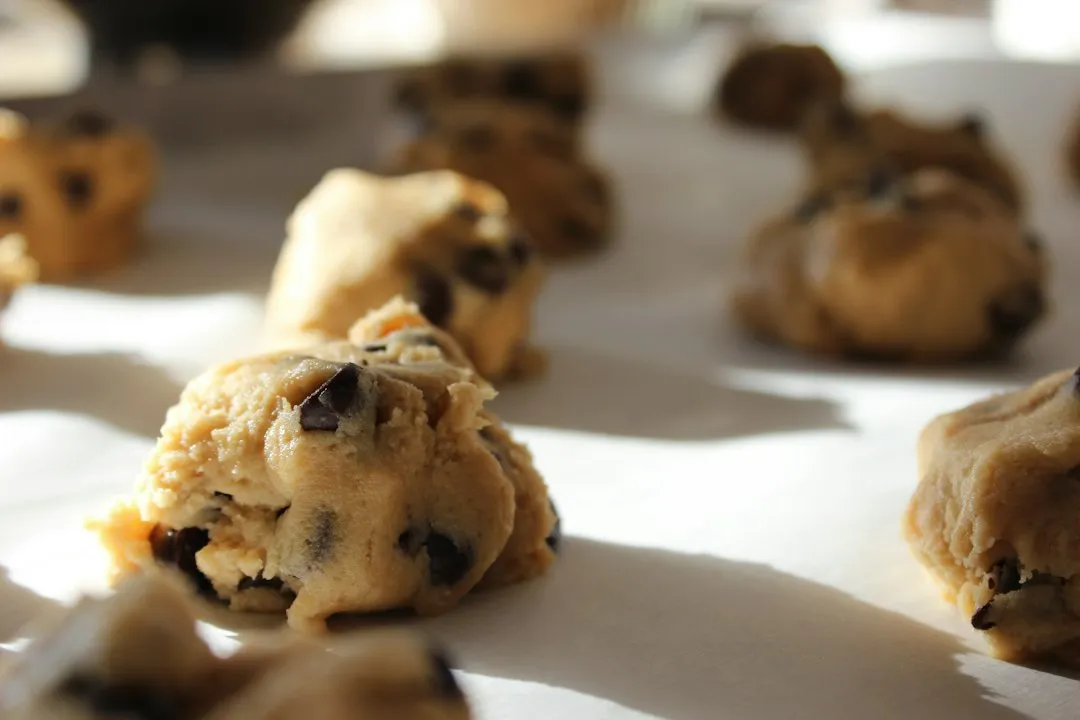
If you live in a drafty farmhouse in winter, your room temperature might be 62°F. If you are baking in a sweltering kitchen with the oven running, your room temperature could easily be 82°F. Those two temperatures will yield two entirely different chemical reactions in your mixing bowl.
Holiday baking sessions, by their nature, create warm kitchens. Several batches of cookies, a hot oven, and a full house of guests can push the ambient temperature well above the ideal 65°F range. Excessive spreading is a sign of “fat collapse,” which happens when the butter melts faster than the flour structure can set. If your kitchen is over 24°C, your dough is losing its thermal mass before it even enters the oven.
A practical fix is to chill the shaped dough before baking. It might be tempting to get your cookies into the oven as soon as possible, but if your cookie recipe includes a refrigeration step before baking, you shouldn’t overlook it. Even 15 to 30 minutes in the fridge after shaping gives the fat time to firm back up.
How the Butter Mistake Compounds Everything Else
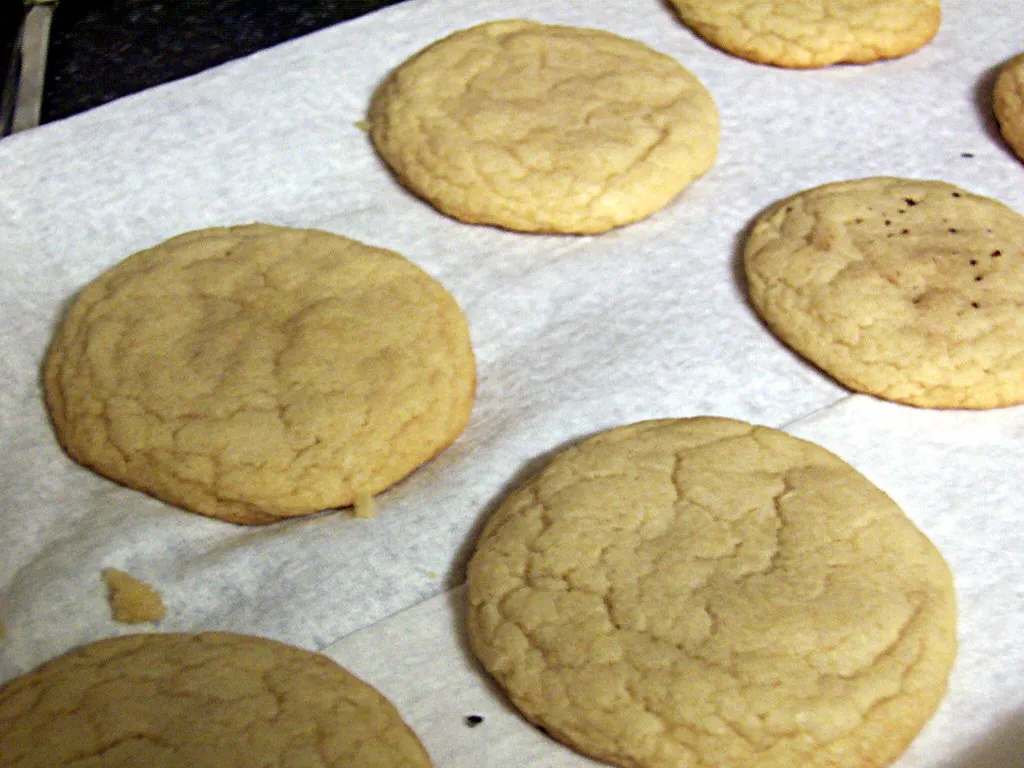
Incorrect butter temperature doesn’t just affect texture. It throws off the entire recipe’s chemistry. During the creaming process of mixing, butter, sugar, and eggs are beaten together to aerate dough, which helps to keep your cookies from becoming too dense. If the butter is wrong, that process fails, and no amount of extra flour or chilling time will fully compensate.
The creamed butter is important for distributing the fat throughout the recipe and keeping the texture consistent. When that distribution fails because the butter was too warm or too cold, the finished cookie has uneven texture, greasy patches, or hollow spots where air pockets collapsed.
If your butter and eggs are too cold or warm, your cookies might be unpleasantly hard, heavy, and greasy. This is the compounding effect of one small mistake. It doesn’t just make the cookie look different. It changes how it tastes, how it feels in the mouth, and how it holds up through the rest of the holiday weekend.
The Takeaway
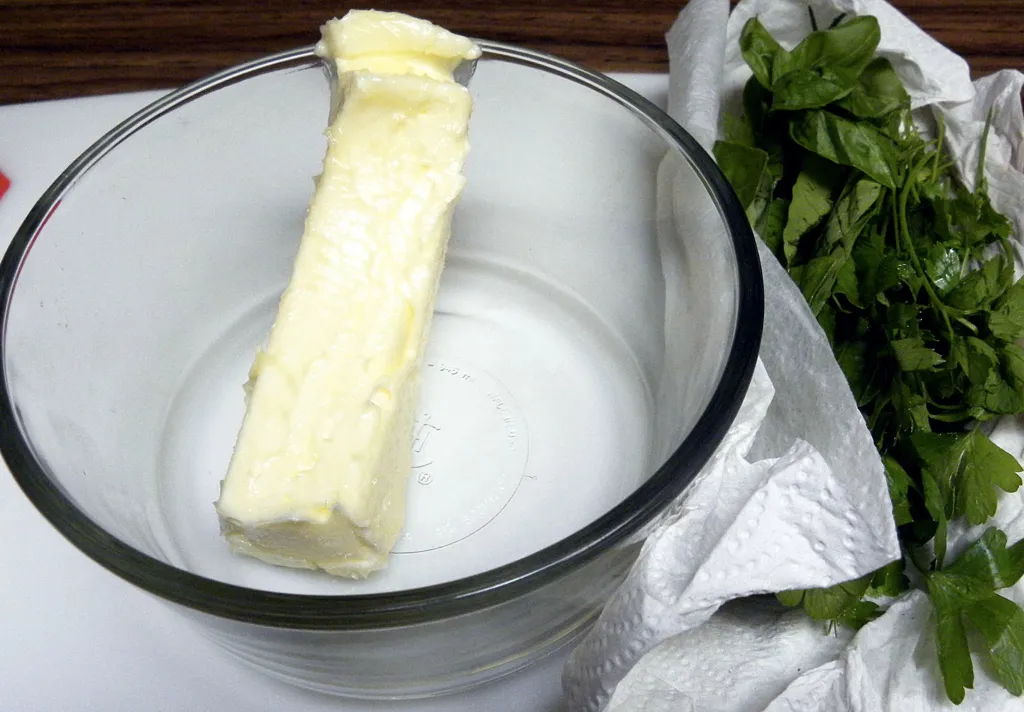
Butter is not a passive ingredient. It is the structural foundation of nearly every holiday cookie, and it behaves according to physics that don’t negotiate with time pressure or warm kitchens. The single most common reason holiday baking falls short isn’t a bad recipe or a cheap oven. It’s butter that was either too warm, too cold, or handled without understanding what temperature actually means in a baking context.
The fix is genuinely simple. Soften butter to 65 to 67°F to keep beta prime fat crystals intact. This allows the dough to trap air for a light, tender texture. Use a kitchen thermometer if you’re serious about consistency. Cut the stick into cubes rather than microwaving it. Check the butter with your finger before the mixer starts.
Small adjustments in how butter is treated before mixing can be the difference between cookies you’re proud to give as gifts and cookies that quietly disappear into the compost. The science has been there all along. It just takes a moment of patience at the counter to let it work.
AI Disclaimer: This article was created with the assistance of AI tools and reviewed by a human editor.