
What Pseudoephedrine Actually Is

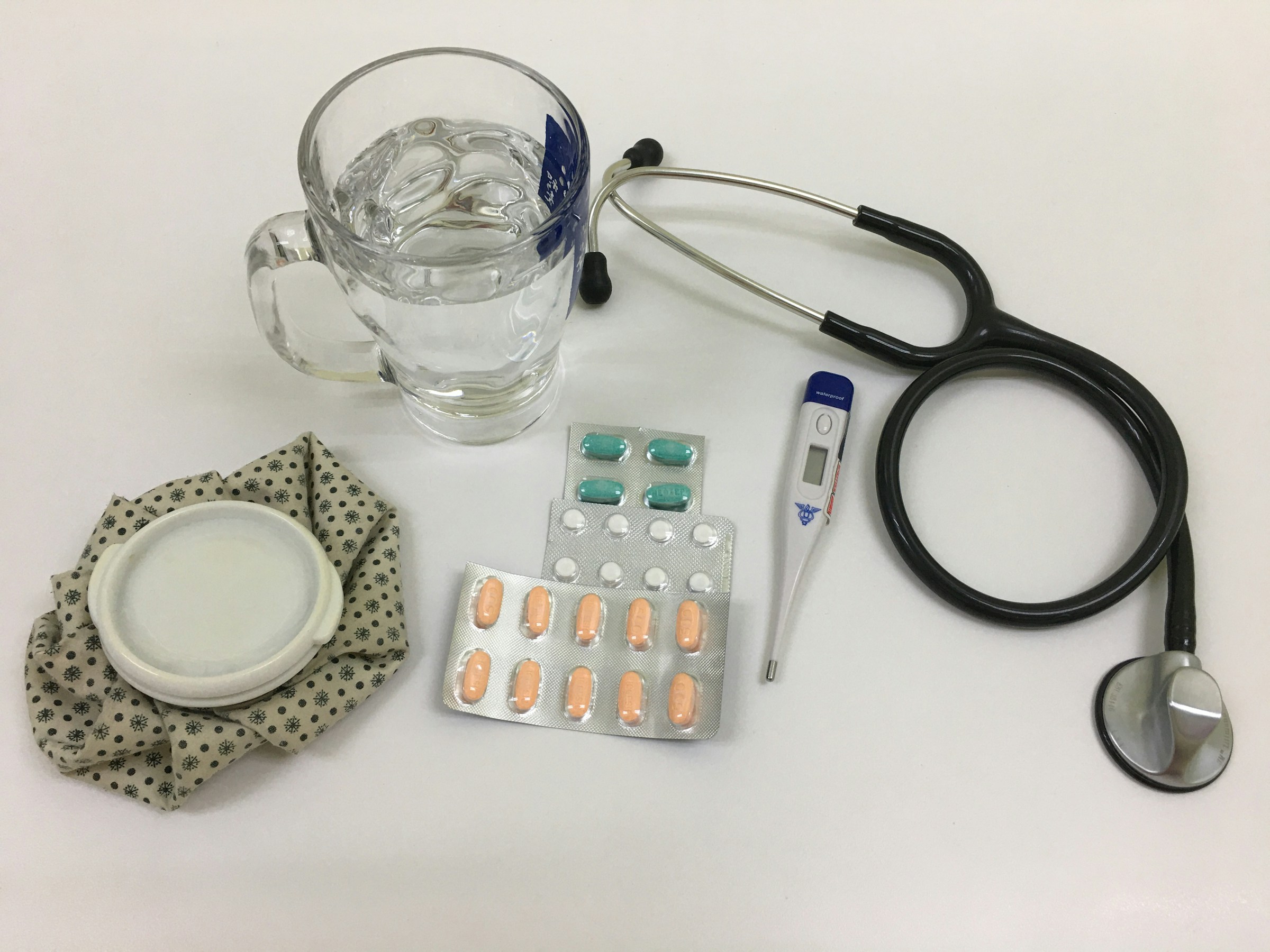
Pseudoephedrine is a commonly used decongestant found in many over-the-counter cold and allergy medications. It’s the active ingredient in well-known products like Sudafed, and it works fast enough that people tend to trust it. When you have a cold or an allergy attack, your white blood cells gather in your nasal passages and sinuses, causing nasal membranes to swell and increasing mucus production. Pseudoephedrine constricts these blood vessels, which decreases drainage.
Phenylephrine became the primary ingredient in over-the-counter cold medications after a 2006 law limited access to pseudoephedrine, which can be used as an ingredient for methamphetamine. That legal shift changed pharmacy shelves significantly, but pseudoephedrine never fully disappeared. It remains accessible behind the pharmacy counter in most places.
The Mechanism Behind the Blood Pressure Spike

Pseudoephedrine’s primary action is through its stimulation of alpha-adrenergic receptors, which are part of the sympathetic nervous system. This stimulation leads to vasoconstriction, or narrowing of blood vessels, resulting in increased vascular resistance and, subsequently, an elevation in blood pressure.
Pseudoephedrine activates your fight-or-flight system and constricts blood vessels, which raises both heart rate and blood pressure. The problem is that this effect isn’t limited to the nasal passages. Because of how it works, pseudoephedrine doesn’t just affect blood vessels in your nose – it can affect blood vessels throughout your body.
How Much Does It Actually Raise Blood Pressure?

Pseudoephedrine caused a small but significant increase in systolic blood pressure and heart rate, with no significant effect on diastolic blood pressure, according to a published meta-analysis. For most healthy adults, the increase is modest. Higher doses and immediate-release preparations were associated with greater blood pressure increases.
Pseudoephedrine, found in medications like Sudafed, is particularly potent and can increase systolic blood pressure by roughly ten to fifteen mmHg and diastolic pressure by five to ten mmHg in more sensitive individuals. One study published in The American Journal of Hypertension found that a 120 mg dose of pseudoephedrine raised systolic blood pressure by 4 mmHg in participants with normal blood pressure. These numbers may seem small, but context matters greatly.
Why People With High Blood Pressure Face Greater Risk

Certain cough and cold medications can increase your blood pressure, especially if you have pre-existing hypertension. Someone whose blood pressure is already elevated doesn’t need an additional push in the wrong direction. If you have high blood pressure, certain over-the-counter cold medications can raise your blood pressure further, which can be dangerous.
For people with hypertension or those at risk for cardiovascular diseases, the use of pseudoephedrine can be potentially dangerous. Even modest increases in blood pressure can contribute to the development of complications like heart attacks, strokes, or kidney damage over time. The risk scales up with how uncontrolled someone’s underlying condition is. People with uncontrolled or consistently high blood pressure, greater than 130/80 mm Hg, should contact their doctor before starting a decongestant.
The Immediate-Release vs. Extended-Release Difference
Immediate-release formulations significantly elevated systolic blood pressure, whereas the sustained-release formulations had no significant effect on blood pressure. This is a meaningful distinction that most consumers never consider when picking a product off the shelf.
The immediate-release products had a greater impact on heart rate and blood pressure than their 12-hour or 24-hour extended-release counterparts, which showed a smaller increase in blood pressure. If you do choose to use pseudoephedrine and have mild concerns about your cardiovascular health, the formulation you pick genuinely matters.
Rare but Serious: Strokes and Brain Complications

In recent years, there have been repeated reports of previously healthy, often young people suffering heart attacks, strokes, or other acute serious events after taking cold remedies containing pseudoephedrine. These cases are rare, but they are documented and taken seriously by regulators worldwide.
The European Medicines Agency’s safety committee started a review of medicines containing pseudoephedrine following concerns about the risk of posterior reversible encephalopathy syndrome and reversible cerebral vasoconstriction syndrome, conditions affecting blood vessels in the brain. In November 2024, Health Canada followed suit. Health Canada’s review confirmed that there is a rare risk of posterior reversible encephalopathy syndrome and reversible cerebral vasoconstriction syndrome associated with the use of pseudoephedrine-containing products.
What the FDA Said About Phenylephrine

A US Food and Drug Administration advisory panel reviewed recent studies and found that oral phenylephrine is no more effective than placebo for the treatment of nasal congestion. This was a significant development that caught many consumers off guard. On November 7, 2024, the FDA proposed ending use of oral phenylephrine products due to a lack of efficacy.
High doses of phenylephrine are associated with increased blood pressure. Yet ironically, at the standard doses found in cold remedies, it may not even clear congestion effectively. It is present in more than 200 cold remedy products worth nearly two billion dollars annually in sales, making this regulatory development one of the bigger shake-ups the cold medicine market has seen in years.
Drug Interactions That Amplify the Problem

Decongestants may make your blood pressure and heart rate rise, and they may also prevent your blood pressure medication from working properly. This double interference is something many patients don’t hear about from their prescribers until something goes wrong.
In healthy adults, this effect is usually mild and short-lived, but it can become significant if you have high blood pressure, heart disease, or arrhythmias, are older, take higher doses, or combine it with caffeine or other stimulants. The combination of pseudoephedrine and certain antidepressants known as monoamine oxidase inhibitors is particularly dangerous. Those taking monoamine oxidase inhibitors report increased systolic blood pressure of greater than 60 mmHg.
Who Should Be Most Cautious

People with high blood pressure, a history of strokes, or diabetes may be particularly susceptible to adverse effects from pseudoephedrine. Older adults also carry elevated risk, partly because cardiovascular conditions become more common with age and partly because kidney function, which helps clear the drug from the body, tends to decline.
The known safety profile of pseudoephedrine includes serious adverse drug reactions such as strokes, myocardial infarction, hypertensive crisis, or elevation in blood pressure. Regulatory bodies now require updated labeling to reflect these risks. Product instructions now state that pseudoephedrine should not be used in patients with severe or uncontrolled hypertension and severe acute or chronic kidney disease or failure.
Safer Alternatives Worth Knowing

Safer alternatives may include saline nasal sprays, antihistamines, or cold medicines labeled “HBP,” formulated for people with high blood pressure. These options don’t carry the same cardiovascular concerns and work reasonably well for most people managing everyday congestion.
Avoid using cough and cold medicine that contains NSAIDs or decongestants, especially pseudoephedrine. Ask your doctor for suggestions about other ways to ease congestion symptoms, such as antihistamines or nasal sprays. Nasal corticosteroid sprays, available over the counter, are also considered safe for people with high blood pressure and are effective with regular use.
The Takeaway

Pseudoephedrine is a genuinely effective decongestant – that part is not in dispute. The concern is narrower and more specific: for people with existing cardiovascular conditions, uncontrolled hypertension, kidney disease, or those on interacting medications, it carries real risks that a quick read of a cold medicine box might not convey.
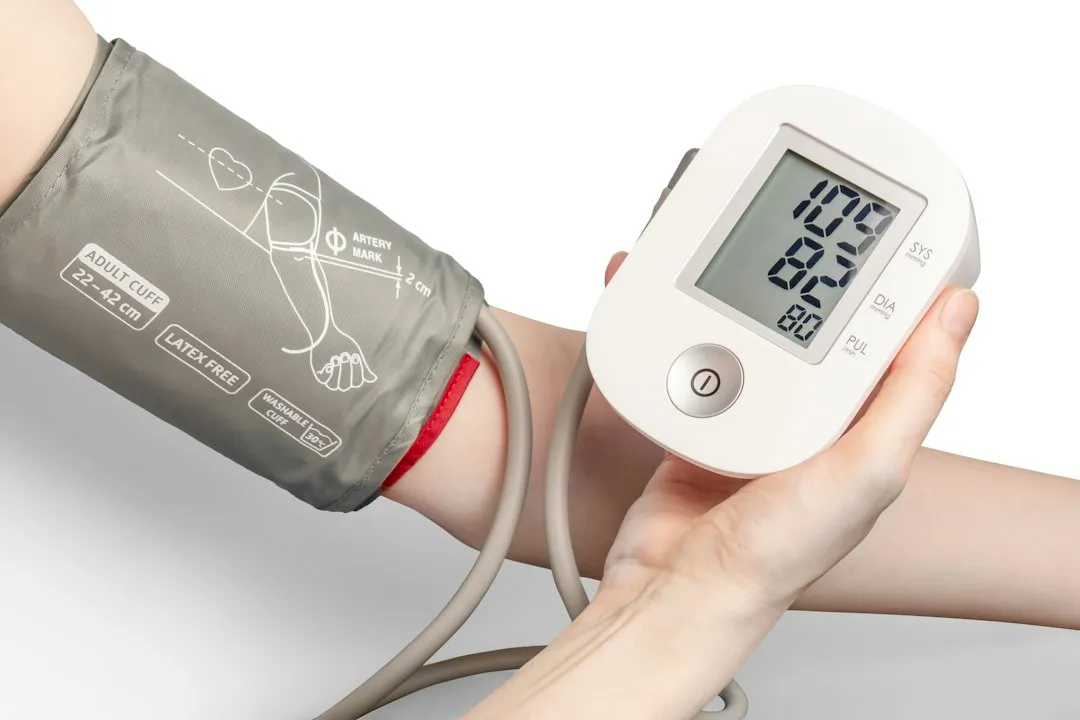
It’s important to be aware of the ingredients in the cold medicine you choose, and some products may have warning labels for people with high blood pressure. Reading those labels carefully is a small habit that can matter more than most people assume. Researchers recommend that people in higher-risk groups check their blood pressure an hour after taking a decongestant containing pseudoephedrine – a practical step that takes about a minute and can reveal a lot.
The broader lesson here is simple: over-the-counter doesn’t mean risk-free. Knowing what’s in your cold medicine, and how it interacts with your particular health picture, is always worth the two minutes it takes to find out.
AI Disclaimer: This article was created with the assistance of AI tools and reviewed by a human editor.