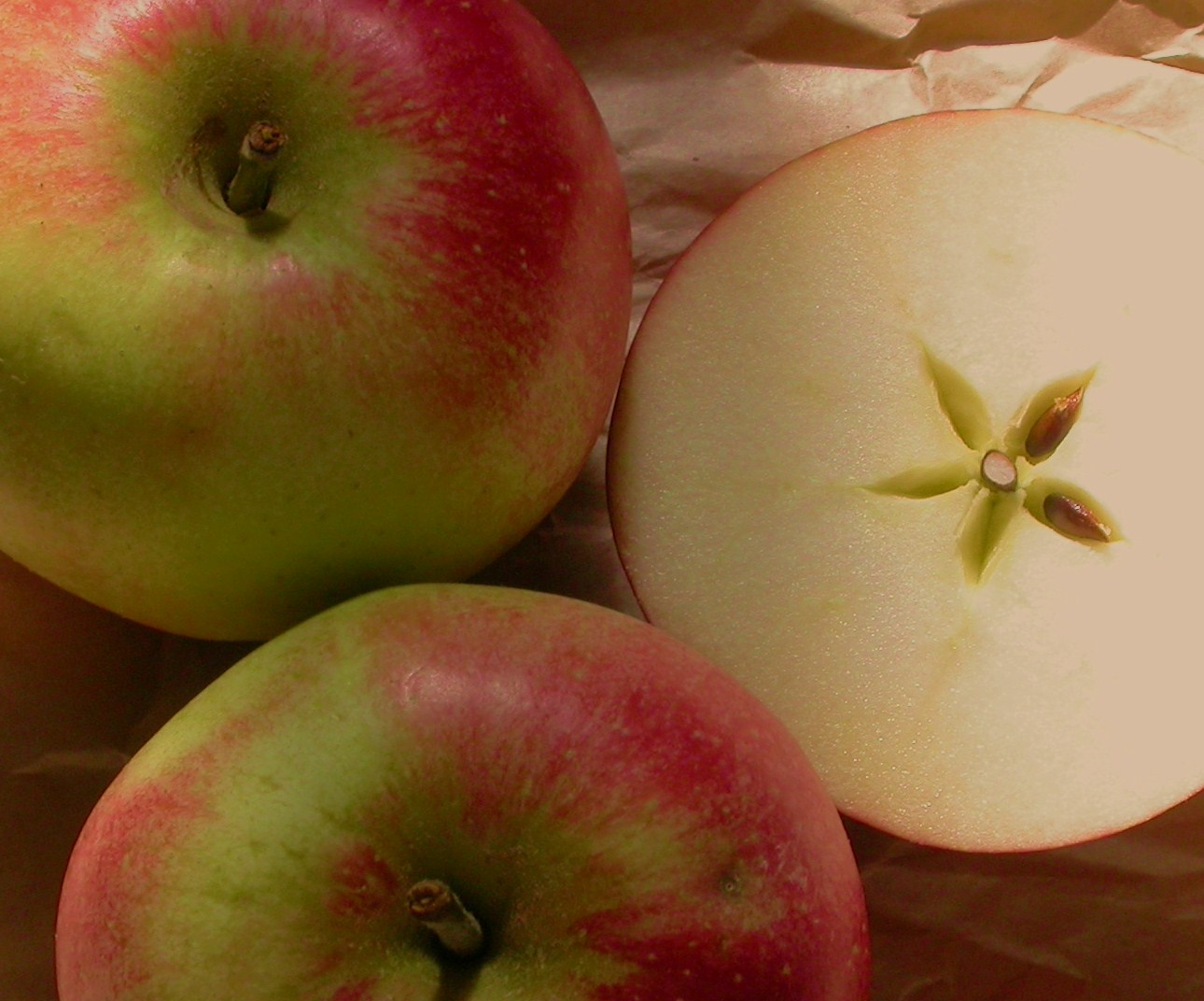

Fuji: The Undisputed Long-Haul Champion
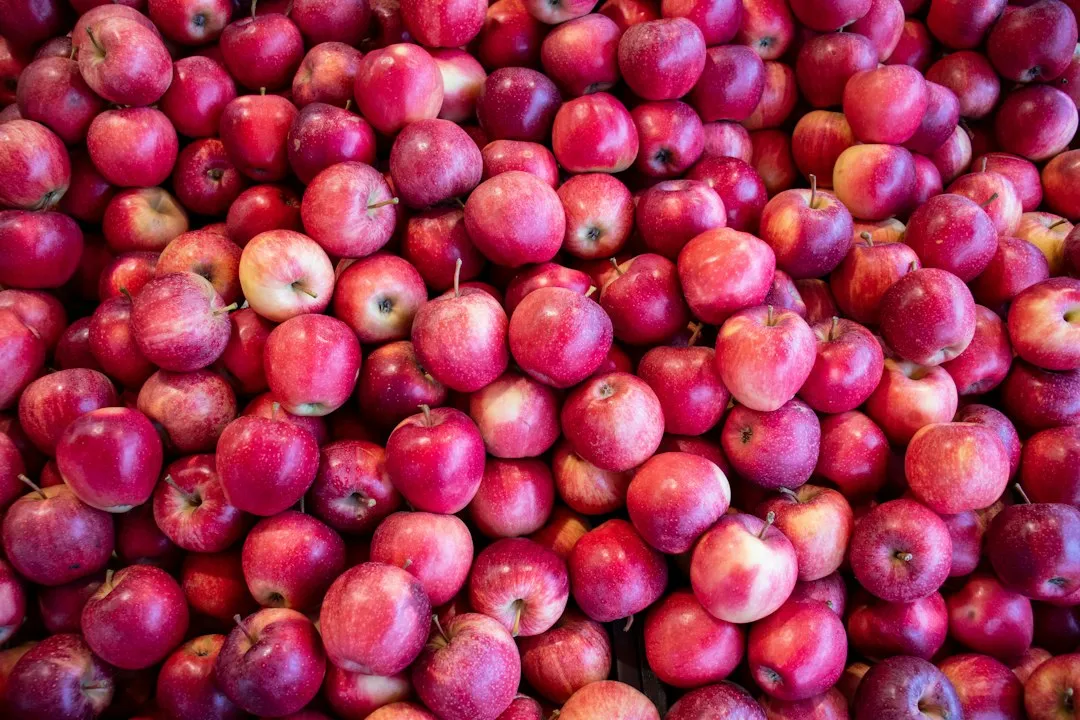
When it comes to sheer staying power, Fuji sits at the top of practically every storage list. According to USDA Agricultural Research Service, Fuji apples retain flavor and crispness for up to nine months after harvest, thanks to fruit storage methods developed by the ARS and now used by the apple industry. That’s not a marketing claim; that’s the result of six growing seasons of controlled research.
ARS scientists determined how Fuji responds to what’s called controlled atmosphere (CA) conditions, a technique used to extend storage life by modifying the concentration of the main gases naturally present in air, including oxygen, nitrogen, and carbon dioxide. At home, without a commercial CA room, with the right storage conditions, Fuji apples can still last up to nine months.
With their dense, crunchy texture and natural sweetness, Fuji apples can last for several months when stored properly, retaining their quality and flavor longer than many other varieties. Few other apples can make that claim with the same body of evidence behind it.
Cosmic Crisp: The Modern Keeper Built for the Long Game
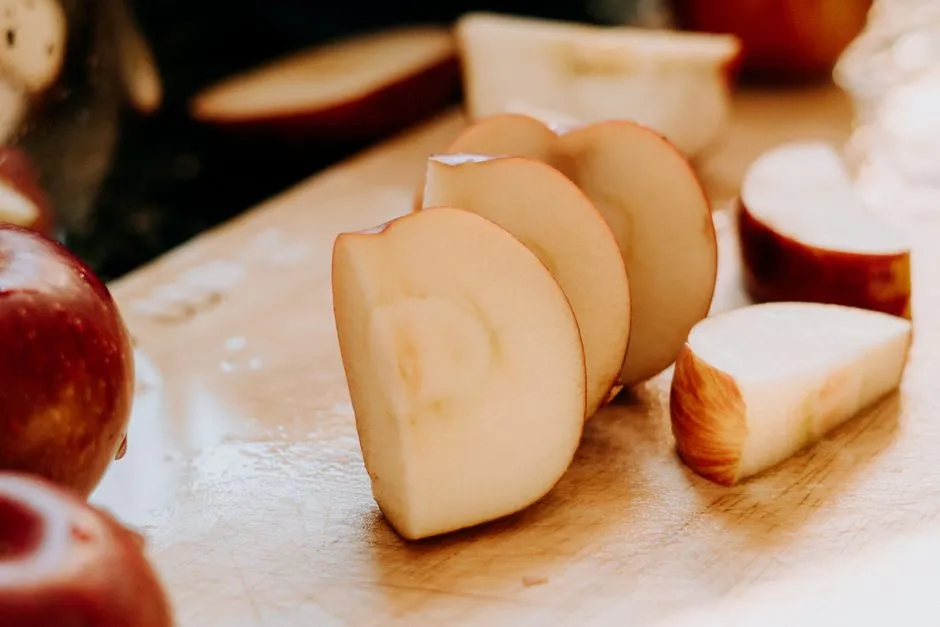
The Cosmic Crisp is a cross between Honeycrisp and Enterprise apples, intended to have the texture and juiciness of the Honeycrisp and the late-ripening behavior and long storage of the Enterprise. That goal was achieved in impressive fashion.
The Cosmic Crisp is characterized mainly by uniformly colored dark red skin, dense firm flesh, and an improved shelf life. It is capable of lasting in cold storage for more than ten months and does not brown quickly once cut open. That browning resistance alone makes it a practical win for both home kitchens and commercial produce departments.
According to the US Apple Association, the Cosmic Crisp continues to see growth in the American market as of the mid-2020s, and by 2025, enough Cosmic Crisp apple trees have been planted for the variety to be available all year round. Its storage endurance is a big part of why that year-round supply is even possible.
Granny Smith: The Tart Classic That Keeps Going
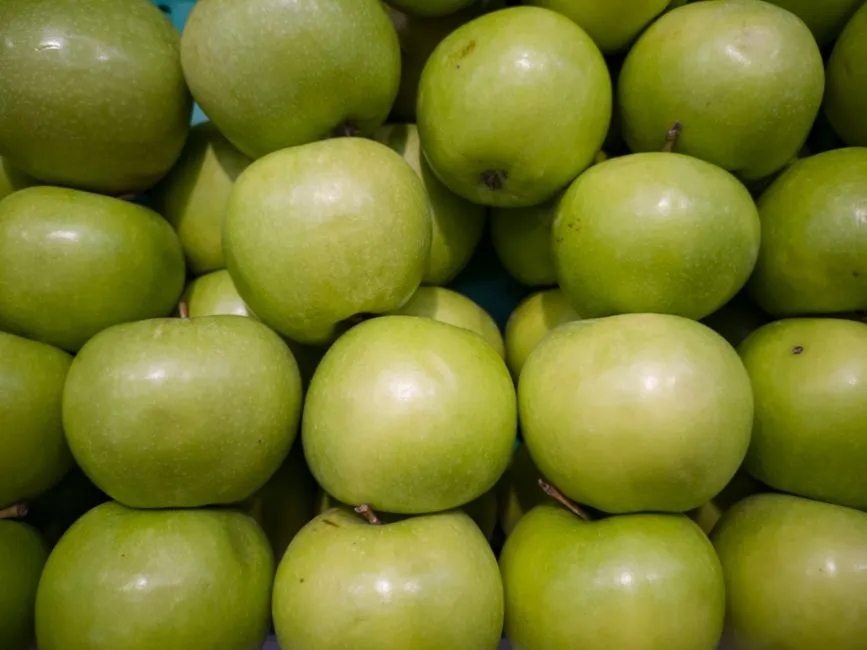
Granny Smith has earned its reputation as a baker’s apple, but its storage credentials are just as strong. Known for their firm texture and bright green skin, Granny Smith apples are excellent for winter storage and can stay fresh for up to six months when stored correctly.
In some growing zones, Granny Smith can still be harvested until January, and storing remarkably well, these fruits remain crisp in cold storage or refrigeration for up to six months. The high acidity that makes them taste sharp also functions as a natural preservative, slowing the breakdown of cell walls and keeping the texture firm.
You can sometimes assume that the later a variety ripens, the longer it will keep, and Granny Smith is one of the clearest examples of this pattern. Late harvest combined with thick skin gives it a real structural advantage over softer cultivars.
Braeburn: A Slow Ripener With Serious Staying Power
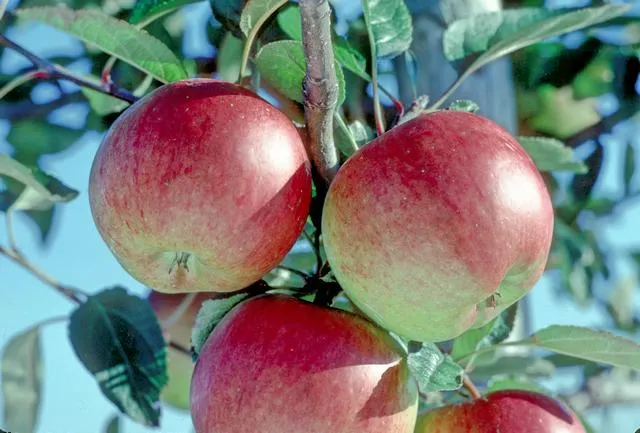
Braeburn tends to fly under the radar compared to flashier varieties, but it’s one of the most reliable long-term keepers available. Braeburn apples are large, firm apples with both sweet and tart flavor notes, and they can last up to one year with proper storage. That’s a remarkable shelf life for a fresh fruit.
Fuji, Braeburn, Pink Lady, and Kanzi consistently perform well in long-term storage, often remaining firm and flavorful well past what most people would expect. Braeburn’s slightly waxy skin and dense flesh reduce moisture loss, which is one of the key reasons apples go soft over time.
Documented records show Braeburn storing until May to June under good conditions. For a variety that’s harvested in October, that’s a storage run of roughly seven months. Not many fruits can claim anything close to that.
Winesap: The Old-Time Heirloom That Outlasts Modern Varieties
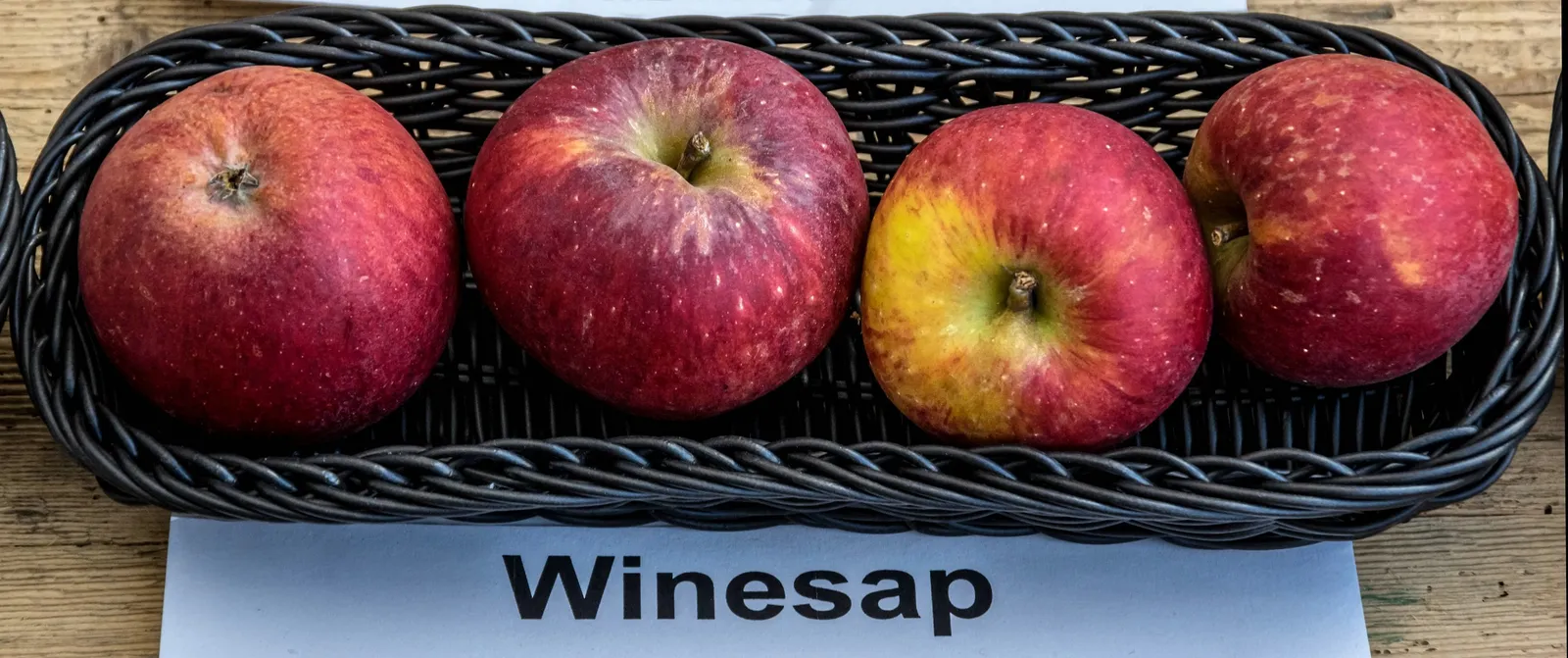
Winesap has been grown in American orchards for over two centuries, and its longevity in storage is part of why it survived so long. One of the very best storage apples, it is reputed to store until June, though the best storage variety is the old-time heirloom rather than newer versions labeled under the same name.
Fuji is one of the longest-keeping varieties on many lists, but Haralson and Stayman Winesap are also excellent choices, both keeping for six months or more. The Stayman Winesap, a close relative, is especially valued for its balance of flavor and durability.
Winesap’s flavor, which is often described as spiced and wine-like, actually deepens with time in storage rather than fading. That’s relatively rare. Most apples grow blander as weeks pass, but a well-stored Winesap in February can taste better than it did at harvest.
Arkansas Black: Dark Skin, Slow to Soften
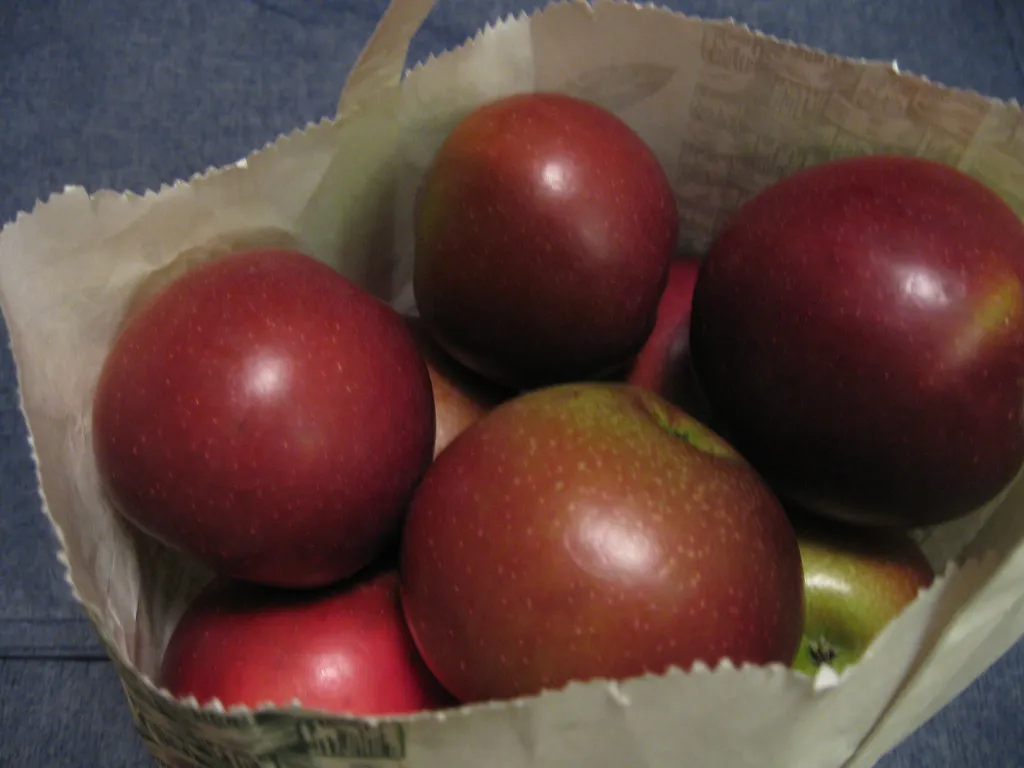
Arkansas Black is one of the most visually striking apples you’ll find, and its appearance matches its toughness in storage. The Arkansas Black Apple produces dark red, nearly black fruit, and this antique variety is a hardy and long-lived tree with a flavor described as wine and honey, with hints of almonds and a mild vanilla finish.
It develops its best flavor after being stored chilled for a couple of months, where it darkens and ripens into a sweeter profile, and can store for five months or more. Like Winesap, this is a variety where patience in storage is genuinely rewarded.
Arkansas Black is ready to pick in October to November, one of the last apples of the season, and with good storage conditions it can be stored for up to six months. That puts a well-handled Arkansas Black comfortably into April or May.
Northern Spy: A Late Harvester Worth the Wait
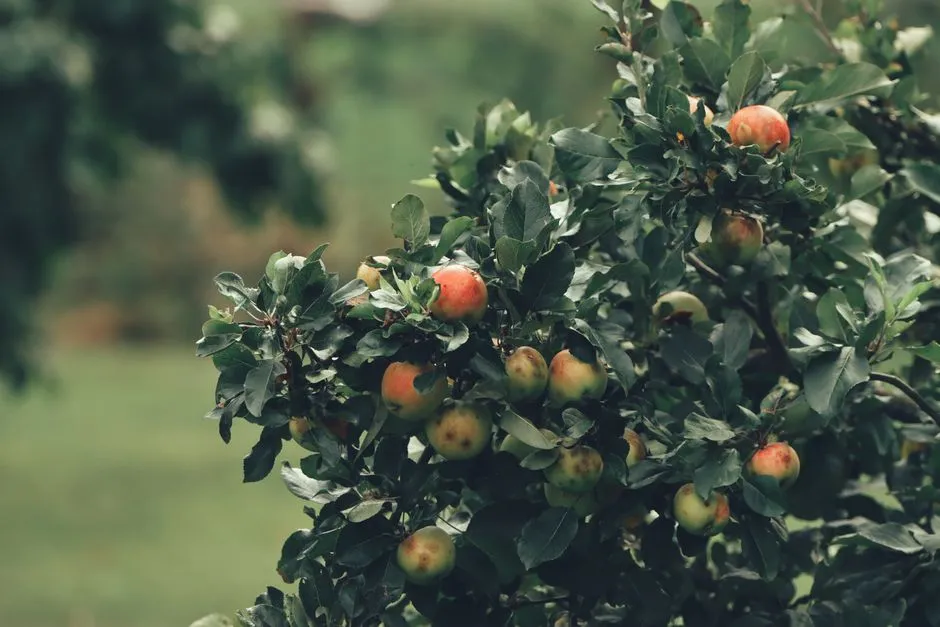
Northern Spy has a long history as a storage apple, partly because it ripens so late in the season that it enters the cellar already pre-conditioned by cooler temperatures. Northern Spy produces fairly late in the season, in late October and beyond, and its white flesh is juicy, crisp, and mildly sweet with a rich, aromatic subacid flavor, noted for high vitamin C content.
Northern Spy, recognized as an Ontario late keeper, stays on store shelves from October to May. That’s a commercial window of roughly seven months, which confirms what home growers have known for generations.
If handled well and not bruised, Northern Spy will store until spring. The thin skin is its main vulnerability. Bruising accelerates breakdown, so careful handling at harvest matters more for this variety than for most others.
Pink Lady: High Acidity, Long Shelf Life
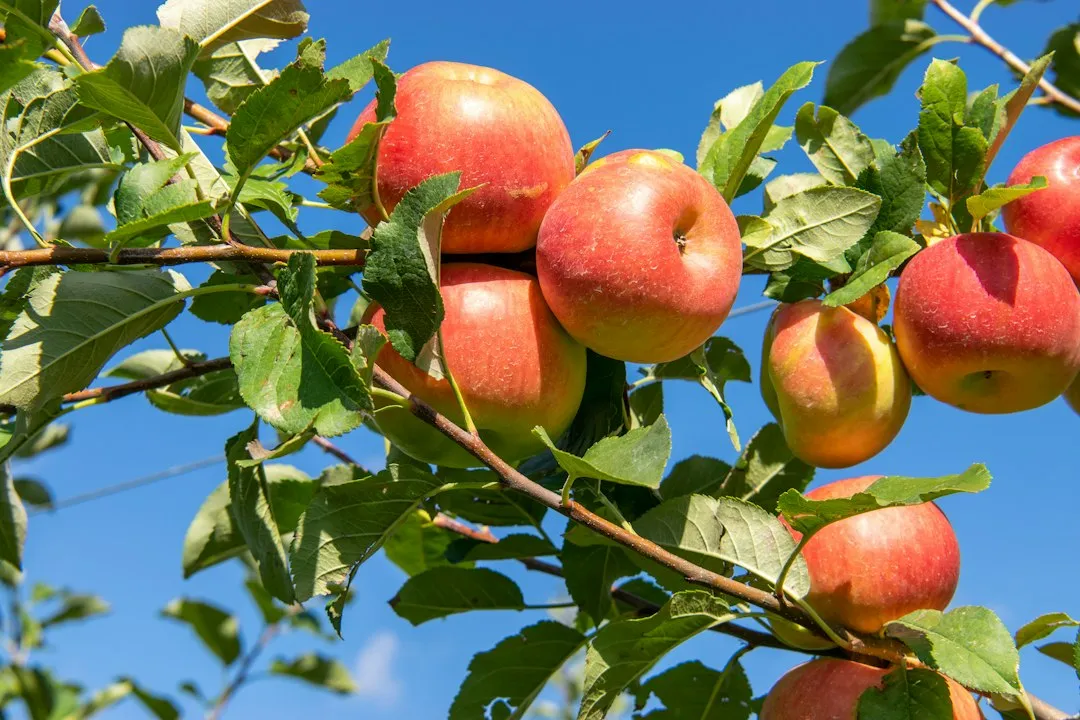
Pink Lady, also known by its trademarked name Cripps Pink, is harvested later than almost any other commercial apple. That late timing gives it an inherent storage advantage. Fuji and Pink Lady store very well and may be perfectly good into spring. The combination of high sugar and high acid content keeps flavor from going flat even after months of cold storage.
The apple varieties that store best for the longest time are late-season cultivars with firm flesh, high acidity, and low ethylene production, and Fuji, Braeburn, Pink Lady, and Kanzi consistently perform well in extended storage trials. Pink Lady fits all those criteria naturally.
Pink Lady’s blush of color continues developing even after harvest, which reflects the variety’s ongoing biochemical activity in a controlled storage environment. It’s a visual reminder that the apple is still very much alive, just moving slowly.
Newton Pippin: The Heirloom With an Almost Unbelievable Record
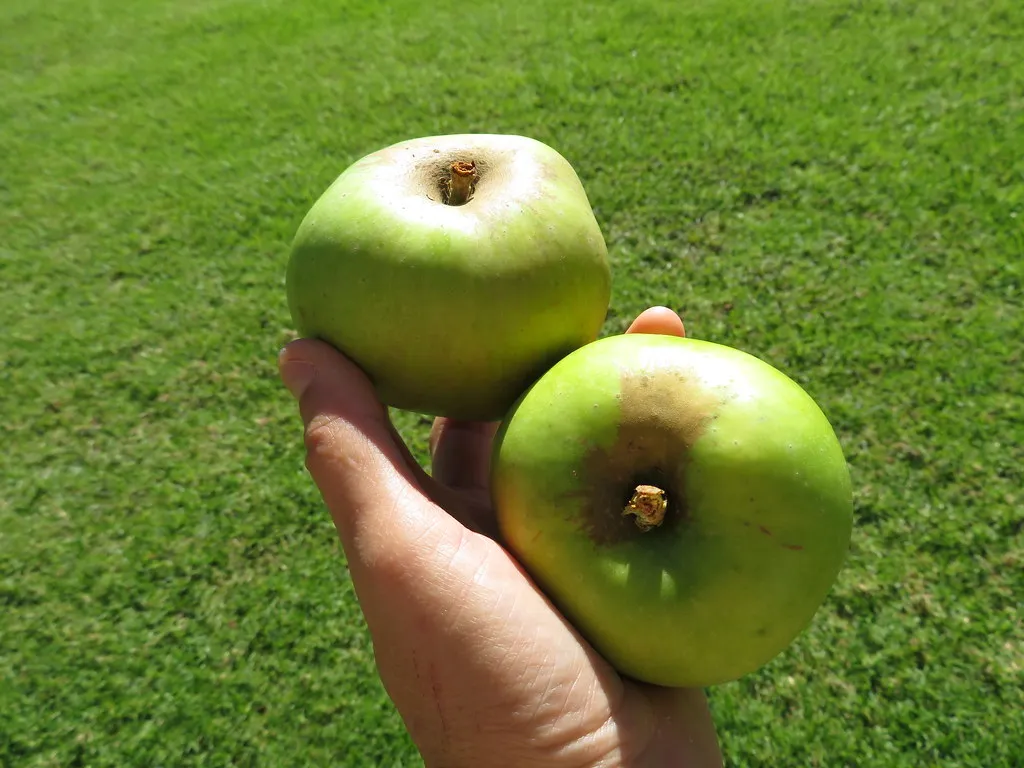
Newton Pippin is one of the oldest named apple varieties in America, and its storage performance is the stuff of orchard legend. Newton Pippin has been successfully stored for fourteen months using proper cold storage methods, which places it in a category almost entirely its own among fresh fruits.
Newton Pippins need a few months in storage to fully develop their flavor, and fresh off the tree they’re decent, but by midwinter they’re outstanding. This is actually a common trait in the finest long-keeping varieties. The storage period isn’t just preservation; it’s part of the ripening process.
Newton Pippin was once the most exported American apple in history, shipped to England in the 1700s specifically because it could survive the voyage and arrive in good condition. That heritage speaks for itself.
Sturmer Pippin and French Crab: The Ultra-Long Keepers
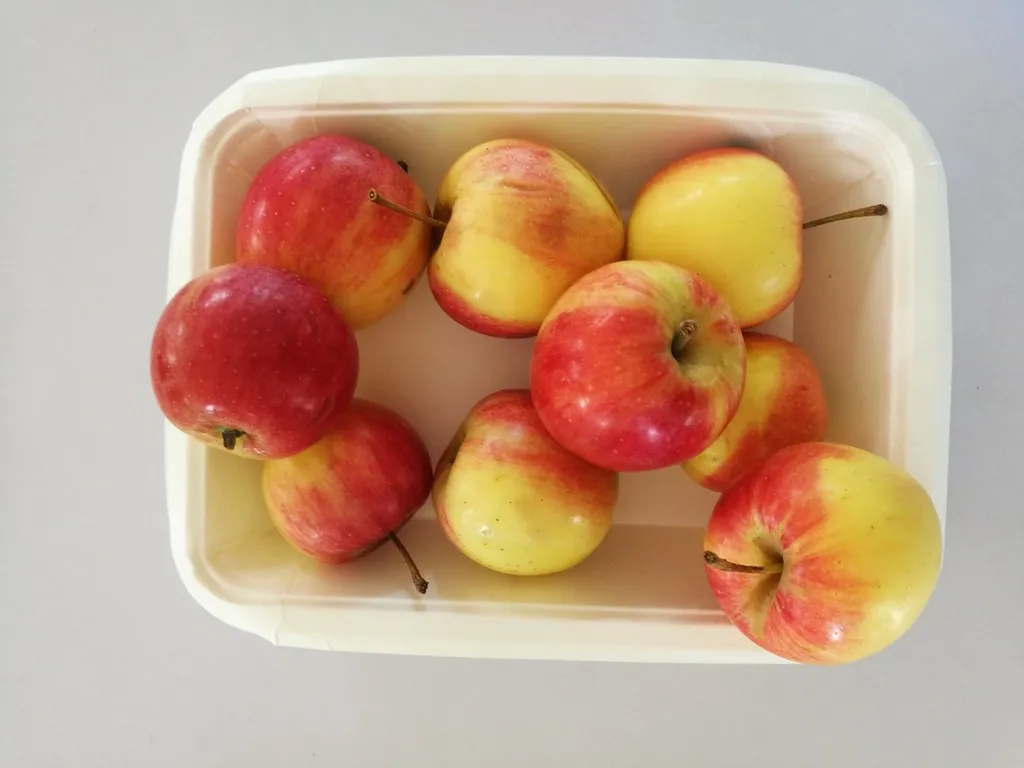
For those willing to look beyond the supermarket aisle, a few heritage varieties push storage timelines into truly extraordinary territory. The Sturmer Pippin, though picked in November, is an initially acidic apple that ripens after picking around January and keeps until April. The flavor evolution is gradual and worth tracking.
The French Crab is a very long-keeping apple that is picked late, ripens in storage around January, and then stores until June. That’s a storage run of roughly eight months, making it one of the longest-documented fresh-fruit keepers outside of industrial CA facilities.
These varieties require patience and aren’t bred for immediate eating pleasure straight off the tree. They’re built for the cellar. Think of them as the slow fermenters of the apple world, their best qualities only emerging after weeks or months of careful storage in the dark and cold.
What Storage Conditions Actually Make the Difference
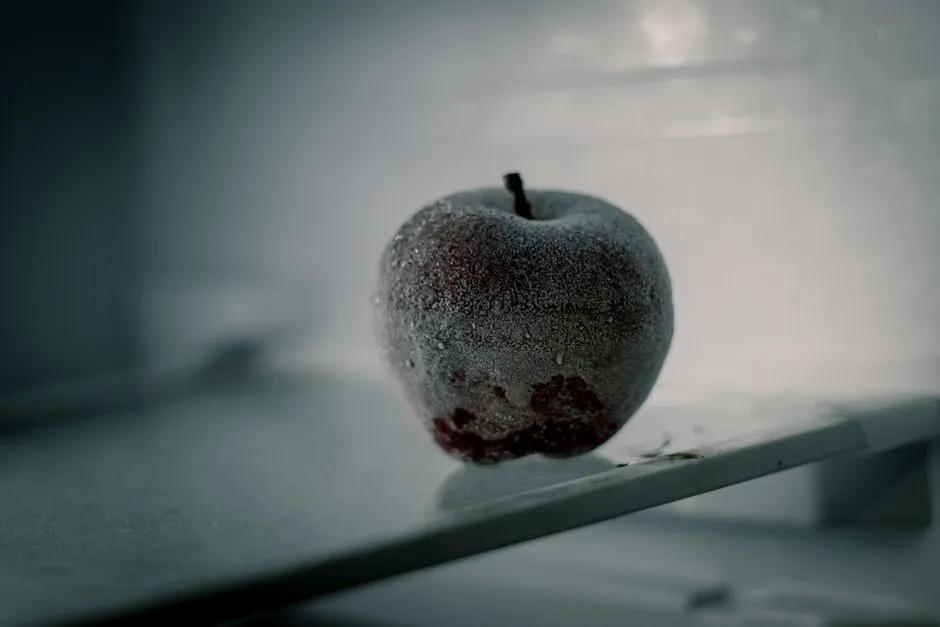
Even the best variety will fail under poor conditions. The key storage conditions that extend apple shelf life are low temperature, high humidity, and reduced oxygen levels. Keeping apples just above freezing, typically between 1°C and 4°C, slows metabolic activity and ethylene production significantly, while relative humidity of around 90 to 95 percent prevents the fruit from losing moisture and becoming shriveled.
Apples keep longest when held at 31 to 36°F (0 to 2°C), so ideally they should be stored in the coolest part of the refrigerator. A root cellar, unheated garage, or basement cold corner can replicate this environment well enough for home use through most of winter.
Good cold, humid storage conditions help any apple last longer, but the variety sets the upper limit. A thin-skinned apple won’t last months no matter how well it’s stored, while a good keeper like Fuji or Stayman Winesap can hold up for months even in a fairly basic root cellar or basement. Variety choice and storage quality work together; one can’t fully compensate for the other.
The Takeaway
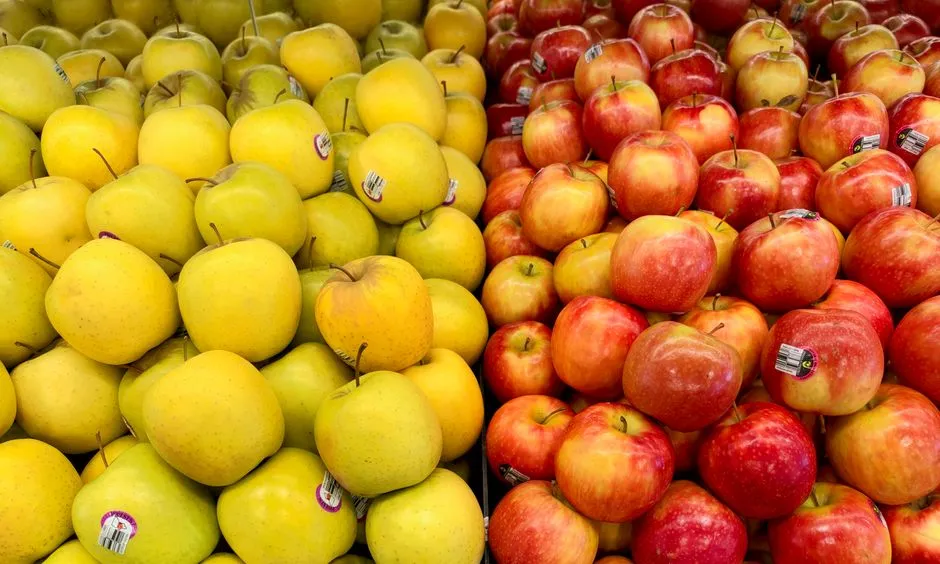
Crispness in spring isn’t a fantasy. It’s a combination of choosing the right variety, picking at the right time, and providing consistent cold and humidity through the months in between. The apples on this list weren’t all developed in a lab; many have centuries of history behind them, chosen by generations of farmers precisely because they held up when it mattered.
Whether you’re stocking a root cellar or simply making smarter choices at the market in October, varieties like Fuji, Braeburn, Newton Pippin, and Cosmic Crisp give you a genuine window into late winter and beyond. The apple season, it turns out, is much longer than most people realize.
AI Disclaimer: This article was created with the assistance of AI tools and reviewed by a human editor.