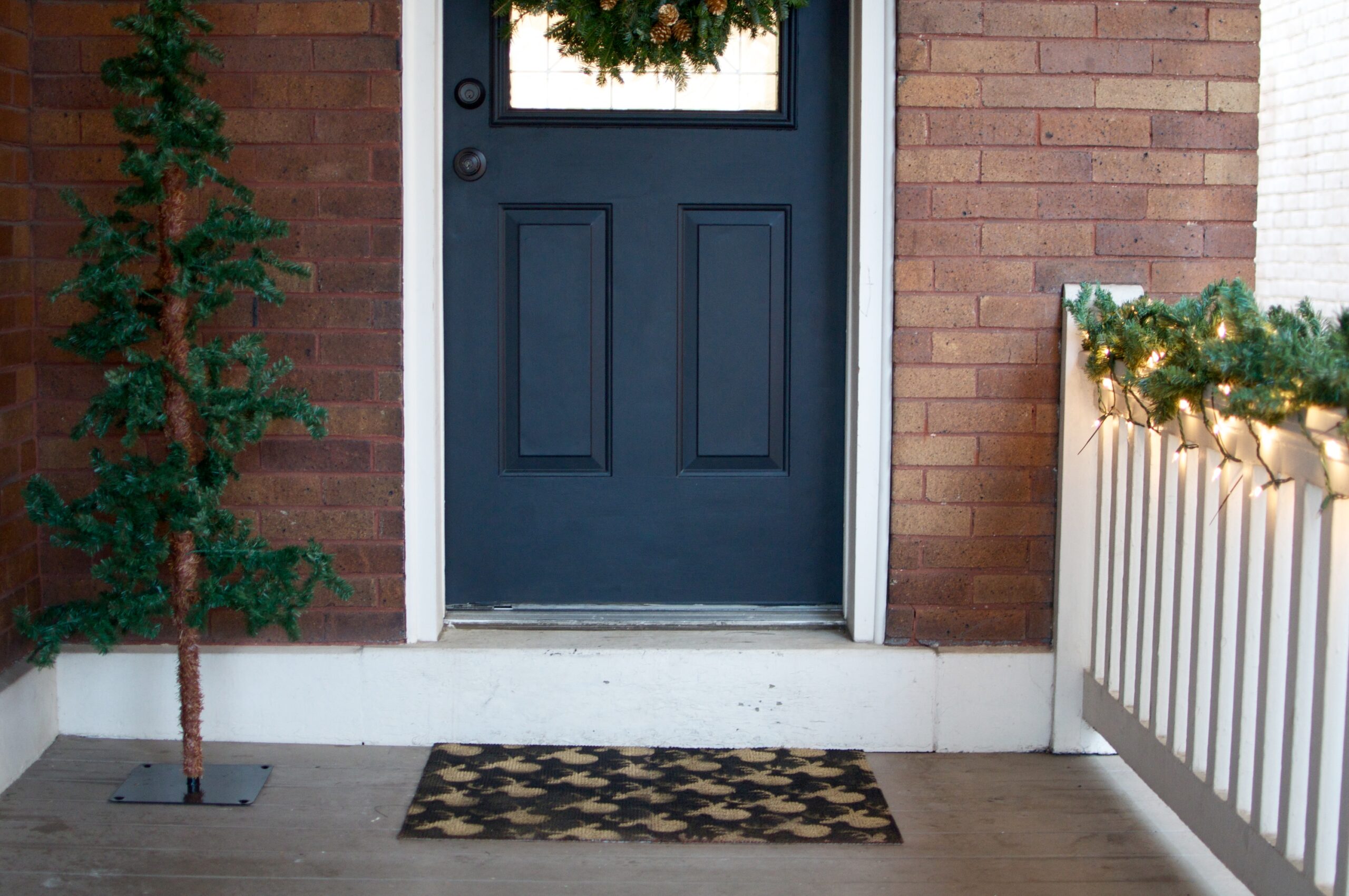

Most people walk past the floral section of their grocery store without a second glance during the holiday season. A bunch of eucalyptus, a pot of rosemary, a few loose sprigs of pine near the checkout lane. They look modest on their own, maybe even forgettable. What’s remarkable is that experienced designers use exactly these ingredients to build porch arrangements that look like they cost hundreds of dollars.
The logic is straightforward once you understand how these arrangements are actually constructed. It isn’t about spending more. It’s about knowing the structure, the layering, and which greens last longest in winter cold. Here’s what designers actually do, from the container up.
Start With the Right Container

Start with a sturdy, weather-resistant pot. Fiberglass, resin, or thick ceramic containers hold up best in cold temperatures, and your container should have drainage holes and be large enough to anchor branches and decorations. A pot that’s too small will look top-heavy once greens are added, and one that’s too light will tip in wind or get displaced by a heavy snowfall.
If the soil is already frozen when you’re ready to build, use damp sand instead because it will still hold stems securely. This is a practical tip that most first-timers skip, only to find their carefully arranged sprigs slowly leaning sideways by mid-December.
The Thriller, Filler, Spiller Formula

The secret behind many gorgeous holiday porch pot arrangements is the thriller/filler/spiller design method. This method makes use of varying natural elements by combining “thrillers,” which are tall plants with impressive form and color, “fillers,” which cover the soil, and “spillers,” which spill over the edge of the pot. The end result is a multi-dimensional arrangement that appears both elegant and abundant.
If you want to plant more than one variety in a pot, use this professional design trick: choose a statement centerpiece “thriller” plant, add smaller “filler” plants to make the arrangement look fuller, and “spiller” plants that cascade over the side. It’s a reliable structure that prevents arrangements from looking flat or accidental.
Which Greens to Pick Up at the Store

There are countless choices when it comes to fresh holiday garlands, centerpieces, and porch pots. The most popular Christmas evergreens include pine, cedar, spruce, juniper, and cypress. Mixing two or three types of greenery creates a balanced look, or you can keep it all the same for a simple statement, like a fresh pine garland.
Evergreens are typically the mainstay of holiday decorating, and selecting trees and shrubs with different leaf sizes, shapes, colors, and textures will add more interest to your arrangement. White pine is always a good choice as its clusters of long, narrow needles have great retention. Short-needled pines like spruce and hemlock lose leaves after a few days, while long-needled varieties such as cedar and pine last several weeks.
Eucalyptus: The Grocery Store Hero

Designers routinely gather bunches of eucalyptus during ordinary grocery store runs, treating it as a core ingredient rather than an afterthought. Eucalyptus brings a silvery-green tone and a subtle, clean scent that contrasts well against the darker hues of pine and fir. It photographs beautifully, which partly explains why it shows up in nearly every designer porch pot you’ll see on social media.
Eucalyptus, magnolia leaves, and boxwood add interesting textures and tones to an outdoor arrangement, and they’re generally available at grocery stores with a decent floral section year-round. Pairing eucalyptus with a darker green like fir gives the arrangement depth that neither green achieves on its own.
Rosemary as a Structural Plant

Rosemary makes a delightfully fragrant mini Christmas tree that provides a warm welcome to guests over the holiday season. Its foliage also makes a delicious addition to festive cocktails and roast dishes, though you should avoid getting too snip-happy as the plant won’t grow much over winter. Small rosemary plants potted in a cone shape are a reliable grocery store find in November and December.
To grow a rosemary Christmas tree, prune it into a conical shape, which you can then decorate with ribbons and small ornaments. It’s easy to grow rosemary in containers by planting in well-draining soil, positioning in a full-sun spot, and watering every week or two. For a porch pot, a single rosemary plant tucked into the arrangement adds fragrance and an upright, sculptural quality that evergreen boughs alone can’t replicate.
Building Your Thrillers: Height and Structure First
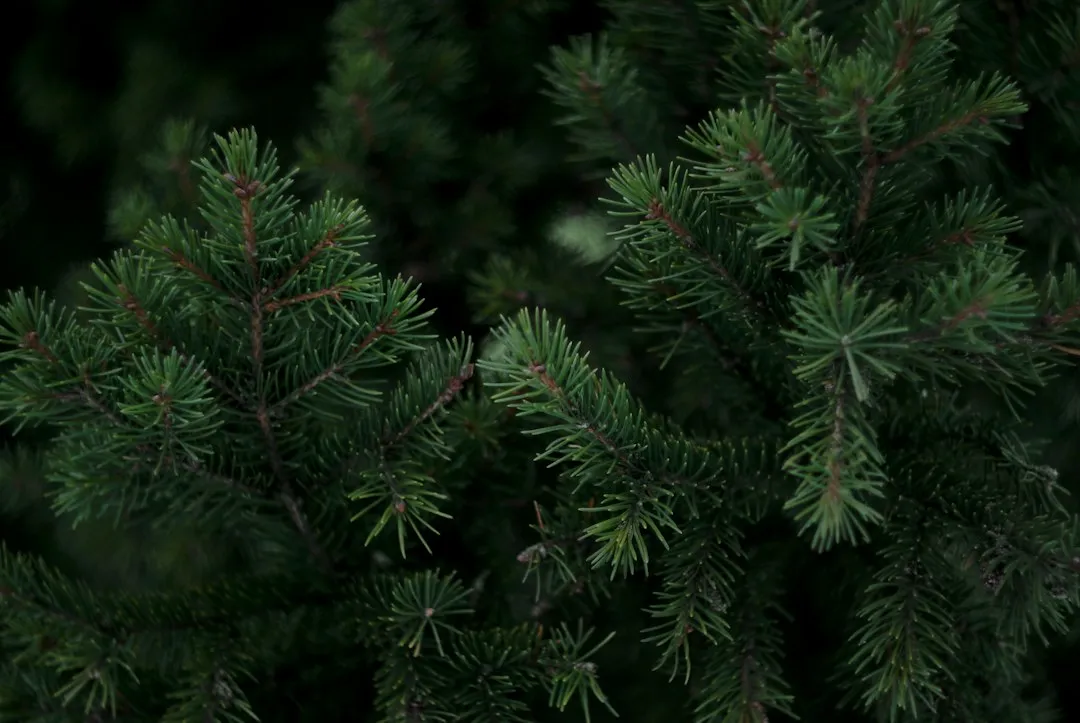
Thrillers are the foundation for your holiday planter and are usually the largest focal plants in the mix. Popular holiday options include hardy winter plants like boughs of fresh evergreens, eucalyptus bundles, and branches of juniper, birch, and fir. Start building your DIY porch pot by filling it to the rim with soil and pushing your thrillers securely into the center of the planter or at the back if you’ll only view it from one direction.
For thrillers, consider combining Fraser or balsam fir for lush fullness, white pine for soft flowing texture, cedar and juniper for trailing edges, and spruce tips for upright height and structure. Spruce tips in particular give an arrangement that clean, Christmas-tree silhouette that reads beautifully from the street.
Layering Fillers for a Full Look
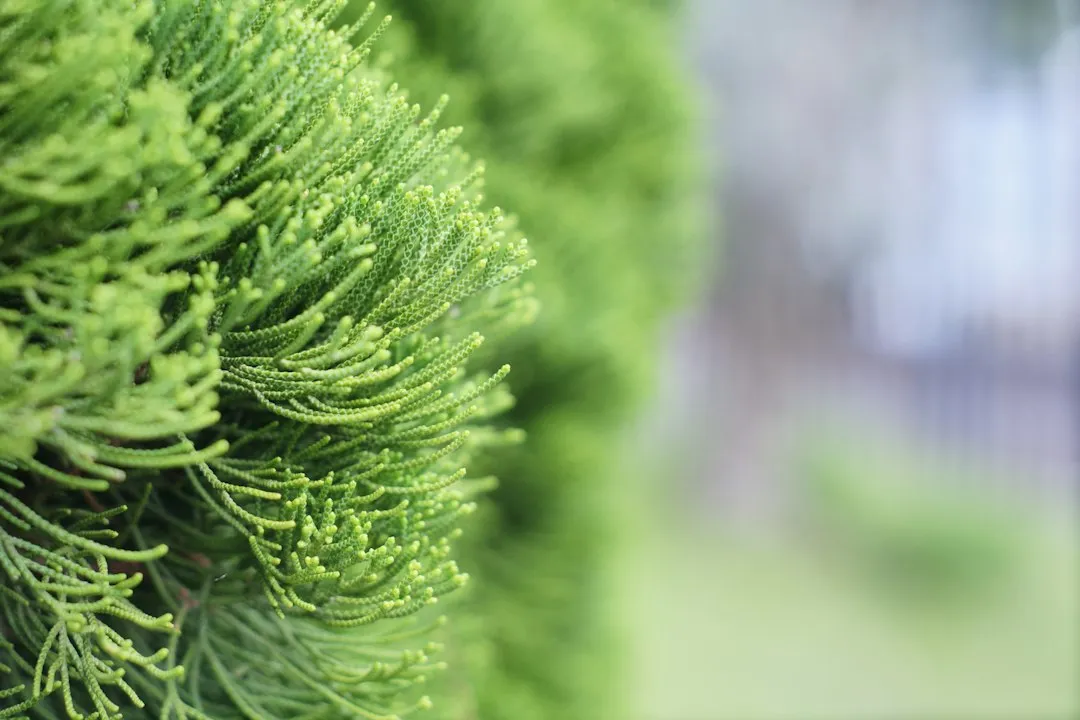
Fillers are dense, bushy components that cover the soil and fill out the design. Some good options include winter holly, spruce tips, pinecones, decorative sprays, and winterberry. This is a great space to add texture and lots of varieties of evergreen cuttings. The filler layer is actually where most of the visual complexity in a finished arrangement comes from, even though it takes the least planning.
Layering varying shades of greenery, mixing pine, cedar, and eucalyptus, adds depth and a rich, natural texture to garlands and wreaths. The same principle applies directly to the porch pot. When greens of different needle lengths and color tones sit side by side, the eye reads the arrangement as full and intentional rather than sparse.
Spillers: Where the Arrangement Comes Alive
Spillers are long, flowy elements meant to spill over the edges of your porch pot, making it look robust, abundant, and full of texture. This is a great space to add in holiday-themed ribbons, ornaments, or garland. You can also use draping greenery, such as cedar boughs, for a fresh look.
Cedar boughs from the grocery store floral section work especially well here. Their flat, fan-like fronds naturally drape outward and downward, softening the container’s edge and giving the whole arrangement an organic quality. A single bundle, split into two or three pieces and tucked around the pot’s perimeter, is usually enough to achieve the effect.
Conditioning Your Greens So They Last

Stand cut branches in water and store them in a cool, dark place until you’re ready to use them. Before placing them in water, cut the stem end at an angle to form a larger surface area, allowing for maximum water absorption. Condition the greens before constructing your arrangement by immersing the entire branch in warm water for 12 hours or overnight.
Once the foliage is dry, you may spray it with an antitranspirant to help seal in moisture. However, avoid spraying blue spruce or juniper berries, as the spray may damage their waxy coatings, which give them their distinctive blue color. These conditioning steps are what separate a porch pot that looks fresh through New Year’s from one that starts to brown by mid-December.
Safety, Pets, and Placement
Always keep safety in mind, as dried evergreens can become flammable. Keep your completed arrangements out of direct sunlight and away from heat sources such as vents, heaters, fireplaces, and candles. On a covered porch, this is usually easy to manage, though a lantern placed directly inside a dense evergreen arrangement is a risk not worth taking.
Be aware that some plants, such as yews, holly berries, mistletoe, and bittersweet, may be poisonous to children and pets, so use caution if including them in an arrangement. Grocery store eucalyptus and rosemary are generally safer choices if pets or young children are regularly near the porch entrance.
The Takeaway
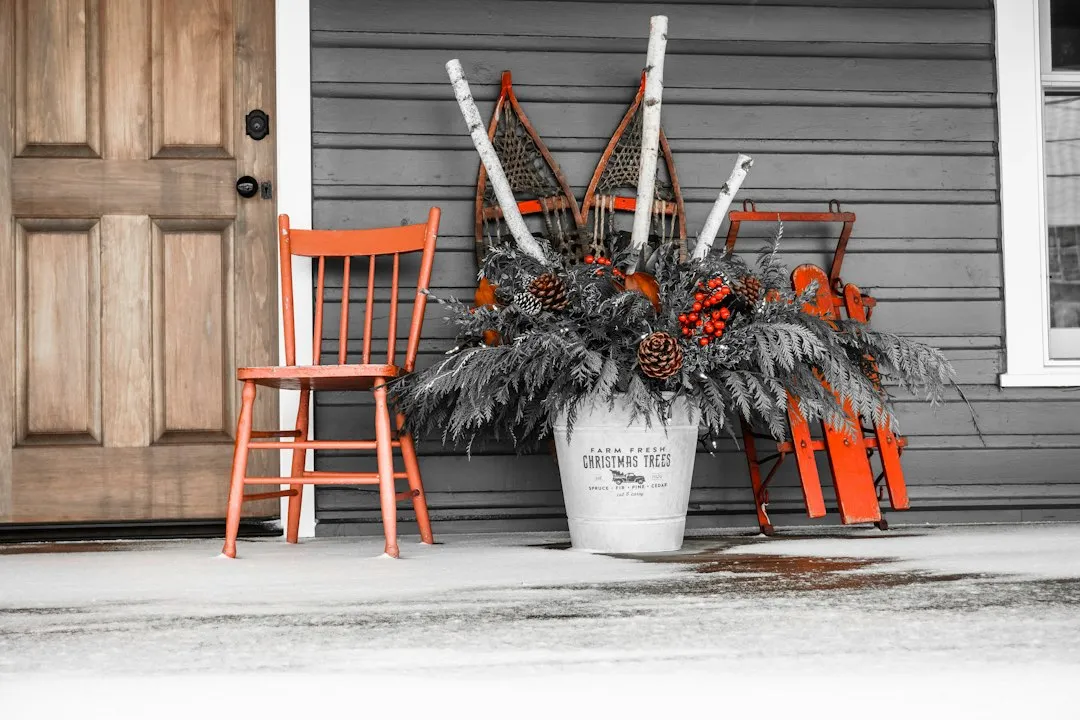
The porch arrangements that stop people on the sidewalk aren’t built from exotic materials or expensive specialty items. Hardy evergreens like spruce, cedar, and pine thrive in outdoor containers all season, and a well-built arrangement can handle snow, wind, and freezing temperatures, adding life to your porch or patio even in midwinter.
What makes the difference is structure, not spending. A solid container, the thriller-filler-spiller layering approach, conditioned greens, and a few bundles from the grocery store floral section are genuinely all you need. The arrangement that looks like it was designed by a professional probably was built the same way, just with a little more intentionality than most people bring to a shopping cart.
AI Disclaimer: This article was created with the assistance of AI tools and reviewed by a human editor.