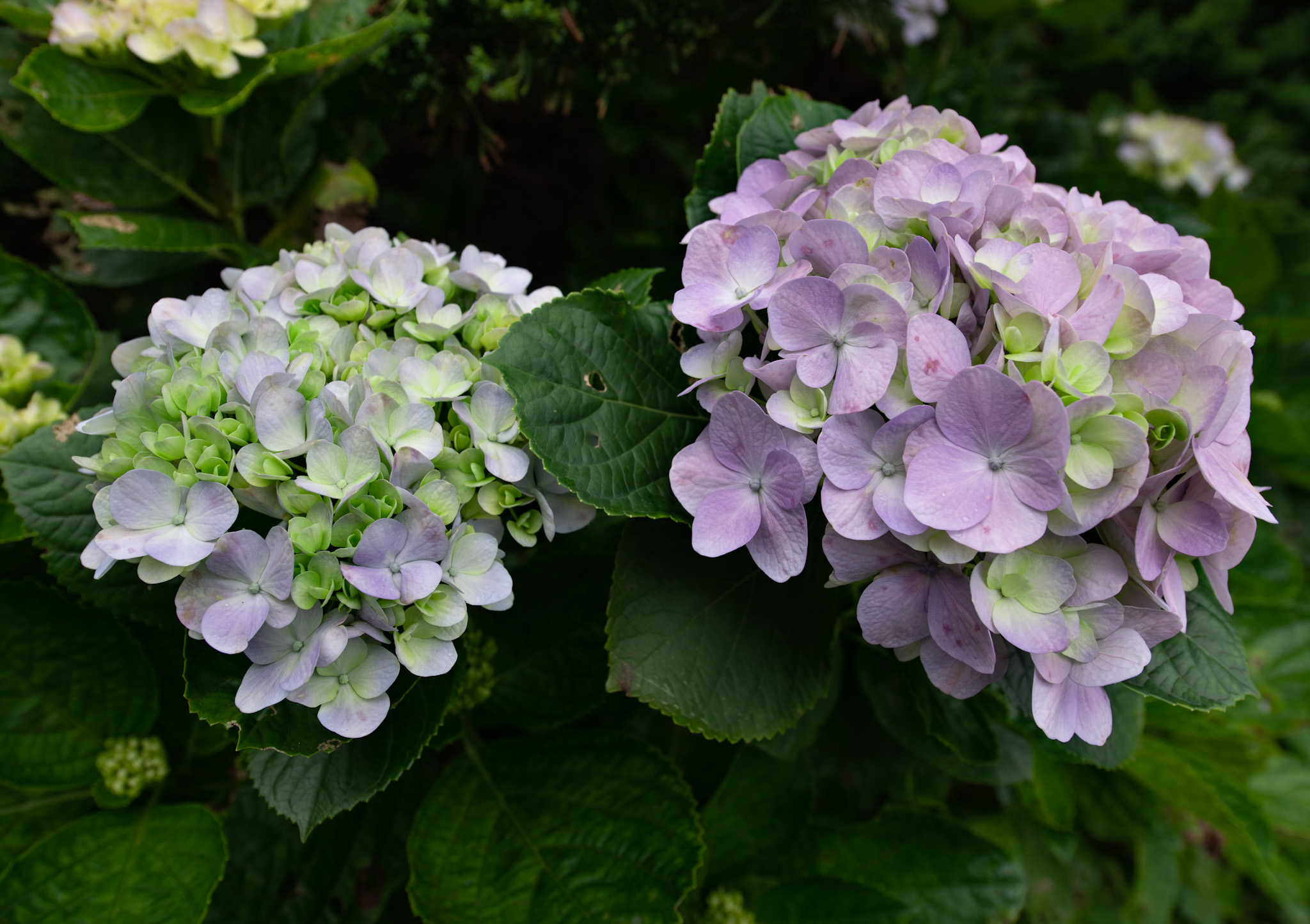

The Blooms Become a Natural Frost Shield
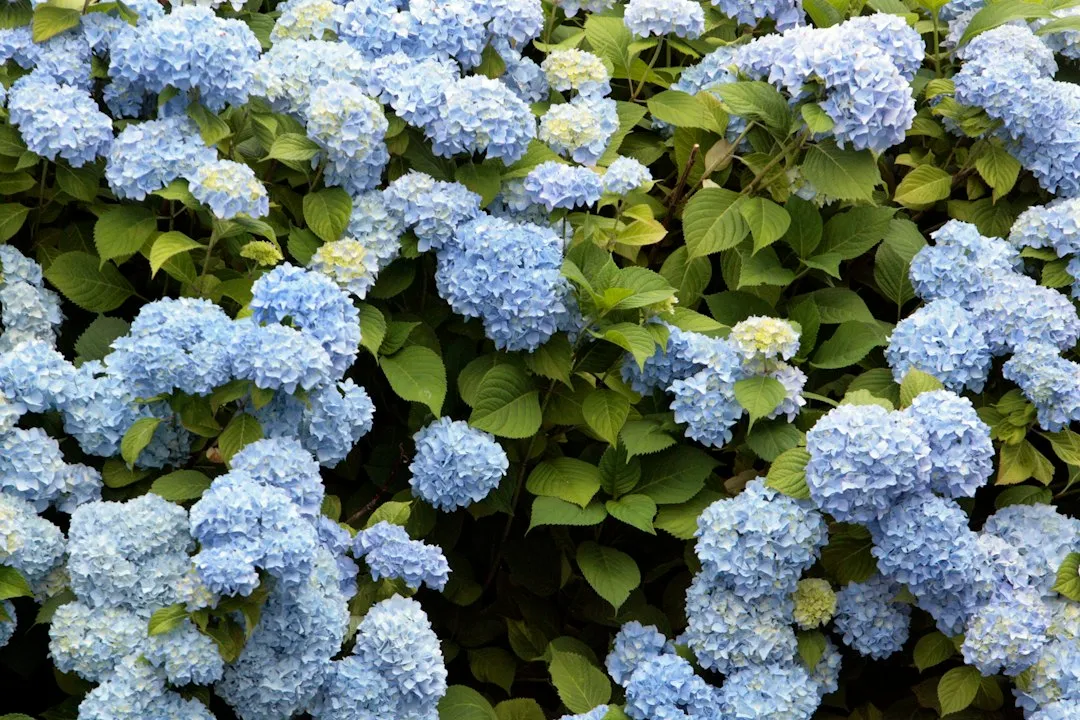
For mophead hydrangeas, it is advisable to leave spent flower heads on the plant over winter, because they provide frost protection for the growth buds that will become next year’s blooms. Hydrangeas store moisture in their cork-like stems, which can freeze in cold conditions and damage the plant.
The dried, papery mophead blooms act as a physical shield over the delicate underlying floral buds, protecting them from ice crystals and drying winds. That’s a genuinely practical function, not just a decorative one. Removing those heads in October essentially strips away insulation the plant would have relied on.
They Give the Winter Garden Real Structure
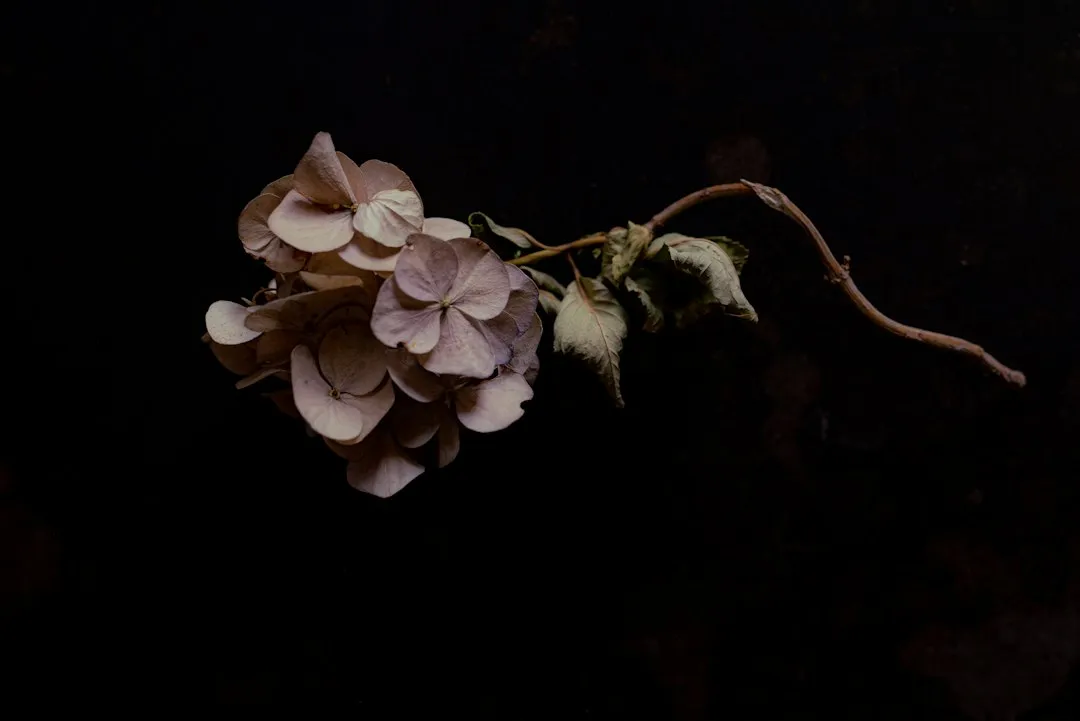
Dried hydrangea heads give a bare winter yard some structure, especially after leafy perennials fade back to the ground. Landscape designers often call this “winter interest,” and many botanical gardens leave their shrubs untrimmed for that reason.
There’s a certain charm to watching them slowly turn and fade into different shades of brown. These dried flowers add an ornate and textural appeal, especially against a snow-laden landscape, breaking away from the norm of an otherwise bare-branched look. It’s low-effort seasonal design, and it costs nothing.
The Color Shift Is Surprisingly Beautiful
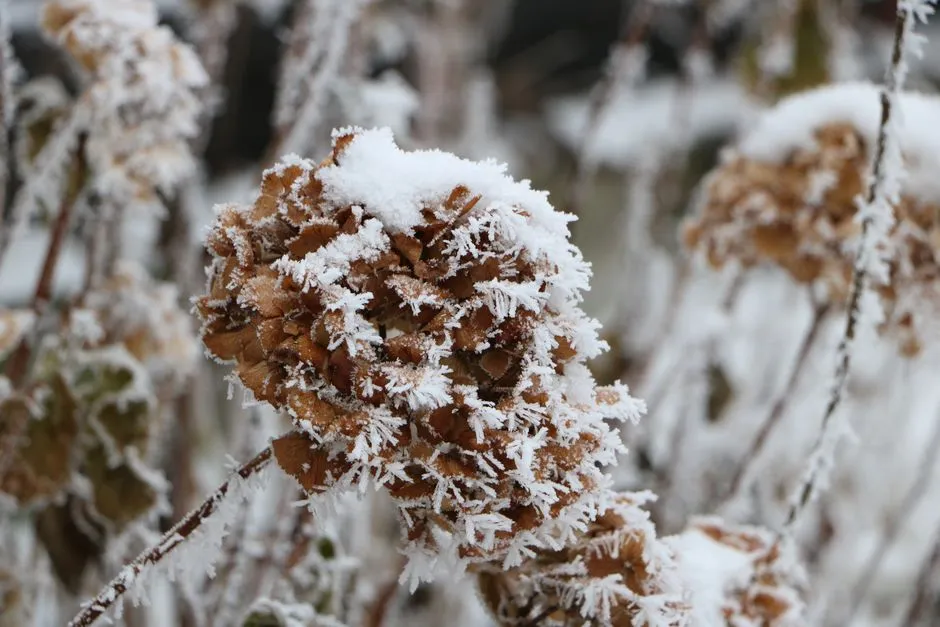
Those papery flower heads turn shades of tan, rose, and soft green as the weather cools down. Many gardeners leave them standing because they catch frost and snow, which adds shape to a bare yard.
Hydrangea flowers age gracefully. As the petals dry, blues, pinks, and whites shift into muted parchment tones that hold their shape for months, which is why plenty of owners simply leave them in place. Panicle varieties in particular hold their form through most of the winter without collapsing.
Songbirds Use the Seed Heads as a Food Source
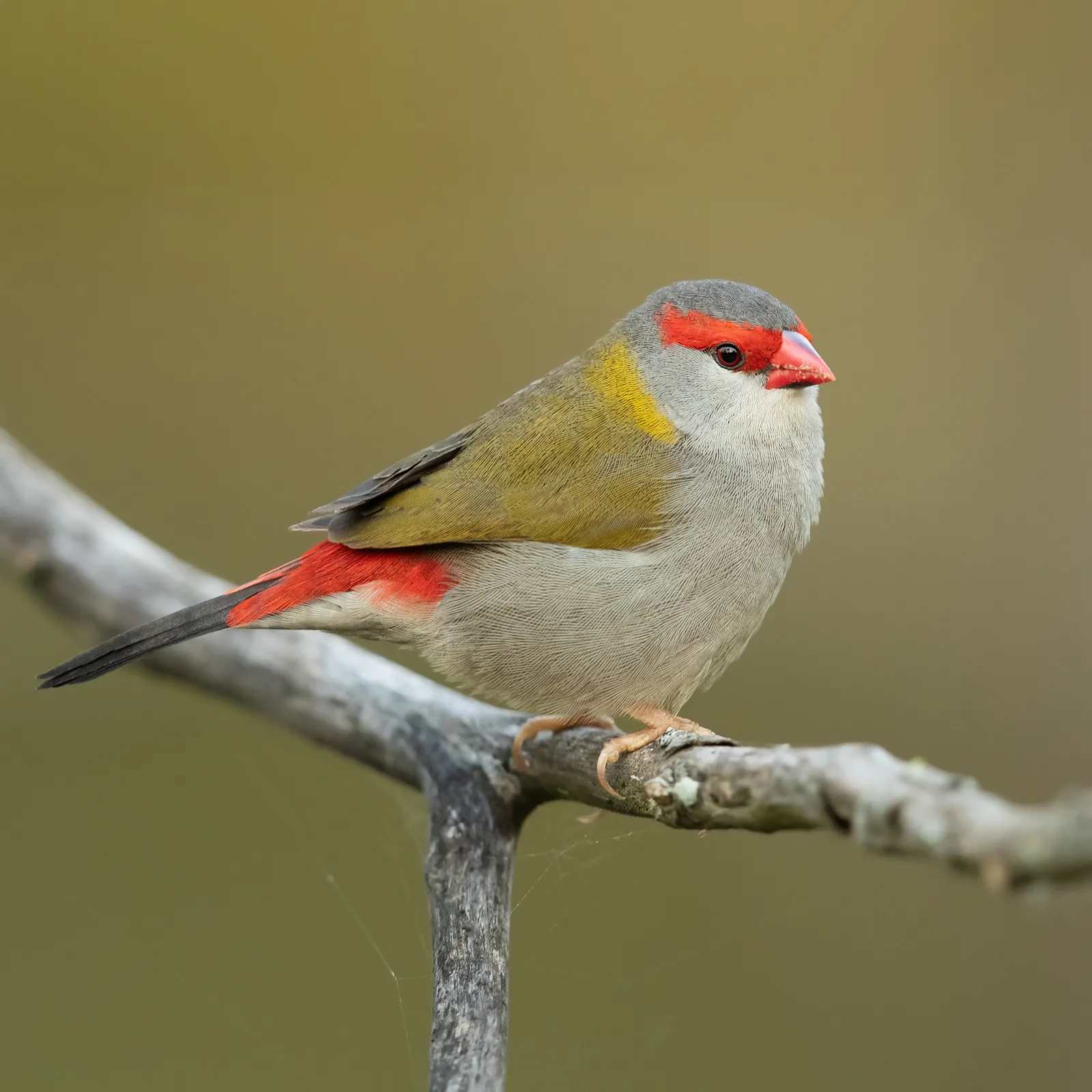
Birds eat the seeds from hydrangea plants in fall. In fall, the plants’ seeds are eaten by songbirds including cardinals and a variety of sparrows. For gardens in zones where food becomes scarce during winter months, this is a real and meaningful contribution to local wildlife.
Oakleaf hydrangea is a variety birds genuinely love. Resisting the urge to prune the seedheads that form after blooming pays off, as all of the seeds can be stripped clean by early spring. The dried seed heads of species like panicle hydrangea can attract seed-eating birds in fall and winter, extending their usefulness well beyond the blooming season.
Hollow Stems Shelter Native Bees Through the Cold
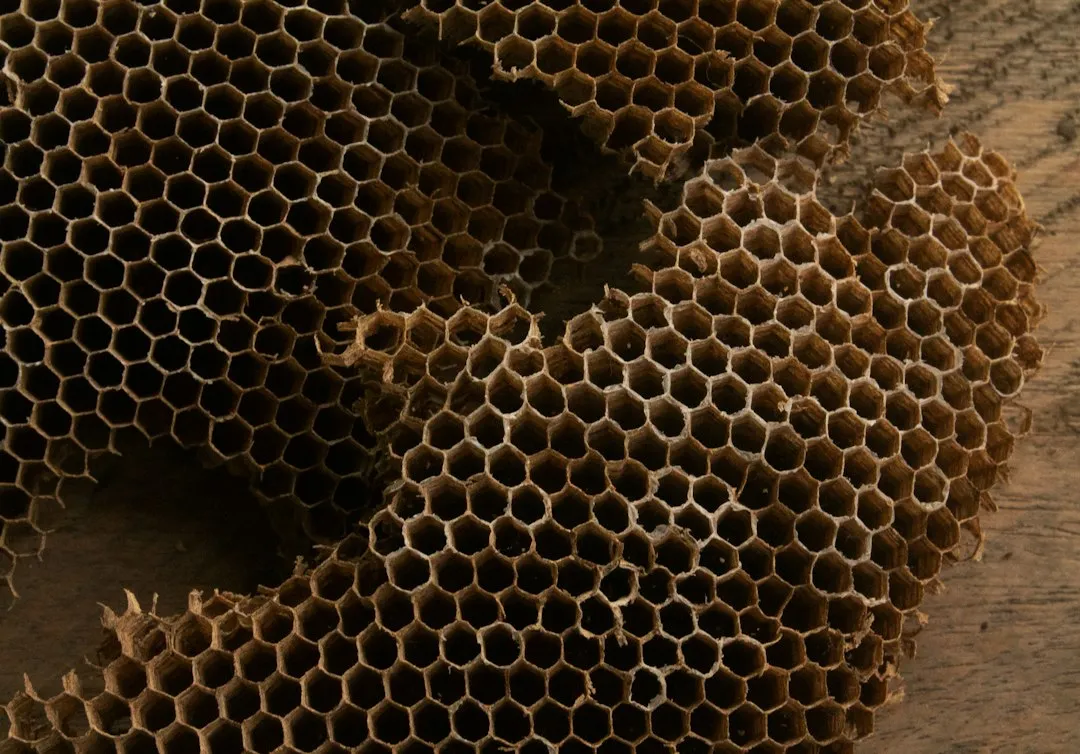
A dried flower stem isn’t necessarily empty just because the plant has stopped growing for the year. Leaving spent flower stems standing matters because hollow stems can provide nesting and shelter for pollinators, including native bees.
Leafcutter and mason bees are among the insects that may use stems, while other beneficial insects can spend winter in dead plant material before emerging when conditions warm. The Xerces Society notes that roughly three in ten native bees are tunnel nesters that can use small spaces in hollow stems, dead wood, and similar materials.
Certain mountain hydrangea cultivars attract bees, butterflies, and beneficial insects during summer, while hollow stems on varieties like Tiny Quick Fire can provide nesting habitat for bees, another reason not to automatically clear every stem from the garden.
Cutting in Fall Risks Next Year’s Blooms
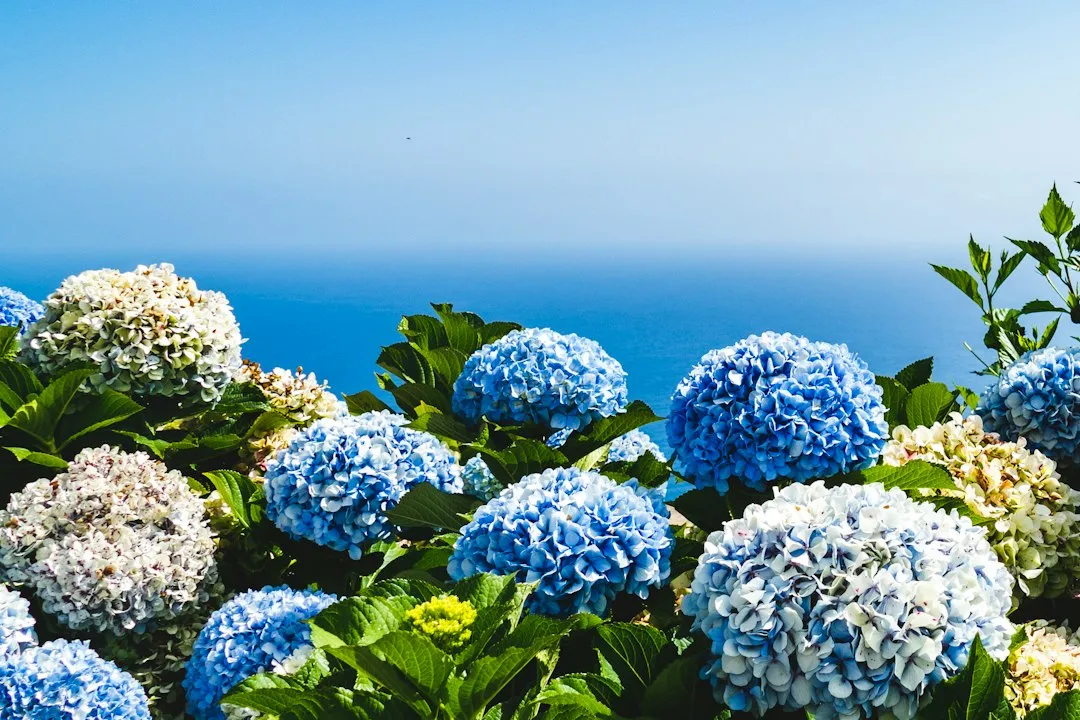
Leaving most hydrangea stems alone in fall protects the buds already set, so the shrubs are better prepared to bloom when summer arrives. This is especially relevant for old-wood bloomers, which set their flower buds in late summer and carry them through winter on the same stems.
There’s a crucial distinction to make regarding when to cut the dead flowers off hydrangeas, specifically to avoid accidentally removing next year’s flower buds. Overzealous fall pruning is one of the most common reasons a mophead hydrangea fails to flower the following season. The dried blooms above act as a natural marker: don’t cut below here yet.
Spring Is the Better Time to Prune Anyway
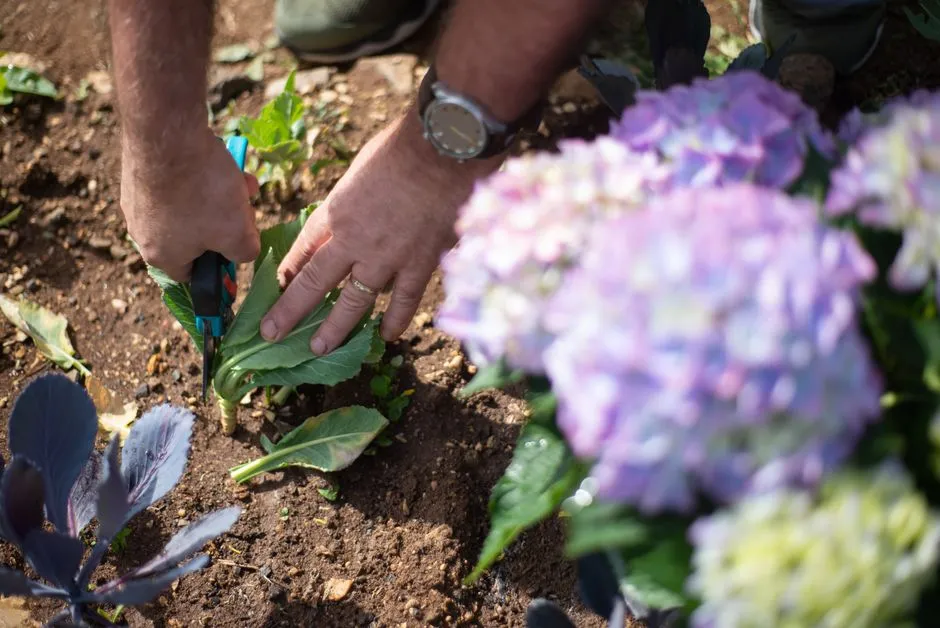
Experts recommend waiting until you see the first signs of spring growth before pruning hydrangeas, which also gives a better idea of which branches are damaged and need removing. March and April are considered the ideal months for this task, as pruning any earlier in the year risks inadvertently removing the plant’s live parts.
If you decide to leave the blooms for winter, simply deadhead them in early spring, just as new growth begins to emerge but before the plant leafs out fully. That window is wide enough to be practical and precise enough to avoid damaging new growth.
Delayed Garden Cleanup Supports the Broader Ecosystem
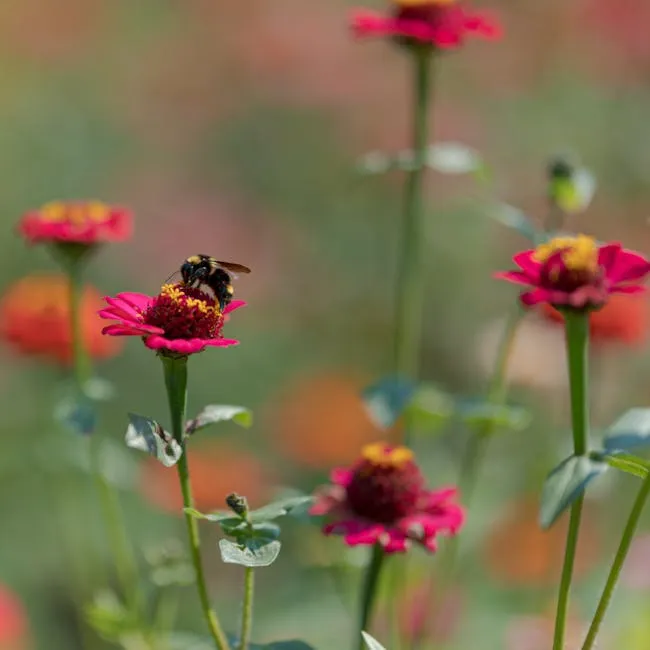
While monarchs might migrate south for the winter, the majority of native insects overwinter right here, usually hiding in plain sight. Butterflies and moths, such as swallowtails, fritillaries, and the luna moth, typically overwinter in chrysalids, blending in with leaves and dead stalks in the garden.
Letting plants stand through the cold months, rather than cutting back and removing dead material immediately, pays dividends. Leaf litter and dried stems provide habitat for insects, and dead seed heads can serve as a food source for overwintering and migrating birds. The hydrangea fits neatly into that picture.
The Dried Heads Are Useful Indoors Too
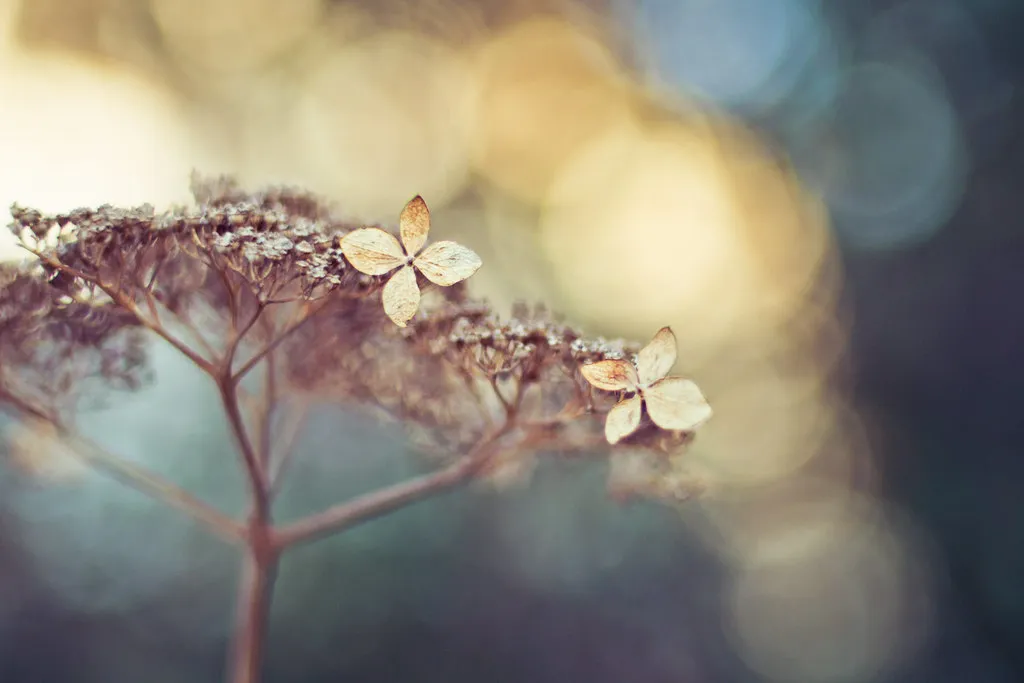
Leaving dead hydrangea heads on the bush is not neglect; it’s a legitimate design choice. Dried flower heads catch snow and frost light in winter, and the papery blooms hold their shape from October through February in most climates.
Many varieties’ blooms persist over the winter, catching snow and feeding the birds with seeds. The dried blooms also look striking in winter arrangements indoors. Waiting until after the first hard frost to cut them means you bring in pest-free, fully dried stems that last for months in a vase without water.
Hydrangeas Are Among the Most Widely Planted Flowering Shrubs
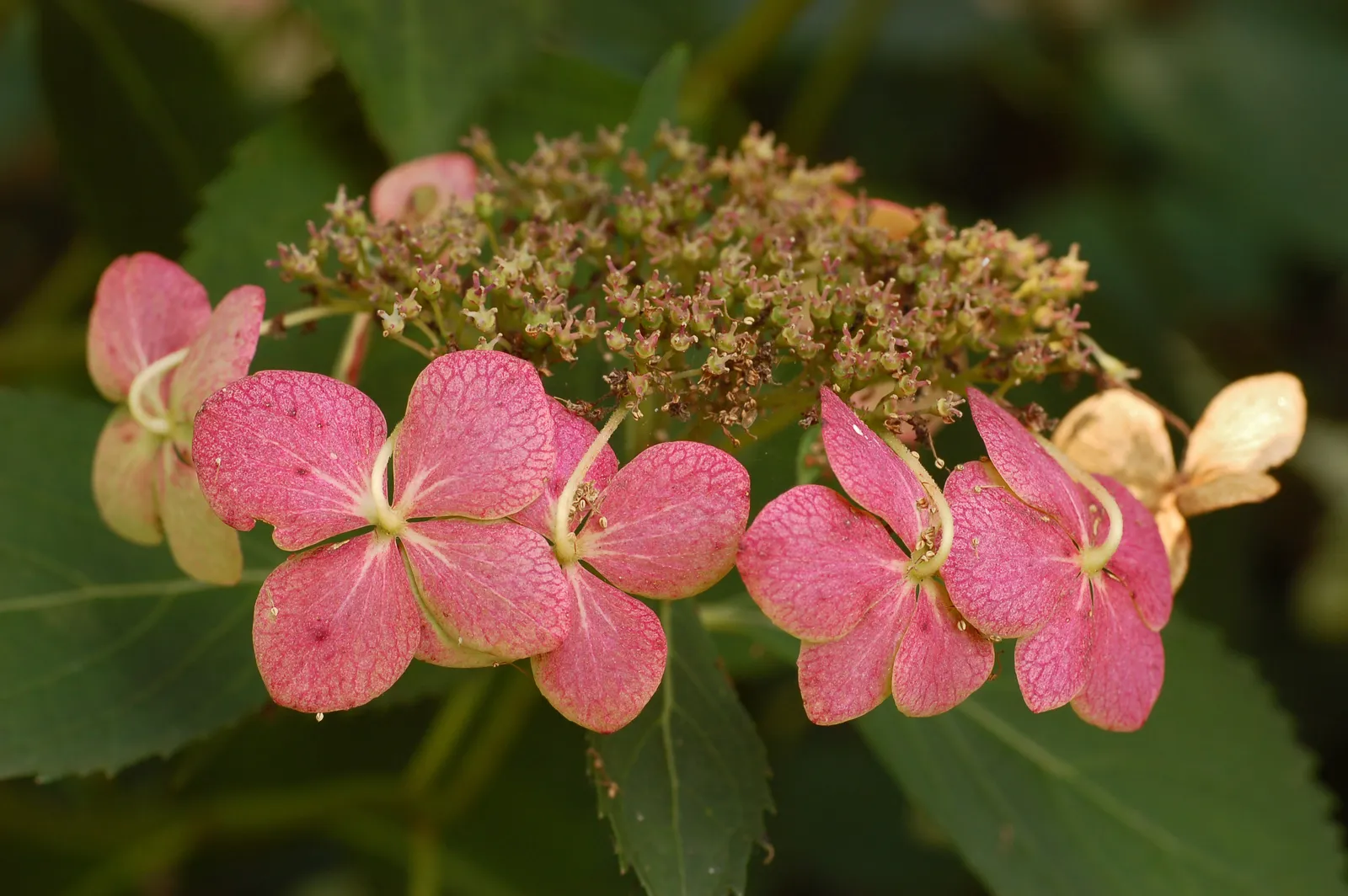
Hydrangeas are among the most planted flowering shrubs in North America, and every late summer the same question comes up in garden groups: should you cut off the dead flowers or leave them alone? The short answer is that deadheading is optional. Removing spent blooms will not hurt the bush, and leaving them in place will not shorten its life.
With a variety of hydrangea species, gardeners can create a more beautiful and diverse garden while also lending a hand to nature. Hydrangeas provide food, shelter, and nesting spots for insects, birds, and even hedgehogs, all year round. That’s a broader ecological role than most people credit them with.
The Takeaway
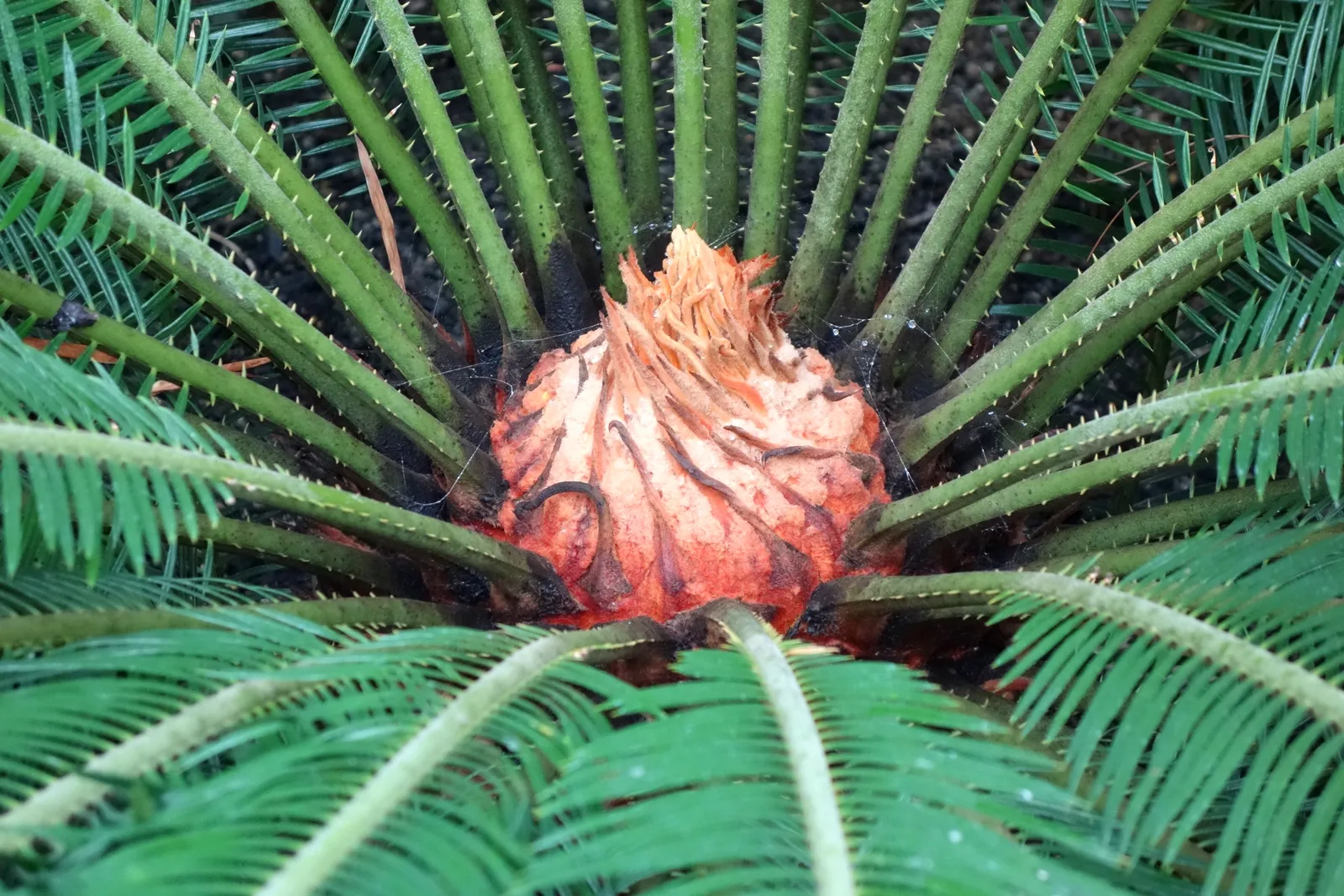
Leaving dead hydrangea blooms standing through winter turns out to be less about laziness and more about working with natural cycles rather than against them. The old flowers protect future buds, feed birds, shelter native pollinators, and add genuine beauty to the dormant garden.
The tidier impulse, reaching for the pruners in October, is completely understandable. Still, the evidence from horticulturalists, wildlife researchers, and extension offices consistently points in the same direction: wait until spring. The garden will look better for it, and so will the creatures that rely on it.
AI Disclaimer: This article was created with the assistance of AI tools and reviewed by a human editor.