
Halloween Is the Deadliest Night of the Year for Young Pedestrians
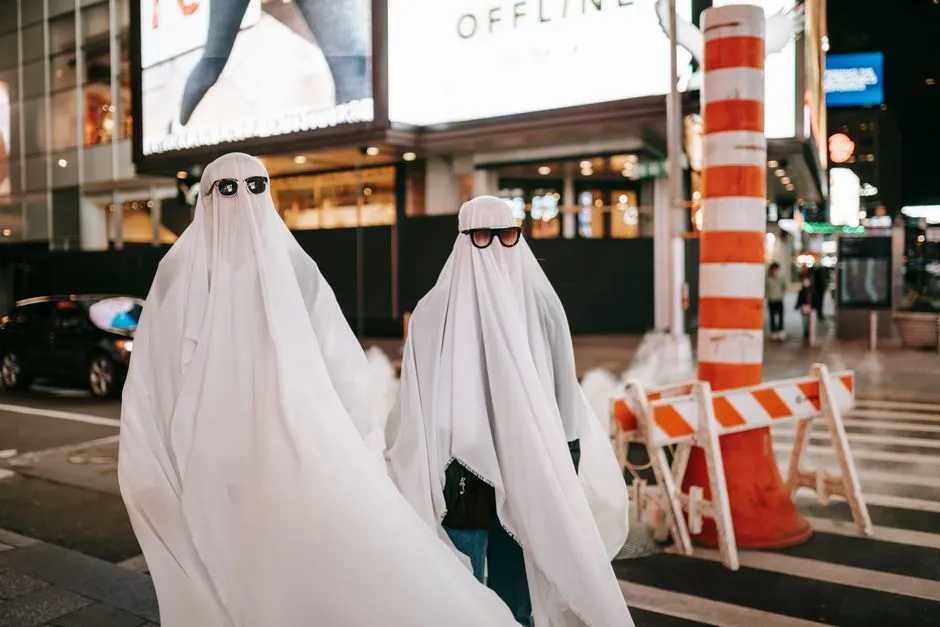
The statistics behind this holiday are sobering. According to the nonprofit Safe Kids Worldwide, children are more than twice as likely to be struck by a vehicle and killed on Halloween than on any other night of the year. Research published in JAMA Pediatrics found that pedestrian fatality risk overall is 43 percent higher on Halloween than on comparable nights, and for children ages 4 to 8 specifically, that risk is 10 times higher, with most of the danger concentrated between 5 and 8 p.m. as trick-or-treating peaks.
According to an analysis of federal fatal crash records from 2010 to 2024 by MoneyGeek, 45 children were killed in pedestrian crashes on Halloween, more than on any other calendar date. The study found that 24 of the 45 deaths occurred between 6 and 9 p.m., when many families are out trick-or-treating. These aren’t abstract numbers. They represent the exact window when most kids are walking in costume through residential streets.
What a Mask Actually Does to a Child’s Field of View
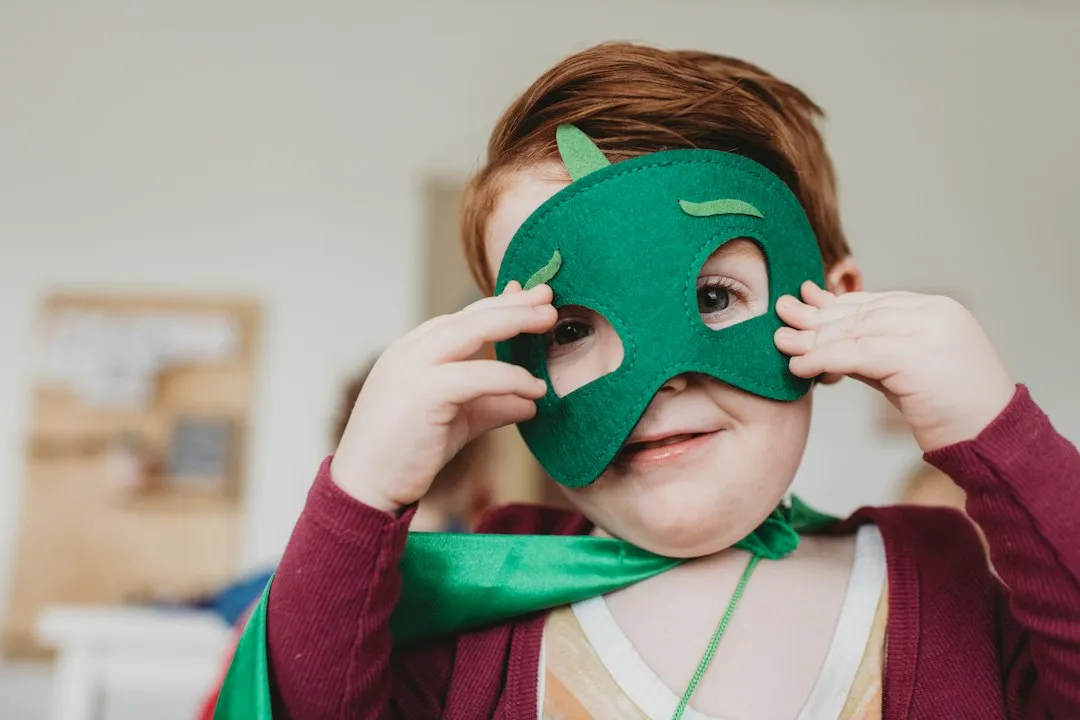
A full-face mask does two things to a child at once: it narrows their field of view, often dramatically, and it muffles their hearing. A mask removes the peripheral vision children would normally use to catch a car out of the corner of their eye. This matters more than most parents realize, because peripheral vision is precisely what helps someone notice a car pulling out of a driveway before it’s directly in front of them.
Side vision is especially important when children are crossing streets, navigating driveways, and stepping off curbs after dark. Large masks can obstruct a child’s vision, limiting the areas they can see, and not only are children less likely to see oncoming traffic or other obstacles, drivers are also less likely to see the child. The vision problem runs in both directions.
The Simple Test You Can Do Before Halloween Night
Before Halloween, have your child try on their mask or hood and look straight ahead while you move your hand slowly into view from the side. If they have trouble seeing it, adjust the mask or choose an alternative that doesn’t restrict their vision. This takes about 30 seconds and tells you more than any label on the costume packaging will.
The week before Halloween, stage a dress rehearsal. Put your child in their full costume and have them practice walking around in it. Can they see well out of both sides, and straight ahead? If the mask hampers their vision, there’s still time to modify it or choose another. Valley Children’s Hospital pediatricians recommend a simple “sight check” as part of costume preparation, asking your child to look around and walk in their costume to make sure their vision isn’t impaired before heading out.
Face Paint as the Practical Swap
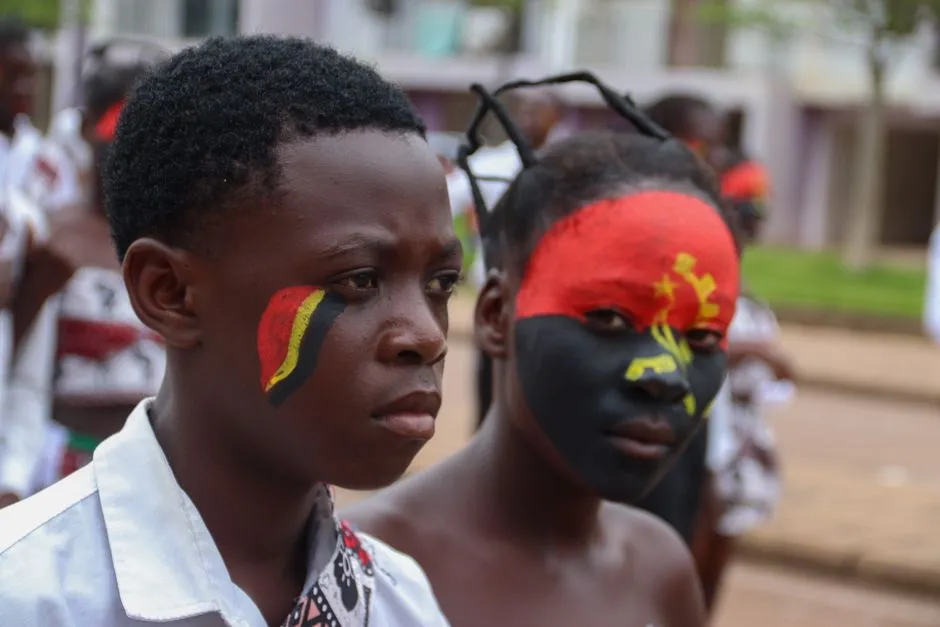
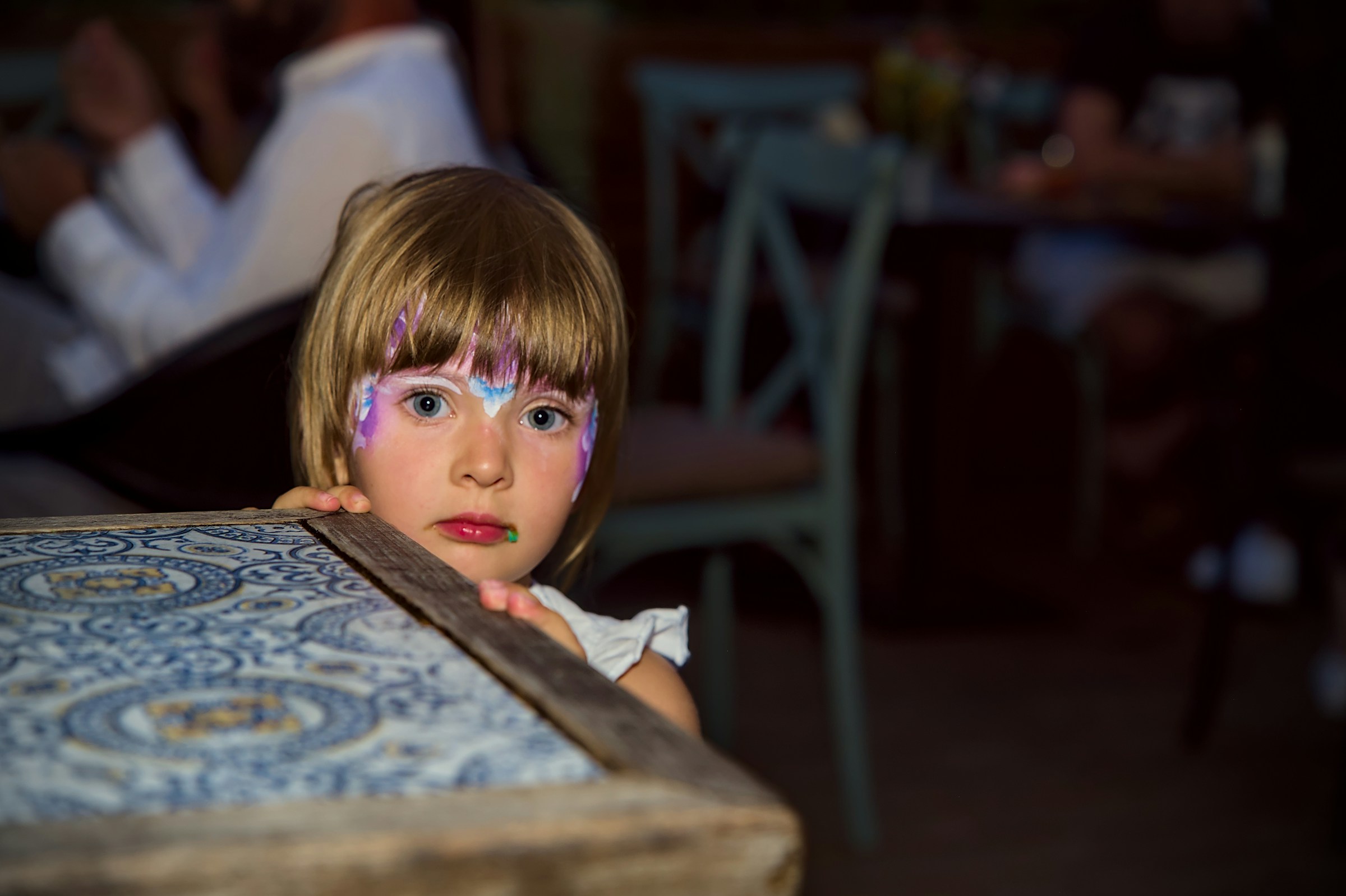
Penn State Health Children’s Hospital recommends using non-toxic face paint instead of a mask because a mask can obscure vision and make a child more likely to trip and fall. Face painting is safer than wearing a mask because masks can make it harder for kids to see where they’re going and make it harder to spot oncoming cars, especially after dark.
Face paint offers fewer chances at eye injury along with more freedom of movement when dressing up for Halloween, according to Craig See, MD, a cornea specialist for the Cole Eye Institute at Cleveland Clinic, who discussed alternatives to masks as a means of better protecting eyes during the season. If a child has face paint on, they can still talk normally, have a drink, or eat something without having to take anything off. In practice, kids tend to keep it on longer too.
If the Mask Stays, Here’s How to Use It Safely
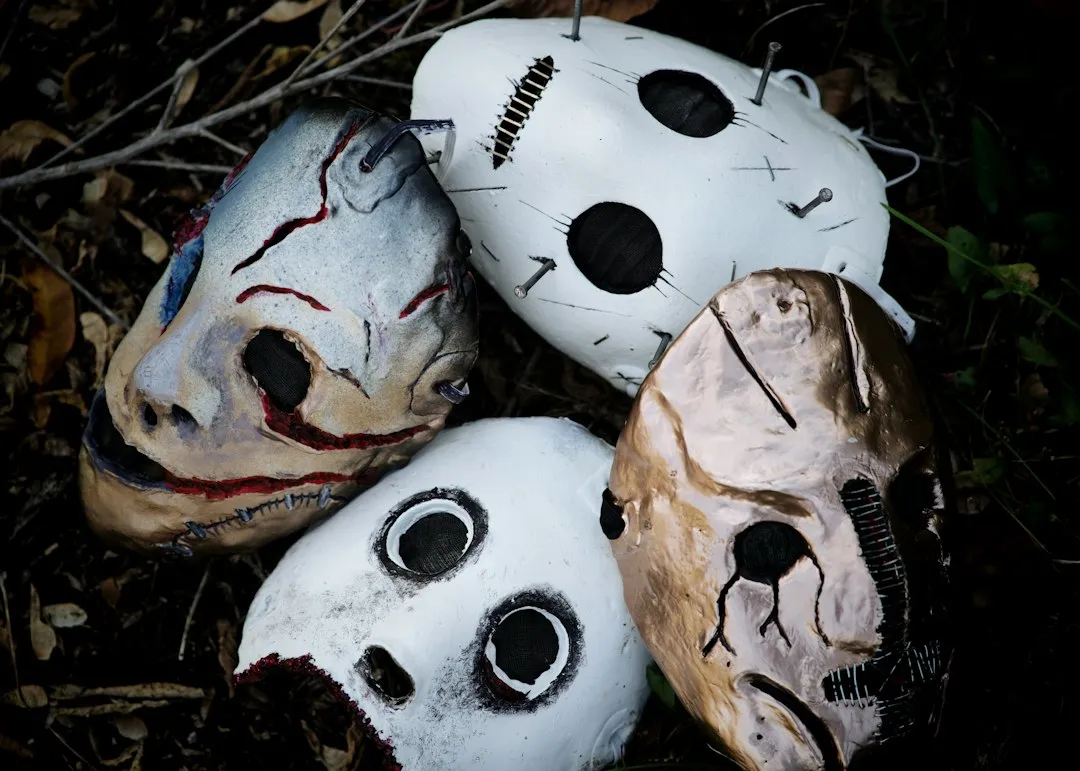
If a child’s costume does include a mask, make sure it fits snugly and that the eyeholes are large enough to allow full vision. One practical approach is to have children wear the mask pushed up while walking and pull it down only at the door. Kids are often agreeable to this when it’s framed as “so people can see how good it looks.”
All masks can pose a hazard by hindering a child’s vision, and Halloween activities are already loud and chaotic, occurring at night. Parents should not allow a child to wear a mask that impedes any part of their vision or depth perception. Treating the mask as a display piece rather than a walking accessory is a reasonable middle ground when a child has their heart set on a specific look.
Choosing Face Paint Safely
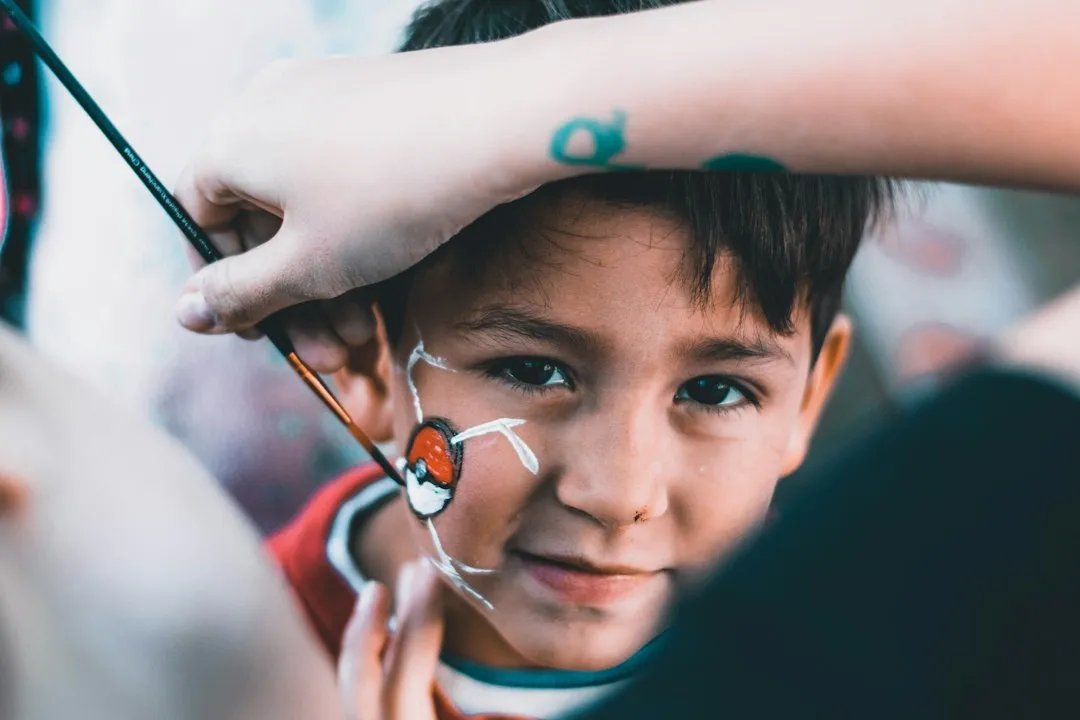
Parents should choose a face paint that is specifically labeled as safe for children, because too many paints on the market contain lead and other chemicals. Metallic craft glitter, acrylic paint, and washable markers are not safe for a child’s skin. Just because a paint is labeled as non-toxic does not mean it is safe, especially for skin.
Always do a patch test with makeup or face paint at least 24 hours before the big night. Health Canada recommends testing makeup on a small patch of skin before Halloween to check for redness or itching, noting that even products labeled hypoallergenic can cause reactions. A small test spot on the inside of the arm the day before is a quick precaution that avoids a stressful last-minute problem.
Darkness Is the Other Half of the Problem

NHTSA reports that most pedestrian deaths occur after dark, based on 2024 data. The danger peaks around 6 p.m. on Halloween, when fading light makes kids harder to see. That overlap of low light and peak trick-or-treating traffic is where most of the risk is concentrated.
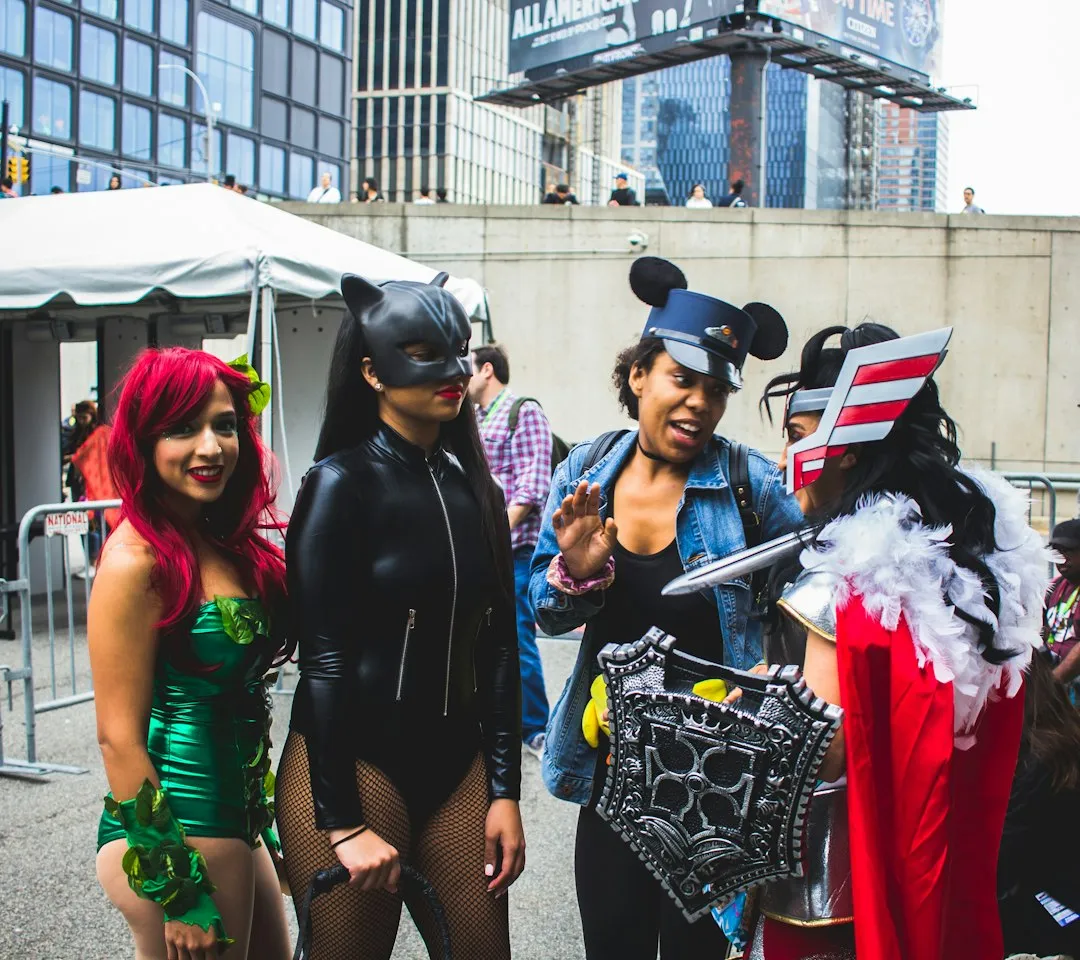
Most Halloween costumes are dark and spooky in nature, often in shades of black, brown, or deep reds, making it harder for drivers to spot children on the street, especially in dimly lit areas. Wearing light colors, reflective tape, or glow sticks helps keep children visible. Face paint, especially lighter or brighter shades, works naturally alongside these additions rather than against them.
Reflective Gear: The Easy Addition Most Parents Skip
About 70 percent of adults do not accompany their children when they go trick-or-treating, and around 63 percent of children trick-or-treat in the dark without a flashlight. Those two gaps account for a significant share of the risk. Reflective accessories cost almost nothing and dramatically change how visible a child is from a distance.
Reflective tape can be added to darker costumes, while flashlights, glow sticks, and wearable lights can help motorists spot trick-or-treaters. Adding reflective material to the front and back makes a costume easier to pick out, and these elements can even be incorporated into the design. A skeleton costume with reflective tape along the “bones” is both on-theme and visible from a car length away.
What the Chicago and Sacramento Data Tells Us
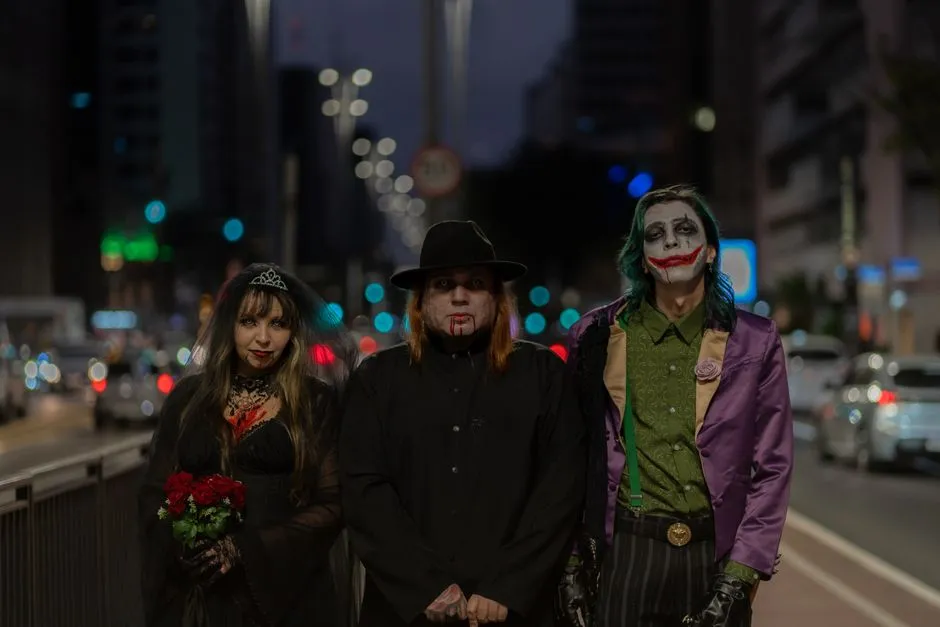
An analysis of five years of Chicago Halloween crash data found that pedestrian-involved crashes on Halloween 2025 were about 108 percent above the average for comparable days, with 21 crashes compared to an average of about 10. The biggest increases came before dark, around 3 and 4 p.m., possibly coinciding with school dismissal and early trick-or-treating, and children ages 3 to 9 made up more than double their usual share of pedestrians involved in Halloween crashes.
Two children were severely injured in Sacramento on Halloween night 2025. The children were out trick-or-treating a little before 9 p.m. when a vehicle struck them. Children in costumes may have their vision obstructed, especially if they are wearing masks. Real incidents consistently point back to the same combination of low light, restricted vision, and dark clothing.
The Role of Drivers on Halloween Night
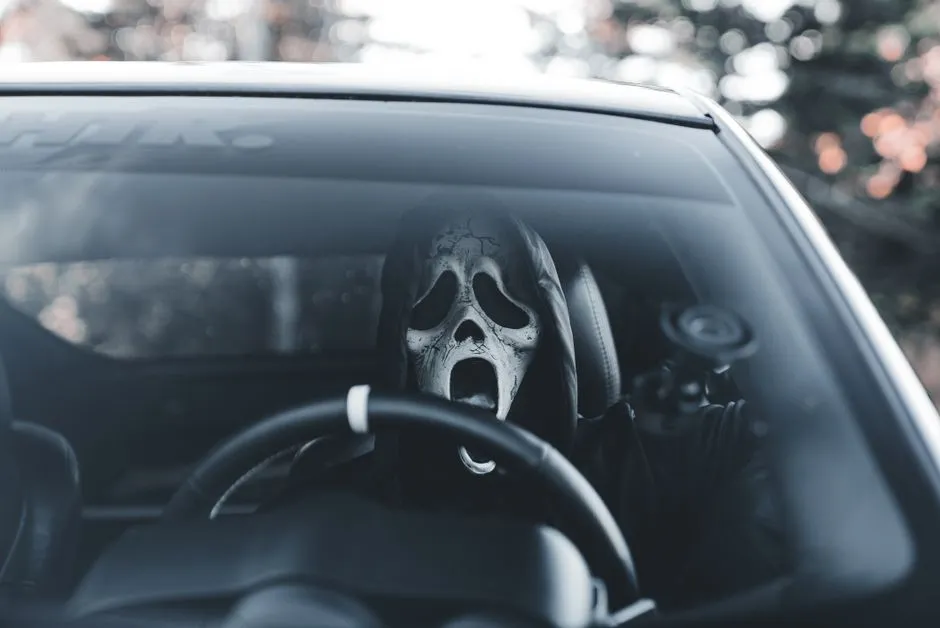
Federal Highway Administration data show that the vast majority of pedestrian fatalities occur after dark, and the nighttime fatality rate on U.S. roads is three times the daytime rate. Over 70 percent of Halloween pedestrian accidents occur away from an intersection or crosswalk, which means children are frequently crossing where drivers are least prepared to see them.
Officials encourage pedestrians to make eye contact with drivers before crossing and never assume a vehicle will stop. Motorists should use extra care when driving on Halloween, especially in residential neighborhoods, and should not pass stopped vehicles that might be dropping off children or stopping for pedestrians. Responsibility on Halloween runs both ways, even if parents can only control their side of it.
The Takeaway
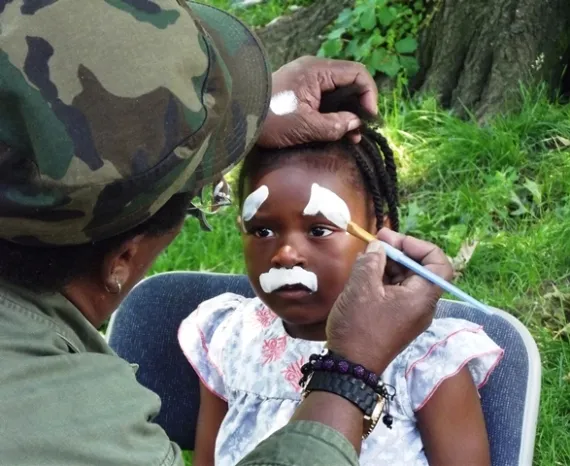
The mask swap isn’t about limiting fun. It’s a practical fix for a real, documented problem. Costumes and masks can make it harder for drivers to see children and for children to see approaching traffic, and that combination is what makes Halloween genuinely riskier than other nights. Face paint solves half that equation instantly.
A child with a painted face, a brightly trimmed costume, and a flashlight in hand has virtually the same Halloween experience as a child in a full mask. The difference is that they can actually see the sidewalk, the curb, and the car that’s coming. That’s worth the extra ten minutes of prep the night before.
AI Disclaimer: This article was created with the assistance of AI tools and reviewed by a human editor.