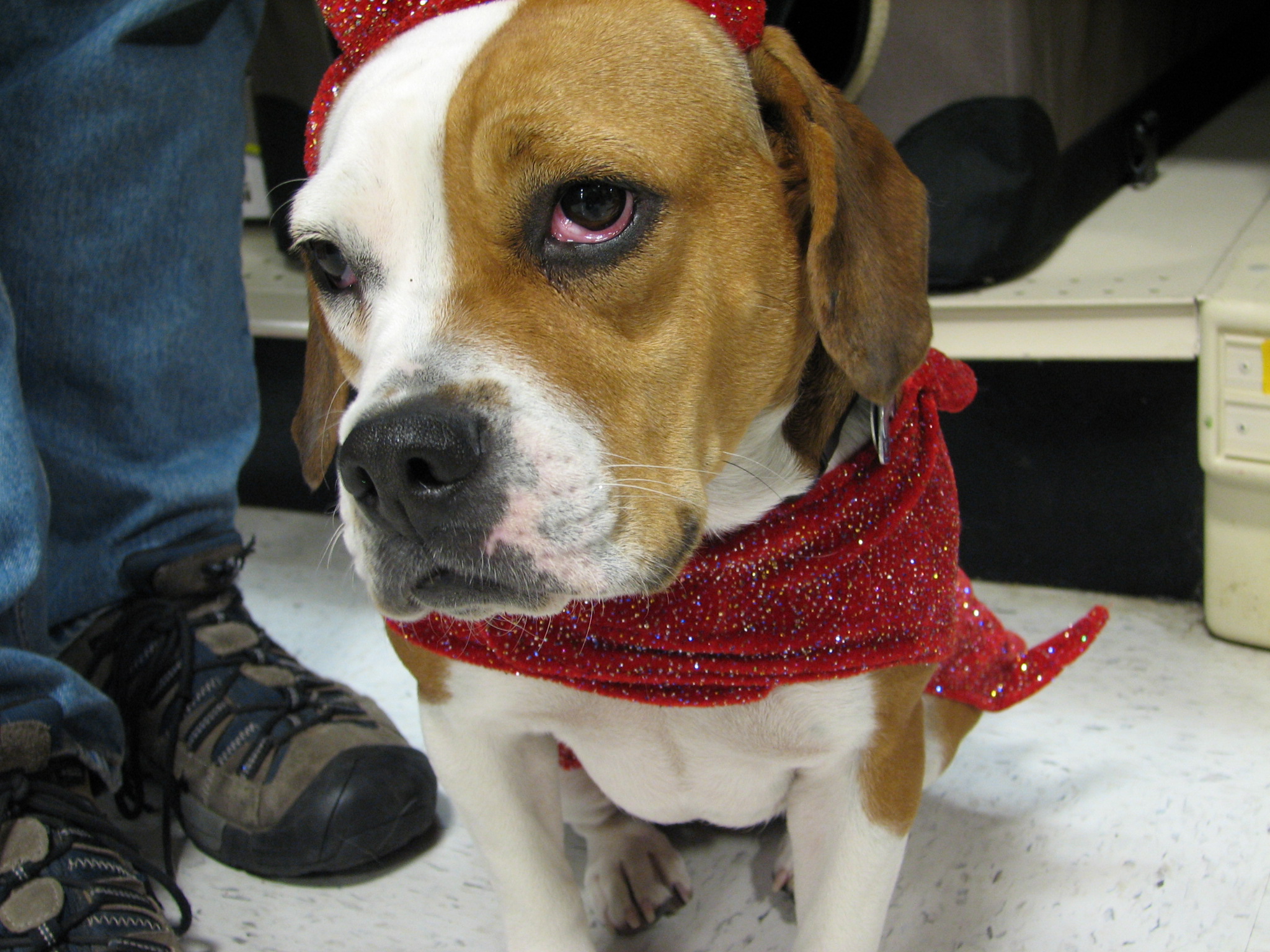

Why Panting Is Not Optional for Dogs
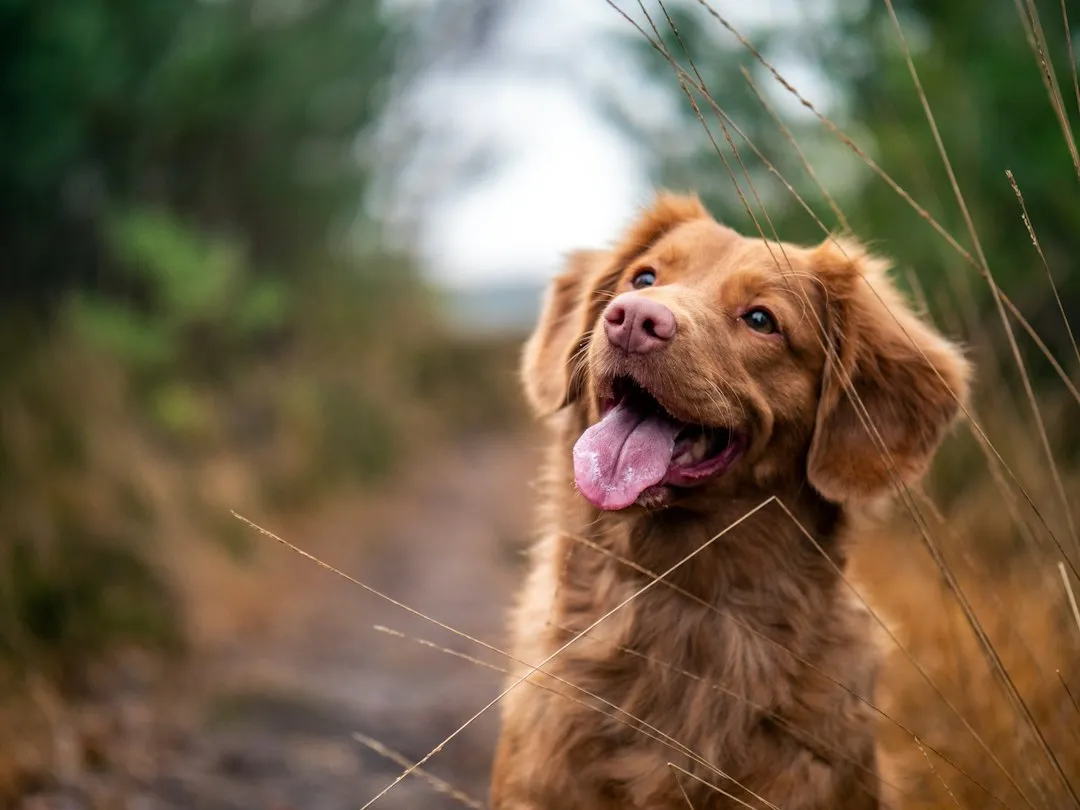
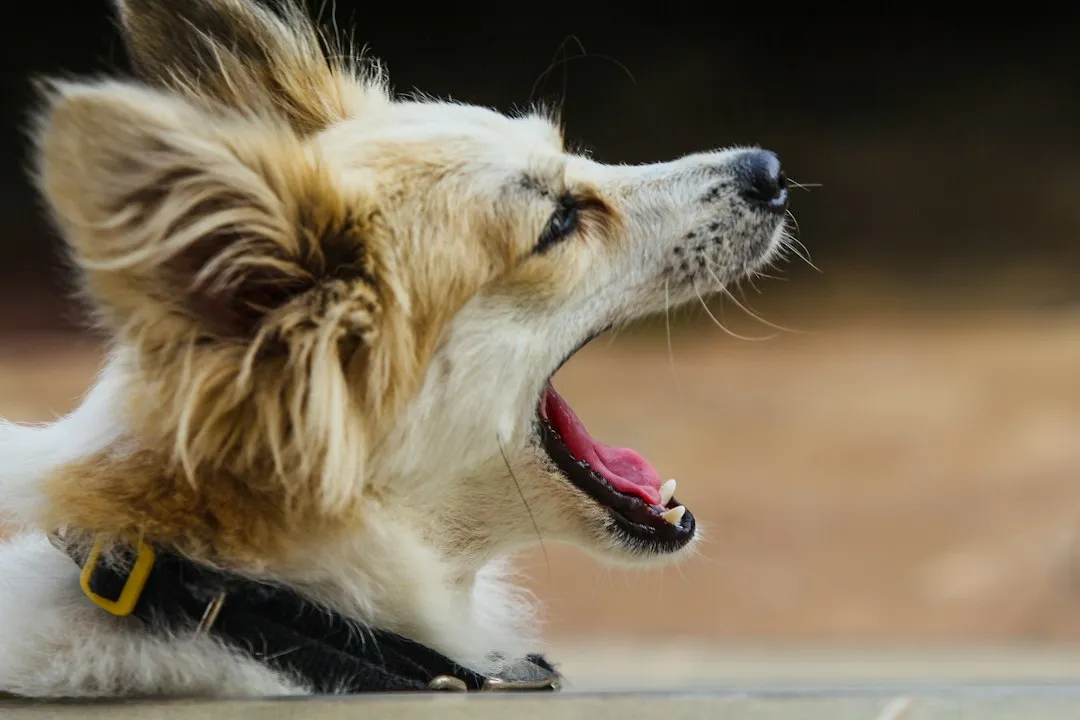
Panting in dogs is rapid, shallow breathing with the mouth open and the tongue hanging out. It primarily serves the purpose of thermoregulation, since dogs cannot sweat through their skin – sweat glands are found almost exclusively on the pads of their paws – and they cool themselves through evaporation via the moist mucous membranes of the mouth, tongue, and upper respiratory tract.
During panting, the skin on the tongue and in the muzzle is cooled by water evaporation, which is improved by forced airflow resulting from increased inhalation and exhalation. Research has confirmed that heat dissipation through panting accounts for roughly sixty percent of total cooling, which is significantly higher than conduction via the body surface.
Studies have shown that a dog’s respiratory rate can rise from around thirty breaths per minute at rest to as high as three hundred to four hundred breaths per minute during active panting. That is an extraordinary physiological shift, and it depends entirely on unrestricted airflow.
The Neck Opening: The Detail Most People Overlook
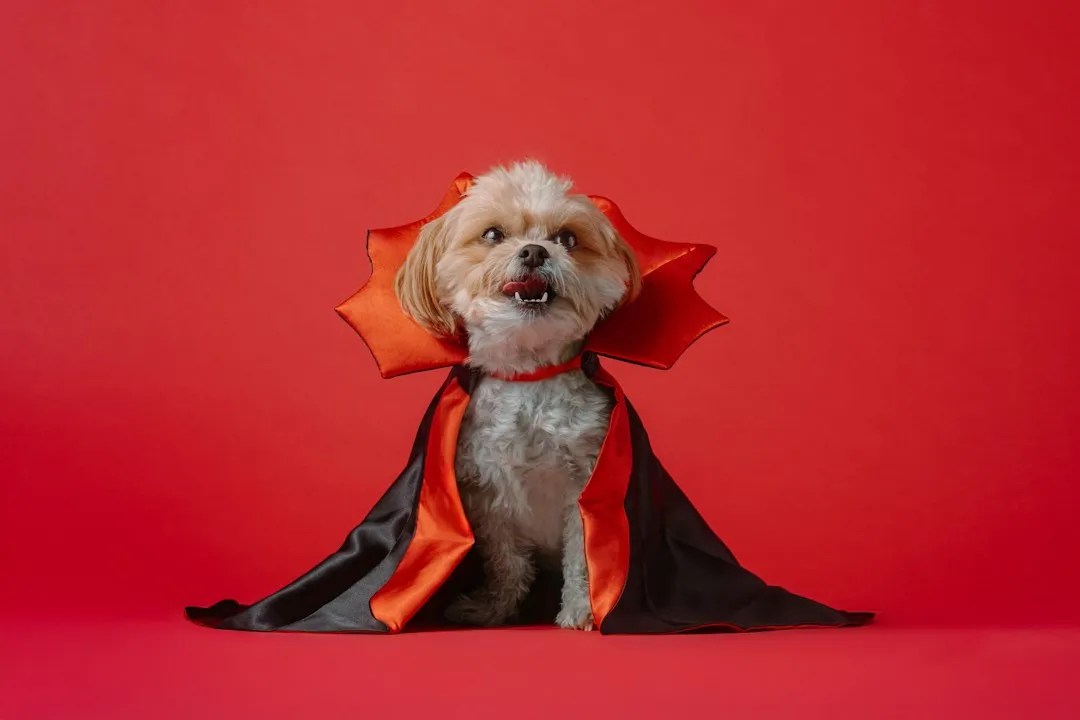
Tight neck openings in costumes can put pressure on the throat or interfere with comfortable movement. This is the single most overlooked detail when people choose dog costumes, partly because it is hidden under the fabric and partly because the dog may not react immediately.
The costume should never be too tight, as this can restrict your dog’s breathing. What makes neck tightness particularly risky is that it can compound stress. A dog already anxious from a loud Halloween environment may begin panting heavily – and if the neck of the costume is pressing against the throat, that panting becomes harder and less effective at the exact moment it is needed most.
As a practical guide, you should be able to get two or three fingers between your pet and any fabric or tie that goes around your pet, especially around the neck. This two-to-three finger rule is widely recommended by veterinary professionals.
How Tight Fabric Near the Neck Affects Airflow
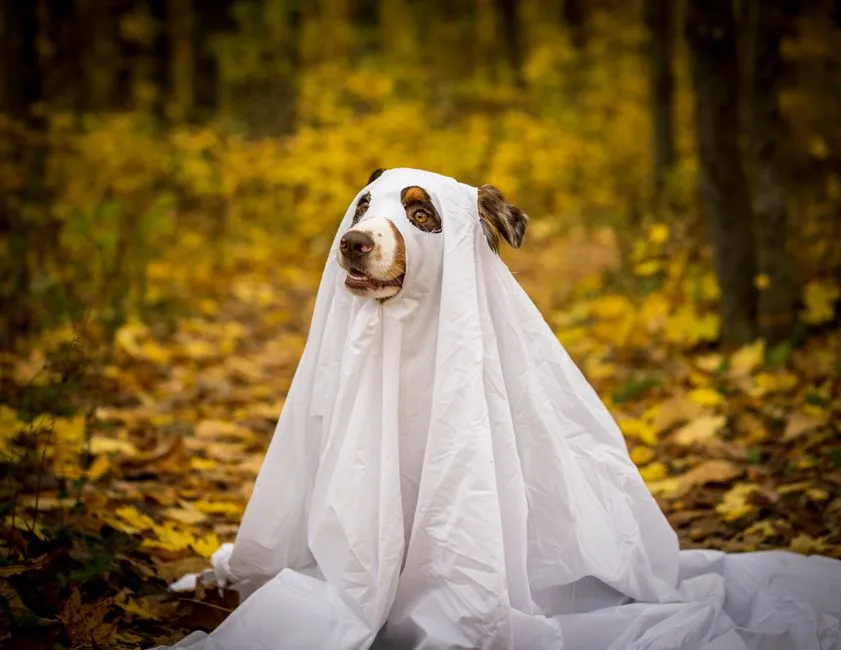
The main mechanism for heat exchange in the dog to keep the brain cool involves a small network of arteries called the carotid rete, which is surrounded by venous blood that drains the nasal and oral passages. Warm blood in the arteries loses heat to the venous blood, which is cooled by evaporation in the nose and mouth. When dogs are panting, evaporation from the nose and mouth increases and the brain is kept cooler than other deep body regions.
Since the brain is sensitive to overheating, and thermoregulation at the level of the carotid rete is important for cooling of the brain, it is important that dogs be allowed to pant and that air be allowed to flow over the evaporative surfaces of the mouth.
Tight or bulky garments can make breathing harder, particularly around the neck and chest. Heavy or non-breathable fabrics trap hot air next to the skin, stopping heat from escaping. Even fabric that seems thin can be problematic when it forms a snug ring around the neck area.
Elastic Bands and Straps: A Hidden Risk Inside the Costume
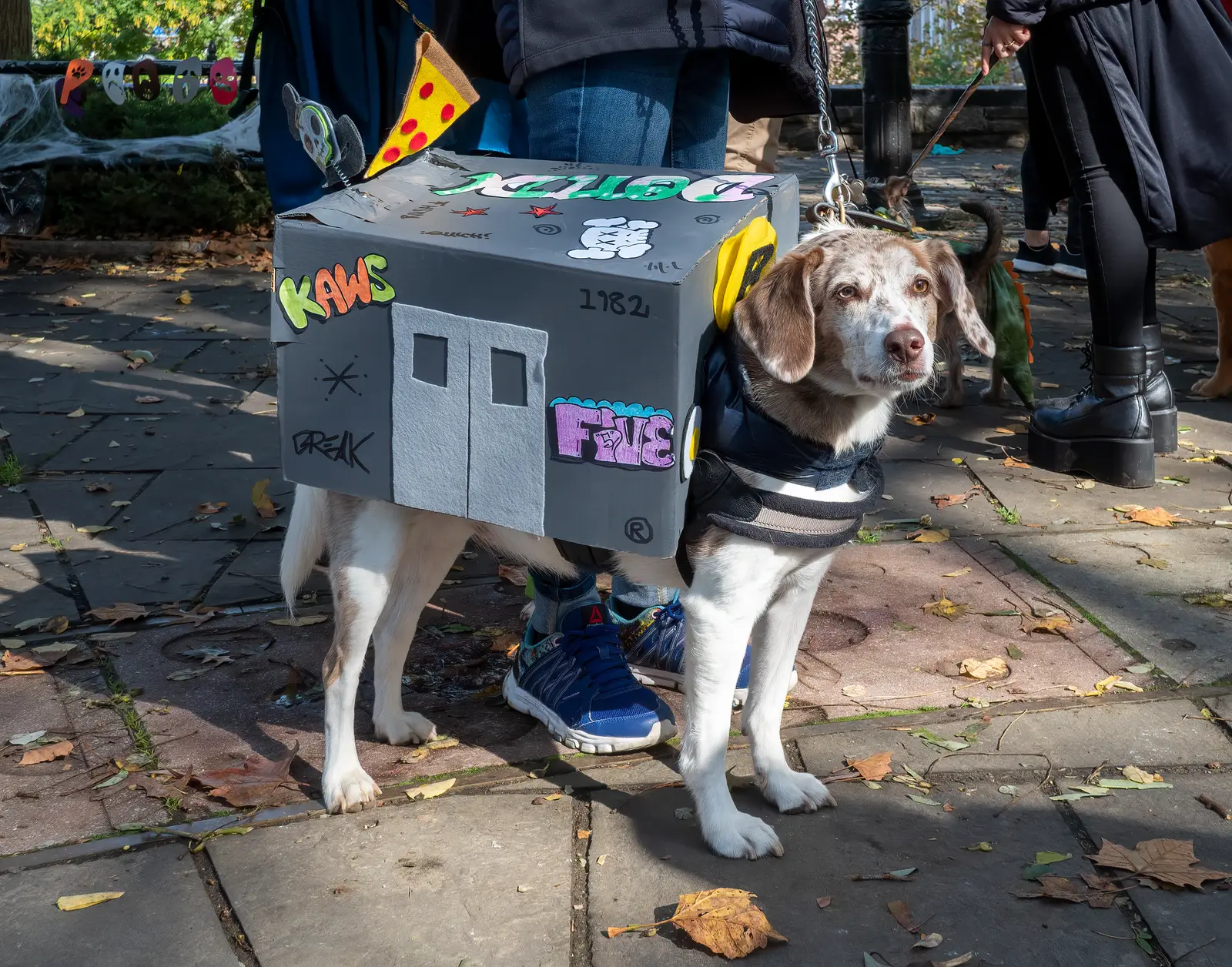
Bands around the neck, legs, or belly can pinch skin or restrict movement. Many store-bought dog costumes use cheap elastic to hold the outfit in place, and this elastic can tighten further when a dog moves, jumps, or tries to scratch at the costume.
Skipping masks, which can interfere with vision and restrict airflow, and avoiding overly tight elastic bands are key steps in keeping a costumed dog safe.
Elastic or straps should never hold the mouth closed, since dogs cool themselves by panting. Nothing around the neck that can tighten is acceptable – that means avoiding strings, ribbons, or ties as well. These details are easy to miss at the point of purchase but become dangerous once the costume is actually on the dog.
The Breeds That Face the Biggest Risk
Brachycephalic breeds – such as Bulldogs and Pugs – present unique thermoregulatory limitations due to shortened nasal passages and compromised upper airway anatomy, reducing the efficiency of evaporative cooling via panting. For these dogs, any additional restriction near the neck or muzzle is not just uncomfortable. It is genuinely dangerous.
With their short muzzles and narrow airways, brachycephalic dogs are not very efficient at panting, which means that in hotter weather, they can overheat quite quickly. Brachycephalic breeds are twice as likely to suffer the effects of heat exhaustion compared to their longer-nosed counterparts.
Flat-faced breeds like Pugs, Bulldogs, and Boston Terriers already struggle to regulate their body temperature. Putting them in a full-body costume puts them at significant risk of overheating, even in mild weather. For these breeds, the safest choice is almost always no costume at all.
Fabric Matters as Much as Fit
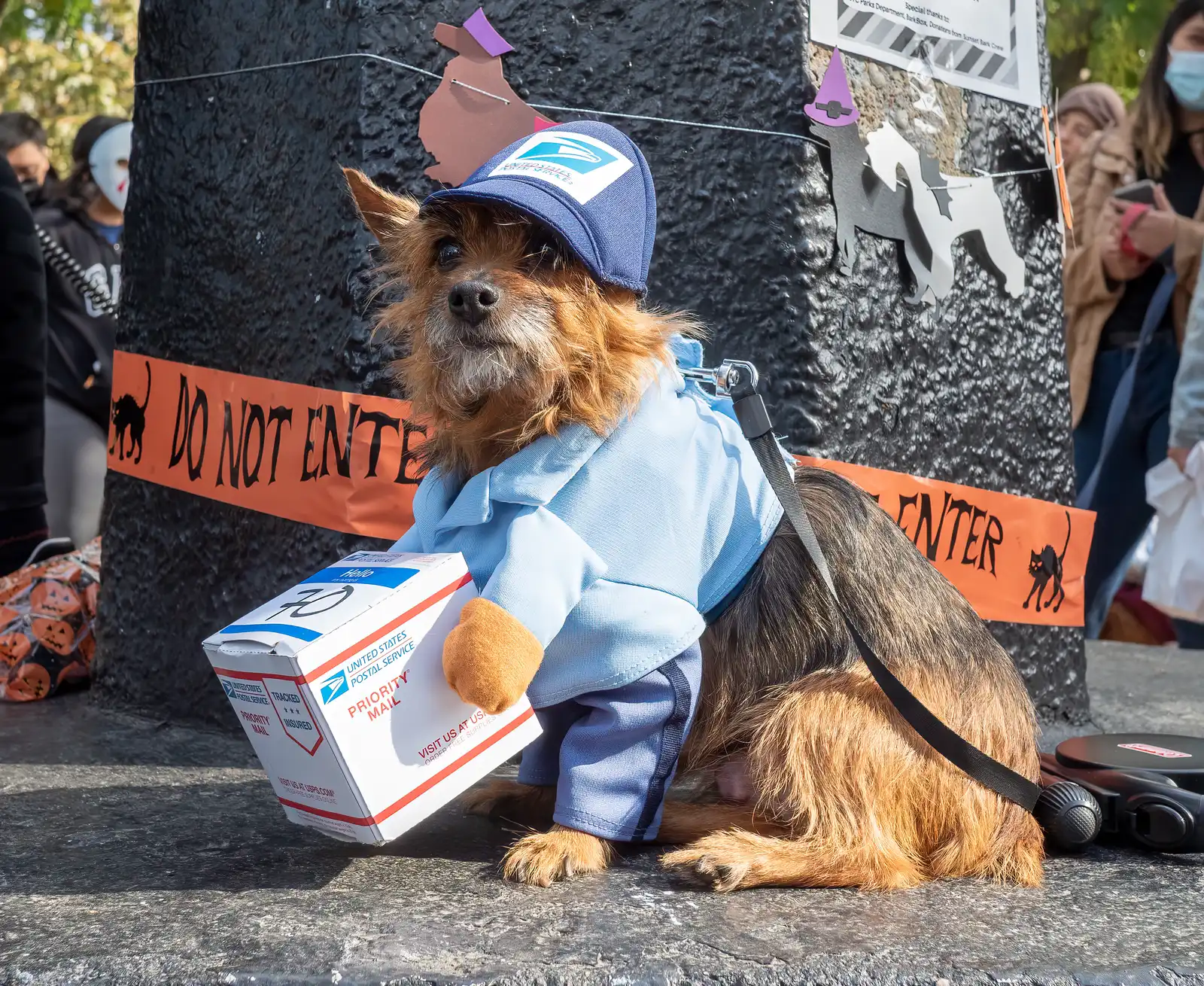
Many inexpensive costumes are made from synthetic fabrics that trap heat or irritate sensitive skin. Choosing breathable materials without strong chemical odors, and making sure the costume is not flammable, are all part of responsible costume selection.
Dogs cool themselves mostly through panting, and anything around the neck can make them feel hot. Fabric that is thick or consists of layers can help retain heat, particularly in hot weather, during high activity, or in anxious dogs who pant heavily.
If you live in a warmer climate or expect a hot Halloween, stick to lightweight, breathable fabrics and avoid full-body costumes that will trap heat against your pet’s body. The same principle applies in any warm indoor setting – a crowded party is not much cooler than an autumn evening outside.
Recognizing Distress Before It Becomes an Emergency

Indications of stress in a costumed dog can include panting, lip licking, pacing, flattened ears, crouching, trying to remove the costume, and freezing in place. The tricky part is that some of these signs are subtle, especially in a busy social environment where an owner’s attention is divided.
Excessive panting or falling behind should signal you to remove the costume. If a dog is working noticeably harder to breathe, or the panting sounds labored rather than steady, that is a clear sign the costume is interfering with normal thermoregulation.
Most importantly, let your pet’s comfort guide the decision, and remove the costume if your animal shows signs of distress. There is no costume worth pushing through clear warning signs.
How to Check a Costume Before Your Dog Wears It
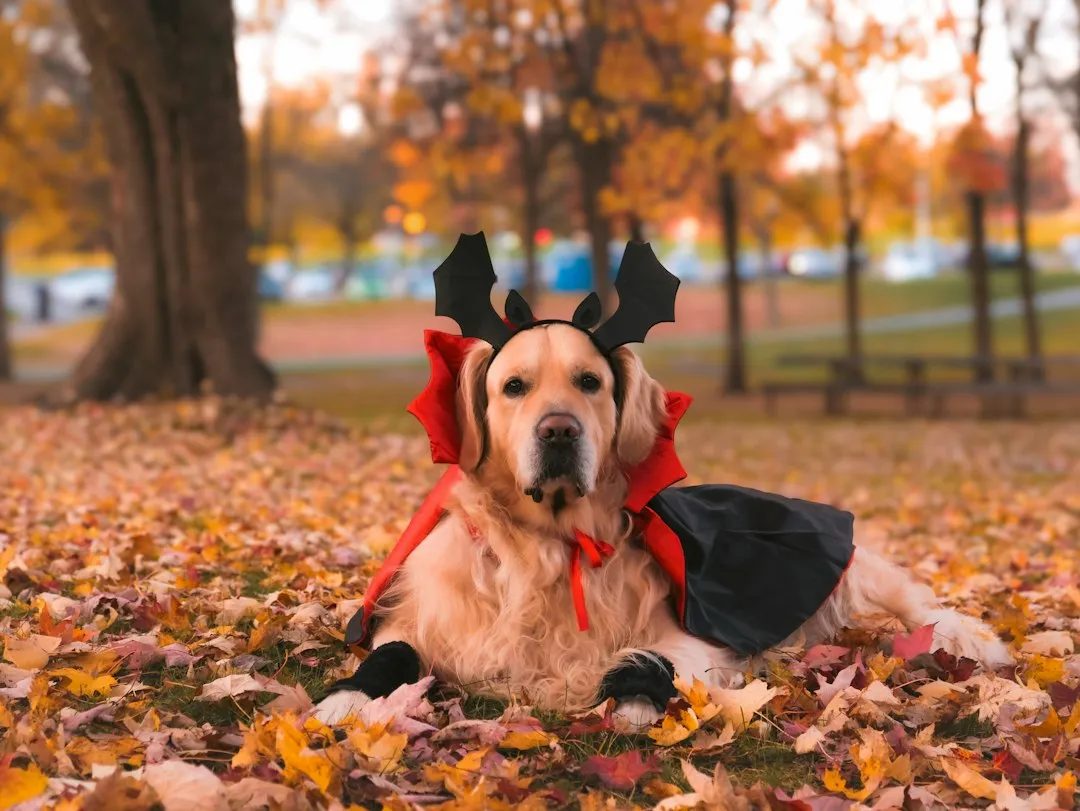
A costume can look harmless but still contain features that put pets at risk. Small decorations, hanging pieces, tight straps, and face coverings all deserve special attention. Inspect the entire outfit before your pet wears it, including the inside seams and fasteners.
A safe costume should allow your pet to walk, sit, lie down, turn around, and use the bathroom without difficulty. Your pet should also be able to pant normally, particularly if they are a dog, because panting helps regulate body temperature.
Keep in mind that a costume can fit differently depending on the position of the dog. If the dog sits down or rolls over, their skin and body fat is redistributed, meaning a costume that sits perfectly when the dog is standing may be too tight when the dog reclines. Always test the fit in multiple positions, not just while the dog is standing still.
Safer Alternatives That Still Look Great
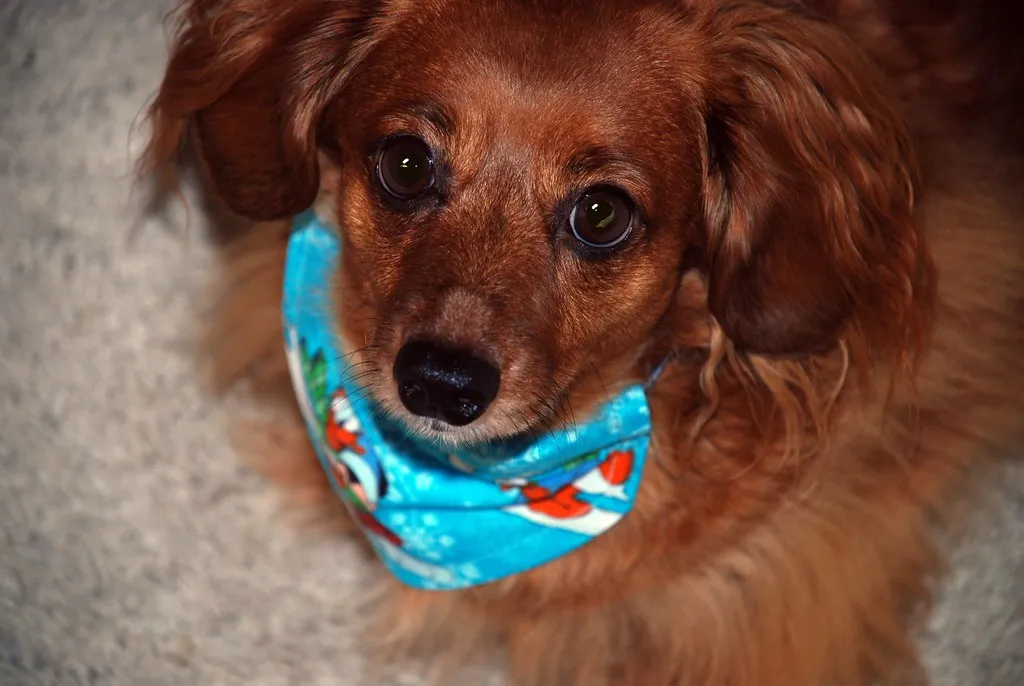
Since most dogs are accustomed to wearing collars, small costumes worn around the neck, such as a bandana or bow tie, are typically tolerable. These options are festive without creating any pressure around the airway or restricting movement.
According to guidance from veterinary and animal welfare organizations, dogs regulate temperature through panting, and costumes restricting the body impair this, especially for brachycephalic breeds. Safe alternatives include a bandana, a cape covering the back only, or a lightweight jacket.
Never leave a dog alone in a costume, and keep sessions short, especially in warm weather when dogs can overheat. Even a well-fitted, breathable costume carries some risk if worn for hours on end without supervision or rest periods.
What Vets and Animal Welfare Groups Recommend
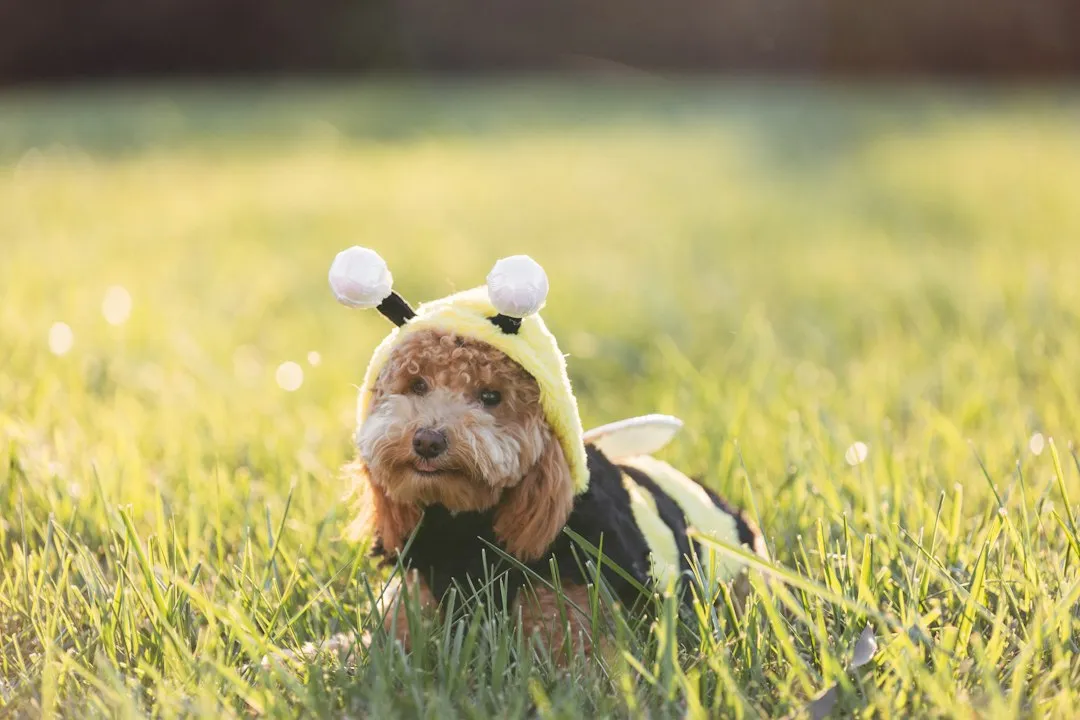
A safe costume should let the pet sit, lie down, climb stairs, and move comfortably, with nothing blocking their vision, compressing their ears, restricting their breathing, or changing how they walk. That is a useful checklist to run through mentally before any costume goes on a dog.
A costume that restricts movement, impairs natural thermoregulation, prevents a dog from communicating through body language, or causes demonstrable distress could constitute a welfare concern. Organizations like the BVA and RSPCA have also noted that costumes impede dogs’ ability to signal discomfort, fear, or aggression – increasing risk of conflict with other dogs and humans.
Many dogs can wear costumes safely when the outfit fits properly, allows free movement, and does not restrict breathing or vision. Introducing the costume gradually and supervising the dog while it is on are important steps. Remove it if your dog seems stressed or uncomfortable.
The Takeaway
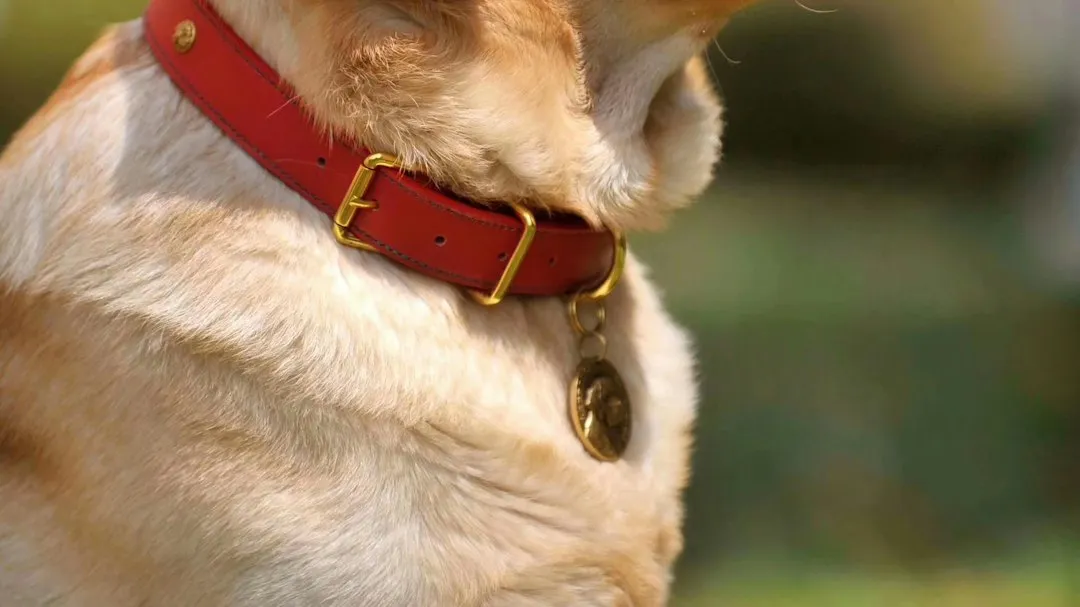
The neck opening of a dog costume is probably the last detail most people inspect when they’re standing in a store aisle or clicking “add to cart.” It is also one of the most consequential. A snug fabric ring or tight elastic band around a dog’s throat is not just a fit problem – it can directly compromise the one physiological tool a dog has for managing its own body temperature.
Panting works because it is unrestricted. The moment fabric limits that process, even mildly, the safety margin starts to shrink – faster for some breeds than others. A quick fit check, a preference for breathable fabric, and a willingness to skip the costume entirely when a dog signals discomfort go a long way toward keeping the occasion genuinely fun rather than quietly risky.
AI Disclaimer: This article was created with the assistance of AI tools and reviewed by a human editor.