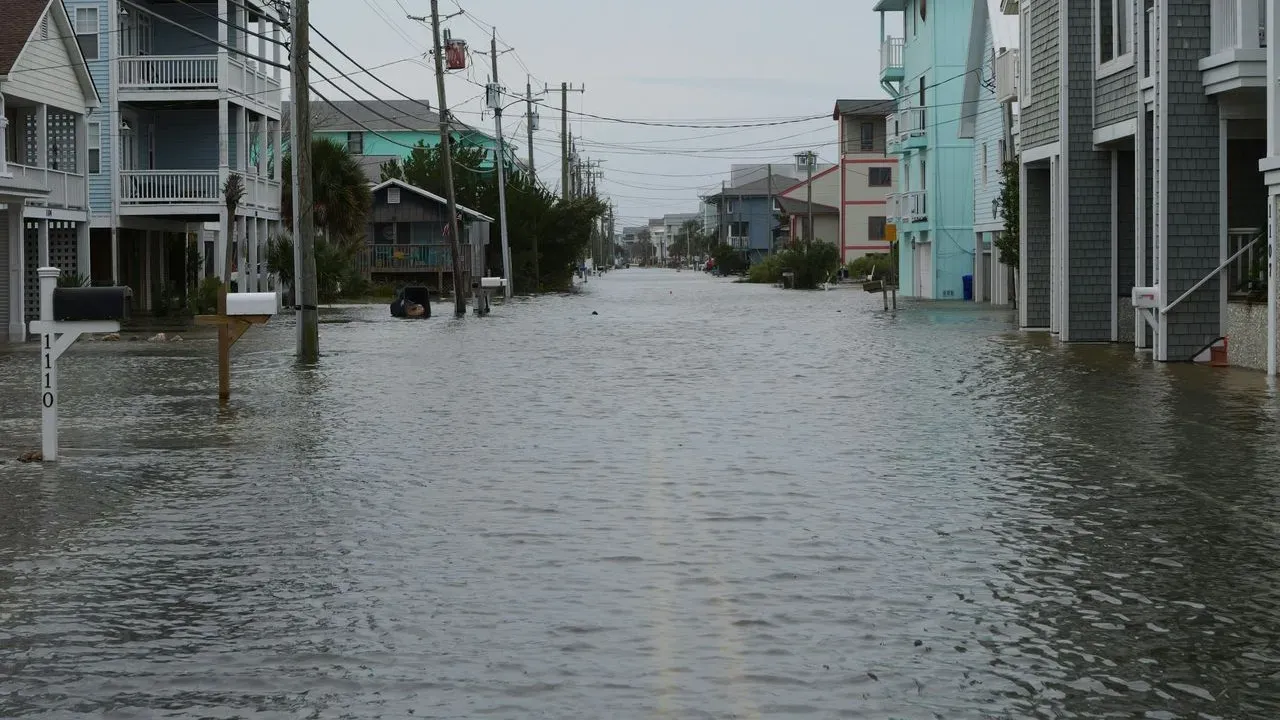

Southern California residents along the shoreline woke up to an unusual sight this week. Ocean water pushed past berms and boardwalks on a clear day, turning streets into shallow rivers and seeping into homes and businesses. The flooding stretched from San Diego northward through Los Angeles County, driven solely by elevated tides rather than any weather system.
Unexpected Water on Sunny Days
Coastal neighborhoods experienced the kind of inundation usually reserved for major storms. Water cascaded over natural and man-made barriers, reaching roads, parking areas, and ground floors of buildings. The absence of wind, rain, or heavy surf made the event stand out to locals who are accustomed to preparing for dramatic weather events. Many residents found themselves moving vehicles and sandbagging doorways under blue skies. The contrast between calm conditions and rising water created immediate practical challenges for daily routines. Businesses along the water had to close or limit access while crews worked to clear debris and pump out standing pools.
Hardest-Hit Spots Along the Coast
Newport Beach’s Balboa Peninsula saw some of the most noticeable effects, with water crossing into residential streets and commercial zones. Further north, the International Boardwalk in Redondo Beach also flooded, forcing temporary closures and disrupting foot traffic. These locations sit within a broader stretch of coastline that runs from San Diego through Los Angeles. Each area shares similar low-lying topography that allows higher tides to reach developed zones more easily. Local officials monitored conditions closely as the water receded and returned with subsequent tidal cycles.
Why Tides Alone Produced This Outcome
The event stems from a combination of astronomical high tides and the region’s coastal geography. Without a storm to generate additional surge or waves, the water still reached problematic levels because the baseline tide height was already elevated. This created what some observers described as a perfect storm without a storm. The result left communities dealing with saltwater intrusion into streets and properties at a time when no weather alerts were in effect. Officials noted that such tidal flooding can occur several times a year when lunar and solar alignments push tides higher than normal.
Looking Ahead for Coastal Residents
Additional flooding episodes remain possible in the coming days as the tidal cycle continues. Communities are advised to monitor local updates and prepare for repeated water incursions during peak high-tide windows. For homeowners and business owners, the immediate focus stays on protecting property and clearing water quickly to limit damage. The situation underscores how routine tidal patterns can still disrupt life along the Southern California coast even when the weather stays calm.
AI Disclaimer: This article was created with the assistance of AI tools and reviewed by a human editor.