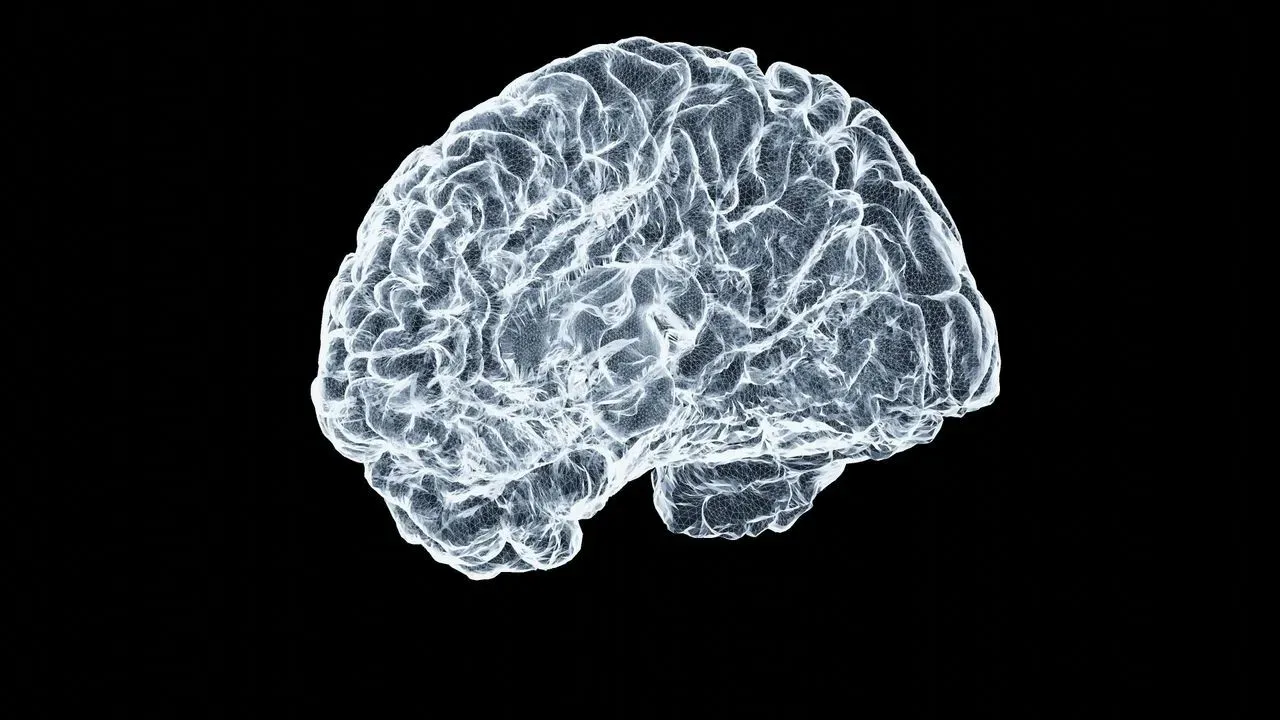

A new study released Wednesday has drawn fresh attention to the lasting impact of head trauma in professional football. It estimates that nearly three in four former NFL players showed evidence of chronic traumatic encephalopathy, or CTE, at the time of their death. The finding arrives amid continued scrutiny of player safety and long-term brain health in the sport.
A Striking Prevalence at Death
The research places the rate of CTE among deceased former players at roughly 75 percent. This figure reflects conditions identified after death rather than diagnoses made during life. Such studies often examine brain tissue from individuals who had played at the highest levels of the game. The result highlights how common the degenerative condition appears in this specific group.
What CTE Represents
Chronic traumatic encephalopathy is a progressive brain disease linked to repeated head impacts. It can only be confirmed through postmortem examination of brain tissue. Symptoms associated with the condition may include memory loss, mood changes, and cognitive decline, though these can vary widely among individuals. The new estimate adds to a growing body of work examining how years of play may contribute to such outcomes.
Broader Context for Football
The NFL has faced sustained questions about concussion protocols and long-term player welfare. Earlier research has already documented CTE in many former players who donated their brains for study. This latest estimate reinforces the scale of the issue while leaving open questions about how representative the examined cases are of all former players. League officials have pointed to rule changes and medical advancements as steps toward reducing risk.
Looking Ahead
The study underscores the need for continued research into prevention and early detection methods. Families and former players alike continue to grapple with the uncertainties surrounding brain health after careers in contact sports. As more data emerges, the conversation around football’s future safety standards is likely to persist.
AI Disclaimer: This article was created with the assistance of AI tools and reviewed by a human editor.