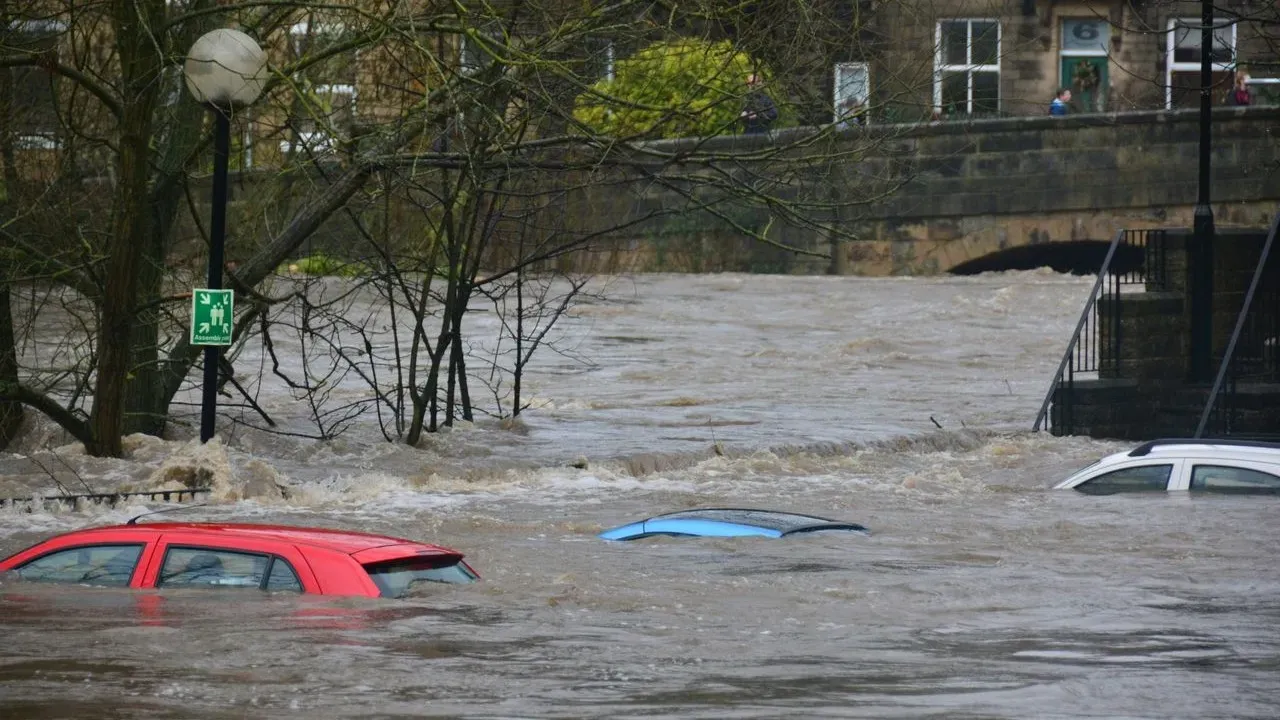

Southern California – Record-breaking high tides have driven extensive flooding across parts of the region, leaving homes and major roadways underwater in recent days. The surge has disrupted normal routines and drawn attention to the power of coastal conditions at their peak. Observers noted the unusual scale of the inundation as waters reached areas not typically affected by routine tidal cycles.
The Event Unfolds
High tides climbed to levels not seen in recent memory, pushing seawater well beyond normal shorelines. Streets turned into temporary waterways, and low-lying properties took on water that reached doorsteps and beyond. The timing coincided with peak tidal periods, amplifying the reach of each wave. ([1])
Highways serving coastal communities faced closures or reduced access as water covered lanes and shoulders. Drivers encountered unexpected obstacles, forcing detours and delays during commute hours. Local authorities monitored conditions closely while residents assessed immediate needs around their properties.
Effects on Homes and Neighborhoods
Many homes in affected zones saw water enter yards and, in some cases, ground floors. Residents moved vehicles and belongings to higher ground where possible, responding to the rapid rise. The flooding remained localized yet widespread enough to affect multiple communities along the southern coast.
Everyday activities shifted as families navigated around standing water and saturated ground. Cleanup efforts began in places where tides receded, though repeated high-water cycles posed ongoing challenges. The situation highlighted how quickly coastal living can be altered by natural tidal extremes.
Impact on Roads and Travel
Major routes experienced partial or full submersion, complicating travel for commuters and delivery services alike. Emergency responders remained on alert for stranded vehicles or access issues in flooded zones. Officials urged caution and advised against unnecessary trips near the shoreline during peak tide windows.
Transportation networks adapted with temporary rerouting where feasible. The disruptions underscored the vulnerability of low-elevation infrastructure to elevated sea levels during these events. Recovery of normal traffic patterns depended on the next tidal cycle and any additional rainfall.
What matters now: Residents and officials continue monitoring tidal forecasts as the region recovers from the latest surge. Preparedness measures remain key for coastal areas facing similar conditions in the future.
AI Disclaimer: This article was created with the assistance of AI tools and reviewed by a human editor.