

Obstructive Sleep Apnea: The Most Investigated Connection

Researchers have documented a clear link between morning headaches and obstructive sleep apnea (OSA), a sleep-related breathing disorder. OSA involves repeated interruptions to breathing during the night, and the body’s response to those interruptions can reach the brain in uncomfortable ways.
The lapses in breathing that characterize sleep apnea can cause lower blood oxygen levels during sleep. This allows less oxygen to reach the brain and causes carbon dioxide to accumulate in the bloodstream, whereby blood vessels in the brain expand. As the pressure from that expansion builds up, it may develop into a sleep apnea headache and cause pain.
A 2024 systematic review combined 23 studies involving more than fifteen thousand people. In OSA samples, the pooled prevalence was about one in three for morning headache. That figure is notably higher than the general population rate, which sits closer to five to seven percent.
Why Sleep Fragmentation May Matter More Than Oxygen Levels

Recent findings suggest that sleep fragmentation, rather than OSA severity alone, may be a key determinant of morning headaches, particularly in women, underscoring the need for sex-specific approaches beyond apnea-hypopnea index-based assessment. This is a meaningful shift in how researchers understand the problem.
In a retrospective sleep clinic study of more than a thousand people referred for polysomnography, roughly three in ten reported morning headache, but the apnea-hypopnea index, oxygen measures, and arousal index were not statistically associated with the symptom. In other words, headache frequency didn’t simply track with how severe the breathing interruptions were.
Headaches and sleep disturbances may be independent, derived from a single pathogenetic factor, or their relationship may be bidirectional. That complexity is part of why morning headaches remain a topic of active research rather than a solved equation.
Teeth Grinding (Bruxism) and the Jaw-Head Connection
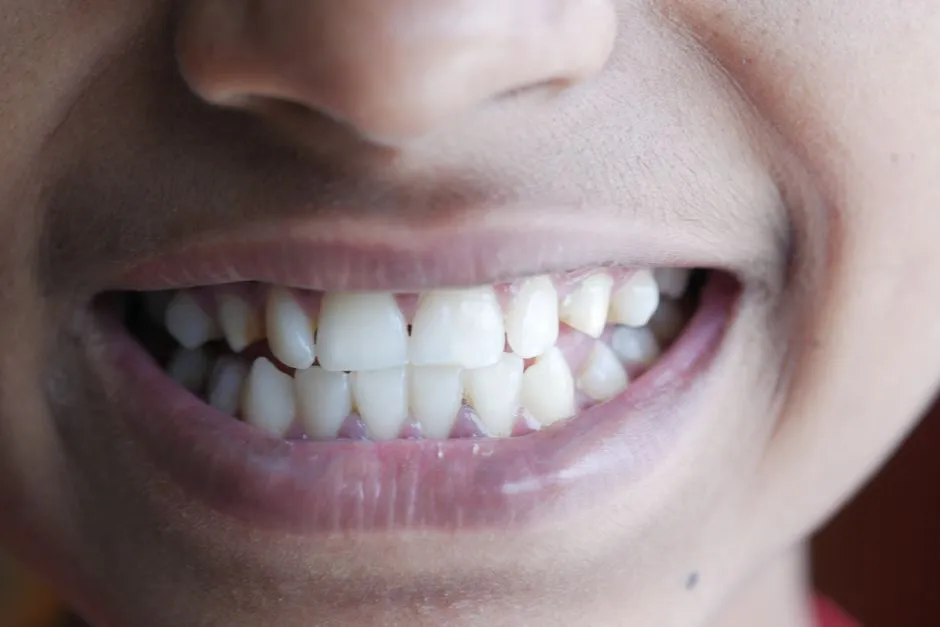
Sleep bruxism is when you grind or clench your teeth while you sleep. This occurs in roughly thirteen percent of adults. Many people with the condition aren’t aware they do it, since it happens entirely during unconscious sleep.
A morning headache caused by bruxism is usually a tension headache on both sides of the head. You may also have tenderness around the temporomandibular joint or jaw muscles. That bilateral pressure around the temples is one of the clearest signs that grinding, not something neurological, is the culprit.
This tension can radiate to your temples, forehead, and the back of your head, causing morning headaches. Symptoms include jaw soreness, worn tooth enamel, increased tooth sensitivity, and headaches concentrated around the temples. A dentist can often spot the wear patterns before a person ever connects it to their headaches.
Dehydration Overnight: A Simple Cause That’s Easy to Overlook
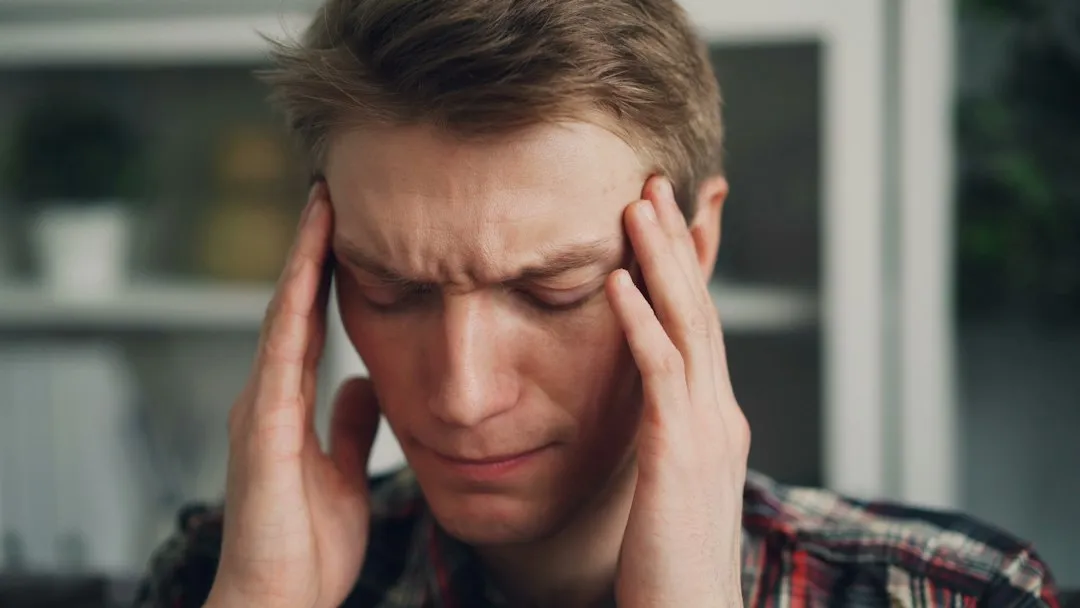
Dehydration is a common and often overlooked cause of morning headaches. When your body lacks enough fluids, it can lead to reduced blood volume and lower oxygen flow to the brain, which may trigger pain or pressure sensations in the head. Going several hours without water while sleeping, especially if you snored, breathed through your mouth, or consumed alcohol the night before, can leave you mildly dehydrated by morning.
Overnight, the body loses fluids through breathing and perspiration. If you’re not hydrating well during the day, this can lead to a dehydration headache. Signs often include a dull, throbbing headache accompanied by a dry mouth.
Caffeine Withdrawal: The Clock Is Running While You Sleep

Caffeine is a substance that may cause headaches. If the headache is in the morning, caffeine withdrawal is a possible culprit. Caffeine withdrawal headaches usually begin twelve to twenty-four hours after your last caffeine intake. For someone who drinks coffee every morning and then skips an evening cup, the math lines up perfectly to deliver a headache at sunrise.
Caffeine affects blood vessels in the brain. When intake suddenly drops, blood vessels expand, which can trigger pain. The fix sounds obvious enough, but the real solution is gradual reduction rather than continued dependence, since the cycle tends to self-reinforce.
The Role of the Brain’s Overnight Waste-Clearing System

Sleep deprivation disrupts pain-modulation pathways, raises inflammatory markers, and impairs the brain’s glymphatic waste-clearance system, all of which can trigger headaches. The glymphatic system is essentially the brain’s overnight cleaning crew, and poor sleep leaves that job unfinished.
During deep sleep, the brain activates the glymphatic system, a network that flushes out metabolic waste products, including inflammatory molecules. Skip deep sleep, and these waste products accumulate. The result is neuroinflammation that can trigger or worsen headaches.
Both too little and too much sleep are associated with headaches, with seven to nine hours per night being the protective range for most adults. That last point catches many people off guard. Oversleeping on weekends can be just as headache-inducing as undersleeping during the week.
Migraine and the Sleep Trigger Loop

A study by researchers at the University of Arizona Health Sciences identified a link between poor sleep and migraine attacks, suggesting that improving sleep health may diminish migraine attacks in people with migraine. The relationship has a distinct one-way character worth noting.
Migraine is widely recognized as one of the most disabling neurological conditions, often accompanied by recurrent headache attacks along with disruptions in sleep and cognitive function. Morning is a particularly vulnerable time because cortisol levels rise sharply in the early hours, and medications taken the night before can wear off during that window.
For primary headache disorders, hormonal fluctuations such as cortisol, which peaks in the early morning, the effect of medications wearing off overnight, or morning movement such as from a lying to a standing position or sudden physical activity can also trigger morning headache.
Insomnia and Sleep Loss as Direct Contributors

People with insomnia struggle to fall asleep or to stay asleep. As a result, they often do not get sufficient sleep and may feel unrested or sluggish during the day. That accumulated sleep debt has a real effect on pain sensitivity throughout the body, not just in the head.
Sleep-related factors, including obstructive sleep apnea, circadian disruption, and poor sleep hygiene, are particularly significant, given their direct impact on sleep quality and overall health. Chronic insomnia and morning headaches often exist in a loop where each makes the other worse.
How CPAP Therapy Changes the Picture

Morning headache has been suggested as part of the clinical findings of OSA, and is currently listed in the third edition of the International Classification of Headache Disorders under the title sleep apnea headache. That formal recognition matters because it gives clinicians a defined diagnostic target.
In a study of 116 adults with OSA, the prevalence of morning headache decreased from more than half to under one in five after at least three months of positive airway pressure (PAP) therapy. That’s a substantial drop, and it points to a treatable root cause rather than a symptom people simply have to manage.
A notable correlation was observed between the reduction in daytime sleepiness and the improvement in morning headache following PAP treatment. This adds weight to the idea that sleep quality and morning pain are tracking together, not separately.
Warning Signs That Warrant Prompt Medical Attention

The causes of morning headaches are multifaceted, including primary headache disorders like migraines and cluster headaches, and secondary causes such as sleep disorders, hypertension, abnormal intracranial pressure, and brain parenchymal diseases. Psychological factors, including anxiety and depression, as well as substance use, further complicate the clinical presentation, often requiring a multidisciplinary approach for effective diagnosis and treatment.
A morning headache alone cannot identify sleep apnea. Accompanying clues, including loud snoring, witnessed breathing pauses, waking up gasping, or persistent daytime sleepiness, may make further evaluation worthwhile. These additional signals shift a routine symptom into a pattern worth investigating with a doctor.
Research shows that the probability of morning headaches rises with female sex, a history of hypertension, complaints of unrefreshing sleep, choking at night, and reduced total sleep time. Anyone who recognizes several of those factors together is looking at a picture that warrants a sleep study rather than another glass of water.
The Takeaway

A single morning headache is rarely a crisis. A pattern of them, especially one that repeats most days of the week and resolves within an hour or so of waking, is a different matter entirely. Sleep medicine has become increasingly clear that the morning hours are when the body reports the quality of the night before, and recurring head pain is one of its more insistent reports.
The good news is that most of the causes discussed here are addressable. Sleep apnea responds to airway therapy. Bruxism can be managed with a night guard. Caffeine dependence can be tapered. Dehydration is, at its simplest, correctable. The harder part is actually connecting the morning symptom to the overnight cause, and that often requires the kind of attention most people don’t think to give a headache they expect to fade by breakfast.
AI Disclaimer: This article was created with the assistance of AI tools and reviewed by a human editor.