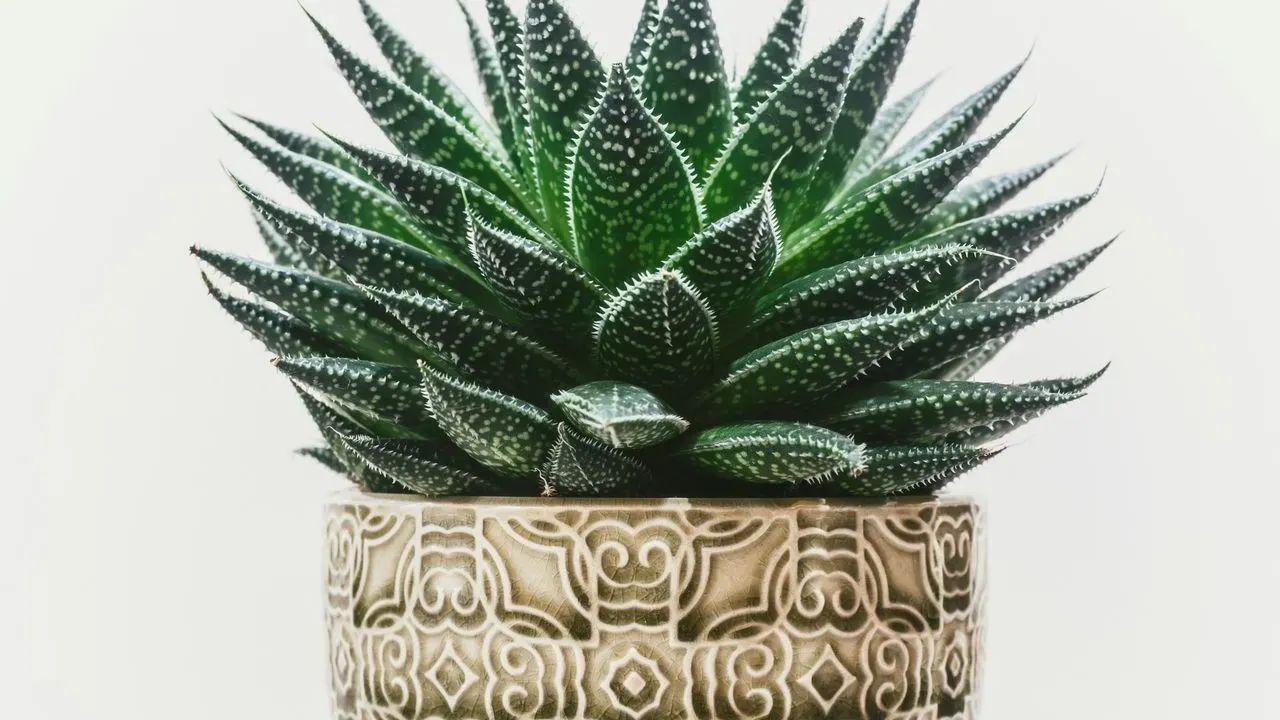

Succulent plants have become a staple in homes for their resilience and distinctive forms. Pet owners frequently face a dilemma when adding greenery, concerned that curious cats or dogs might sample the foliage. The reality offers reassurance rather than restriction. Numerous succulents present no toxicity risk to household animals, allowing plant enthusiasts to decorate without constant vigilance. ([1])
Why Pet Safety Shapes Plant Selection
Households with cats and dogs often prioritize nontoxic options when choosing indoor plants. Succulents fit this need for many owners because a substantial number of varieties cause no harm if nibbled. This compatibility removes a common barrier for people who want low-maintenance greenery alongside their pets. The result is greater freedom to incorporate these drought-tolerant plants into living spaces. Owners report higher confidence when they know certain succulents align with pet-friendly standards. This knowledge supports broader adoption of succulents in family homes. It also encourages careful research before purchase rather than reactive removal after an incident. The distinction between safe and unsafe plants therefore carries practical weight for daily life.
Recognizing the Range of Available Choices
Guides focused on pet safety consistently identify multiple succulents that meet nontoxic criteria. These selections span different shapes, sizes, and care requirements, giving owners flexibility in design. The existence of such lists demonstrates that aesthetic preferences need not conflict with animal welfare. At the same time, some succulents warrant avoidance because they can cause digestive upset or other issues. This contrast underscores the value of verifying each plant before bringing it home. Pet owners benefit from treating plant selection as an informed decision rather than an impulse buy. The process mirrors other household choices where safety data guides outcomes.
Practical Steps for Mixed Households
Start by consulting reliable sources that separate safe succulents from those best kept out of reach. Cross-reference any new plant against established toxicity information before placement. Position safer varieties in areas where pets spend the most time, while reserving higher shelves or separate rooms for any questionable specimens. Regular observation helps catch early signs of interest from animals. Training pets to leave plants alone provides an additional layer of protection. These habits reduce the chance of accidental ingestion without eliminating the plants entirely. Over time, such routines become second nature in homes that balance greenery and pets.
Long-Term Benefits of Informed Decisions
Choosing compatible succulents supports both mental well-being from added plants and peace of mind regarding animal health. The approach avoids unnecessary stress for owners who might otherwise forgo succulents altogether. It also promotes a more thoughtful relationship with indoor gardening. As more households adopt pets and plants together, clear guidance on compatibility becomes increasingly relevant. The availability of safe options means the two interests can reinforce rather than compete with each other. Owners who apply this knowledge create environments where both elements flourish without compromise.
AI Disclaimer: This article was created with the assistance of AI tools and reviewed by a human editor.