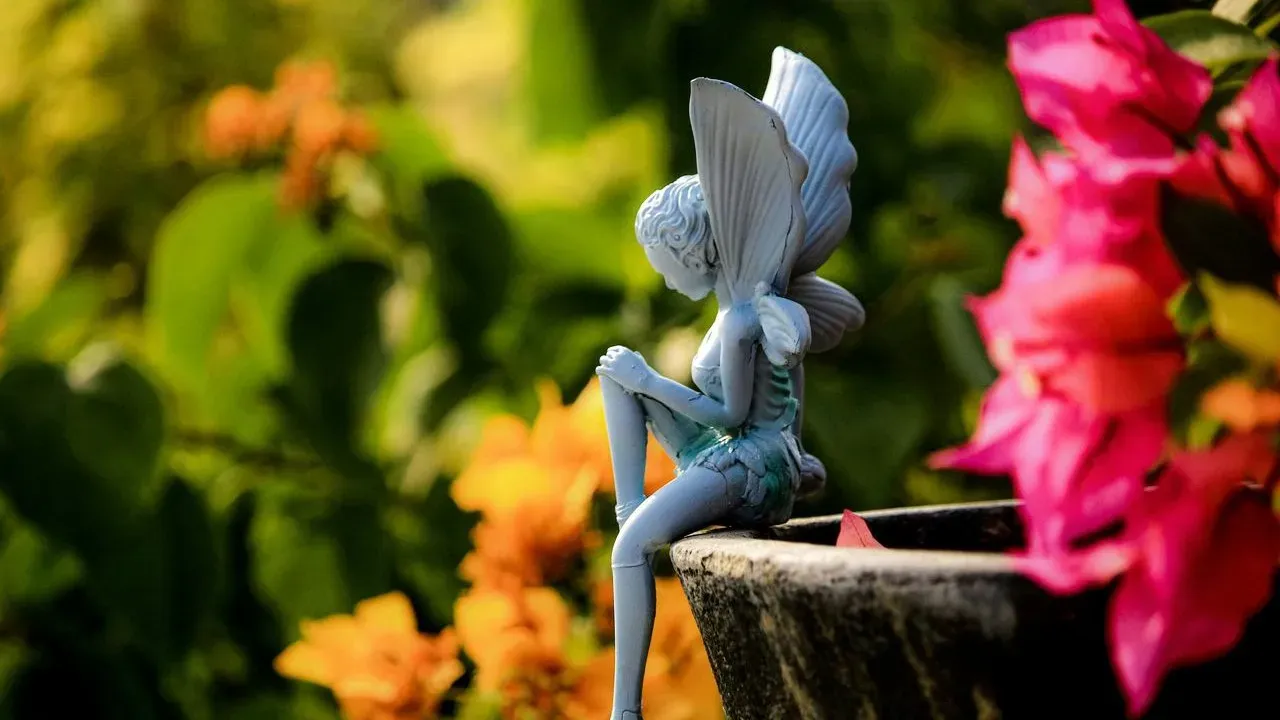

Gardens often settle into a quieter rhythm by late October, with many plants fading as cooler weather sets in. Yet a handful of determined flowers push through fallen leaves to offer one last burst of color. A recent post on Carol J. Michel’s gardening blog captures this moment through a playful lens, highlighting the appeal of crocuses that bloom well after spring has passed. ([1])
A Late-Season Surprise
Most people associate crocuses with early spring displays that carpet lawns and beds in purple, white, and gold. The autumn-blooming types arrive when the rest of the garden is winding down, creating an unexpected contrast against bare stems and turning foliage. Their cheerful appearance can lift the mood of any outdoor space just as the season shifts toward winter.
These flowers emerge quickly once conditions are right, often seeming to appear overnight. Gardeners who notice them report a sense of delight at the timing, as if the plants are extending the growing year by a few extra weeks. The effect is especially striking in mixed plantings where other blooms have already finished.
The Extra Effort Behind the Display
The whimsical post frames the flowers through the imagined voices of garden fairies who claim responsibility for coaxing blooms from the soil. In their telling, the spring crocuses already demand considerable attention, from pushing shoots upward to protecting pollen during bad weather. Adding a second round of crocuses in fall means the same careful work must happen again when the season is supposed to slow.
Even in this lighthearted account, the message is clear: the flowers require real commitment from anyone tending the garden. The reward comes in the form of vivid color at a time when few other plants are still active. The post ultimately embraces the extra labor because the results feel worth the effort.
Two Varieties Worth Noting
The blog specifically mentions Crocus speciosus and Crocus sativus as the fall performers that catch attention each year. Both types produce delicate, cup-shaped flowers that stand out against the season’s muted palette. Their appearance through leaf litter gives them a resilient, almost playful quality that stands apart from more conventional autumn plants such as chrysanthemums.
Observers often describe the blooms as having a bright, optimistic presence. They seem to announce themselves with a sense of arrival, as though checking in on the garden one more time before colder months arrive. This character helps explain why they earn repeated mentions in personal gardening reflections.
Keeping the Magic Alive
The same post closes with a light request for more frequent recognition of the fairies’ contributions in the author’s regular newsletter. While presented in jest, the note underscores how these small seasonal details can become part of an ongoing conversation between a gardener and her readers. It also reminds anyone following along that even minor plants can spark ongoing interest and affection.
Autumn crocuses ultimately serve as a reminder that the garden calendar does not end abruptly with the first frost. Their brief but vivid showing encourages a closer look at what else might still be possible outdoors in the final weeks of the season. For those who enjoy the unexpected, these late bloomers offer a quiet highlight worth watching for each year.
AI Disclaimer: This article was created with the assistance of AI tools and reviewed by a human editor.