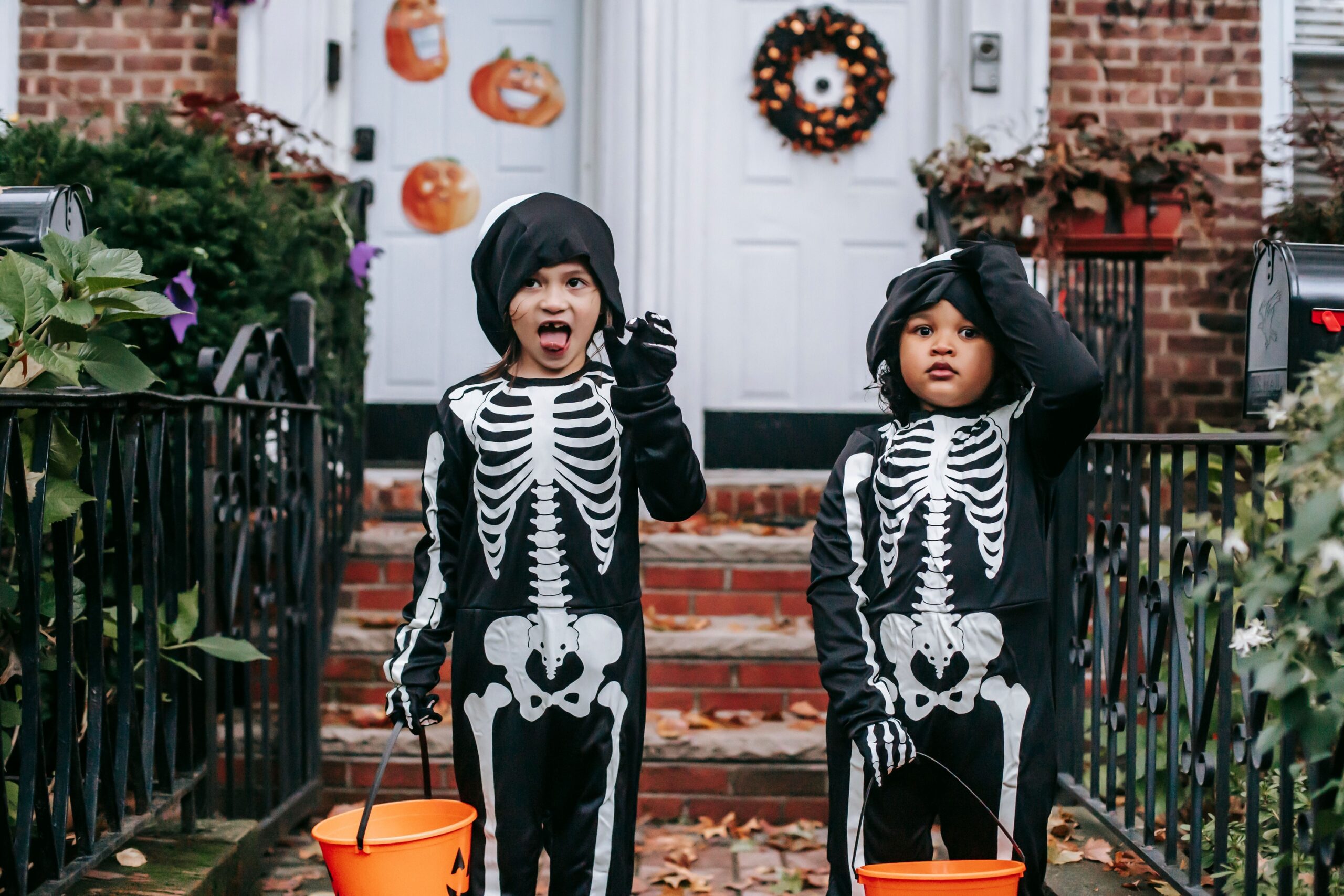

Halloween is one of those evenings where excitement routinely beats common sense. Kids spend weeks planning the perfect look, parents spend real money pulling it together, and then October 31st arrives with cold wind and falling temperatures that nobody quite prepared for.
The problem isn’t really the holiday itself. It’s a single, recurring mistake: choosing a costume based entirely on how it looks, with zero thought given to how cold it gets once the sun goes down. By 7 PM, a lot of young trick-or-treaters are already shivering, and the night is just getting started.
The Temperature Drop Nobody Accounts For
In New York, for example, Halloween daytime highs usually land in the upper 50s to low 60s, but by evening, temperatures often settle in the 40s. That kind of shift happens fast, and most thin polyester costumes do nothing to slow it down. Temperatures in Pennsylvania drop quickly after sunset in late October, with afternoon highs in the 50s or 60s often sliding into the 40s before midnight. Parents who dress their kids based on the afternoon forecast are almost always underpreparing for the actual trick-or-treat window.
Most Costumes Are Built for Looks, Not Weather

Most kid costumes are basically glorified pajamas when it comes to warmth. The majority of store-bought Halloween outfits are constructed from thin, single-layer polyester that offers almost no insulation once the air gets cold and breezy. Cropped tops, bare legs, and thin fabric simply don’t survive an actual trick-or-treat loop in October wind. The visual design gets most of the budget and attention. Thermal performance gets none.
Children Lose Body Heat Faster Than Adults
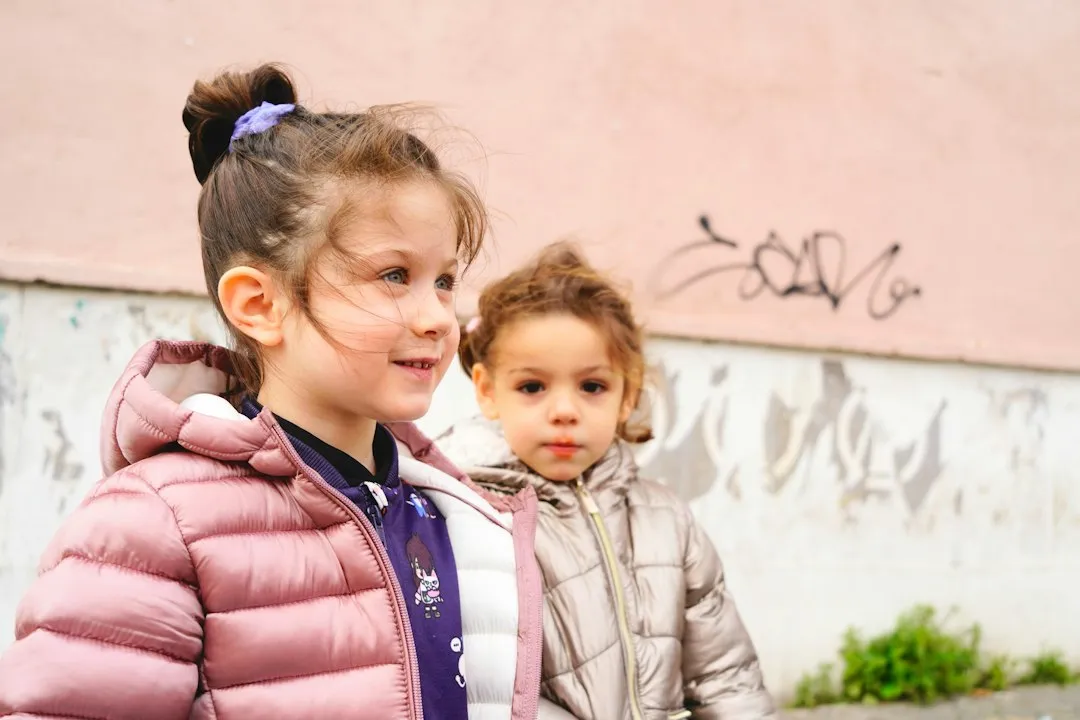
Since children are physically smaller than adults, they tend to lose heat more quickly, making them more at risk for weather-related conditions like frostbite or hypothermia. This isn’t just a minor inconvenience. It’s a real physiological difference that parents need to factor into their planning. Babies, in particular, lose heat quickly because their bodies have a higher surface-area-to-weight ratio, they can’t shiver effectively to generate warmth, and most infant costumes are made from thin polyester designed for looks, not weather.
Freezing Nights Are More Common Than You Think
On Halloween 2023, roughly 40 million people were under freeze warnings in the U.S. after a potent cold front swept in from Canada, with Halloween night temperatures expected to stay in the 30s across large parts of the middle of the country. That’s not a freak event. Denver drops below freezing on an average Halloween night, with temperatures around -1.8°C (29°F). For cities in the Midwest and upper Northeast, genuinely cold trick-or-treat conditions are the norm, not the exception.
The Midwest and Northern States Face the Worst of It
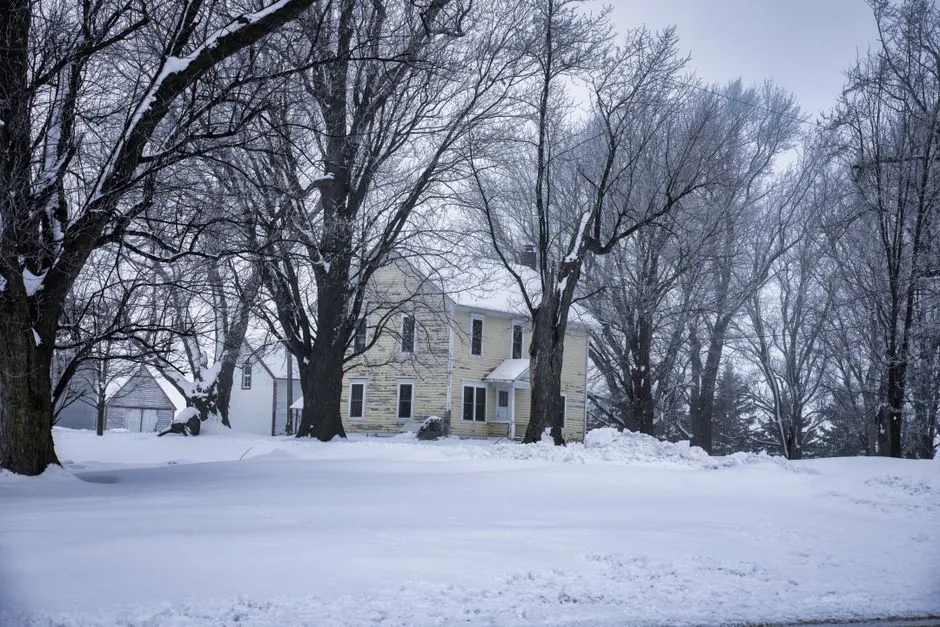
A winter coat is a good addition to a Halloween costume in the Northwest, Rockies, or upper Midwest, where temperatures plummet into the 30s or 40s, making evening festivities chilly. In Minnesota, conditions can be particularly extreme. Temperatures around prime trick-or-treating time have reached as low as the low 30s. The Brainerd, Minnesota area, for instance, sees an average Halloween temperature of around 37°F based on long-term NOAA climate normals, according to the National Centers for Environmental Information.
Hypothermia Risk Is Real Even Above Freezing
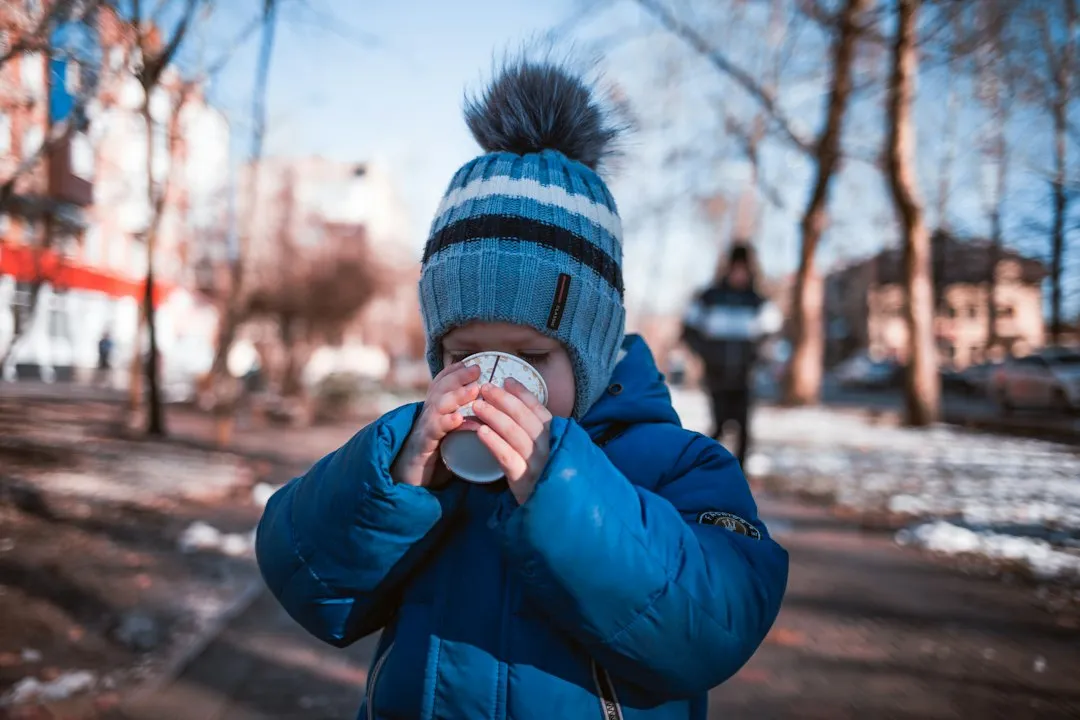
Even if temperatures are still above freezing, you can still get hypothermia, particularly if it has been raining. This surprises most parents, who assume the danger only starts once the thermometer hits 32°F. Hypothermia, the drop of body temperature to a dangerously low degree, happens more easily in children and generally occurs when children aren’t dressed properly or when they are wearing wet clothing in cold temperatures. A damp costume on a 40-degree evening is genuinely risky, not just uncomfortable.
The Layering Rule Most Parents Skip
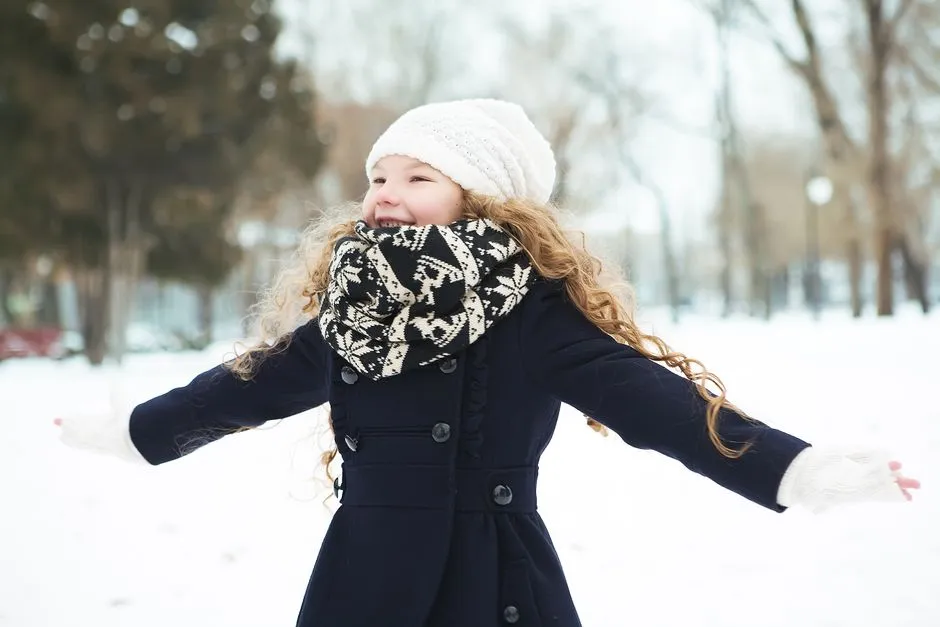
Children have a lower tolerance for cold weather than adults, and since Halloween costumes are typically lightweight, layering is essential. Kids should wear one more layer than an adult would in the same conditions, and wet clothing should be changed right away. That rule is simple but rarely followed. On Halloween, that will likely mean adding a head-to-toe base layer under kids’ costumes along with their outerwear. Thermal leggings and a fitted long-sleeve undershirt disappear completely beneath most costumes and make an enormous difference over a two-hour walk.
The Specific Costume Styles That Leave Kids Most Exposed
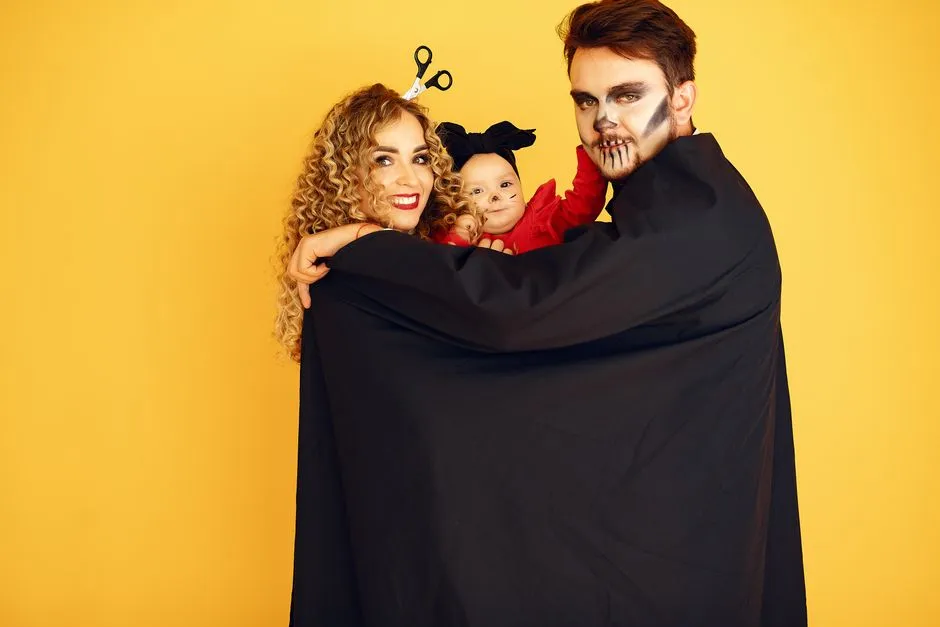
Princess dresses, superhero suits with bare arms, and fairy costumes with sheer skirts are among the most popular Halloween choices year after year. They’re also the most likely to leave children shivering by early evening. Inadequate cold weather clothing can lead to hypothermia, frostbite, and general discomfort, and overdressing can cause children to overheat and sweat, which actually increases their risk of getting cold. The solution is balance, not bulk. A child wearing a princess dress can use pale thermal leggings, a fitted long-sleeve top beneath the bodice, warm socks, and a coordinating cardigan. The character still looks clear, but the outfit is much better suited to a cold walk.
Accessories Make More Difference Than Most Realize

Snow boots, gloves or mittens, and a hat may be just as important to a child’s costume as any prop. Hats and scarves should be tied securely to prevent them from slipping over children’s eyes. Hands, feet, and heads are where children lose disproportionate heat, so even a basic knit hat can shift the whole experience. Adding reflective tape to costumes, treat bags, and jackets serves double duty: it improves visibility and helps signal to parents when a child is getting cold. Flashlights and glowsticks can also be woven into costumes for kids who insist on darker looks.
Planning Around the Forecast Changes Everything
Based on 36 years of historical data for New York, the average high on October 31 is around 15°C (59°F), with the average low closer to 7°C (44°F). That is cool enough that a costume alone rarely cuts it once the sun goes down, and most years call for a jacket layer underneath. Checking the hourly forecast for trick-or-treating hours specifically, rather than the daytime high, gives a far more realistic picture of what to prepare for. Starting with thin layers, adding insulation strategically, matching hats and gloves to the character, and keeping sturdy footwear as a priority all help. Bringing a weatherproof outer layer as backup and adjusting the route if conditions become uncomfortable rounds out a practical cold-weather plan.
A Small Adjustment That Saves the Whole Night
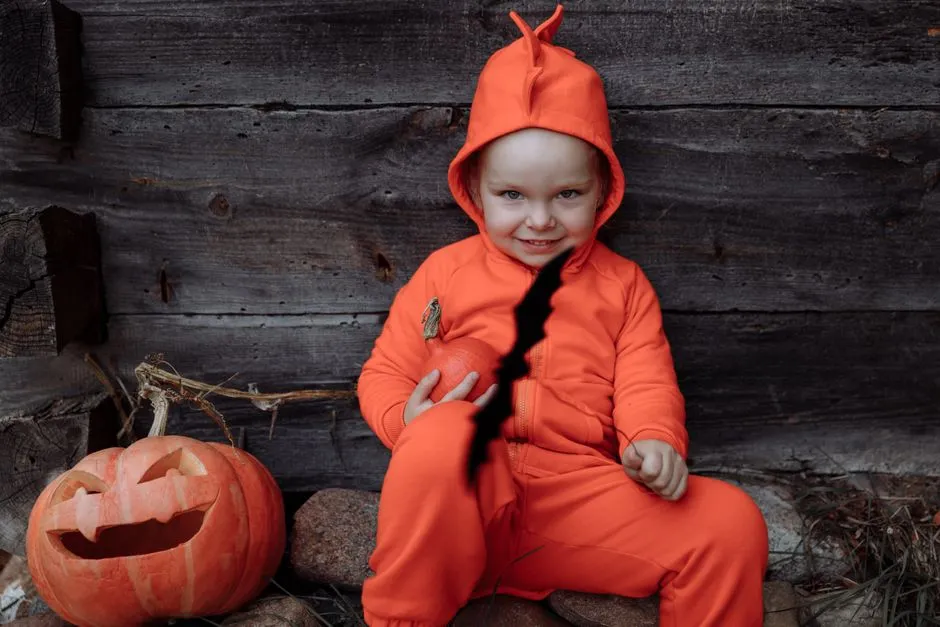
The good news is that the fix is genuinely simple. A thermal undershirt, a pair of leggings, warm socks, and a hat cost very little and add almost nothing to the visual impact of a costume. The real mistake isn’t loving a flashy outfit. It’s assuming the evening temperature will match the afternoon, or that excitement alone will keep a six-year-old warm for two hours in the dark.
Halloween works best when the kids stay out long enough to actually enjoy it. A little extra planning before they step out the door is what makes that possible.
AI Disclaimer: This article was created with the assistance of AI tools and reviewed by a human editor.