
Snow Is a Surprisingly Effective Insulator

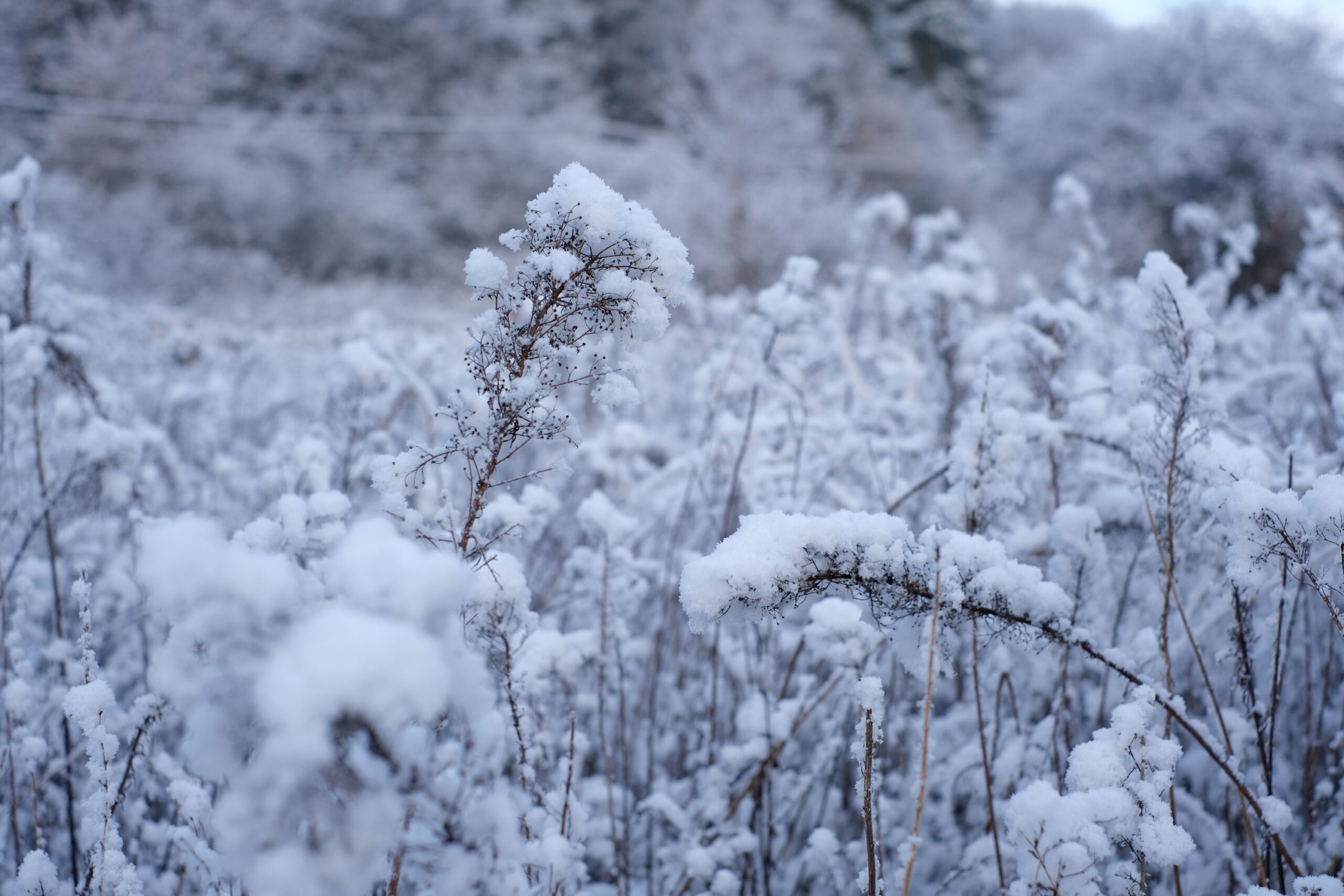
Freshly fallen snow can be more than ninety percent air. That makes it an exceptional thermal buffer. Snow traps air in countless small pockets, and just like home insulation, the thickness of the layer determines how well it works. A few inches won’t provide much protection, whereas six inches or more begins to stabilize soil from the surface down to deeper depths.
The best insulation comes from light, fluffy, loosely packed snow, which can maintain up to twice the ambient temperature of the air above it. That’s not a small difference. Even in winter, soil temperatures are typically warmer than the air above ground. For example, data from the Grand Forks NDAWN site showed a soil temperature at the twelve-inch depth of 31 degrees, while the air temperature registered just 4 degrees.
Protection from Freeze-Thaw Damage

When the ground repeatedly freezes and thaws over winter in cold climates, that can squeeze roots, seeds, bulbs, tubers, and rhizomes right out of the earth. This is one of the most destructive winter processes in a garden, and many gardeners don’t realize snow is one of the simplest defenses against it.
Snow protects against wide temperature fluctuations in the soil. Under that layer of white, the roots of perennials, bulbs, ground covers, and strawberry plants are shielded from the freeze-thaw cycle that can heave tender roots right out of the ground. A steady layer of snow can help prevent the repeated freeze-thaw cycles that damage roots and soil structure.
The “Poor Man’s Fertilizer” Effect
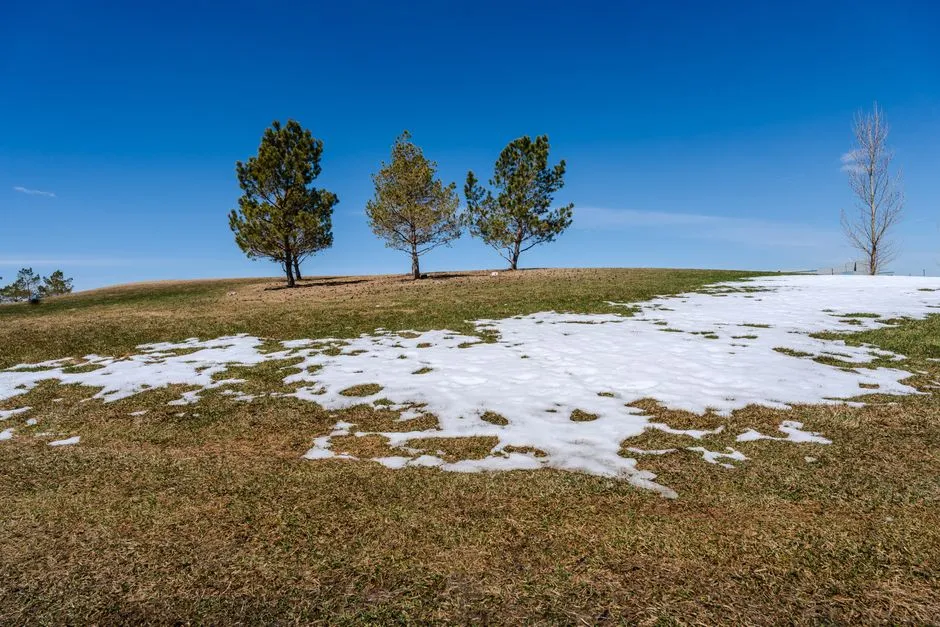
In Taylor’s Encyclopedia of Gardening, snow is called “the poor man’s fertilizer.” As it falls through the atmosphere, nitrogen and sulfur attach to the flakes. When the snow melts, these elements are released into the soil and absorbed by plants. Nitrogen is essential to plant growth.
Snow captures nitrogen from the atmosphere during its formation, primarily in the form of nitric acid and ammonia. As the snow melts, this nitrogen is slowly released into the soil, providing a natural fertilizer that boosts early spring growth. It’s modest in quantity, but the timing of delivery turns out to matter enormously, as more on that shortly.
Snow as Nature’s Drip Irrigation
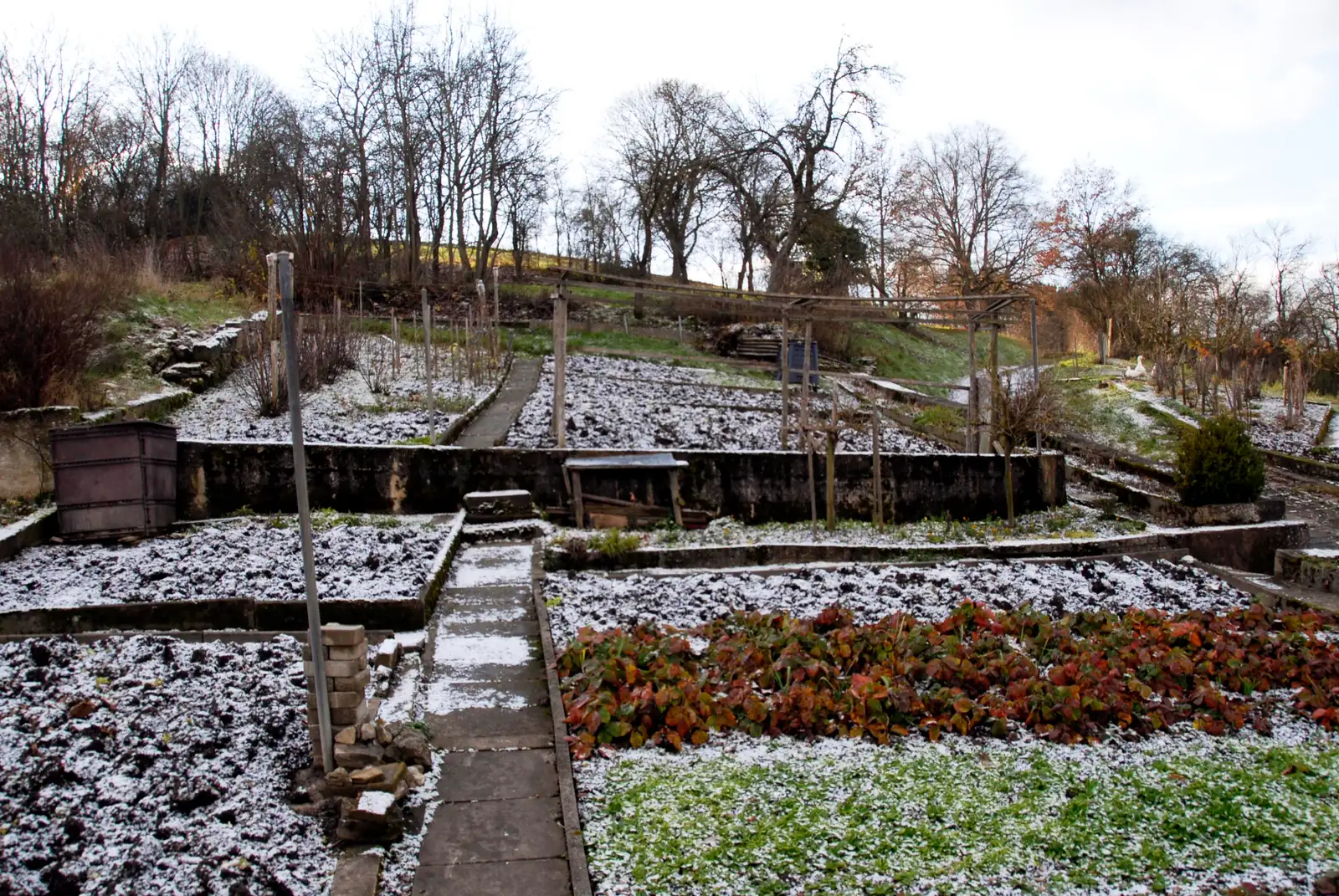
As snow melts in the spring, it delivers slow, deep, even moisture, quite different from the largely surface penetration of a summer thunderstorm. For garden beds, this is a meaningful distinction. Heavy rain can run off, compact the soil, or carry topsoil away, while snowmelt tends to soak straight down.
That snow cover slowly melts and gradually saturates the ground, giving roots a free drip-irrigation system courtesy of nature itself. This slow absorption can replenish deeper soil layers, which is crucial for trees and shrubs emerging from dormancy. Gardeners who pile snow intentionally are essentially pre-loading their beds with spring moisture.
What Happens to Soil Microbes Under Snow
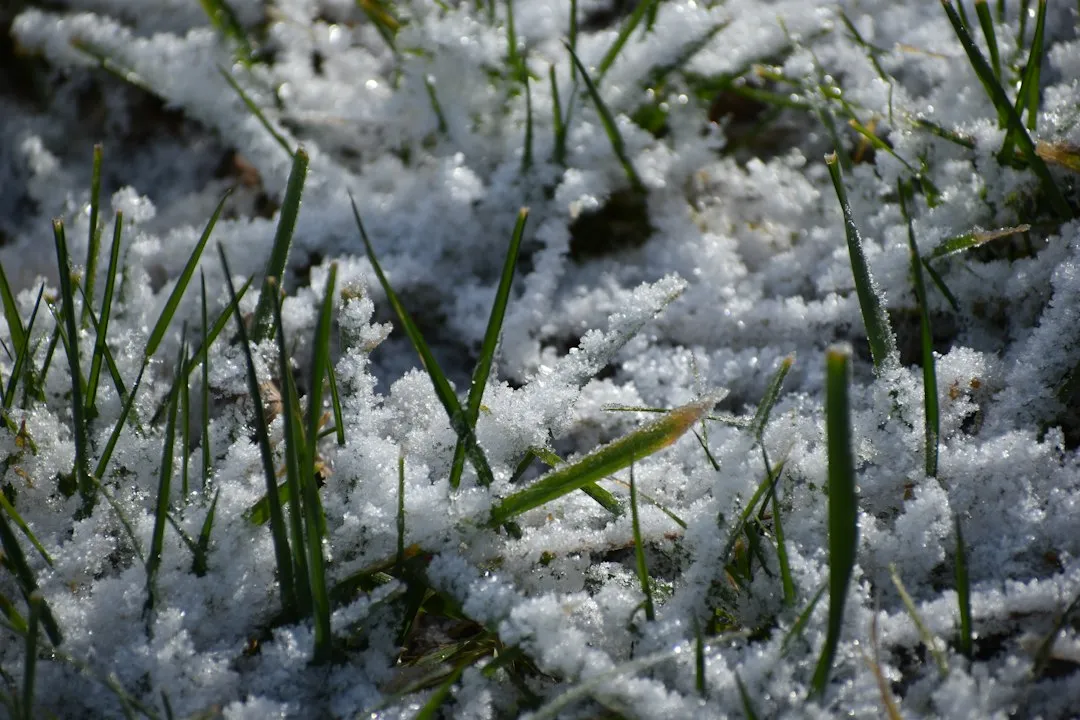
Soil microbes do not die in winter. In healthy soil, most go dormant and wait out the cold, and some keep working inside thin films of unfrozen water even in frozen ground. Snow cover plays a direct role in keeping this community alive and functional.
All winter, soil microbes decompose organic matter, releasing nutrients that are critical for plants. By spring, these nutrients are perfectly timed to fuel new growth. Warming winters and reduced snow cover can disrupt this timing, allowing nutrients to wash into streams, escape into the air, or leave plants short of what they need.
All the nitrogen microbes were holding gets dumped into the soil at exactly the moment plants are breaking dormancy. Researchers tracking a Colorado hillslope through a full season watched microbial biomass fall by more than half after snowmelt, and measured a three to five-fold spike in extractable soil nitrate right behind it. In some ecosystems that flush is the single biggest nitrogen event of the entire year.
Snow Helps Plants Stay Properly Dormant
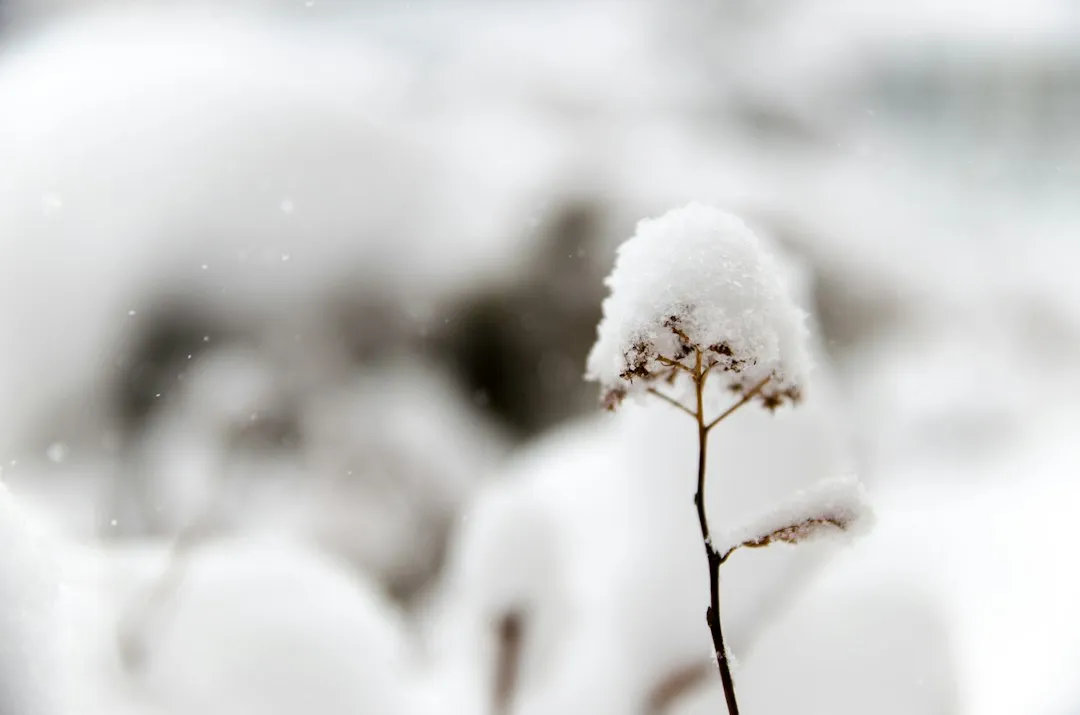
Snow can help moderate the effects of climate change by keeping plants fully dormant and preventing them from initiating growth on warm winter days. It has the same effect on seeds, allowing the full dormancy to occur and for sensitive seedlings to emerge when the worst of winter stresses have passed.
Snow keeps the ground warm throughout winter but has the opposite effect in the spring as daytime temperatures rise. Blanketed in snow, the ground and the plant roots within remain colder for longer, keeping plants dormant longer. That slower spring wakeup can actually improve flowering and fruit set in many varieties.
What “Snow Farming” Actually Looks Like
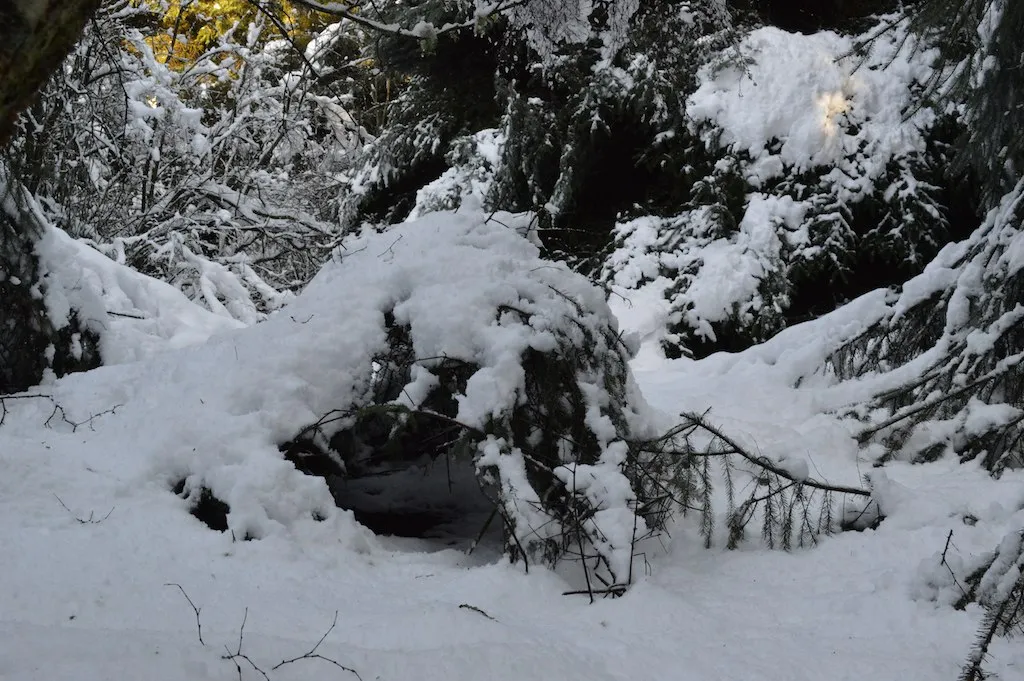
Snow farming goes beyond storing water. Strategically placed snow can reduce winter damage, increase the survival rate of herbaceous perennials and woody plants, boost fruit production, minimize freeze-thaw cycles, and even expand your growing zone.
By intentionally adding snow around trees and perennials, gardeners can insulate the roots of plants, which often represent half of the plant’s total mass. Protecting roots from extreme temperatures increases the survival rate of many plants. The process is as low-tech as it sounds: just redirect your driveway shoveling toward your beds rather than away from them. For this strategy to work, the snow must remain relatively undisturbed. Walking on or compacting the snow removes the air and reduces the insulative effect.
Which Plants Benefit Most
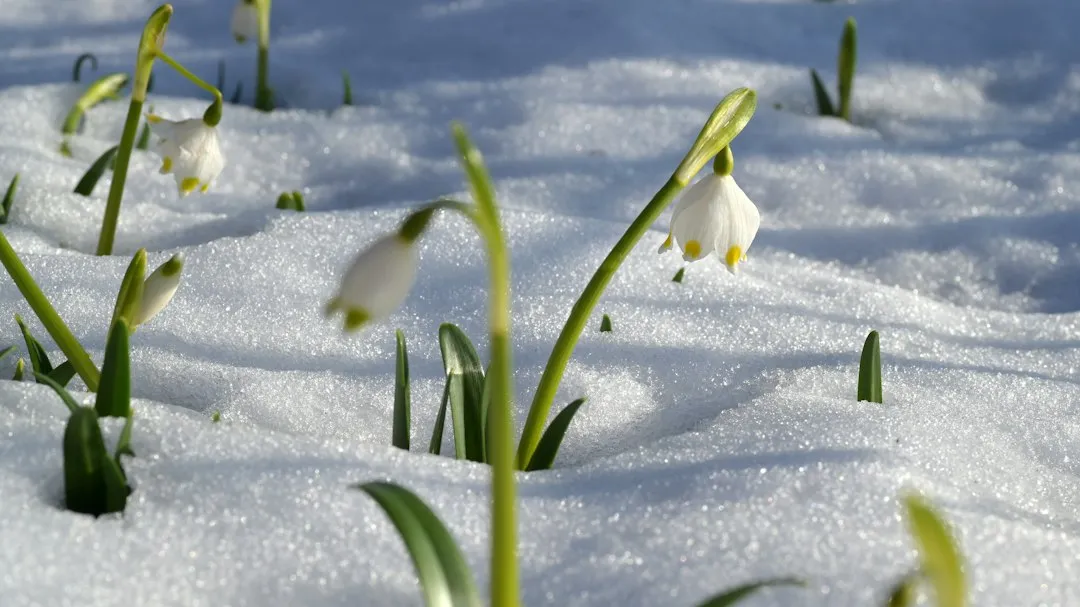
Perennials, shrubs, and bulbs receive a surprising level of protection from snow. By insulating the soil and plant crowns, snow shields them from extreme cold and desiccating winds. These are exactly the plants that suffer most in cold, dry winters with little to no snow cover.
When snow cover is lacking, plants’ surface roots and the crowns of perennials are subject to frost heave and temperature swings between day and night, which can cause water loss. Roses are said to flower better after a hard winter with good snow cover, and apples and pears tend to set more fruit.
One Caveat: Keep It Clean

Snow that contains salt or de-icing chemicals should be avoided entirely when piling onto garden beds. Road salt and most ice-melt products can linger in the soil for months and damage root systems considerably. The benefits of snow piling only apply to clean, untreated snow.
Magnesium chloride is considered the safest de-icing option for plants, as it is less damaging through wind, soil runoff, and snowmelt. However, any salted snow should still be kept away from planting areas where possible. The rule is simple: shovel the clean stuff in, and keep the treated stuff well away.
A Low-Cost Alternative to Mulch
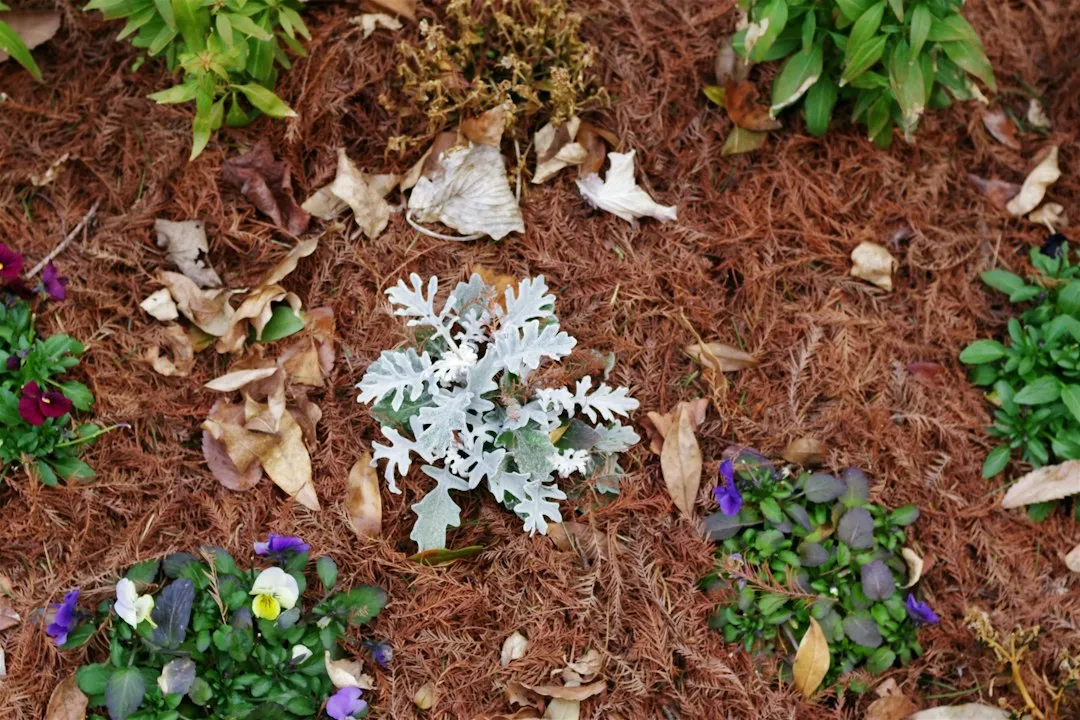
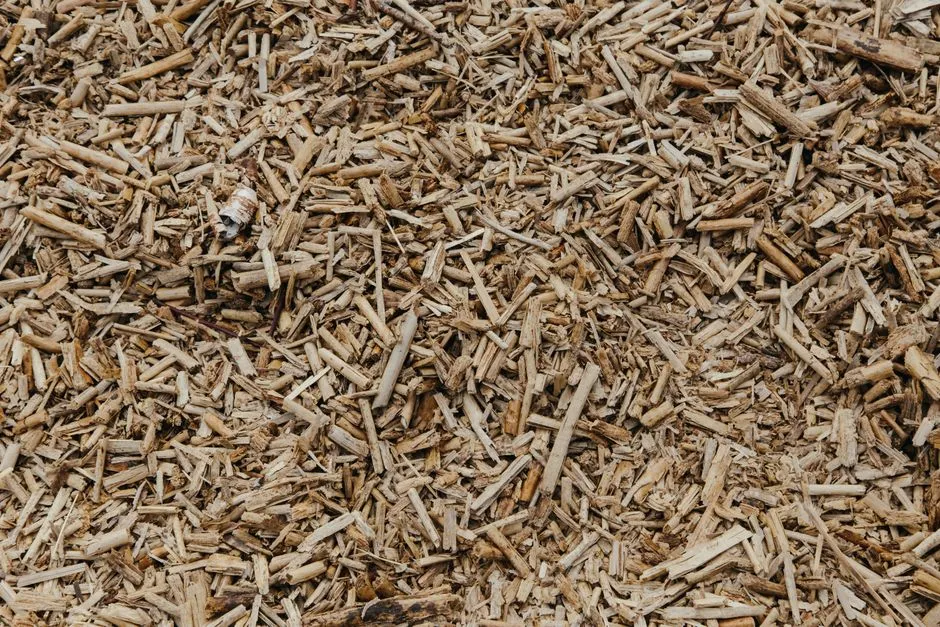
A deep snow cover can be thought of as a crystalline mulch, stabilizing the temperatures below the layer and mitigating the stress on plants. This comparison is apt. Many gardeners spend time and money on straw, wood chips, or bark mulch to achieve the same insulating effect that snow provides for free.
Snow acts as nature’s mulch and helps to moderate temperature changes underground. Without the insulation that snow provides, the winter freeze and thaw cycles can wreak havoc on plant roots and bulbs. For gardeners in climates with reliable snowfall, simply redirecting where that snow ends up is one of the easiest winter investments they can make.
The Takeaway
Piling snow onto garden beds is one of those practices that sounds counterintuitive right up until you understand what snow actually is: a lightweight, air-filled insulator that also happens to carry nutrients, preserve moisture, and protect the underground community your plants depend on. The science is consistent across multiple sources and recent research published in 2025 and 2026 only reinforces it.
The gardeners doing this aren’t eccentric. They’re working with winter rather than against it, which tends to be a reliable strategy regardless of the season.
AI Disclaimer: This article was created with the assistance of AI tools and reviewed by a human editor.