
The Core Idea: Seeds That Sleep Through Winter
If you plant spinach seed in the very late fall or the beginning of winter, you can overwinter it and have the earliest ever spring spinach. The trick is that the seed isn’t meant to germinate right away. The key to success with this planting method is to sow the spinach seed late in the season after the soil has cooled, so you are laying seed that will lie dormant, not seed that will germinate and grow immediately.
The seed is in the ground, lying in wait, until it naturally decides to grow. If you’ve ever had spinach go to seed in your garden and then found it voluntarily sprouted early the next spring, think along those lines. It’s nature’s version of a timer, and it works remarkably well.
Why Spinach Handles Cold Better Than Almost Anything Else
Spinach is celebrated as one of the most cold-hardy leafy greens, and this resilience comes from its natural ability to tolerate and even thrive in cool temperatures, typically performing best between 35 and 75 degrees Fahrenheit. What makes it truly impressive is what happens at the cellular level when temperatures plummet.
When temperatures drop, the plant converts stored starches into sugars, which lowers the freezing point of the water inside its cellular structure. Think of it as the plant producing its own antifreeze. Mature spinach plants can withstand temperatures down to 15 to 20 degrees Fahrenheit without significant damage.
How Fall-Planted Spinach Outperforms Spring Sowing
Fall-planted spinach that overwinters in the garden produces far bigger yields than seeds planted in the spring, and the production period is much longer. The reason comes down to time and plant size. Many gardeners sow spinach seeds in the very early spring as recommended on seed packets, but it’s this spring-sown spinach that often bolts before a decent crop can be harvested, because the young plants simply don’t have enough time to grow before the weather and increased day length trigger them to flower.
By sowing spinach seeds late in the season, the plants will grow during the remainder of the growing season, then they’ll overwinter and produce a huge crop the following spring. Fall-sown plants enter spring already established, which is an enormous head start over seeds started from scratch in March.
The Right Timing for Late Fall Sowing
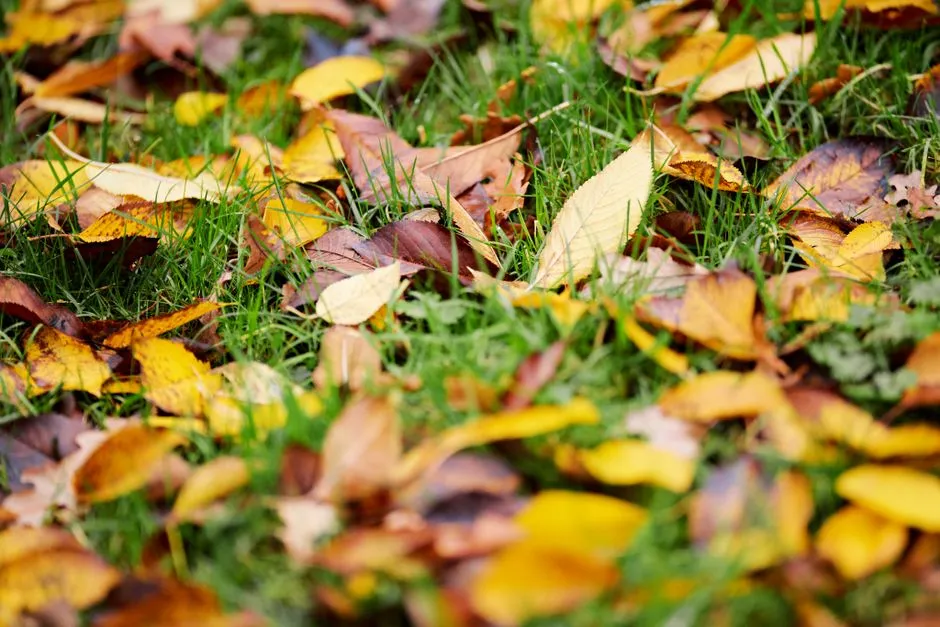
The key is to wait until it gets quite cold before sowing, and sow the spinach seed late in the season after the soil has cooled. Sowing too early risks germination before winter sets in, which leaves vulnerable seedlings exposed to the hardest freezes. Seeds sown from September until the ground freezes up, then topped with a floating row cover, will offer a real headstart of a harvest in April, when much of the garden is barely ready for the first springtime seed.
Research from farms in Iowa confirms that timing within the fall window genuinely matters. Planting by either method on October 5th resulted in 80 to 95 percent lower per-plot yields than planting earlier, on September 7th. For dormant late-fall sowing specifically, after the soil cools significantly, the approach shifts: the goal is seed survival, not pre-winter growth.
Choosing the Right Variety for Overwintering
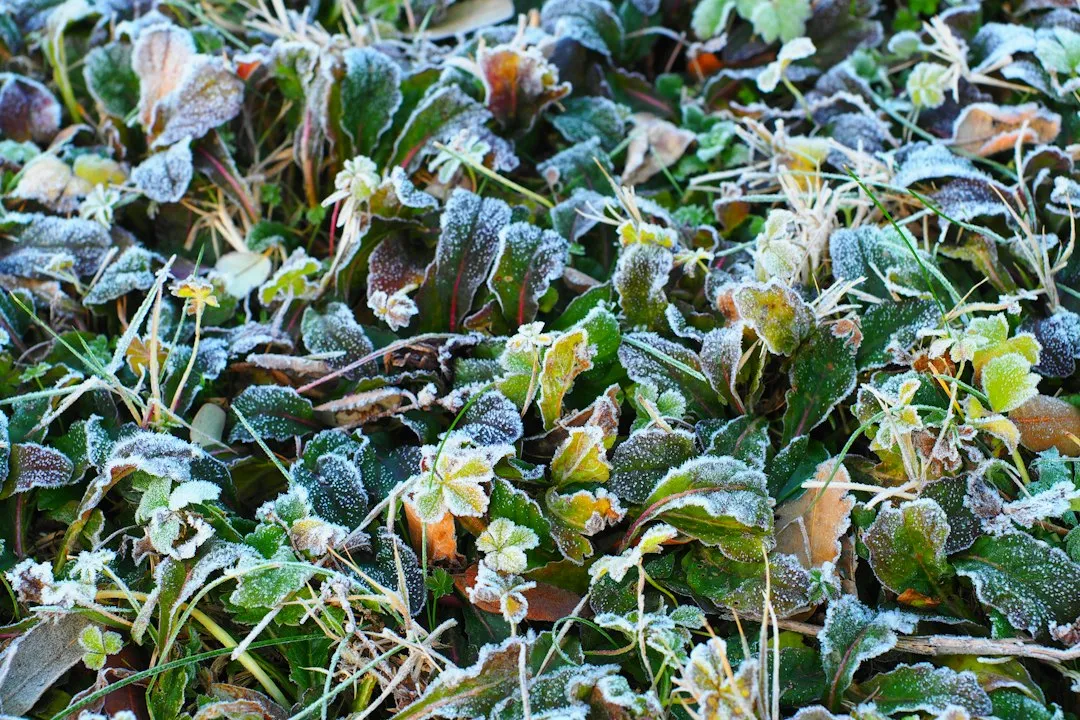
For fall-planted spinach, varieties that are heat tolerant during germination are helpful, and if the spinach will be grown into the early winter or overwintered, choose varieties that have strong cold tolerance or were developed for overwintering. Not every spinach on the seed rack is built for this job.
Among the best for winter hardiness is ‘Winter Bloomsdale,’ a time-tested heirloom famed for its thick, deeply savoyed leaves and rich, classic spinach flavor. This variety tolerates frost exceptionally well, allowing steady growth even as temperatures dip, and its crinkly texture helps shed snow and ice, protecting the tender plant beneath. Other reliable performers include Olympia, Winter Bloomsdale, Giant Winter, and Tyee, all bred for winter hardiness.
Mulching: The Simple Step That Makes or Breaks It
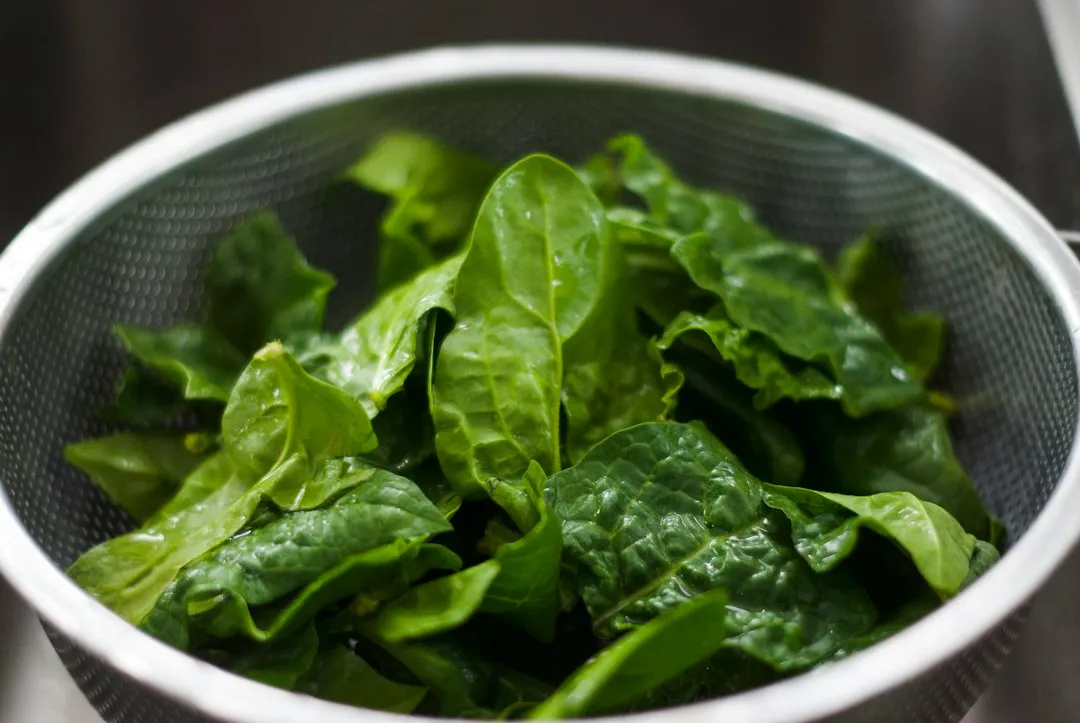
Fall-planted spinach will usually overwinter if lightly mulched and will vigorously re-grow in the spring. The mulch isn’t there to keep the plant warm exactly; it’s there to moderate the swings between freeze and thaw that cause the most cellular damage. Cover plants with 3 to 4 inches of shredded leaves or straw, placing it right over the crowns of the plants, but only do this just before the first hard freeze so the plants don’t rot, then leave them nestled under the mulch all winter long.
Snow is actually helpful to overwintered plantings, providing an extra layer of insulation. A generous snowfall can be more protective than any artificial cover. If plants are small or covered by snow, they can sometimes survive even lower temperatures, as the snow acts as a protective barrier.
Row Covers and Cold Frames: Pushing the Limits Further
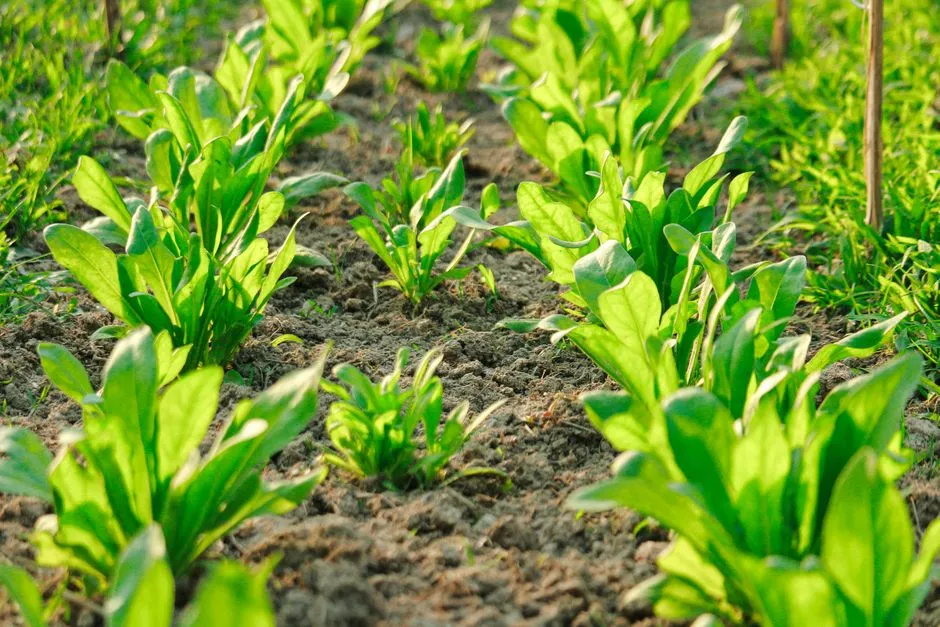
In mild climates or with protection such as cold frames, hoop houses, or row covers, you can plant spinach in late fall for winter harvests. For gardeners in colder zones, these structures extend what’s possible considerably. Spinach survived a hoophouse temperature of about 10 degrees Fahrenheit without row cover and down to negative 2 degrees Fahrenheit with row cover added.
Row cover is not always necessary for winter high tunnel spinach production, but it can speed up growth even when it isn’t strictly needed to keep plants alive. For home gardeners using simple low tunnels, the results can be similarly encouraging. Once temperatures have risen to at least the 40s Fahrenheit or higher, the row cover can be lifted to inspect the plantings and take a small to moderate harvest.
Soil Preparation: Getting the Bed Ready Before Freeze-Up
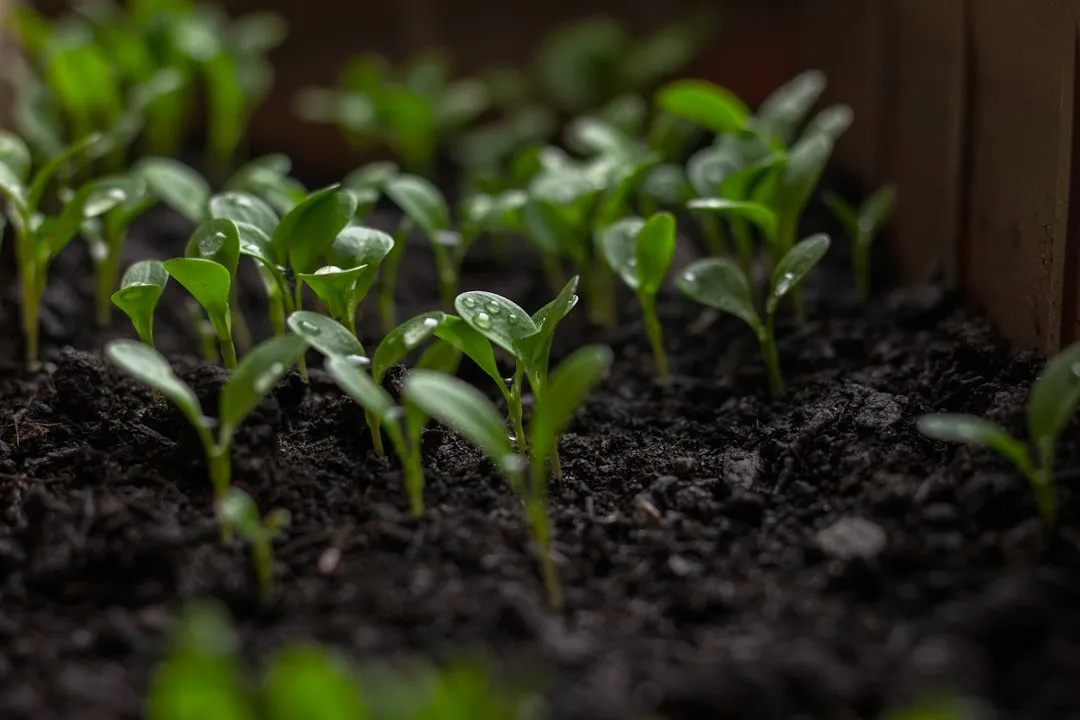
Spinach grows best with ample moisture and a fertile, well-drained soil. Preparing the bed properly in fall, before the ground locks up, is time well spent. Apply lime according to soil test results to maintain soil pH at 6.5 to 6.8, because soils with low pH will result in slow growth and chlorotic leaves.
Spinach prefers well-drained, fertile loamy soil with a pH between 6.0 and 7.5, and the addition of organic matter such as compost or manure enriches the soil’s fertility and structure. A well-prepared bed in autumn means seeds wake up in spring to exactly the environment they need. Skipping soil prep in the rush of late fall is the most common mistake that undermines an otherwise solid plan.
What Happens When Spring Arrives
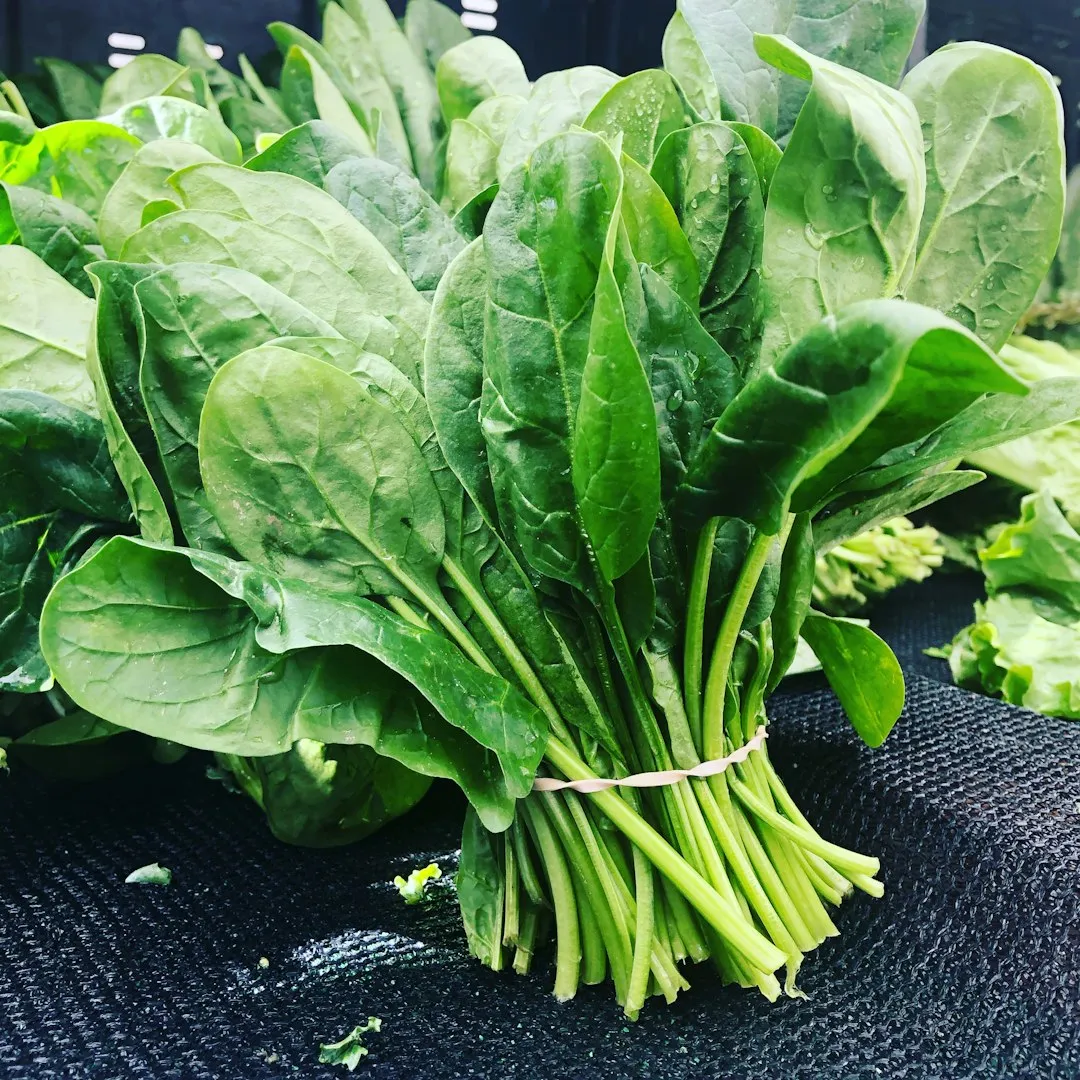
Spinach will survive over the winter when plants are one-quarter to one-third grown on well-drained soil and resume growth in spring for an early harvest. The transition from dormancy to active growth happens fast once soil temperatures start climbing. Spinach growth significantly slows once temperatures drop below 40 degrees Fahrenheit, and while the plant remains alive and biologically active, you won’t see much new leaf development until the air warms up again.
If the soil freezes before the plants are fully grown, covering them with mulch like hay protects them, and once temperatures rise in spring, removing the mulch allows the plants to start growing again, giving an early harvest. That first spring flush of dark, cold-sweetened leaves often arrives weeks before any neighbor’s direct-sown seeds have even thought about sprouting.
A Pleasant Bonus: Cold Actually Improves the Flavor
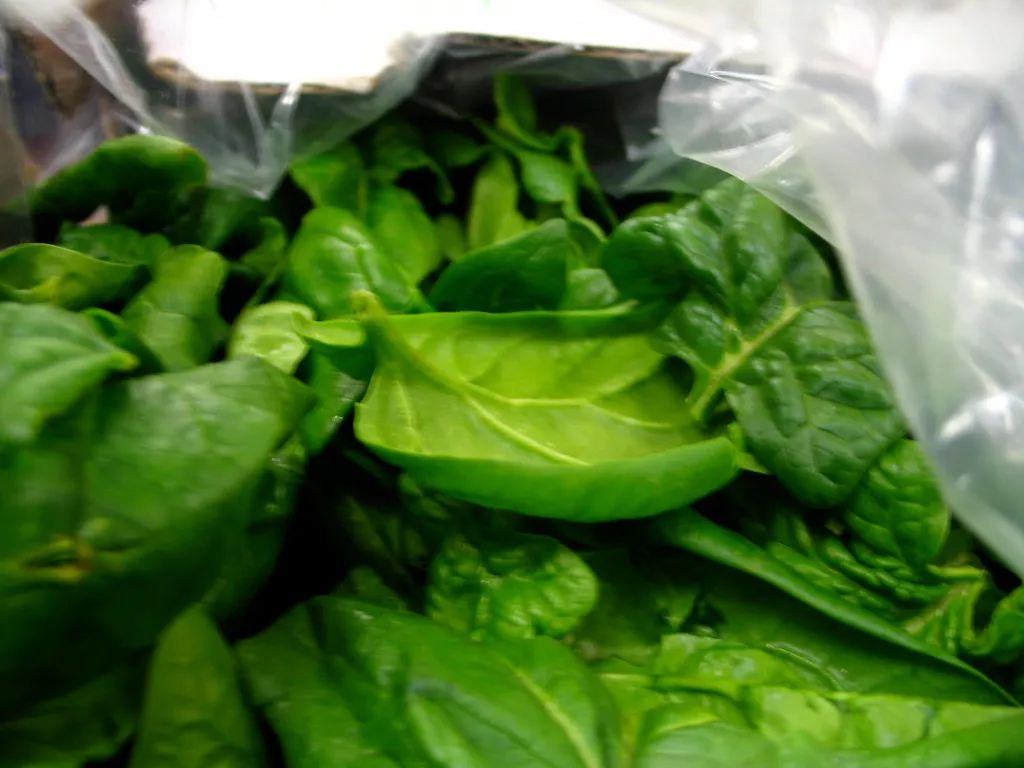
Light frosts, just below freezing, can enhance spinach’s flavor by promoting sugar accumulation. The same cellular process that protects the plant from cold damage produces noticeably sweeter, more tender leaves. This is why overwintered spinach harvested in early spring often tastes richer and less sharp than the same variety grown quickly in warmer conditions.
The optimal temperature range for robust spinach growth falls between 50 and 65 degrees Fahrenheit. Within this range, the plant can efficiently photosynthesize and convert sunlight into energy for leaf production, and consistent temperatures in this zone also help maintain the plant’s sweet, mild flavor. Early spring delivers exactly these conditions, which is precisely why overwintered plants hit the ground running.
The Takeaway
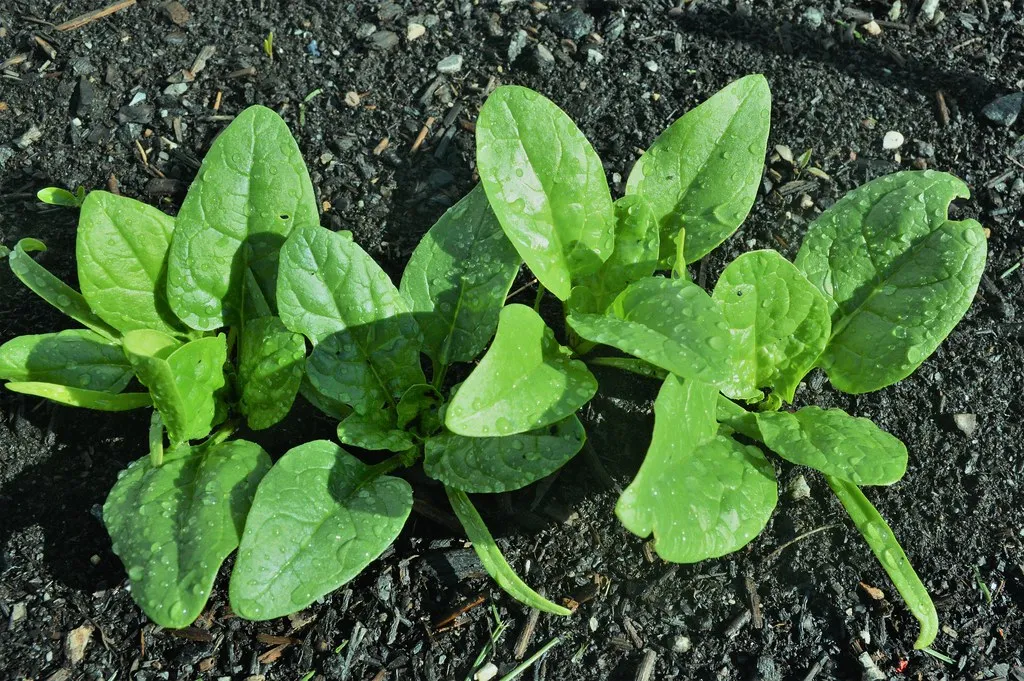
Sowing spinach in late fall asks for a small act of faith: you drop seeds into cold, hardening ground and walk away for months. What comes back in spring is almost always worth it. The plants emerge earlier than anything started indoors, the yields tend to be generous, and the flavor carries that distinctive sweetness that cold-kissed greens develop on their own.
The gardening calendar, when followed too rigidly, can work against you. Spinach is one of those crops that rewards the gardener willing to think a season ahead. A little seed in November can mean salad in March, and that’s a trade worth making every year.
AI Disclaimer: This article was created with the assistance of AI tools and reviewed by a human editor.