
It Starts with How Dogs Experience the World

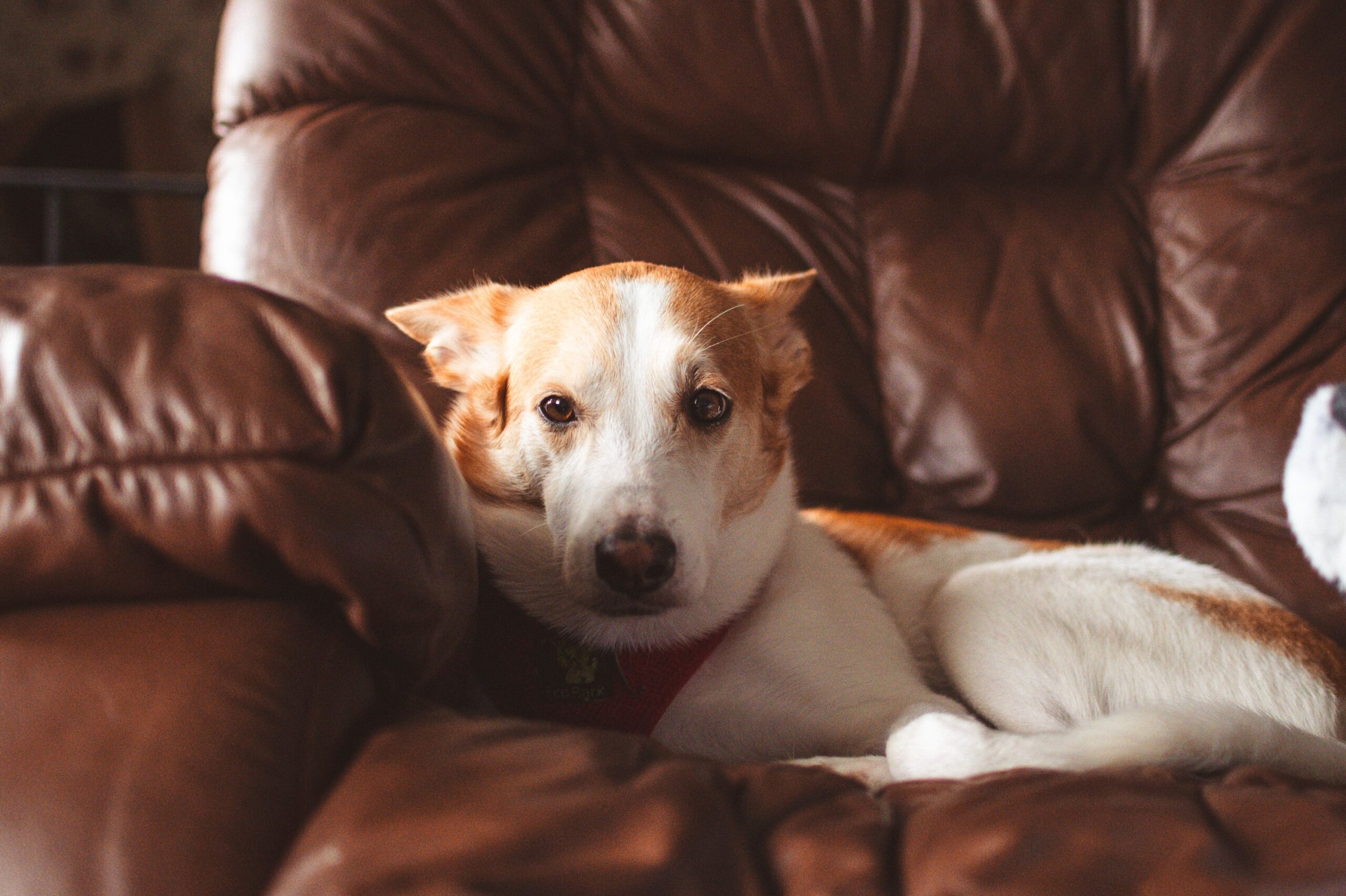
Unlike humans, dogs often use taste to explore their environment. Their sense of smell is extraordinarily sensitive, and taste functions almost as an extension of that, helping them gather information about everything they encounter. Curiosity plays an important role in this. Dogs naturally investigate their environment through taste and smell, and a new couch, different cleaning products, or subtle household changes can trigger investigative licking as a dog tries to understand what has changed.
Licking is a natural behavior for dogs. They lick to groom themselves, enjoy interesting tastes and smells, explore their environment, and show affection. So before any alarm bells go off, it helps to understand that some couch licking is simply your dog doing what dogs do.
Your Sweat and Skin Residue Are Surprisingly Appealing
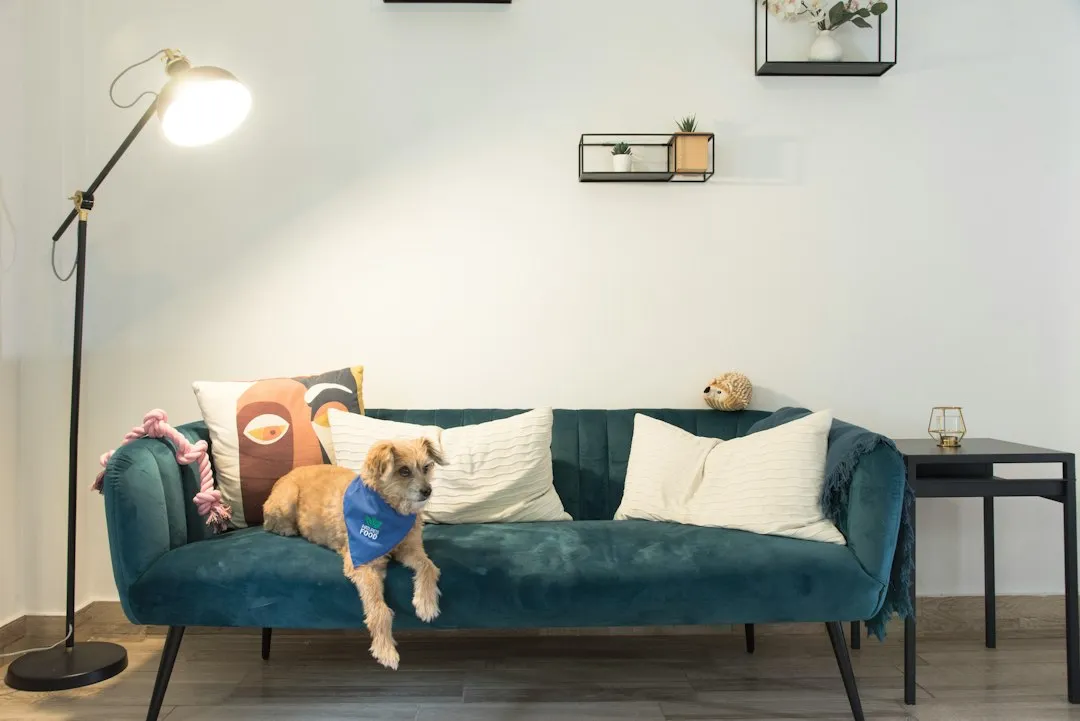
Human skin naturally produces salt through perspiration, and this residue accumulates on furniture surfaces. The salty taste can be quite appealing, encouraging dogs to lick areas where their favorite humans spend time. It sounds a little unpleasant, but from a dog’s perspective, the sofa essentially smells and tastes like you.
Your sweat or food from a late-night snack may have been left behind in the furniture, where your dog may later discover and enjoy what amounts to a treat. This is one of the most common and least worrying explanations. A lightly used fabric sofa in a busy household is basically a flavor archive for your dog.
Boredom Is a Bigger Factor Than Most Owners Realize
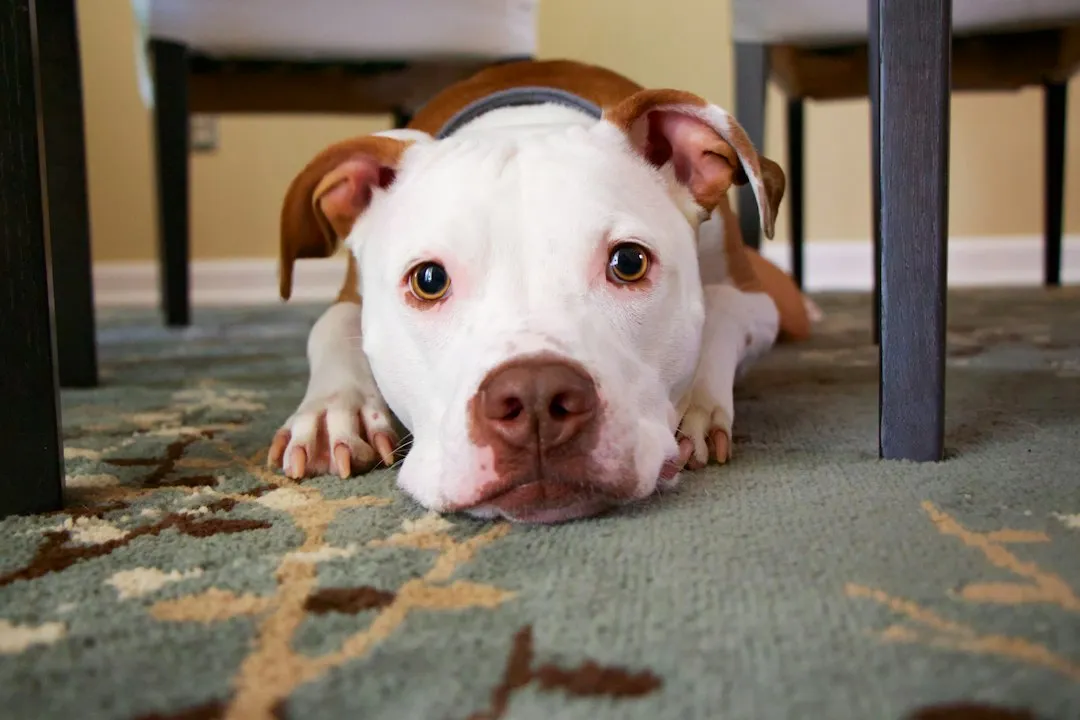
Mental understimulation represents one of the most common causes of excessive couch licking. Dogs require regular mental challenges to maintain psychological health and prevent destructive or repetitive behaviors. Without those outlets, they find ways to fill the time.
Boredom-related licking typically occurs when dogs are left alone for extended periods or during low household activity. The repetitive nature of licking provides self-entertainment, similar to how humans fidget when understimulated. Working breeds and highly intelligent dogs are particularly susceptible to boredom-related behaviors because they were bred to perform complex tasks. Without appropriate outlets for their intelligence and energy, these dogs may develop coping mechanisms, including excessive furniture licking.
Anxiety and Stress Can Trigger Long Licking Sessions

Just like people develop nervous habits such as hand-wringing and toe-tapping, anxiety and stress trigger compulsive nervous licking in dogs when they feel uneasy or overwhelmed. The couch, being familiar and scent-rich, becomes a natural target.
Changes in a dog’s environment or routine can lead them to seek comfort through repetitive behaviors. Dogs are creatures of habit, and disruptions such as moving, welcoming a new family member, changes in household schedules, visitors, or unfamiliar noises can make licking feel like the only reliable way to self-regulate. This licking can release endorphins, providing a temporary sense of calm, and could be triggered by separation anxiety, loud noises, or changes in environment.
The Self-Soothing Loop and Why It’s Hard to Break

Licking serves as a powerful self-soothing mechanism for many dogs, similar to human comfort behaviors during times of stress. The repetitive motion and sensory feedback from licking can trigger endorphin release, promoting feelings of calm and well-being.
This self-soothing aspect often develops during puppyhood when dogs learn to regulate emotions and cope with minor stressors. As dogs mature, this behavior may transfer to inanimate objects, including furniture, that provide similar sensory comfort. Once the habit is established and the dog has learned it reliably produces a calming effect, it becomes genuinely difficult to redirect without understanding the root cause first.
Gastrointestinal Problems: The Most Surprising Culprit
This is where the science gets genuinely interesting. Excessive licking of surfaces, or ELS, refers to licking of objects and surfaces in excess of duration, frequency, or intensity as compared with that required for exploration. Researchers at the University of Montreal Veterinary Teaching Hospital studied this behavior directly, and the findings shifted conventional thinking considerably.
The study involved 19 dogs with ELS, 16 of which engaged in the behavior on a daily basis, with 10 healthy dogs serving as controls. The dogs received behavioral, physical, and neurological examinations, followed by a thorough digestive system evaluation including lab work, ultrasound, endoscopy, and histopathologic analysis of GI tissue samples. The results showed that 14 of the 19 dogs with ELS, roughly three quarters of the group, had GI disease.
Some of these excessive lickers had other signs of gut troubles such as eating grass, vomiting, soft stool, flatulence, and diarrhea, but over half of them had no other symptoms aside from licking. That last detail is important. The couch licking was, for many of those dogs, the only visible sign that something was wrong internally.
When Licking Becomes a Compulsion
In some cases, repetitive licking can escalate into a compulsive behavior, similar to OCD in humans. This might manifest as persistent licking of objects, themselves, or even the air. Genetic predispositions and environmental stressors can contribute to the development of canine OCD.
If it seems like your dog is licking the couch at any given chance, then it is possible they have developed a form of obsessive compulsion. These dogs may appear frantic if they cannot access the couch, and they might even display forms of aggression if they are pulled away from the behavior. At that point, the behavior has moved well beyond a harmless quirk and warrants a proper veterinary evaluation.
Attention-Seeking: The Accidental Training Problem

Dogs are intelligent creatures and quickly learn what behaviors elicit a response from their owners. If a dog discovers that licking gets attention, even negative attention, they might continue the behavior. This is a classic case of accidental reinforcement, where a dog learns that licking the sofa immediately brings their person over.
Pups learn that licking works as a way to get attention when owners respond with smiles, loving words, and petting. Dogs lick each other’s faces to bond, and they might extend a similar impulse toward human-associated objects like furniture. If you consistently respond to couch licking by rushing over, speaking to your dog, or offering a toy, the behavior is almost certainly going to continue.
Dental Pain and Other Hidden Health Issues

Toothaches, gum disease, or foreign objects lodged in the mouth can cause a dog to lick frequently to relieve the pain or irritation. The soft surface of a fabric couch may offer a kind of textural relief that feels momentarily soothing against sore gums or a sensitive tooth.
Inflammation or non-obvious issues such as nausea, dental issues, or a neurological problem may trigger compulsive licking. Because dogs can’t point to where it hurts, sustained or sudden-onset licking of surfaces is sometimes one of the only outward signs an owner has to work with. Excessive couch licking can be a sign of many different things, from tooth pain and diseases in the pituitary gland to behavioral issues and anxieties from their environment.
When to Simply Redirect and When to Call the Vet

An occasional lick of the sofa or a favorite chair isn’t necessarily unusual. However, if your dog is frequently licking furniture, carpets, cushions, or pillows and seems unable to stop, it may indicate a deeper behavioral or medical issue.
Couch licking veers into obsessive territory when normal deterrents such as exercise, food, toys, and play aren’t enough to distract your dog. Treating only the underlying GI disorder resulted in significant improvement in the majority of dogs in the Montreal licking study, which suggests that a vet visit focused on digestive health, not just behavior, could be the most productive first step for persistent cases. It is also worth knowing that if a dog is licking carpet, furniture, and other fibrous surfaces, they may be ingesting fibers and hairs which can cause digestive issues that can result in intestinal blockages.
The Takeaway

A dog licking the couch for a few seconds while scouting for crumbs is one thing. A dog that settles in for minutes-long sessions, day after day, on the same cushion spot, is telling you something different entirely. The behavior sits at a crossroads of instinct, emotion, habit, and health, and none of those possibilities should be dismissed without a proper look.
The most useful shift in thinking here is this: couch licking is not always in a dog’s head. A Canadian study concludes that most dogs with excessive licking of surfaces behavior have a gastrointestinal disease, which means the sofa might just be standing in as a signal for something going on in the gut. When in doubt, rule out the physical first, then look at the behavioral. Either way, your dog is communicating. The question is whether you’re listening closely enough.
AI Disclaimer: This article was created with the assistance of AI tools and reviewed by a human editor.